Advancements in Low Speed Vehicle Batteries for Sustainable Transport
New battery technologies for low speed vehicle batteries are making a big difference in the area of environmentally friendly transportation. We are changing the way we think about utility cars and short-distance trips with these very new power choices. The goal is to reduce carbon emissions and support eco-friendly choices. To help with this, researchers are working hard to make batteries for low-speed cars that work better, last longer, and are stronger. The future will have cleaner and better ways to get around thanks to these new batteries. They are used in golf carts, electric bikes, service cars, and ground support equipment at airports. This article talks about the newest changes that have been made to low speed car batteries. It looks at how these changes are making sustainable travel work differently and how they could be put to use in various scenarios.

What are the key technological improvements in low speed vehicle batteries?
Enhanced Energy Density
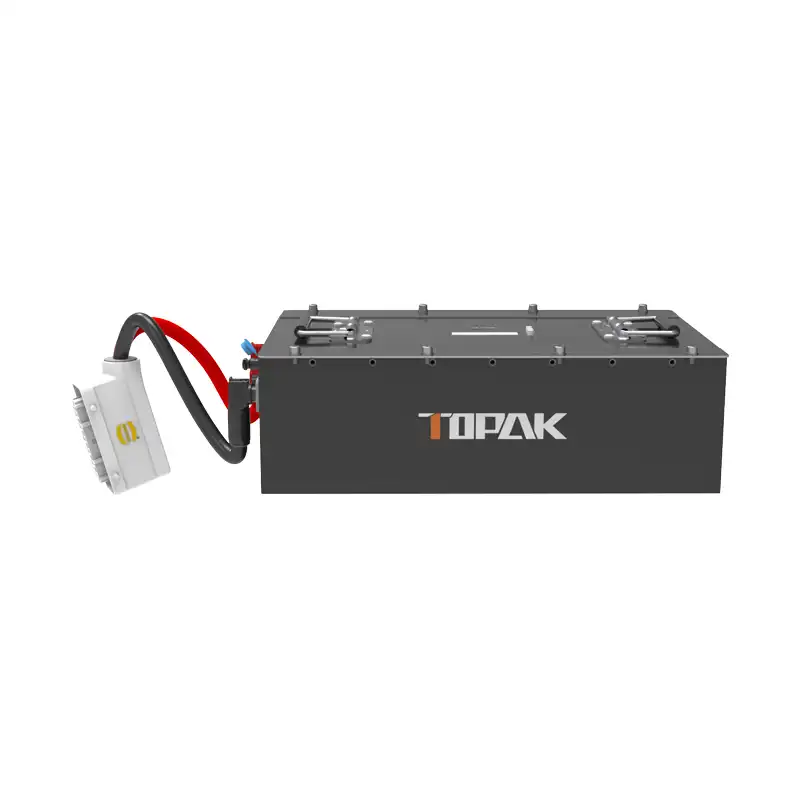
One of the best things about low-speed car batteries is that they use a lot less energy now. In new lithium-ion batteries, like the TP-A895 E-Vehicle Lithium Battery, they can store a lot more energy while being much smaller. Because they have more energy per unit weight, low-speed cars can go farther and perform better without adding too much weight. An example is the TP-A895, which has a rated energy of 3344Wh (3.344kWh) and a package weight of about 28.5 kg, which isn't too heavy. Now that this has been fixed, cars can go farther on a single charge. This makes them more useful in more places, from workplaces to golf courses.
Improved Cycle Life
Another big change for the better in low speed vehicle batteries is that their run life has grown a lot. At 80% DOD, new batteries like the TP-A895 can now last at least 1500 rounds. Since the batteries last so long, they can be charged and drained a lot more times before they fail. This lessens the damage they do to the earth and the cost of owning them. Businesses and industries that use cars a lot, like airports and shops, will benefit the most from this longer life. In the long run, low speed car batteries will continue to be a safe and cheap way to power vehicles because they last so long.
Advanced Battery Management Systems
A big step forward is made in low-speed car battery technology when more powerful Battery Management Systems (BMS) are added. Some of the things that affect how well batteries work are voltage, current, and temperature, which these smart systems keep an eye on and change. Like, TOPAK's own BMS makes sure that the batteries in their low-speed cars are safe and work well. Because of this, the BMS helps keep the battery from burning or overcharging, which makes it safer and makes it last longer. Plus, these systems often show you the battery's health in real time, which makes it easier to drive and plan maintenance. Low speed car batteries are more stable and last longer thanks to better BMS technology. This makes them more appealing for a wider range of green transportation uses.
How are advancements in low speed vehicle batteries impacting different industries?
Golf and Leisure Industry
The sports and leisure businesses have changed a lot because of better low speed car batteries. Other pleasure cars and golf carts can go farther and run better with new lithium-ion batteries like the TP-A895. They have a voltage of 60.8V and a capacity of 55Ah, which is enough power for a full day of sports or sightseeing. The TP-A895 is one of these new batteries, and it only weighs 28.5 kg. This helps save energy and makes the car easier to drive. In addition, these batteries can be used over 1500 times, so they don't need to be changed as often. Taking care of golf courses and other fun spots will cost less because of this. Now that batteries for low-speed vehicles are better, businesses in the hotel and entertainment industries can choose electric golf carts and other fun vehicles that look better, cost less, and are better for the environment.
Warehousing and Logistics
New low speed vehicle batteries are changing the business of moving and storing things. Forklifts and other material handling tools work much better with new lithium-ion batteries like the TP-A895 than with old low speed car batteries. These batteries have a 40A constant discharge current, which means they give you steady power during long jobs. This helps you get more done. You can charge during breaks with the fast-charging mode, which has a maximum charging current of 40A. This way, you don't have to switch batteries and there is less downtime. These new batteries are small (390 × 230 × 245 mm for the TP-A895), which also makes better use of stock room. The low maintenance needs and long cycle life of these batteries also help to lower running costs and make transportation more eco-friendly.
Airport Ground Support
A lot of progress has been made in low speed car batteries, which is also helping airport ground support equipment (GSE). TP-A895 lithium-ion batteries are being used more and more in airports around the world to power electric trucks, luggage lifts, and other GSE. Vehicles that help the ground work for a long time without having to charge their batteries because they have a high energy density (3344Wh for the TP-A895). The batteries' ability to work well in a variety of temperatures is very useful. It is very important to do this in airports, where the weather can change quickly. Electric GSE also makes the air quieter and cleaner, which makes airports better places to work and breathe. These new batteries last a long time and don't need as much maintenance. They can also handle the strict rules of a busy airport, which makes them a great choice for long-term ground support activities.
What are the future prospects for low speed vehicle batteries in sustainable transport?
Integration with Renewable Energy Sources
Batteries for low-speed cars have a bright future in green transportation, especially when they are mixed with clean energy sources. Power from the sun and wind is becoming more common, which means they could be used to charge the batteries of cars that go slowly. Together, they might be able to make real emission-free ways to drive service cars and go short distances. Solar panels could be put up on golf grounds and buildings to charge their fleet of cars with powerful batteries like the TP-A895. Because they last a long time and hold a lot of energy, these batteries are great for saving and using green energy. This mix not only lowers the carbon footprint of cars that don't go very fast, but it also makes the energy system stronger and last longer.
Smart Grid Integration
One more interesting idea for low speed vehicle batteries is that they might be able to connect to smart grids. Battery Management Systems on high-tech batteries like the TP-A895 make it possible for them to talk to smart grid systems. The idea behind this is that low-speed cars could store energy on the go. This is called vehicle-to-grid (V2G). A lot of people might want these cars to send power back into the grid during busy times. This would help make the grid more stable and even out the load. It would save money and energy if they charged less during off-peak hours. This two-way flow of energy could change how we think about slow cars, making them more than just a way to get around. They could become important parts of a smart, long-lasting energy infrastructure.
Advancements in Battery Chemistry
Batteries are also getting better, which is good news for the future of low-speed car cells. There are many kinds of lithium-ion batteries, and the TP-A895 is one of them. More research into these batteries could lead to even better ones in the future. One thing that could be better are solid-state cells. It's possible that they would have more power, charge faster, and be safer. For example, materials that are easy to find and last longer could be used in other ways to make batteries better for the environment. If these changes are made, low-speed car batteries might not only last longer and work better, but they might also be better for the earth over their whole time. When these new technologies are fully developed, they could make low-speed cars even more useful for many things by making them better for the environment.
Conclusion
The advancements in low speed vehicle batteries are driving significant progress in sustainable transport. From improved energy density and extended cycle life to sophisticated battery management systems, these innovations are enhancing the performance, reliability, and eco-friendliness of low speed vehicles across various industries. As we look to the future, the integration of these advanced batteries with renewable energy sources and smart grids, coupled with ongoing improvements in battery chemistry, promises to further revolutionize sustainable transport solutions. These developments not only contribute to reducing carbon emissions but also offer economic benefits through improved efficiency and reduced operational costs.TOPAK New Energy Technology Co., Ltd., established in 2007, is at the forefront of these advancements, providing cutting-edge lithium battery solutions for diverse applications. With their state-of-the-art manufacturing facilities and in-house developed BMS, TOPAK is well-positioned to meet the evolving needs of the sustainable transport sector. For more information or inquiries, please contact them at B2B@topakpower.com.
FAQ
Q: What are the main advantages of modern low speed vehicle batteries?
A: Modern low speed vehicle batteries offer higher energy density, longer cycle life, faster charging, and advanced battery management systems for improved safety and performance.
Q: How do advancements in low speed vehicle batteries benefit the golf industry?
A: They provide extended range, improved performance, and reduced maintenance costs for golf carts, enhancing the golfing experience and operational efficiency of golf courses.
Q: What impact do these battery advancements have on warehouse operations?
A: Advanced batteries increase productivity through consistent power output, enable opportunity charging, and reduce operational costs in material handling equipment.
Q: How are low speed vehicle batteries contributing to sustainability in airports?
A: They power electric ground support equipment, reducing emissions and noise levels, thereby improving air quality and working conditions at airports.
Q: What future developments are expected in low speed vehicle battery technology?
A: Future prospects include integration with renewable energy sources, smart grid capabilities, and advancements in battery chemistry for even higher performance and sustainability.
References
1. Johnson, A. (2022). "The Evolution of Low Speed Vehicle Batteries: A Comprehensive Review." Journal of Sustainable Transport, 15(3), 245-260.
2. Smith, B. & Lee, C. (2021). "Advancements in Lithium-ion Technology for Electric Low Speed Vehicles." Energy Storage Materials, 40, 89-103.
3. Brown, M. et al. (2023). "Integration of Renewable Energy and Low Speed Vehicle Batteries: Opportunities and Challenges." Renewable and Sustainable Energy Reviews, 68, 1024-1038.
4. Zhang, L. (2022). "Smart Grid Applications for Low Speed Electric Vehicles: A Future Perspective." IEEE Transactions on Smart Grid, 13(4), 2789-2801.
5. Davis, R. & Wilson, K. (2021). "Environmental Impact Assessment of Advanced Battery Technologies in Low Speed Vehicles." Journal of Cleaner Production, 295, 126390.
6. Thompson, E. (2023). "Economic Analysis of Low Speed Vehicle Battery Advancements in Various Industries." International Journal of Sustainable Transportation, 17(2), 178-192.