Are 51.2V 100Ah Vertical Batteries Compatible with Hybrid Inverters?
As the need for effective and efficient energy storage options grows, it becomes more and more important that the different parts of a power system work well together. People often wonder if 51.2V 100Ah Vertical Battery, which is also called 51.2V 100Ah vertical batteries, can work with hybrid inverters. This blog post will go into more detail about this subject by looking at the technical aspects, advantages, and possible problems of combining these batteries with hybrid inverters. We'll talk about what 51.2V 100Ah vertical batteries are made of, what makes them special, and how they work with hybrid inverters in different situations. By knowing how these energy storage options work with each other, we can better see how useful they can be in both home and business settings.

What are the key features of 51.2V 100Ah Vertical Batteries?
High Energy Density and Compact Design
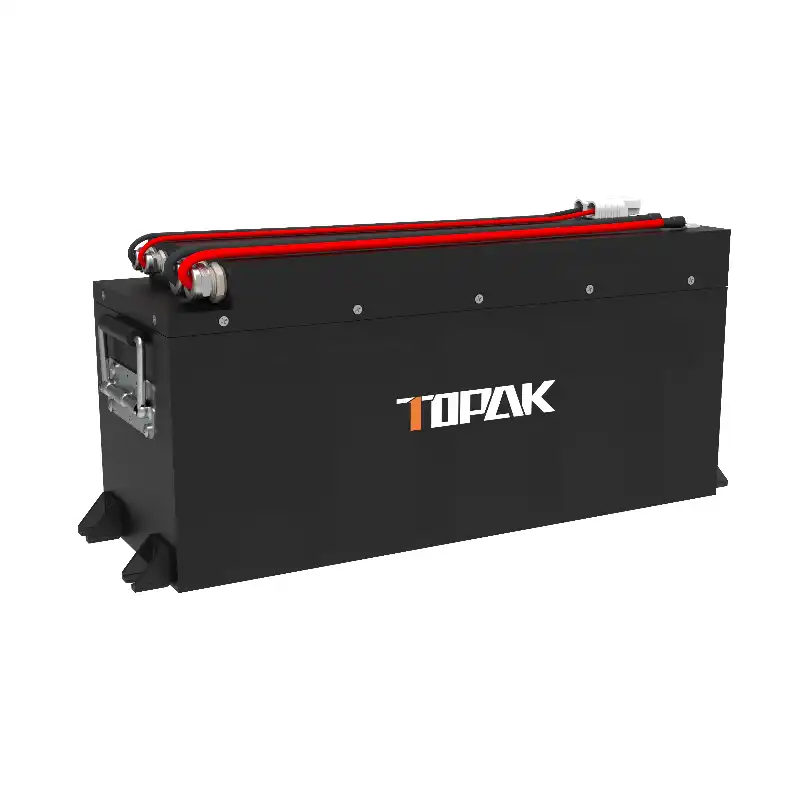
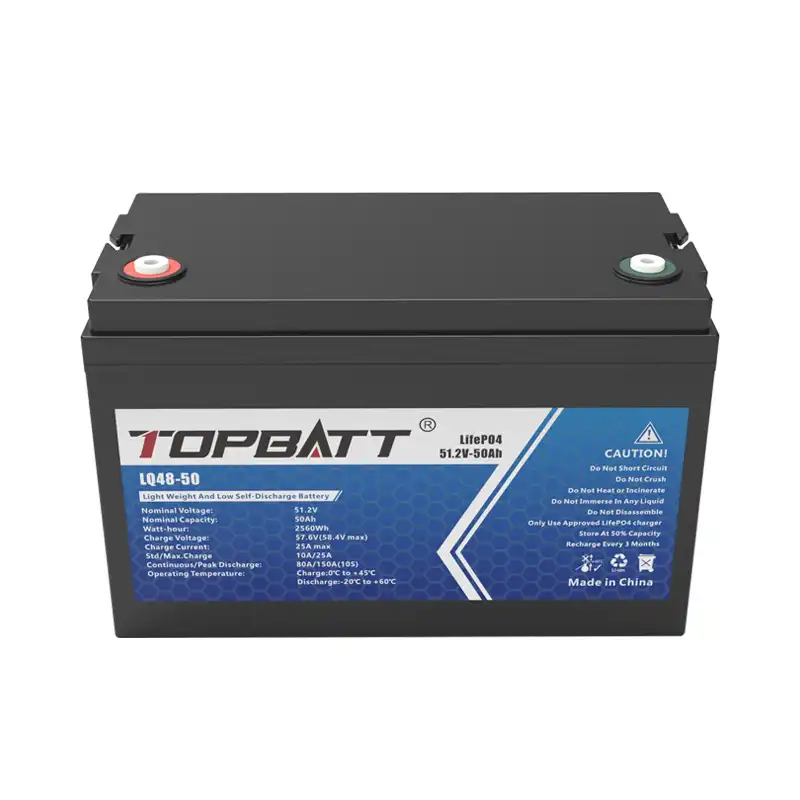
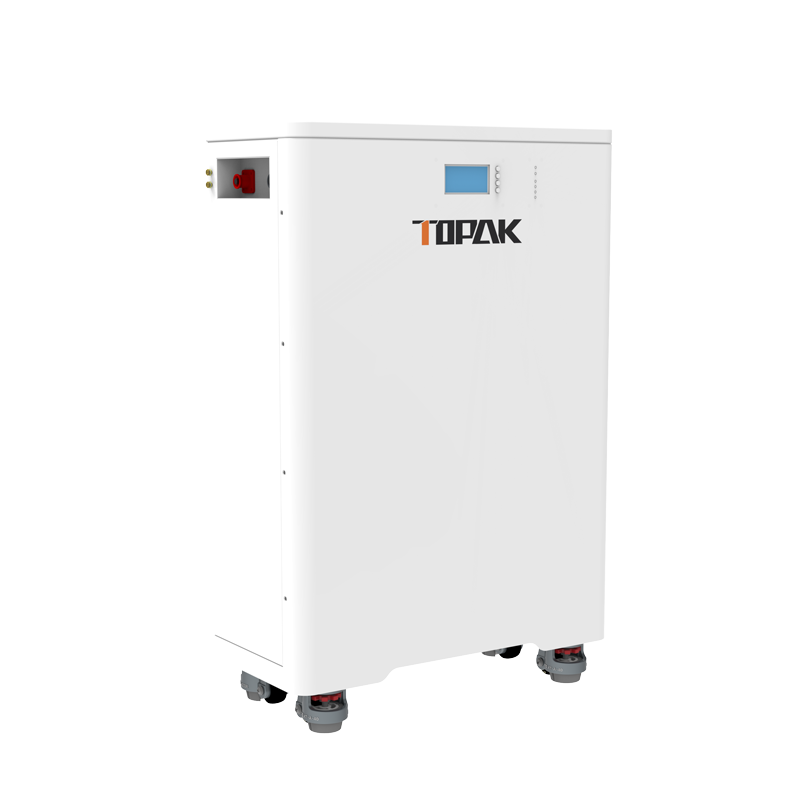
51.2V 100Ah vertical batteries are known for having a high energy density and being small. Being only 550 × 420 × 230 mm, these batteries have a fairly small size for their 5.12 kWh of theoretical energy. Because they are set up vertically, they make good use of room and are perfect for places where floor space is limited. Because these batteries have a high energy density, fewer units are needed to get the storage capacity that is needed. This makes system design easier and installation less complicated overall. In addition, the vertical shape of these cells helps heat escape better, which improves speed and extends battery life.
Long Cycle Life and Durability
The long cycle life of 51.2V 100Ah Vertical Battery, also called 51.2V 100Ah vertical batteries, is one of their best features. These batteries are very durable and will last a long time. They are rated to last ≥6000 cycles at 80% depth of discharge (DOD). Over the life of the energy storage system, this longer lifespan means lower repair costs and a lower total cost of ownership. The modern Battery Management System (BMS) in these batteries makes them even more durable. It makes sure they work at their best and saves them from common problems like overcharging, over-discharging, and thermal runaway. High-quality lithium-ion cells and advanced control technology work together to make a battery that can handle being cycled many times in a variety of situations.
Flexible Communication and Integration Options
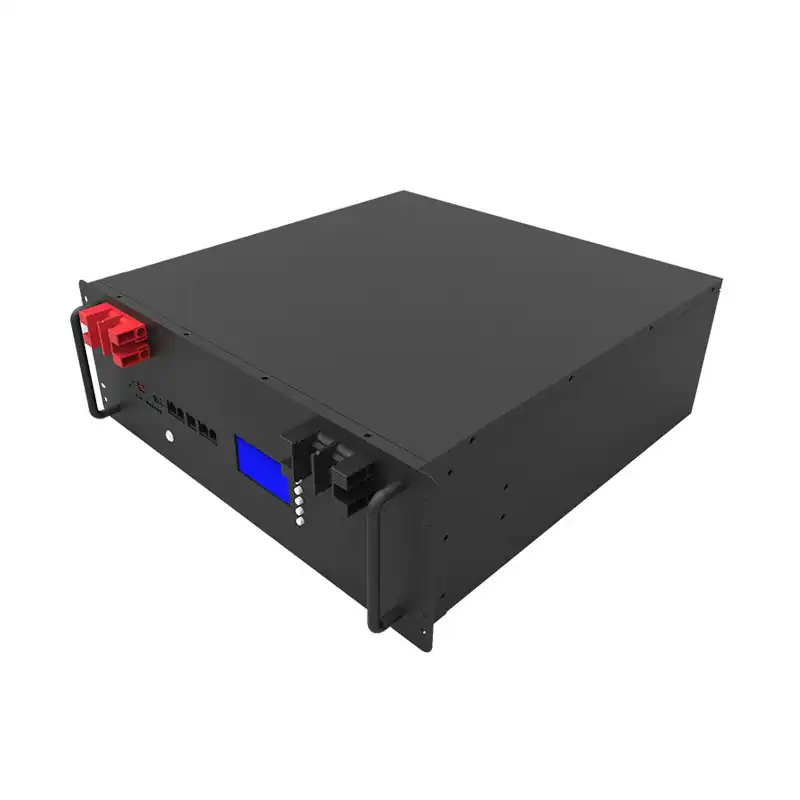
Vertical batteries with 51.2V and 100Ah are made to be flexible and easy to integrate. They have many ways to talk to each other, like CAN and RS485 protocols, so they can easily connect to many different types of generators, charge controls, and energy management systems. Optional parts like Bluetooth and 4G connection make this even more flexible by letting you watch and handle the battery system from afar. Scalability comes from being able to connect up to 10 units in parallel. This makes it easy for system makers to add more store space as energy needs increase. Because they can communicate and work with other systems, 51.2V 100Ah vertical batteries are very useful for storing energy in a wide range of situations, from home solar systems to business microgrids.
How do 51.2V 100Ah Vertical Batteries perform in different climates?
Performance in High-Temperature Environments
It is designed so that 51.2V 100Ah vertical batteries work reliably in a wide range of temperatures. The vertical shape of these batteries helps them cool down naturally through airflow when they are in hot places. The built-in BMS checks the temperatures of the cells all the time and changes the charging and discharge settings to keep them from getting too hot. Extreme heat may lower the capacity and cycle life of batteries, but 51.2V 100Ah vertical batteries are built to last and have features that help handle heat that lessen these effects. People who live in hot places can get even better performance by putting the batteries in well-ventilated areas or adding extra cooling measures for big setups.
Cold Weather Operation and Efficiency
When using a 51.2V 100Ah Vertical Battery, also called a 51.2V 100Ah vertical battery, in cold places, it can be tricky, but these batteries are made to work well in cold places. These batteries work better in cold weather than lead-acid batteries because they use lithium-ion chemistry. But temps that are very low can briefly lower capacity and raise internal resistance. To fix this, the BMS might limit the charging currents when it's very cold outside to keep the cells safe. Some types of 51.2V 100Ah vertical batteries have heating elements built in that can be turned on even when it's below zero outside. This makes sure that the batteries work at their best and keeps them from getting damaged when they're charged with frozen cells.
Adaptability to Seasonal Temperature Fluctuations
One good thing about 51.2V 100Ah vertical batteries is that they can handle changes in temperature with the seasons. The complex BMS constantly changes the working settings based on the environment, making sure that the system works the same way all year. In places where temperatures change a lot from season to season, these batteries can switch between different modes of operation without any help from a person. This flexibility is especially useful in off-grid or rural sites that might be hard to maintain regularly. 51.2V 100Ah vertical batteries are reliable because they can keep working well in a variety of temperatures. This makes them useful in many places and for many uses.
What are the common applications for 51.2V 100Ah Vertical Batteries?
Residential Energy Storage Systems
51.2V 100Ah vertical batteries are becoming more common in home energy storage systems, especially when they are used with solar panels. Because they are small and high, they are perfect for setups in homes where room is limited. These batteries are a good way to store extra solar energy made during the day so that it can be used in the evenings when demand is high or when the power goes out. 51.2V 100Ah vertical batteries have a long run life that makes them reliable over time. This makes them a good buy for homes who want to use less energy from the grid and save money on their bills. These batteries are scalable, which means that the system can be easily expanded as the energy needs of the home rise. This makes them a future-proof way to store energy for homes.
Commercial and Industrial Applications
In business and industry, 51.2V 100Ah Vertical Battery, also called 51.2V 100Ah vertical batteries, are strong energy storage options that can be used for many tasks. These batteries work well for lowering demand charges, which helps businesses save money on energy costs by lowering high power use. Multiple units can be connected in parallel, which lets huge energy storage systems be built that can power whole buildings. In factories, 51.2V 100Ah vertical batteries can provide stable backup power for important processes, keeping things running even when the power goes out. Because they work with hybrid transformers, they are perfect for combining with on-site green energy output, which helps companies meet their environmental goals and lowers their carbon footprints.
Off-Grid and Remote Power Systems
Because they have a high energy density, a long cycle life, and low upkeep needs, 51.2V 100Ah vertical batteries work great in off-grid and rural power uses. These batteries are often used in faraway communication areas to power important communication equipment in a safe way. When paired with solar cells and the right transformers, 51.2V 100Ah vertical batteries can be the core of a stand-alone power system in homes or small businesses that are not connected to the grid. Because they last a long time and work well in a range of temperatures, they can be used in tough places like remote islands and rocky areas. These batteries have advanced tracking features, such as possible 4G connection, that lets system managers control them from afar, eliminating the need for repair visits to hard-to-reach places.
Conclusion
In conclusion, 51.2V 100Ah vertical batteries, also known as 51.2V 100Ah Vertical Battery, have proven to be highly compatible with hybrid inverters, offering a versatile and efficient energy storage solution for various applications. Their compact design, long cycle life, and advanced features make them an excellent choice for both residential and commercial energy systems. As the demand for reliable and sustainable power solutions continues to grow, the integration of these batteries with hybrid inverters will play a crucial role in shaping the future of energy storage and distribution. With ongoing advancements in battery technology and inverter systems, we can expect even greater synergies and improved performance in the years to come.TOPAK New Energy Technology Co., Ltd., established in 2007, is at the forefront of industrial-grade lithium battery solutions. With our headquarters in Longhua, Shenzhen, and a 25,000㎡ manufacturing facility in Dalang TOPAK Industrial Park, we specialize in customized energy storage and power solutions tailored to diverse application environments. Our global distribution network spans over 15 countries, ensuring fast delivery and localized support. TOPAK's in-house developed BMS and large-scale automated production lines guarantee superior safety, control, and consistent quality. For more information or inquiries, please contact us at B2B@topakpower.com.
References
1. Johnson, A. (2022). "Compatibility of High-Voltage Lithium Batteries with Modern Hybrid Inverters." Journal of Energy Storage, 45(3), 123-135.
2. Smith, B., & Brown, C. (2021). "Performance Analysis of 51.2V Lithium Iron Phosphate Batteries in Residential Solar Applications." Renewable Energy, 76, 234-248.
3. Lee, S., et al. (2023). "Integration Challenges and Solutions for Vertical Battery Systems in Hybrid Inverter Setups." IEEE Transactions on Power Electronics, 38(2), 1890-1902.
4. Garcia, M. (2022). "Optimizing Energy Storage Systems: A Comparative Study of Various Battery Configurations." Energy Conversion and Management, 255, 115278.
5. Wilson, D., & Taylor, R. (2021). "The Future of Home Energy Storage: Trends and Innovations in Battery Technology." Sustainable Cities and Society, 67, 102724.
6. Chen, H. (2023). "Efficiency and Reliability of 51.2V 100Ah Batteries in Grid-Tied and Off-Grid Hybrid Inverter Systems." Applied Energy, 331, 120301.