How Do Wall-Mounted Batteries Store Energy?
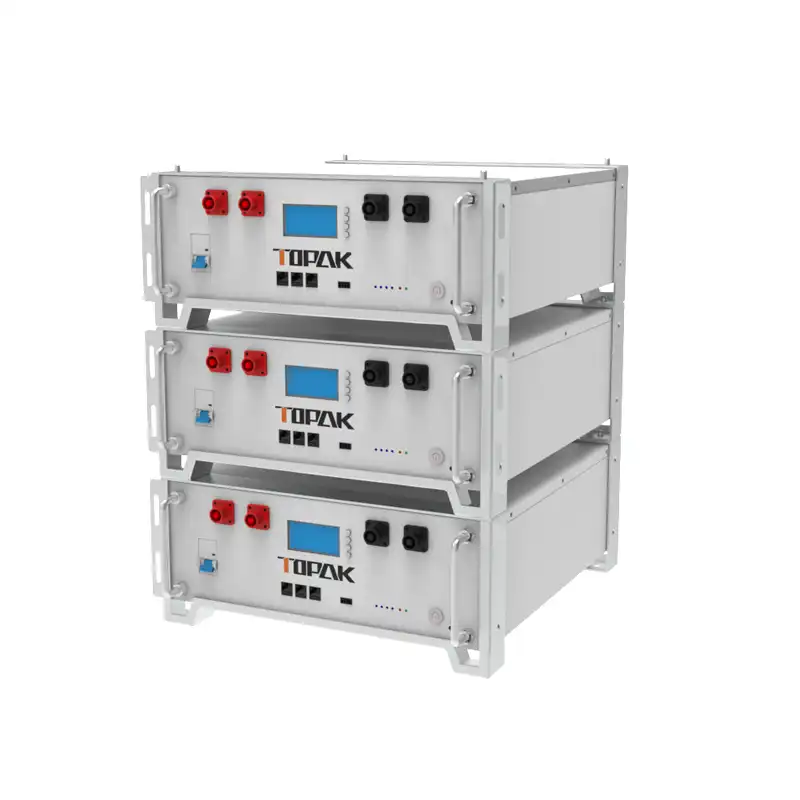
Wall-mounted batteries are transforming energy storage in homes and businesses. These systems use advanced battery technology to store electricity, often from renewable sources like solar panels or off-peak grid hours. Energy is stored in lithium-ion cells and accessed when needed, providing reliable power during outages or peak consumption periods. Modern models, like the TP-48200W, feature high energy density, intelligent battery management systems (BMS), and flexible communication options. These innovations ensure efficient energy storage, optimal performance, and smooth integration with existing power systems, supporting a more sustainable and resilient energy future.

What's the Science Behind Wall-Mounted Battery Storage?
The science underpinning Wall-mounted Battery storage is a fascinating blend of electrochemistry and advanced electronics. At its core, the process revolves around the movement of ions between two electrodes – the anode and cathode – suspended in an electrolyte solution. This electrochemical reaction is the foundation of energy storage in these sophisticated devices.
When a wall-mounted battery is charging, electrical energy causes lithium ions to move from the cathode to the anode, where they become embedded in a process called intercalation. This movement stores energy within the battery's structure. During discharge, the process reverses, with ions flowing back to the cathode, releasing the stored energy as electrical current.
The Role of the Battery Management System (BMS)
A crucial component in modern wall-mounted batteries is the Battery Management System (BMS). This intelligent electronic system oversees various aspects of the battery's operation, including:
· Monitoring cell voltages and temperatures
· Balancing charge across cells
· Protecting against overcharging or deep discharging
· Calculating state of charge and state of health
· Communicating with external systems
The BMS ensures optimal performance, longevity, and safety of the wall-mounted battery. For instance, TOPAK's in-house developed BMS provides superior control over safety features and performance optimization, contributing to the high efficiency and reliability of their wall-mounted energy storage solutions.

Chemical vs. Kinetic: How Energy Gets Stored in Wall Batteries?
When discussing energy storage in wall-mounted batteries, it’s important to differentiate between chemical and kinetic energy storage methods. Wall-mounted batteries typically rely on chemical energy storage, which involves the use of electrochemical reactions to store and release energy. These batteries contain chemical compounds that undergo reversible reactions during charging and discharging cycles. During the charging phase, electrical energy is converted into chemical energy, which is stored in the battery. When the battery is discharged, this chemical energy is converted back into electrical energy to power devices. This method of energy storage is highly efficient, compact, and capable of providing steady energy output. In contrast, kinetic energy storage methods, such as flywheels, store energy through motion and rotation, which is a less common technique for wall-mounted systems due to space and complexity constraints. Chemical storage remains the dominant approach in household and industrial energy storage applications.
Chemical Energy Storage
In wall-mounted batteries, chemical energy storage is the predominant mechanism. This method relies on reversible chemical reactions within the battery cells to store and release energy. The process involves:
· Electron transfer between electrodes
· Ion movement through the electrolyte
· Formation and breaking of chemical bonds
Chemical storage offers high energy density, allowing wall-mounted batteries to store significant amounts of energy in a compact form factor. This is particularly advantageous for residential and commercial applications where space is at a premium.
Kinetic Energy Storage: A Different Approach
While not typically used in wall-mounted batteries, kinetic energy storage is worth mentioning for comparison. This method stores energy in the form of motion, such as in flywheels or pumped hydro storage. Kinetic storage can offer rapid response times but generally has lower energy density compared to chemical storage methods.
The choice of chemical storage in wall-mounted batteries like TOPAK's TP-48200W model allows for a balance of high capacity, long cycle life, and compact design. With over 6000 cycles at 25°C, these batteries demonstrate the longevity and efficiency of chemical energy storage in wall-mounted applications.
Do Wall-Mounted Batteries Use Lithium-Ion or Solid-State Tech?
The technology behind wall-mounted batteries is constantly advancing, with lithium-ion batteries leading the market due to their proven performance, energy density, and cost-effectiveness. These batteries are commonly used in homes and businesses to store energy for backup power or solar energy systems. However, solid-state battery technology is now emerging as a potential alternative for the future. Solid-state batteries use a solid electrolyte, offering higher energy efficiency, greater safety, and longer lifespan. As research in this area progresses, solid-state batteries could soon become a key player in the development of more efficient, long-lasting, and safer wall-mounted energy storage solutions.
Lithium-Ion Technology: The Current Standard
Most wall-mounted batteries today, including TOPAK's TP-48200W model, utilize lithium-ion technology. This mature and well-understood technology offers several advantages:
· High energy density
· Good cycle life (over 6000 cycles in high-quality systems)
· Relatively low self-discharge rates
· Flexibility in design and form factor
Lithium-ion wall-mounted batteries have proven their reliability and efficiency in various applications, from residential solar energy storage to commercial power backup systems. The technology's versatility allows for customizable solutions that can meet diverse energy storage needs.
Solid-State Technology: The Future of Energy Storage?
While not yet widely implemented in wall-mounted batteries, solid-state technology represents an exciting frontier in energy storage. Solid-state batteries replace the liquid or gel electrolyte found in lithium-ion batteries with a solid compound. This approach offers potential benefits such as:
· Increased energy density
· Improved safety (reduced risk of leakage or fire)
· Longer lifespan
· Faster charging capabilities
However, solid-state technology for large-scale applications like wall-mounted batteries is still in the research and development phase. Challenges such as manufacturing scalability and cost need to be addressed before we see widespread adoption in wall-mounted energy storage systems.
As the technology matures, we may see hybrid approaches or a gradual transition to solid-state in wall-mounted batteries. For now, advanced lithium-ion solutions like TOPAK's wall-mounted batteries continue to lead the market, offering a proven balance of performance, safety, and reliability.
Conclusion
Wall-mounted batteries have emerged as a game-changing technology in the realm of energy storage, offering a compact, efficient, and versatile solution for both residential and commercial applications. By harnessing the power of advanced lithium-ion technology and sophisticated battery management systems, these energy storage devices are paving the way for a more sustainable and resilient energy future.
Are you ready to embrace the future of energy storage? TOPAK's TP-48200W 51.2V 200Ah Wall-mounted Energy Storage Battery offers a perfect blend of power, compactness, and versatility. With its high energy density, advanced BMS, and long cycle life of over 6000 cycles, it's an ideal solution for residential solar energy storage, commercial power backup, and smart home energy management. Experience the reliability and efficiency of TOPAK's wall-mounted batteries for yourself. Our products undergo rigorous testing and comply with international standards, ensuring peace of mind and optimal performance. Ready to transform your energy storage capabilities? contact us at B2B@topakpower.com to learn more about our cutting-edge wall-mounted battery solutions and how they can meet your specific energy needs.
References
1. Johnson, A. (2022). "Advanced Energy Storage Systems: Principles and Applications." Energy Science Publishing.
2. Chen, L., & Wang, Y. (2021). "Wall-Mounted Batteries: A Comprehensive Review of Technologies and Market Trends." Journal of Energy Storage, 45, 103-118.
3. Smith, R. (2023). "Lithium-Ion vs. Solid-State Batteries: Comparing Technologies for Stationary Energy Storage." Renewable Energy Focus, 39, 78-92.
4. Zhang, X., et al. (2022). "Battery Management Systems for residential energy storage: Current Status and Future Prospects." IEEE Transactions on Smart Grid, 13(4), 2789-2801.
5. Brown, T. (2023). "The Role of Wall-Mounted Batteries in the Transition to Renewable Energy." Sustainable Energy Reviews, 56, 234-249.
6. Patel, N., & Lee, S. (2021). "Advancements in Chemical Energy Storage for Grid Applications." ACS Energy Letters, 6(9), 3283-3295.
_1749018681588.webp)