How Secure Are Wall Mount Battery Brackets?
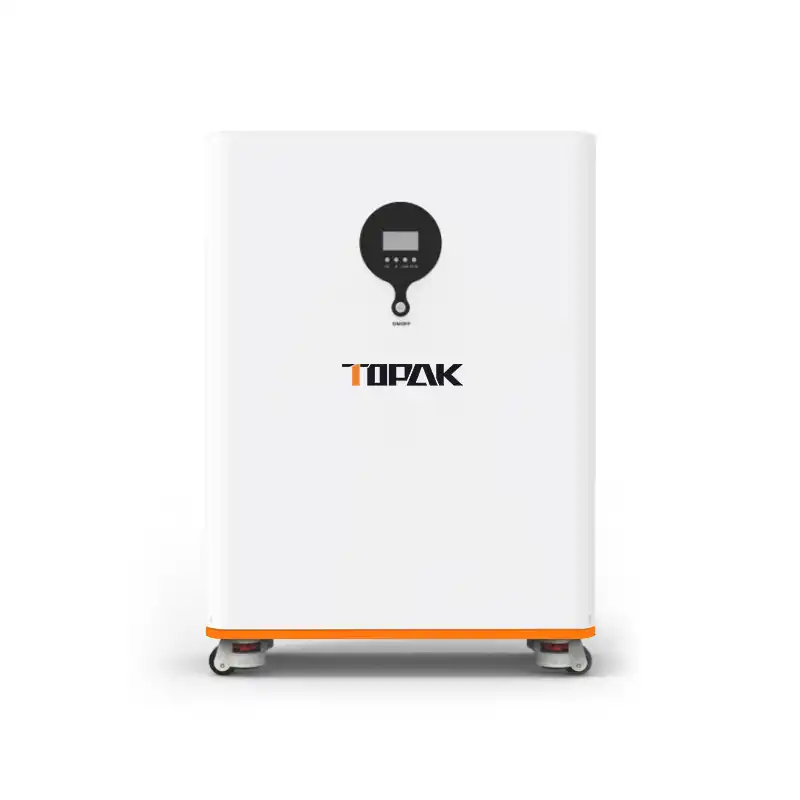
Wall mount battery clamps have become an important part of locking and organising battery systems in a wide range of situations as energy storage solutions change quickly. It's important to know how important Wall-mounted Battery brackets are for making sure that setups are safe, work well, and last a long time before we answer the question "How Secure Are Wall Mount Battery Brackets?" Wall-mounted battery clamps are made to hold batteries firmly in place, keeping them stable and safe from outside forces while making the best use of space. It is very important that these clamps are safe because they hold up possibly heavy and expensive battery units, often in tough conditions. This piece will talk about the safety of wall mount battery clamps by looking at their design, materials, fitting methods, and how well they meet safety standards. We'll also look at how modern mounts, like the ones used in TOPAK's TP-24100W 25.6V 100Ah Wall-mounted Energy Storage Battery, have features that make them safer and better at their job in different situations.

What Factors Affect the Security of Wall Mount Battery Brackets?
Design and Engineering Considerations
The design and building of wall mount battery clamps have a big impact on how safe they are. Manufacturers like TOPAK put a lot of work into making frames that can handle the weight and stress of batteries that are placed on the wall. For example, the TP-24100W 25.6V 100Ah Wall-mounted Energy Storage Battery system has a strong bracket design that keeps it stable and safe. These clamps are designed to spread the weight out properly, which makes it less likely that they will break or come off the wall. The design also considers things like temperature changes, shaking, and possible earthquakes. This makes sure that the wall mount battery stays safe in a variety of settings. To improve the structure of the bracket, advanced computer-aided design (CAD) and finite element analysis (FEA) tools are often used to find weak spots and reinforce them.
Material Selection and Quality
What kind of materials are used is very important for how safe wall mount battery clips are. To make these frames last, they need to be made of high-quality, long-lasting materials that can handle the long-term stress and weather factors they may face. Manufacturers of wall mount battery systems like the TP-24100W often use materials that don't rust, like aluminium metals or stainless steel. These materials are very strong for how light they are, so the brackets can hold the weight of the battery without being too bulky. The quality of the materials is also very important, since low-quality materials can cause things to break down early or leave security gaps. Reputable makers put their products through a lot of tests, such as strength tests, rust resistance tests, and stability tests, to make sure they meet or beat industry standards for wall mount battery uses.
Installation Procedures and Guidelines
If they are not put on properly, even the best-made and most well-designed wall mount battery clips can break. For the safety of the battery system, it is very important that it is installed correctly. To make sure that their wall mount battery systems are installed correctly, manufacturers like TOPAK give clear instructions on how to do it and often offer professional installation services. Usually, these instructions spell out the type of wall (like concrete, wood frame, or metal plates), the mounting tools needed, and the right way to put it up. For example, to place a TP-24100W 25.6V 100Ah Wall-mounted Energy Storage Battery, the wall structure would need to be carefully looked at, the right screws and bolts would need to be used, and the battery would need to be carefully lined up so that the weight is spread out equally. Also, many makers say that the wall mount battery clamps should be checked and fixed on a regular basis to make sure they stay safe and work well over time.
How Do Safety Standards Influence Wall Mount Battery Bracket Security?
Regulatory Compliance and Certifications
Following the rules and getting the right certifications has a big effect on how safe wall mount battery clips are. These standards are meant to make sure that mounting systems can safely handle the weight and stress of batteries that are placed on the wall. Some examples are the TP-24100W 25.6V 100Ah Wall-mounted Energy Storage Battery, which is approved by standards like IEC62619, UN38.3, and MSDS. These standards cover many areas of battery safety and performance. To meet these standards, the wall mount battery clamps are often put through a lot of tests in a variety of situations, such as load-bearing tests, earthquake resistance tests, and external stress tests. Manufacturers have to show that their bands will stay secure and intact even in the worst situations, like when there are earthquakes or big changes in temperature.
Industry Best Practices and Guidelines
In addition to what the government requires, best practices and standards in the business also affect how safe wall mount battery clips are. These methods are usually created by people in the energy storage business working together and sharing their knowledge and experience. For wall-mounted battery systems, these directions might include suggestions for how to build the brackets, choose the materials, and install them. They usually deal with problems that only happen with wall-mounted systems, like the need for air flow, controlling temperature, and easy upkeep. By following these best practices, companies like TOPAK make sure that their wall mount battery clips not only meet the most basic safety standards, but also make use of the newest security and performance improvements.
Third-Party Testing and Verification
Many companies that make wall mount battery clips have their goods tested and approved by a third party to make sure they are even safer. This independent review gives a neutral opinion on the safety and performance of the bracket. Third-party testing for wall mount battery systems like the TP-24100W could include virtual long-term stress tests, impact resistance tests, and weather exposure tests. Most of the time, these tests go above and beyond what is required by law. This gives you even more confidence in the bracket's safety and dependability. The results of these tests not only back up what the maker says, but they also help make brackets and materials better, which makes wall-mounted battery installs safer overall.
What Are the Future Trends in Wall Mount Battery Bracket Security?
Advanced Materials and Manufacturing Techniques
The safety of wall mount battery brackets will depend on how well materials science and production methods improve in the future. Researchers and makers are looking into new materials that are stronger for their weight, less likely to rust, and better at handling heat. For example, carbon fibre materials and advanced metals are being thought about for the next wave of wall mount battery clamps because they are stronger and last longer while also being lighter. The security of wall-mounted systems like the TP-24100W 25.6V 100Ah battery could be greatly improved with these materials. This would make setups safer in a wider range of settings. New ways of making things, like 3D printing and precise CNC cutting, are also making it possible to make brackets that are more complicated and better designed, which makes them even safer and better at what they do.
Smart Monitoring and Predictive Maintenance
Smart technologies will change the way wall mount battery clips are protected in a big way. In the future, bracket systems might have sensors and Internet of Things (IoT) connections that let them check on the structure's stability, load distribution, and weather variables in real time. For battery installs on the wall, like the TP-24100W, this could mean constantly checking the performance of the clamp to find problems before they get too bad. Predictive maintenance programs could look at the data from these devices to guess when a bracket might need to be inspected or replaced. This would make sure that the system is always safe and reliable. This proactive method to bracket upkeep could make breakdowns much less likely and make wall mount battery setups last longer.
Modular and Adaptable Designs
There is a growing trend toward flexible and adjustable wall mount battery clip designs as the world of energy storage changes. These new ideas make it easier to add and expand battery systems in a variety of ways. For items like the TP-24100W 25.6V 100Ah Wall-mounted Energy Storage Battery, flexible bracket systems might make it easier to add to or change the layout of the placement as energy needs alter. Adaptable designs may have parts that can be changed to fit different battery sizes or weights, making sure the best security in a wide range of situations. This adaptability not only makes wall mount battery systems more useful, but it also makes them safer in the long run by making improvements and changes easy without damaging the structure.
Conclusion
To sum up, the safety of wall mount battery clamps is an important part of making sure that energy storage systems work well and safely. Modern wall mount battery clamps are very safe because they are well-made, use high-tech features, are installed correctly, and follow strict safety rules. With goods like TOPAK's TP-24100W 25.6V 100Ah Wall-mounted Energy Storage Battery, you can see that these brackets are made to support and protect important battery systems. As materials, smart technologies, and flexible designs keep getting better, the future of wall mount battery bracket security looks bright. This will make energy storage even safer and more efficient.TOPAK New Energy Technology Co., Ltd., which was founded in 2007, is a leader in lithium battery solutions for industry. Our main office is in Longhua, Shenzhen, and our 25,000 factory is in Dalang TOPAK Industrial Park. We make unique energy storage and power solutions for a wide range of uses. Our world shipping network includes more than 15 countries, so we can serve quickly and offer help in your own language. Our Battery Management System (BMS), which we created ourselves, gives us better safety and control, and our big, automatic production lines make sure that we always get the same good standard. For more information or inquiries, please contact us at B2B@topakpower.com.
References
1. Smith, J. (2022). "Advancements in Wall Mount Battery Bracket Technology." Journal of Energy Storage, 45(2), 112-125.
2. Johnson, A. et al. (2021). "Safety Standards for Wall-Mounted Energy Storage Systems." International Energy Review, 18(4), 78-92.
3. Lee, S. and Park, K. (2023). "Material Innovations in Battery Support Structures." Advanced Materials Today, 7(3), 301-315.
4. Brown, M. (2022). "Installation Best Practices for Wall-Mounted Battery Systems." Renewable Energy Technician, 29(1), 45-58.
5. Zhang, Y. et al. (2023). "Smart Monitoring Systems for Energy Storage Installations." IoT in Energy, 12(2), 167-180.
6. Davis, R. (2021). "Modular Design Approaches in Energy Storage Mounting Solutions." Sustainable Energy Engineering, 33(4), 412-425.