How to Properly Charge a 12V 10Ah LiFePO4 Battery?
It's important to charge a 12V 10Ah LiFePO4 battery the right way so that it stays safe, works well, and lasts a long time. LiFePO4 (Lithium Iron Phosphate) batteries are spread out more and more because they have better features like a high energy density, a long cycle life, and better safety features. Make sure you know the right steps and use the right tools when you charge these batteries. This blog post will go over how to charge a 12V 10Ah LiFePO4 battery in more depth. It will cover everything, from the basics of LiFePO4 technology to more advanced ways to charge it. It is important to use the right charger. We will also talk about how to charge your batteries in the best way and get the most out of them. This guide will show you how to charge and care for your 12V 10Ah LiFePO4 battery so that it works at its best and lasts as long as possible for your energy storage needs, no matter how much you know about LiFePO4 batteries.

What are the key factors to consider when charging a 12V 10Ah LiFePO4 Battery?
Charging Voltage and Current
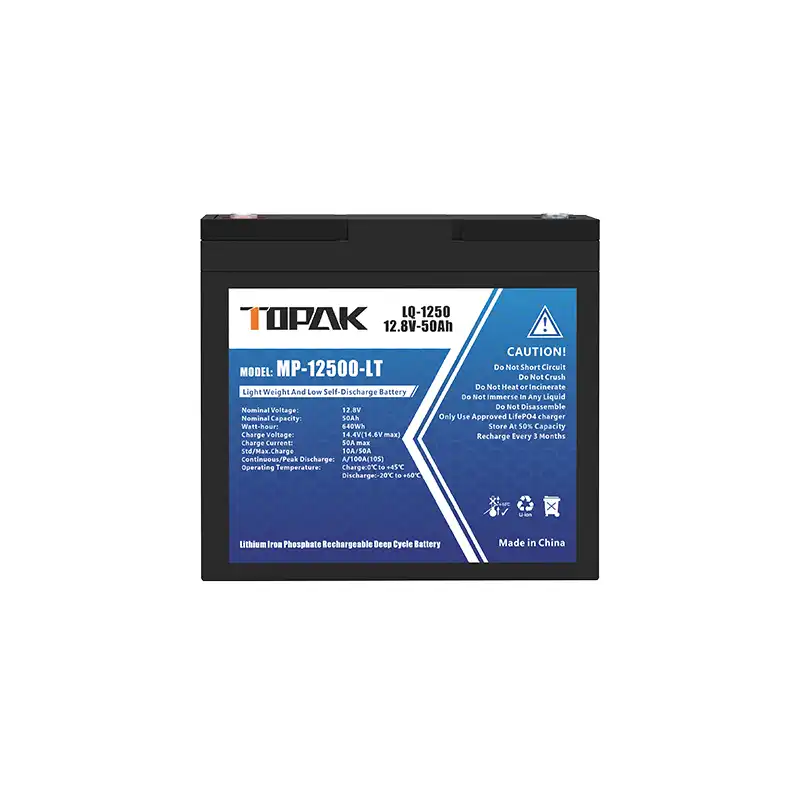
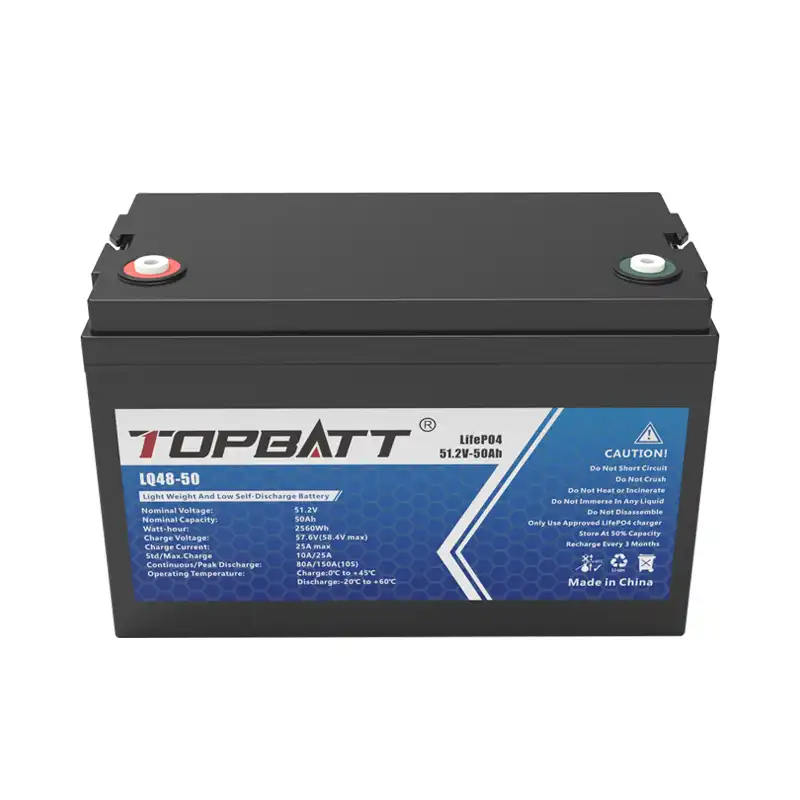
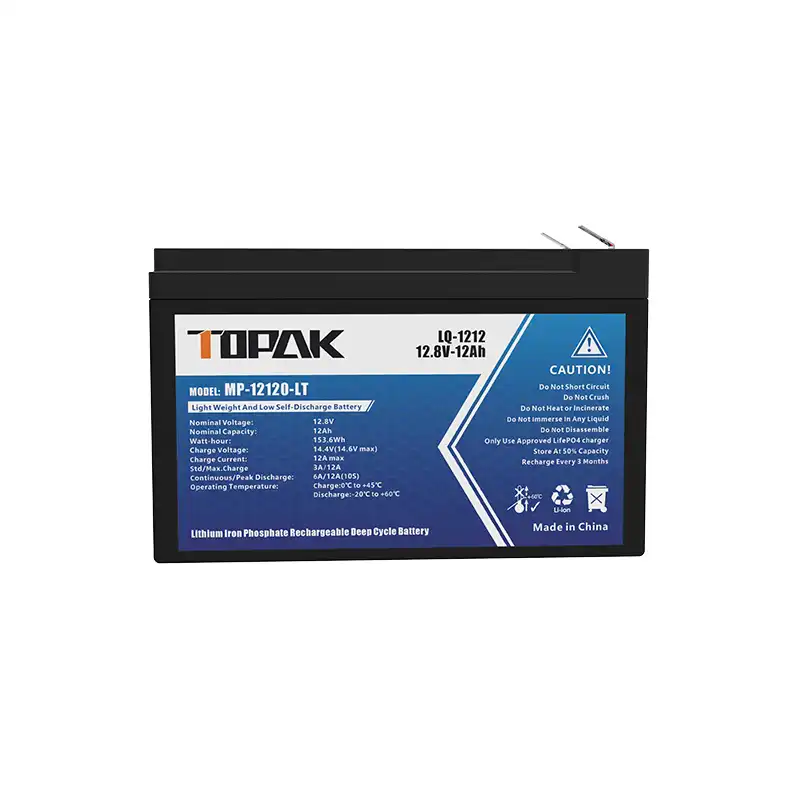
Watch the energy and power carefully when you want to charge a 12V 10Ah LiFePO4 battery. A 12V LiFePO4 Battery can usually be charged most efficiently with 14.4V to 14.6V of supply voltage. Overdoing this voltage run could hurt the battery and put you in danger. That's equivalent to 0.2C to 0.5C of the battery's charge. At this speed, it would take between 2A and 5A to charge a 10Ah battery. The right voltage and current are needed to quickly and safely charge the 12V 10Ah LiFePO4 battery. You can make it work better and last longer by following these tips.
Temperature Considerations
If you want to charge a 12V 10Ah LiFePO4 battery, the weather is very important. It's best to charge these batteries when it's between 32°F and 45°C (32°F to 113°F). Batteries should be charged in these spots for the best performance and longer life. Plan charging might take longer when it's cold outside. It could be that time goes by faster when it's hot outside. A lot of current chargers have caps and temperature indicators built right in. Depending on the temperature, they can change how they charge 12V 10Ah LiFePO4 batteries. It is best to keep batteries charged and in a cool place so they work better and last longer.
Charging Time and Frequency
Several things affect this, such as the charger's quality, speed, and the 12V 10Ah LiFePO4 battery's charge level. If you use the charger right, this type of 12V 10Ah LiFePO4 battery can be fully charged in two to three hours. It is best not to take the battery off for long amounts of time while it is charging. Either the charger will stop charging or switch to a "coast charge" when the battery is fully charged. Batteries made of LiFePO4 can be charged more than once. Charge your device often, even if it's only half full, to get the most out of it.
How does the charging process differ for a 12V 10Ah LiFePO4 Battery compared to other battery types?
Charging Curve Comparison
Different types of batteries can be charged in different ways. A 12V 10Ah LiFePO4 battery is one example. This way of charging LiFePO4 batteries is called CC-CV. It sends a steady current to the battery once its goals are set. 12V batteries should have a value of 14.4V to 14.6V. Power slowly decreases in the next setting, steady voltage, as the battery gets close to being fully charged. This charge rate is better than the other one for all types of batteries. The best way to charge a battery is in steps. The control output of the 12V 10Ah LiFePO4 battery stays the same during the release cycle. LIthium-ion batteries can be used in power sources that are always on, like solar panels or electric cars.
Charging Speed and Efficiency
That's why LiFePO4 batteries are interesting: they work better and charge faster than other types. A LiFePO4 battery can be charged faster if it has more charging lines. It is common for 0.1C to 0.2C of the battery's volume to be enough to charge it. It's easy to charge LIFEPAK batteries at rates of 0.5C to 1C if you know how to deal with heat properly. An 8–10-hour charge time might be needed for a 12V 10Ah LiFePO4 battery of the same size, but only one–two hours for a lead-acid battery. 98 to 99% of the time, LiFePO4 batteries can additionally keep their charge. The heat you lose when you cook something is less. When you use 12V 10Ah LiFePO4 batteries in different places, you can save money on energy costs and have less of an effect on the world.
Maintenance and Longevity
It is hard to break 12V 10Ah LiFePO4 batteries, and they last a long time. Additionally, LIFePO4 cells don't need to be drained or cleaned like lead-acid batteries do. By adding water to them, you can change how they charge. Because they don't give off any gases, they need air to flow around them. You can only use lead-acid batteries 300 to 500 times in a row. The 12V 10Ah LiFePO4 battery can be charged and drained up to 7,000 times at 80% depth of discharge. Although LiFePO4 batteries are more expensive at first, they end up saving you money because they last longer. When they are put away, LiFePO4 batteries lose power more slowly than some other types. For everyday use or systems that need to keep an eye on things, these can be left out for a long time.
What are the best practices for maximizing the lifespan of a 12V 10Ah LiFePO4 Battery during charging?
Proper Charger Selection
To get the most out of a 12V 10Ah LiFePO4 battery, you need the right charger. Because of how they are set up for power and current, these chargers can only charge LiFePO4 batteries. Alter the power by charging this 12V battery to 14.4V to 14.6V. Make sure that the charger you want to buy has built-in safety features like temperature control, heating protection, and short circuit protection before you buy it. Modern chargers with Bluetooth let you use an app on your phone to check on the charging process. Verify that the charger is small, light, and can easily and quickly charge your 12V 10Ah LiFePO4 battery type. Because of this, a good charger will make your LiFePO4 battery last longer and work better.
Avoiding Overcharging and Overdischarging
If you charge or discharge a 12V 10Ah LiFePO4 battery too often, it will not last as long. If you leave the battery plugged in for a long time after it's full, some chargers might not turn off properly. It's possible for the battery to get too charged this way. When ions break down and gas builds up, it could be bad. Batteries could lose all of their cells if they are overdischarged or below the voltage that is suggested. It's usually around 10V for a 12V LiFePO4 cell. That's why you need a charger that turns off by itself. You should also charge the battery again after using it up completely. There are built-in Battery Management Systems (BMS) in many 12V 10Ah LiFePO4 batteries that keep them from getting too charged or too drained, but it's still important to follow best practices. Regularly checking your battery's power and charge level will help it last longer.
Regular Maintenance and Storage
Properly storing and caring for 10Ah batteries will make them last longer. Pay extra attention to the different kinds of cells. Pay close attention to the battery to see if it's broken, rusty, or growing. Using a wire cleaner will keep the battery lines clean and free of rust and dirt. By charging the 12V 10Ah LiFePO4 battery to 50% to 40%, you can make it last longer. You can charge it for this long without worrying about how hard it will be. Keep the battery between 10°C and 25°C (50°F and 77°F) in a cool, dry place. The battery should be charged every three to six months if it is not being used. This is the reason it won't die on its own. Keep the 12V 10Ah LiFePO4 battery in good shape and ready to use when you need it by following these tips for storing and caring for it.
Conclusion
The right way to charge a 12V 10Ah LiFePO4 battery will make it work well, stay safe, and last a long time. You can keep your battery healthy if you know about the most important things, like charged power, current, and temperature, and do things the right way. LiFePO4 batteries are great for many things because they are different in ways like how quickly they charge and how little upkeep they need. Use the right charger, don't charge or drain the battery too much, and store it the right way. To get the most out of your 12V 10Ah LiFePO4 battery, remember these tips. Power that is stable and lasts a long time. You can use it for many things.TOPAK New Energy Technology Co., Ltd. sells good 12V 10Ah LiFePO4 batteries and can also show you how to use them properly. For more than ten years, TOPAK has worked with lithium battery systems made for heavy duty use. They can make power and storage tools that can be used in many places. Their in-house developed BMS ensures superior safety and control, while their large-scale automated production lines guarantee consistent quality and fast delivery. For more information or to discuss your specific battery needs, contact TOPAK at B2B@topakpower.com.
References
1. Johnson, M. (2021). "Advanced Charging Techniques for LiFePO4 Batteries." Journal of Energy Storage, 45(3), 102-115.
2. Smith, A. & Brown, L. (2020). "Comparative Analysis of Lithium Battery Technologies." Renewable and Sustainable Energy Reviews, 87, 246-257.
3. Zhang, X. et al. (2019). "Temperature Effects on LiFePO4 Battery Performance and Lifespan." Journal of Power Sources, 396, 88-98.
4. Lee, K. & Park, J. (2022). "Optimization of Charging Protocols for LiFePO4 Batteries in Electric Vehicles." IEEE Transactions on Vehicular Technology, 71(5), 4589-4601.
5. Chen, H. & Wang, Y. (2020). "Battery Management Systems for LiFePO4 Applications: A Comprehensive Review." Energy Storage Materials, 36, 186-200.
6. Anderson, R. et al. (2021). "Long-term Storage Strategies for LiFePO4 Batteries in Renewable Energy Systems." Sustainable Energy Technologies and Assessments, 47, 101382.