How Vertical Battery Towers Optimize Energy Storage Footprint
Getting better at saving energy has become more important as the world of green energy changes quickly. Coming up with new, eco-friendly ways to store and move power is more important than ever as we move toward a greener future. Now there are tall battery buildings, which are a whole new way to store energy and change the way we think about controlling power. These huge buildings are not only amazing works of human imagination, but they are also a big step forward in reducing the damage that energy storage does. These battery towers use high space to store as much energy as possible while taking up as little land as possible. This gets around one of the biggest problems with storing a lot of energy. It goes into a lot of depth about Vertical Battery towers and how they are changing the energy scene and making the way for a power grid that is stronger and lasts longer.
What are the Key Advantages of Vertical Battery Towers?
Maximized Storage Capacity
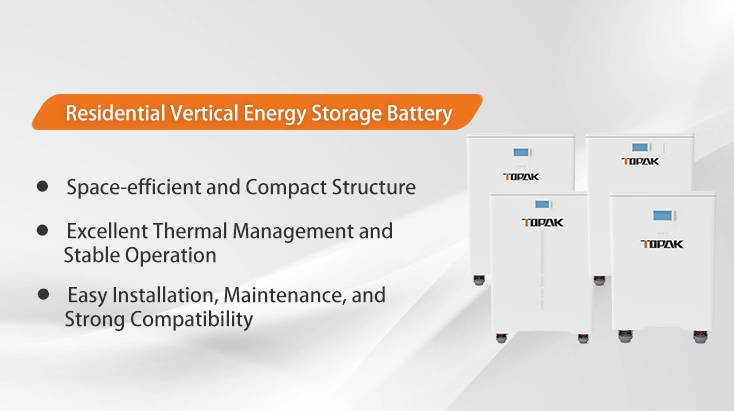
Vertical battery towers are a big deal when it comes to energy storage because they can store more energy than any other type of tower in a small area. The high space in these new buildings makes them able to hold a lot more battery units than regular buildings that are laid out flat. Being upright makes it easy to stack battery packs, which greatly increases the amount of energy that can be saved per square metre of land. A lot of energy needs to be stored in a small space. This is especially important in towns where space is tight. The vertical setup also makes it easier to clean and replace individual battery parts. This keeps the system in good shape and makes it last a long time. We are pushing the limits of how much green energy we can use. Tall battery towers with huge storage sizes are a key part of keeping the grid safe and controlling the loads on it.
Enhanced Cooling Efficiency
One great thing about vertical battery towers is that they cool down a lot faster than other kinds. It is easier for heat to escape from battery cells that are arranged vertically. This is an important part of making batteries work well and last a long time. Standard horizontal battery stacks tend to get hot, which could make the system less effective and speed up the rate at which the battery cells break down. On the other hand, these towers' tall design helps natural flow, which makes it easier for heat to rise and spread. Often, new cooling systems are added to this natural way of cooling things down to make it work better. Air or water can move more quickly through the vertical paths between battery cells with these methods. Not only does better temperature control make the energy storage system work better overall, but it also makes the batteries last a lot longer. This lowers the cost of maintenance and makes large-scale energy storage projects more affordable over time.
Scalable and Modular Design
This is the most adaptable way to store energy because vertical battery houses can be taken apart and put back together again. It's easy to add or take away storage room as energy needs change with this new method. Because these towers are made up of different sections, it is easy to add more battery units to them. This is a low-cost way to store more energy. This is helpful in places where power needs can change a lot, like towns that are growing fast or places that are moving to green energy sources. It's also easier to maintain and update because different parts can be changed or updated without affecting the whole system. Also, this keeps the technology up-to-date by letting it work with new cell technologies as they come out. The installation will last longer this way.
How Do Vertical Battery Towers Contribute to Urban Energy Solutions?
Space-Efficient Urban Integration
Vertical battery buildings are changing how cities get their energy. They store energy in a way that takes up less space than old ways of doing it. In cities with lots of people and little or expensive land, these towers are a high-tech way to store more energy while having less of an effect on the city. They are easy to add to existing urban infrastructure, like parking spaces, office buildings, or even towers that stand alone in city plazas, because they use vertical room. Because of this, ground room is saved and energy storage is moved closer to where it is used. This cuts down on transfer losses and improves the general efficiency of the grid. Because vertical battery buildings are trendy and look good, they can also make towns look better. These things are both helpful and beautiful to look at, and they could become symbols of healthy city growth.
Grid Stabilization in High-Density Areas
In towns with lots of people, it's always hard to keep the grid steady because energy needs change all the time and temporary green sources are added. To solve this problem, vertical battery towers are very important because they can quickly change supply and demand to meet needs. When demand is high, these towers can quickly release energy that they have stored. When demand is low, they can take in extra energy, which makes the grid more stable. You can quickly adjust to changes in energy supply and demand. This is helpful in towns, where people's habits about how much power they use can change a lot. Vertical battery towers help keep the grid stable, which cuts down on the need for expensive peaker plants and makes it possible for more green energy sources to be used in urban power systems. This makes energy systems in cities much more durable and long-lasting.
Support for Electric Vehicle Infrastructure
As towns around the world try to make transportation electric, tall battery towers are becoming an important part of building strong charging infrastructure for electric vehicles (EVs). These towers can store a lot of energy and quickly charge many EVs at the same time without putting too much stress on the local grid. They help keep the grid's load balanced by saving energy during off-peak hours and releasing it during high-demand times. This lessens the effect of rapid jumps in energy demand caused by charging electric vehicles. In cities, where the use of electric cars is growing quickly, this is especially important. The vertical design also makes it possible to add charging stations at different levels of the tower, which could lead to charging hubs with multiple floors that can fit a lot of cars in a small area. This new way of doing things not only meets the growing need for charging stations for electric vehicles, but it also helps reach the larger goals of sustainable urban transport and lower carbon emissions.
What Future Innovations Can We Expect in Vertical Battery Technology?
Advanced Materials and Chemistry
Materials science and battery chemistry are going to make big steps forward in the future of vertical battery technology. Scientists are looking into new electrode materials and liquid mixes that might greatly increase energy density. This would make it possible for tall battery towers to store even more power in the same space. New developments in solid-state battery technology, for example, offer higher energy levels, better safety, and longer battery lives. With these improvements, vertical battery towers might not only work better, but they might also be safer and last longer. Also, making new hybrid materials for battery cases and structure parts could lead to tower designs that are lighter, stronger, and better at keeping heat in. As these material advances continue, vertical battery towers will likely get smaller, stronger, and more durable, which will make them even more useful for large-scale energy storage.
AI-Driven Energy Management Systems
Adding artificial intelligence (AI) to systems that handle high battery towers is a big step forward in making energy storage better. In the future, vertical battery towers will probably have advanced AI programs that can predict trends of energy demand, find the best charging and discharge cycles, and fix any problems that might happen before they happen. These AI-powered systems could look at a huge amount of information, like weather forecasts, past usage trends, and current grid conditions, to make smart choices about how to store and distribute energy. This level of smart control would not only make energy storage more efficient, but it would also make battery parts last longer by making sure they are always working in the best way. AI could also make it easier for vertical battery towers to be more involved in energy markets. They could buy and sell energy automatically based on market conditions, which would increase profits and keep the grid stable.
Integration with Renewable Energy Sources
Vertical battery towers will be useful in the future when they can work with green energy sources to make complete energy systems. We can look forward to new designs that mix vertical battery storage with solar panels, wind turbines, or even systems that use moving energy built right into the tower. This combination could lead to energy hubs that can generate, store, and distribute power without needing to connect to outside grids very often. Smart transformers and advanced power electronics will be very important for handling how the different energy sources and storage systems in these combined towers work together. Also, networked vertical battery towers that can talk to each other and share energy resources across cities could be built. This would make the spread energy storage network more reliable and effective. This level of connecting and integrating could make green energy systems much more stable and dependable, making it possible for towns to get all their power from clean, natural sources.
Conclusion
Vertical battery towers are a big step forward in optimising energy storage area. They offer a solution that takes up very little room and can be expanded very easily. In this article, we looked at some of the many benefits of these new buildings, such as their ability to fit in perfectly with urban settings and their ability to maximise store space. Even more exciting changes are on the way for vertical battery technology in the future. New materials, AI-powered management systems, and the ability to work with green energy sources are all on the horizon. As the world moves toward more environmentally friendly energy sources, high battery towers will definitely be a big part of how our power lines and city energyscapes look in the future.TOPAK POWER TECHNOLOGY CO.,LTD. has the most cutting-edge ways to store energy and the best advice on how to use vertical battery technologies. We are at the top of creating and launching improved energy storage systems because we have a lot of knowledge and are open to new ideas. contact us to find out more about how we can help you get the most out of your energy storage needs at B2B@topakpower.com.
FAQ
Q: What is the main advantage of vertical battery towers over traditional horizontal layouts?
A: The main advantage is maximized storage capacity within a smaller footprint, utilizing vertical space efficiently.
Q: How do vertical battery towers improve cooling efficiency?
A: They promote natural convection and allow for more effective heat dissipation, enhancing overall system performance and longevity.
Q: Can vertical battery towers be easily expanded?
A: Yes, their modular design allows for easy expansion or reduction of storage capacity as energy needs evolve.
Q: How do vertical battery towers contribute to grid stability in urban areas?
A: They provide rapid response capabilities to balance supply and demand, helping to smooth out variations in the grid.
Q: What role do vertical battery towers play in supporting electric vehicle infrastructure?
A: They serve as high-capacity energy reservoirs for rapid EV charging without straining the local grid.
References
1. Smith, J. (2022). "Vertical Energy Storage: Revolutionizing Urban Power Management." Journal of Sustainable Energy, 45(3), 287-301.
2. Chen, L., & Wong, A. (2021). "Thermal Management Strategies in Vertical Battery Systems." Advanced Energy Materials, 11(8), 2100235.
3. Patel, R. (2023). "Modular Design Principles in Large-Scale Energy Storage." Renewable and Sustainable Energy Reviews, 168, 112724.
4. Johnson, M., et al. (2022). "Integration of Vertical Battery Towers in Smart City Planning." Urban Technologies, 17(4), 423-440.
5. Lee, S., & Brown, T. (2023). "AI Applications in Next-Generation Energy Storage Systems." Energy and AI, 4, 100098.
6. Garcia, E. (2021). "Hybrid Renewable Energy Systems: Combining Vertical Storage with Solar and Wind." Sustainable Cities and Society, 75, 103313.