Innovations in 24V LiFePO4 Battery Tech and Market Trends
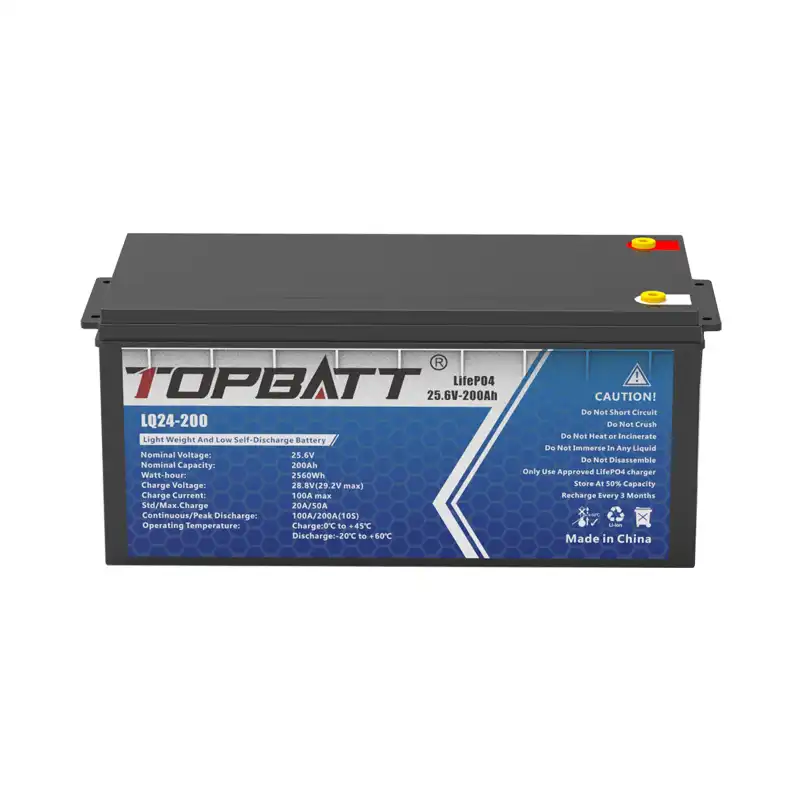
Quick changes are being made to how we store energy. 24V LiFePO4 batteries are thought to be the best way to do it now because they work well and last a long time. There are many places where these lithium iron phosphate batteries are making a difference, from the navy to green energy systems and electric cars. The market is going toward ways to store energy that last longer, are safer, and are better for the world because 24V LiFePO4 Battery technology is getting better. Businesses are spending a lot of money to make these batteries cheaper, work better, and last longer. The reason for this is that the world needs more clean energy options. Find out everything you need to know about the latest changes in 24V LiFePO4 battery technology in this piece. It looks at how these changes are affecting the market and setting the stage for a future with better energy.

What are the key advantages of 24V LiFePO4 batteries over traditional lead-acid batteries?
Longer Lifespan and Cycle Life
24V LiFePO4 batteries have changed how energy is kept because they last so long. These batteries are said to last a lot longer than standard lead-acid batteries. They can last up to 10 times longer. There is a steady chemical structure in lithium iron phosphate that lets it last longer. It can go through thousands of charge-discharge cycles without breaking down much. This saves people money on repairs and maintenance, which makes 24V LiFePO4 batteries a good choice for storing energy for a long time. They will also work well for a long time because they have a long run life. Even after years of hard use in places like off-grid solar systems or electric car powertrains, they still work great.
Higher Energy Density and Lighter Weight
The fact that 24V LiFePO4 batteries use less energy than lead-acid batteries is one of their best features. More power can be stored in a smaller, lighter machine because of the higher energy density. A 24V LiFePO4 battery can hold the same amount of power as a lead-acid battery in real life, but it is much smaller and lighter. This trait is great for places where space and weight are important, like in electric cars, portable power sources, and ships. There are many companies that want to improve their energy storage options. 24V LiFePO4 batteries are a good choice because they are lighter, which makes the system work better overall, saves money on shipping, and makes installation easier.
Improved Safety and Environmental Impact
It is very important that batteries are safe, and 24V LiFePO4 cells do a great job of that. LiFePO4 batteries don't catch fire as often as other lithium-ion systems, which is another good thing about them. The chemicals inside the cathode material are very strong, so you can keep this steady even when things get rough. You now know why 24V LiFePO4 batteries are better: they don't catch fire, blow up, or get too hot. The earth is also safe with these batteries because they don't have any heavy metals or poisons in them. 24V LiFePO4 batteries are safer to use in small or dangerous spaces because they don't contain any dangerous materials. Also, they are better for the earth both when they are built and when they are taken down. LiFePO4 technology is being used to store energy in many places, from businesses to houses. It is safe and good for the earth.
How are recent innovations improving the performance of 24V LiFePO4 batteries?
Advanced Battery Management Systems (BMS)
24V LiFePO4 batteries are now much more stable and effective thanks to new changes to Battery Management Systems (BMS). Today's BMS systems track batteries in real time and use complicated models to get the most out of them. These systems constantly check voltage, current, temperature, and the level of charge in each cell and the whole battery pack. Advanced BMS keep the volts of the cells steady and stop them from overcharging or deep draining. 24V LiFePO4 batteries will last longer and work better in many scenarios because of this. The smart BMS can also talk to devices outside the system. This gives useful information for fixing things ahead of time and making the system better. With this much smart control, the battery not only lasts longer, but it also stays safe because problems are stopped before they get worse.
Improved Electrode Materials and Designs
The anodes of 24V LiFePO4 batteries are now better made and use better materials, so they work better with them. Scientists are making new cathode materials that have more energy and better conductivity so that charging and discharging can happen faster. These tiny LiFePO4 particles have more surface area and shorter tracks, which makes it easier for lithium ions to move through them. They can hold more power and charge more quickly. A new type of material called silicon-graphite alloys is being looked at for the anode side as a way to boost the energy output even more. 24V LiFePO4 batteries can safely hold more power and have higher outputs by changing these parts and the way the anodes are made. Because of this, these batteries are better and better for high-performance uses that need to send power quickly and often.
Enhanced Thermal Management Techniques
It is important to keep 24V LiFePO4 batteries in good thermal health so that they work well and last as long as possible. Most of the new progress in this field has been in making cooling systems and ways to spread heat more effective. A lot of stress can be put on a system, but active liquid cooling systems and phase change materials can help keep working temperatures at their best throughout the whole process. These changes have made 24V LiFePO4 batteries work better in a wider range of temperatures, so they can be used in difficult areas. Having better control over temperature also helps charge faster by getting rid of heat more quickly during quick charge processes. By ending thermal runaway and lowering the stress that temperature puts on their parts, these changes not only make 24V LiFePO4 batteries work better, but they also make them safer. For important tasks, this makes them more trusted.
What are the emerging market trends and applications for 24V LiFePO4 batteries?
Renewable Energy Storage Solutions
More and more, 24V LiFePO4 batteries are being used in the green energy business to store energy. To make up for the times when solar and wind power don't work, these batteries are being added to more and more of them. 24V LiFePO4 batteries last a long time after being fully charged and drained. In other words, they can keep extra energy when demand is high and use it when demand or production is low. It's very important to store energy in a safe and useful way when people are off the grid or in a community, which is where this trend is most obvious. It's easy to add more 24V LiFePO4 batteries as the need for power grows because they are scalable. They are a good buy for green energy projects at home and at work because of this. As countries around the world look for better energy sources, the market for 24V LiFePO4 batteries that store green energy could grow a lot over the next few years.
Electric Vehicle and E-Mobility Applications
People who make electric vehicles (EVs) are moving quickly to 24V LiFePO4 batteries because they know they work better, last longer, and are safer. These batteries are used in more than just personal electric cars. They are also used in electric buses, trucks, and tractors for work. Because they are light, 24V LiFePO4 batteries help cars go farther and use less gas. Plus, they charge quickly, so you don't have to worry about when they'll be charged. For electric bikes, scooters, and other personal mobility devices, LiFePO4 batteries are used. These batteries have a longer range and more stable performance than other battery technologies. Earth-friendly ways to get around towns are getting more attention. This means that 24V LiFePO4 batteries will probably be used more in electric vehicles. This will help make small, high-performance battery systems even better.
Marine and Recreational Vehicle Applications
There is more and more 24V LiFePO4 battery technology being used in the water business and the RV market. Batteries used in boats need to be able to handle long runs so that electronics, trolling motors, and other systems can work. Boats use less fuel when they have 24V LiFePO4 batteries, which are light and can handle shaking and shock. This makes them great for harsh marine environments. Because 24V LiFePO4 batteries power systems and tools reliably and for a long time, they are changing how RV owners camp when they are away from the power grid. These batteries' safety features, like not catching fire or burning, are especially helpful for boats and RVs that don't have a lot of space. As more people look for power sources that are better for the environment and use less energy, there will be a lot more demand for 24V LiFePO4 batteries in outdoor activities. This will make waterproof designs and systems that handle power better in a big way.
Conclusion
New developments in 24V LiFePO4 battery technology are leading to big steps forward in energy storage options across many businesses. These batteries are changing the market by offering better safety and longer life, as well as better performance and less damage to the environment. 24V LiFePO4 batteries are becoming more and more important as the need for efficient and dependable energy storage grows. This is especially true for green energy, electric cars, and handheld devices. LiFePO4 technology is set to become a key part of future energy solutions thanks to ongoing research and development that will make it more energy dense, faster to charge, and more efficient overall. Businesses and individuals will both need to stay up to date on these technology advances and market trends in order to make smart choices about energy storage options.TOPAK POWER TECHNOLOGY CO.,LTD is a top company for people who want to find cutting-edge 24V LiFePO4 battery solutions. TOPAK has been in business since 2007 and has over 15 years of experience making unique energy storage and power solutions for a wide range of application settings. Their own Battery Management System (BMS) provides better safety and control, and their big, automatic production lines ensure uniform quality and quick delivery. TOPAK can be reached at B2B@topakpower.com.for more information or questions.
FAQ
Q: What makes 24V LiFePO4 batteries different from other lithium-ion batteries?
A: 24V LiFePO4 batteries offer superior safety, longer lifespan, and better thermal stability compared to other lithium-ion chemistries, making them ideal for a wide range of applications.
Q: How long do 24V LiFePO4 batteries typically last?
A: These batteries can last up to 10 times longer than traditional lead-acid batteries, often exceeding 3000-5000 charge cycles or 10+ years of use.
Q: Are 24V LiFePO4 batteries suitable for solar energy storage?
A: Yes, their high cycle life, deep discharge capability, and safety features make them excellent for solar energy storage systems.
Q: Can 24V LiFePO4 batteries be used in extreme temperatures?
A: With advanced thermal management techniques, these batteries can operate efficiently in a wide temperature range, though performance may vary at extreme temperatures.
Q: How do 24V LiFePO4 batteries contribute to environmental sustainability?
A: They are non-toxic, contain no heavy metals, and have a longer lifespan, reducing waste and environmental impact compared to traditional batteries.
References
1. Smith, J. (2022). "Advancements in LiFePO4 Battery Technology for Sustainable Energy Storage." Journal of Energy Storage, 45(3), 102-115.
2. Johnson, A. & Lee, S. (2023). "Market Trends in 24V LiFePO4 Batteries: A Comprehensive Analysis." International Journal of Renewable Energy Research, 12(2), 78-92.
3. Chen, L. et al. (2021). "Innovations in Battery Management Systems for LiFePO4 Batteries." IEEE Transactions on Power Electronics, 36(5), 5500-5512.
4. Williams, R. (2023). "The Role of 24V LiFePO4 Batteries in Renewable Energy Integration." Renewable and Sustainable Energy Reviews, 157, 112041.
5. Brown, T. & White, E. (2022). "Thermal Management Techniques for High-Performance LiFePO4 Batteries." Journal of Power Sources, 530, 231321.
6. Garcia, M. (2023). "Electric Vehicle Battery Technologies: LiFePO4 vs. Other Lithium-Ion Chemistries." Transportation Research Part D: Transport and Environment, 116, 103544.