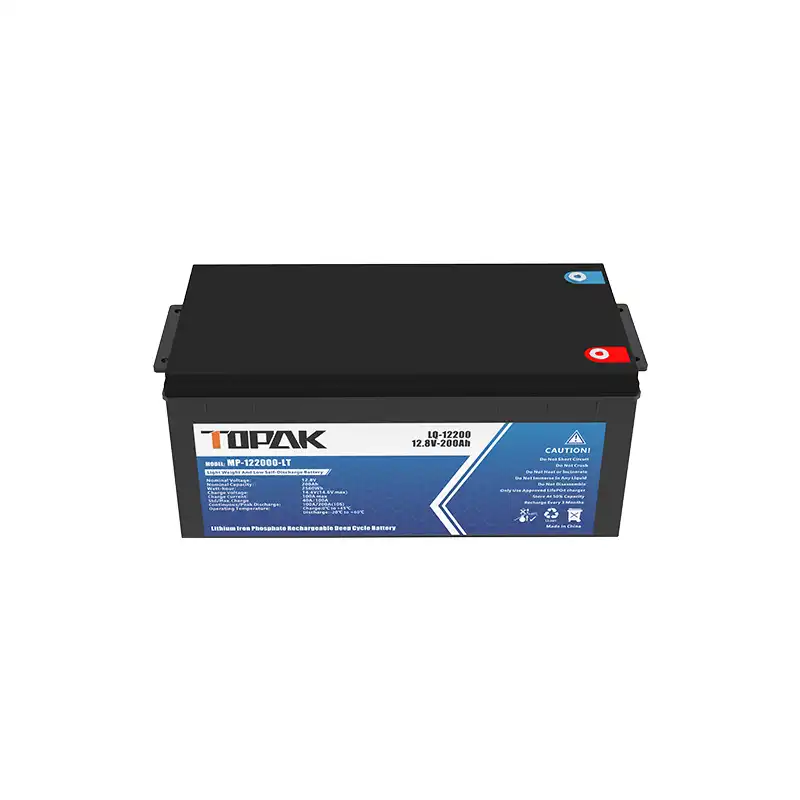
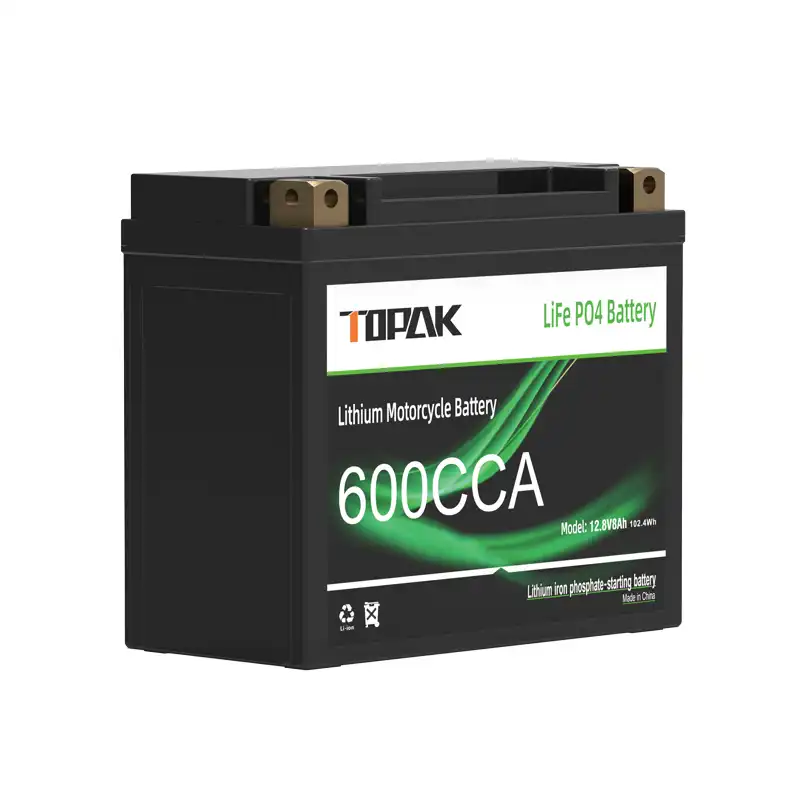
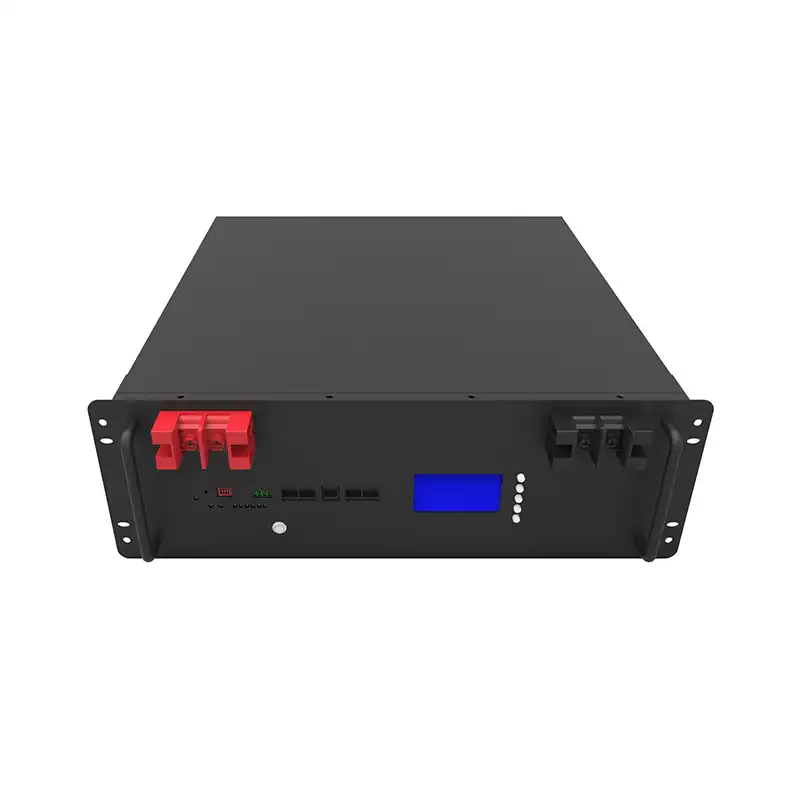
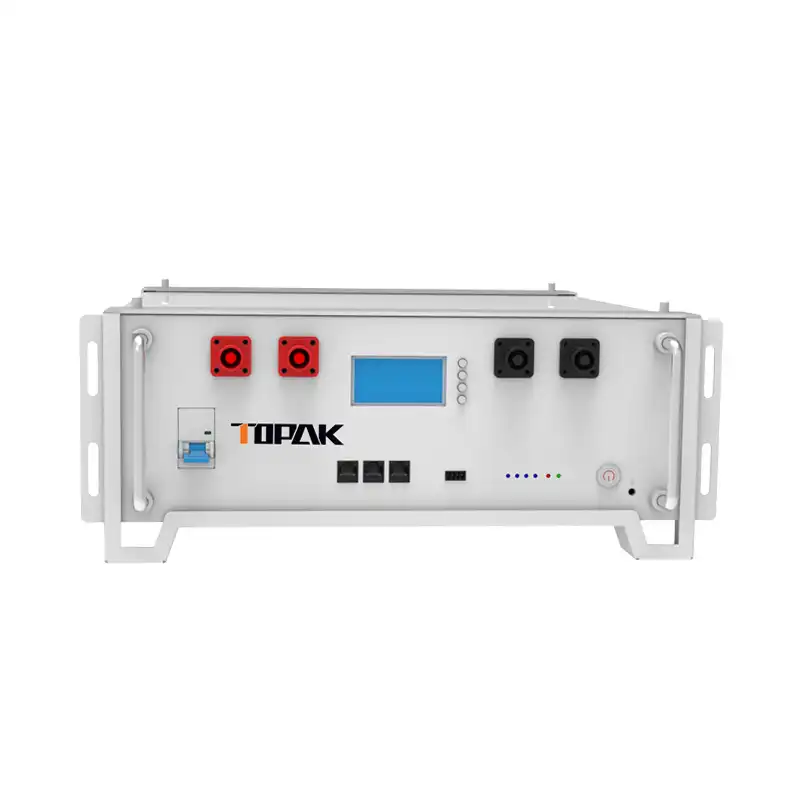
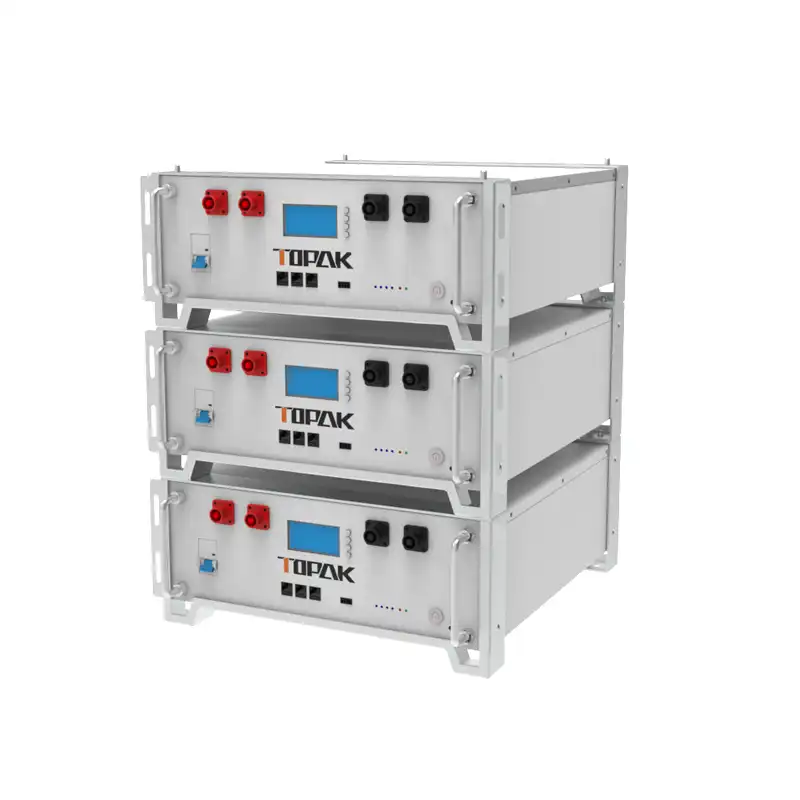
When selecting a lithium iron phosphate battery 12V 200Ah, understanding the technology's advantages over traditional lead-acid solutions becomes crucial for your investment. These LiFePO4 batteries offer superior cycle life, enhanced safety features, and exceptional energy density for industrial applications. The key considerations include capacity requirements, discharge rates, built-in BMS protection, dimensional constraints, and certification standards that match your specific application needs.

Understanding LiFePO4 Technology and Its Advantages
Lithium press phosphate chemistry speaks to a breakthrough in vitality capacity innovation. Not at all like routine battery arrangements, LiFePO4 cells convey steady voltage yield all through their release cycle. This solidness guarantees your gear gets solid control from begin to finish.The lithium press phosphate battery 12v 200ah cycle life ordinarily surpasses 6000 cycles at 80% profundity of release. This life span interprets to a long time of tried and true benefit in requesting mechanical situations. Compare this to lead-acid options that frequently require substitution after 500-800 cycles.Safety characteristics set LiFePO4 separated from other lithium chemistries. The phosphate cathode fabric stands up to warm runaway, making these batteries intrinsically more secure for encased applications. Mechanical gear producers especially esteem this solidness for AGV frameworks and indoor fabric taking care of equipment.Energy thickness changes permit for compact establishments without relinquishing capacity. A commonplacelithium iron phosphate battery 12v 200ah weight measures around 23 kilograms, altogether lighter than proportionate lead-acid arrangements weighing 60+ kilograms.
Critical Specifications That Matter for Industrial Applications
Voltage compatibility remains fundamental when supplanting existing battery frameworks. The 12.8V ostensible voltage of LiFePO4 batteries gives great compatibility with 12V DC frameworks whereas conveying more usable energy.Capacity details specifically affect runtime and execution. A 200Ah rating conveys 2560Wh of vitality capacity, adequate for amplified operation cycles in most mechanical applications. Understanding your genuine control utilization makes a difference decide whether this capacity meets operational requirements.lithium iron phosphate battery 12V 200Ah release rate capabilities impact crest control conveyance. Quality units back persistent release rates up to 200A (1C rate), empowering high-power applications like electric forklifts and UPS systems.Temperature working ranges influence execution in different situations. Industrial-grade LiFePO4 batteries work dependably over -20°C to +60°C ranges, pleasing open air establishments and climate-controlled offices alike.Physical measurements affect establishment adaptability. Standard lithium press phosphate battery 12v 200ah measurements regularly degree 522×240×218mm, in spite of the fact that custom arrangements oblige particular space constraints.
BMS Integration and Safety Features
Battery Administration Framework innovation decides operational security and life span. Progressed BMS units screen cell voltages, current stream, and temperature conditions ceaselessly. This observing anticipates harm from cheat, over-discharge, and warm events.Protection highlights inside quality BMS plans incorporate brief circuit avoidance, overcurrent cutoffs, and temperature-based charging alterations. These shields expand battery life whereas keeping up secure working conditions.Cell adjusting usefulness guarantees uniform charge conveyance over all cells. This adjusting anticipates untimely capacity misfortune and keeps up reliable execution all through the battery's benefit life.Communication capabilities in present day BMS plans empower inaccessible observing and diagnostics. This network demonstrates important for armada administration and prescient upkeep programs.The lithium iron phosphate battery 12v 200ah BMS ought to coordinated consistently with your existing charging foundation whereas giving comprehensive assurance features.
Application-Specific Considerations
Solar vitality frameworks require batteries competent of every day cycling with changing charge and release designs. LiFePO4 innovation exceeds expectations in these applications due to tall charge acknowledgment rates and negligible capacity debasement over time.Lithium press phosphate battery 12v 200ah sun powered framework integration benefits from the chemistry's resilience for fractional state-of-charge operation. Not at all like lead-acid batteries that endure from sulfation amid expanded fractional charge periods, LiFePO4 cells keep up execution in any case of charge state.Industrial gear applications request dependable beginning control and maintained vitality conveyance. Forklift operations, AGV frameworks, and fabric dealing with hardware advantage from the level release bend characteristic of LiFePO4 technology.UPS and reinforcement control frameworks require moment accessibility and long standby life. These batteries keep up preparation for expanded periods without the self-discharge issues common in other chemistries.Marine and RV applications esteem the combination of weight diminishment and space productivity. The compact profile and decreased support necessities suit portable establishments perfectly.
Charging Requirements and Compatibility
Proper charging hardware guarantees ideal execution and life span. LiFePO4 batteries require steady current/constant voltage charging profiles diverse from lead-acid protocols.lithium iron phosphate battery 12V 200Ah charger details ought to incorporate temperature stipend and communication capabilities. Keen chargers alter charging parameters based on battery temperature and state-of-charge feedback.Charging voltage necessities regularly run from 14.4V to 14.6V for LiFePO4 chemistry. This run gives total charging without overstressing the cells. Coast voltage settings ought to stay between 13.2V and 13.6V for standby applications.Fast charging capabilities depend on both battery plan and charger details. Quality LiFePO4 batteries acknowledge charge rates up to 1C (200A for a 200Ah battery) when warm administration allows.Existing charging foundation may require upgrades to oblige LiFePO4 necessities. Assess your current charger compatibility some time recently making the move from lead-acid technology.
Cost Analysis and Return on Investment
Initial venture costs for LiFePO4 innovation surpass lead-acid choices. In any case, add up to fetched of possession calculations uncover noteworthy reserve funds over the battery's operational life.Lithium press phosphate battery 12v 200ah cost components incorporate cell quality, BMS advancement, and certification levels. Mechanical applications legitimize premium estimating through improved unwavering quality and diminished support requirements.Operational fetched decreases stem from a few variables. Expanded cycle life diminishes substitution recurrence. Higher proficiency minimizes vitality squander amid charging. Decreased upkeep dispenses with customary benefit costs related with lead-acid systems.Productivity changes result from reliable execution and diminished downtime. Gear works at full capacity all through the release cycle, not at all like lead-acid frameworks that involvement voltage list as charge depletes.Environmental benefits incorporate recyclability and decreased dangerous fabric transfer. LiFePO4 chemistry contains no poisonous overwhelming metals, rearranging end-of-life processing.
Quality Standards and Certifications
International certification standards ensure safety and performance compliance across global markets. UN38.3 certification covers transportation safety requirements for lithium batteries.CE marking indicates conformity with European safety and environmental standards. This certification proves essential for equipment sold in European markets.UL listing provides additional safety validation for North American applications. Industrial equipment manufacturers often require UL-listed components for liability protection.Quality management certifications like ISO 9001 indicate consistent manufacturing processes. These standards help ensure batch-to-batch consistency in performance and reliability.Testing documentation should accompany quality batteries. This documentation includes capacity verification, cycle life testing, and safety validation results.
Maintenance and Operational Considerations
lithium iron phosphate battery 12V 200Ah maintenance requirements remain minimal compared to conventional alternatives. No watering, terminal cleaning, or equalization charging procedures are necessary.Periodic inspection involves checking connections for tightness and monitoring BMS status indicators. Most issues manifest through BMS alerts rather than gradual performance degradation.Storage considerations include maintaining moderate temperatures and avoiding prolonged full charge or complete discharge states. Storage at 40-60% state-of-charge optimizes long-term capacity retention.Performance monitoring capabilities built into quality BMS systems provide early warning of potential issues. This monitoring enables proactive maintenance rather than reactive repairs.Training requirements for maintenance staff remain minimal due to the technology's inherent simplicity and safety characteristics.
Conclusion
Selecting the rightlithium iron phosphate battery 12V 200Ah requires careful evaluation of technical specifications, application requirements, and supplier capabilities. The technology's advantages in cycle life, safety, and energy density justify the investment for most industrial applications. Quality BMS integration, proper charging infrastructure, and certified manufacturing ensure optimal performance and longevity. Working with established suppliers like TOPAK provides the technical support and global service capabilities essential for successful implementation across diverse industrial environments.
Partner With TOPAK for Your Industrial Battery Solutions
TOPAK New Energy Technology delivers proven lithium iron phosphate battery 12v 200ah solutions backed by over 15 years of manufacturing expertise. Our automated production lines ensure consistent quality while meeting demanding delivery schedules across 15+ countries worldwide.Our in-house developed BMS technology provides superior safety and compatibility compared to generic solutions. Each battery system includes comprehensive protection features tailored to your specific application requirements.Industrial equipment manufacturers, ESS integrators, and solar solution providers trust TOPAK for customizable energy storage solutions. Our engineering team collaborates closely with clients to optimize battery configurations for maximum performance and reliability.Quality certifications including UN38.3, CE, and MSDS demonstrate our commitment to international standards. These certifications streamline your product approvals while ensuring end-user safety.Whether you need standard configurations or fully customized solutions, TOPAK's global distribution network provides localized support with reliable supply chain management. contact us at B2B@topakpower.com to discuss your lithium iron phosphate battery 12v 200ah supplier requirements and discover how our solutions can enhance your operational efficiency.
References
1. Battery Technology Handbook: Lithium Iron Phosphate Systems and Industrial Applications, 3rd Edition, Power Systems Publishing, 2023
2. International Energy Storage Association Guidelines for LiFePO4 Battery Selection in Commercial Applications, IESA Technical Report 2023-15
3. Industrial Battery Management Systems: Design Principles and Safety Standards, IEEE Industrial Electronics Society, Volume 45, 2023
4. Comparative Analysis of Energy Storage Technologies for Grid-Scale Applications, Journal of Power Sources, Volume 478, September 2023
5. Safety Standards and Certification Requirements for Lithium Iron Phosphate Batteries in Industrial Equipment, UL Standards Technical Bulletin TB-2023-08
6. Life Cycle Cost Analysis of Industrial Battery Technologies: A Comprehensive Study of LiFePO4 vs Traditional Solutions, Energy Storage Research Institute, Annual Report 2023