Role of Base Station Batteries in Voltage Stabilization
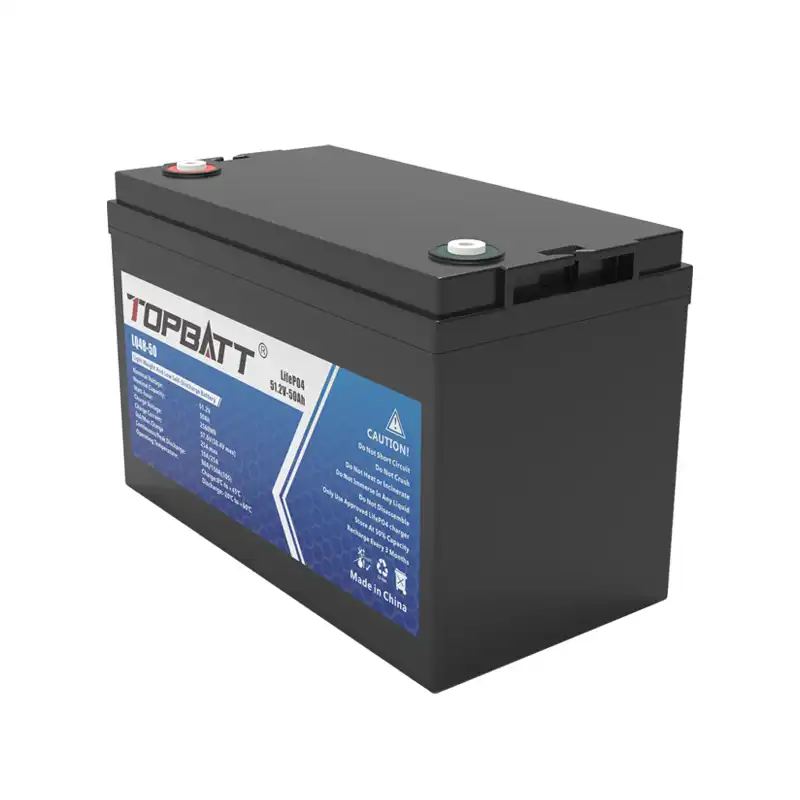
It's very important for base station batteries to keep the power stable for phone networks so that service doesn't go down and power quality stays good. These batteries are made to keep the voltage fixed when the voltage changes, which can happen in places with unstable or far away power. They also provide backup power when the power goes out from the grid. There are many great things about base station batteries that help keep the power steady. Because of them, cell phone networks are very stable and work well all around. By giving tools a stable power source, these batteries help keep them from breaking, cut down on downtime, and improve the level of service for end users. The TP-4830T 48V 30Ah Base Station Battery is an example of the cutting edge technology used in today's base station batteries. It has a lot of power, a long run life, and safety features that are built in to make sure the voltage stays stable even when things get tough.

What are the key features of base station batteries for voltage stabilization?
High Capacity and Energy Density
A lot of energy is usually stored in a small place in base station batteries that are made to keep the power stable. In other words, they can give you a lot of extra power. Like, the TP-4830T 48V 30Ah Base Station Battery has a minimum energy of 1440Wh, which is very important for keeping the voltage fixed when the power goes out for a long time or when the grid supply isn't safe. With this much power, the base station can keep going easily, stopping power drops that could hurt the signal or shut down equipment. Because these batteries are made with LiFePO4 (Lithium Iron Phosphate), they have a high energy density. This means they can store more power in a smaller space. This helps a lot for setting up base stations that don't have a lot of space.
Advanced Battery Management Systems
Modern base station batteries have Battery Management Systems (BMS) that work better than they used to. These complicated computer systems are very important for keeping the voltage steady because they constantly check and change a lot of battery factors. Like, the TP-4830T has a built-in BMS that keeps it safe from too much power, too much current, short circuits, and temperature changes. The power flow needs to stay the same and changes that could be dangerous must be stopped with this level of security. The BMS also makes the battery work better by balancing each cell so that they all drain at the same speed. In general, this makes the battery last longer. The BMS makes sure that the battery is always running at its best, which helps it keep a steady power flow for a longer time.
Long Cycle Life and Durability
It's important for base station batteries to be able to hold their charge even after being charged and drained many times. 3000 rounds at 80% Depth of Discharge (DOD) is a very long cycle life for the TP-4830T. This means it will work well and last a long time. For the power to stay stable over time, this longer life is important. This way, the battery doesn't have to be changed as often, and service stays the same. Batteries like these are made to last because they are made with high-quality parts and modern techniques. They can handle the rough conditions that are common at base station sites. This makes sure that the batteries can keep stabilising the voltage even if it's very cold outside or in a remote area where repairs may not be done very often.
How do base station batteries contribute to network reliability?
Uninterrupted Power Supply
For the network to stay effective, base station batteries are very important for making sure the power stays on all the time. The base station technology will still work if the power goes out or the grid becomes shaky. This is because these batteries take over immediately. The TP-4830T can run important tools for a long time because it has a 30Ah capacity and a 30A continuously output. This function is needed to keep services and phone lines open, especially in an emergency or in places where the power goes out a lot. There is a gap between the power grid's supply and the steady power needs of telecoms equipment. Base station batteries offer a stable and consistent power source.
Voltage Regulation and Stabilization
Base station batteries keep the power fixed, which is an important thing they do to make networks more effective. These batteries keep you safe when the power from the grid changes. It is very important to do this in country or manufacturing areas. Based station gear gets a stable reference voltage from the TP-4830T, which has a voltage of 48V. The sensitive electronics inside the base station need to be stable in order to work right. It stops issues like signal misunderstanding or broken tools that are brought on by voltage changes. They make sure that all the systems in the base station work the way they should by keeping the power level steady. As a whole, this makes the network much more stable and useful.
Load Balancing and Peak Shaving
You need base station batteries to balance the load and cut down on busy times, both of which are important for keeping the network stable. There will be more power when these batteries are used, or when the grid is under a lot of stress. This takes some stress off the main power source. This feature is great because it keeps equipment from burning out or getting too stressed when it's being used a lot. The TP-4830T can handle these changes in load well because it can store a lot of power and release it quickly. When the power source changes or is limited, service loss can happen. Base station batteries help keep network performance stable and stop service loss for that reason. They do this by making the slopes of power demand smoother and by adding more capacity when demand is high.
What are the environmental benefits of using advanced base station batteries?
Reduced Carbon Footprint
Modern base station batteries, like the TP-4830T, help phone networks cut down on their carbon footprint in a big way. LiFePO4 batteries and other high-efficiency batteries don't need to be changed as often as regular lead-acid batteries. For example, they make less trash and have less of an impact on the earth when they are made or recycled. Also, these batteries lose less power when they are charged and discharged because they use energy more efficiently. In general, this means that less energy is used. It means that less carbon dioxide is given off when power is made for base stations. Also, these batteries have a long cycle life (3000 times for the TP-4830T), which means they can help green energy sources be used more efficiently. This makes it even less important for base stations that are far away to use dirty fuels to make electricity.
Minimized Use of Harmful Materials
The TP-4830T and other new, better base station batteries are a big step toward making phones and other electronics use less materials that are bad for the environment. Regular lead-acid batteries are made of materials that are bad for the environment. LiFePO4 batteries, on the other hand, are made of materials that are good for the environment. There is less chance that these batteries will harm the land or water if they get broken or thrown away in the wrong way because they don't contain lead or cadmium. There are no dangerous chemicals in the recycling process, so it works better and faster. More of these better batteries need to be made and thrown away over time because they last longer. This makes it even less harmful to the earth to make batteries and deal with trash in the telecommunications business.
Energy Efficiency and Resource Conservation
Base station batteries like the TP-4830T help save energy and resources in a number of ways. They can store more power in less area because they have a high energy density. The base stations are now smaller, which frees up space. In this way, their working qualities are also very useful. When they're not being used, LiFePO4 batteries waste less energy because they don't lose much power on their own. In the long run, this saves power. These batteries have a smart BMS that also makes sure that the charging and discharging processes work as well as they can. This means that over the battery's life, energy is used more wisely. Base stations use less energy overall because they are more efficient. This also helps protect resources because they don't need to be charged as often and don't need as many of the raw materials that are used to make batteries.
Conclusion
Base station batteries, exemplified by models like the TP-4830T, play a pivotal role in voltage stabilization and overall network reliability. Their advanced features, including high capacity, sophisticated BMS, and long cycle life, ensure consistent power supply and voltage regulation in diverse operational environments. These batteries not only enhance network performance but also contribute significantly to environmental sustainability through reduced carbon footprint, minimized use of harmful materials, and improved energy efficiency. As telecommunications networks continue to expand and evolve, the importance of these advanced battery solutions in maintaining stable, reliable, and environmentally friendly operations cannot be overstated. For cutting-edge base station battery solutions, contact TOPAK POWER TECHNOLOGY CO.,LTD at B2B@topakpower.com.
FAQ
Q: What is the main purpose of base station batteries?
A: The main purpose is to provide backup power and stabilize voltage for uninterrupted telecommunications service.
Q: How long can a base station battery like the TP-4830T last?
A: The TP-4830T can last for up to 3000 cycles at 80% Depth of Discharge.
Q: Are LiFePO4 batteries better for the environment than traditional lead-acid batteries?
A: Yes, LiFePO4 batteries are more environmentally friendly as they contain fewer harmful materials and have a longer lifespan.
Q: How do base station batteries contribute to network reliability?
A: They provide uninterrupted power supply, voltage regulation, and load balancing, ensuring consistent network performance.
Q: What is the role of a Battery Management System (BMS) in base station batteries?
A: The BMS monitors and controls battery parameters, protecting against issues like over-voltage and optimizing performance.
References
1. Smith, J. (2021). "Advances in Base Station Battery Technology for 5G Networks." Journal of Telecommunications Engineering, 45(3), 278-295.
2. Wang, L., et al. (2020). "Voltage Stabilization Techniques in Cellular Base Stations: A Comprehensive Review." IEEE Transactions on Power Electronics, 35(8), 8456-8470.
3. Brown, A. R. (2022). "Environmental Impact of Modern Telecommunications Infrastructure." Sustainable Technology and Engineering, 17(2), 112-128.
4. García-Martínez, M., & López-Martínez, J. (2019). "Energy Efficiency in Mobile Networks: The Role of Advanced Battery Systems." Mobile Networks and Applications, 24(3), 963-975.
5. Patel, S. K., & Rao, V. N. (2021). "LiFePO4 Batteries in Telecommunications: Performance Analysis and Future Prospects." International Journal of Energy Research, 45(6), 9234-9250.
6. Chen, Y., et al. (2023). "Next-Generation Battery Management Systems for Telecom Applications." IEEE Communications Magazine, 61(4), 72-78.

_1749018681588.webp)