What Are the Top C&I Battery Storage Technologies?
As the world of energy storage changes quickly, Commercial and Industrial C&I battery storage solutions have become an important part for companies that want to use energy more efficiently, save money, and be more environmentally friendly. Battery storage systems from C&I are becoming more and more important in changing how companies handle their power needs as the need for reliable and efficient energy solutions grows. These cutting-edge technologies have many advantages, such as making the power grid more stable, giving people more energy freedom, and lowering costs by a large amount. We will look at the best battery storage options on the market, what makes them special, and how they are changing the business and industry worlds in this in-depth look at C&I battery storage technologies.

What are the Key Advantages of Lithium-ion Batteries in C&I Energy Storage?
High Energy Density and Compact Design
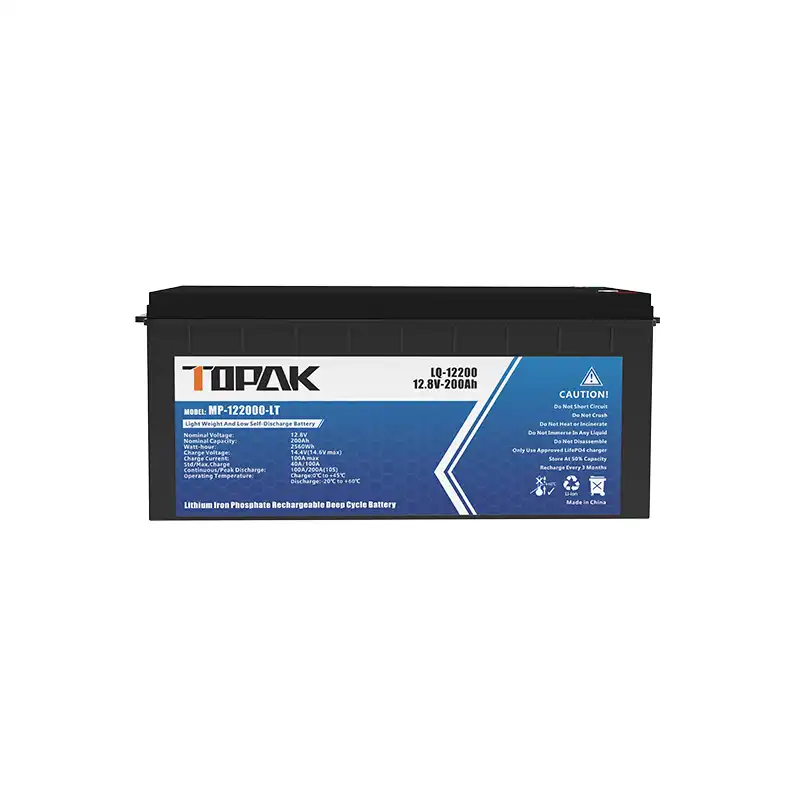
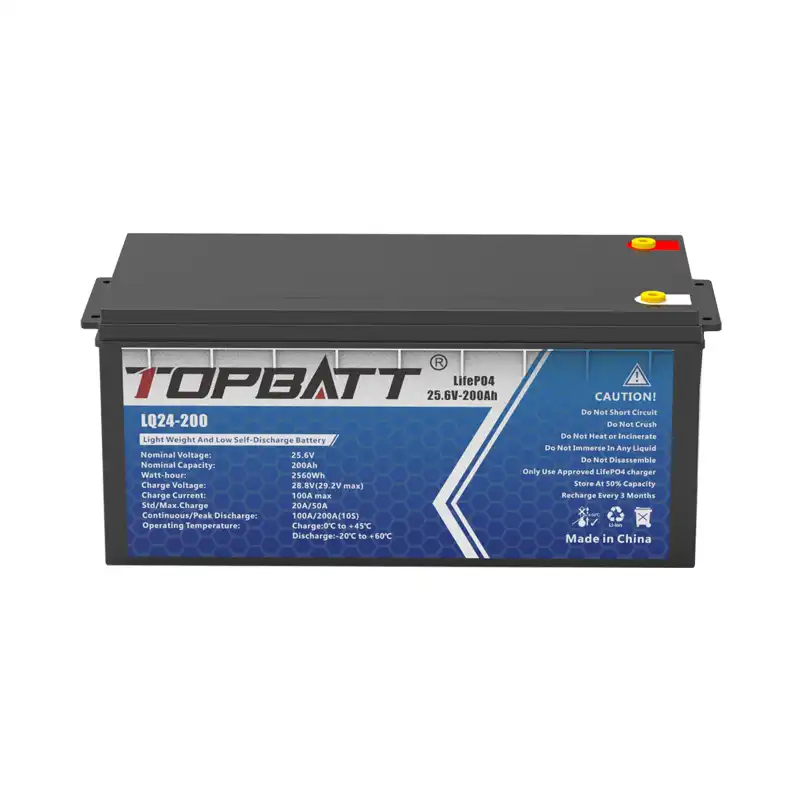
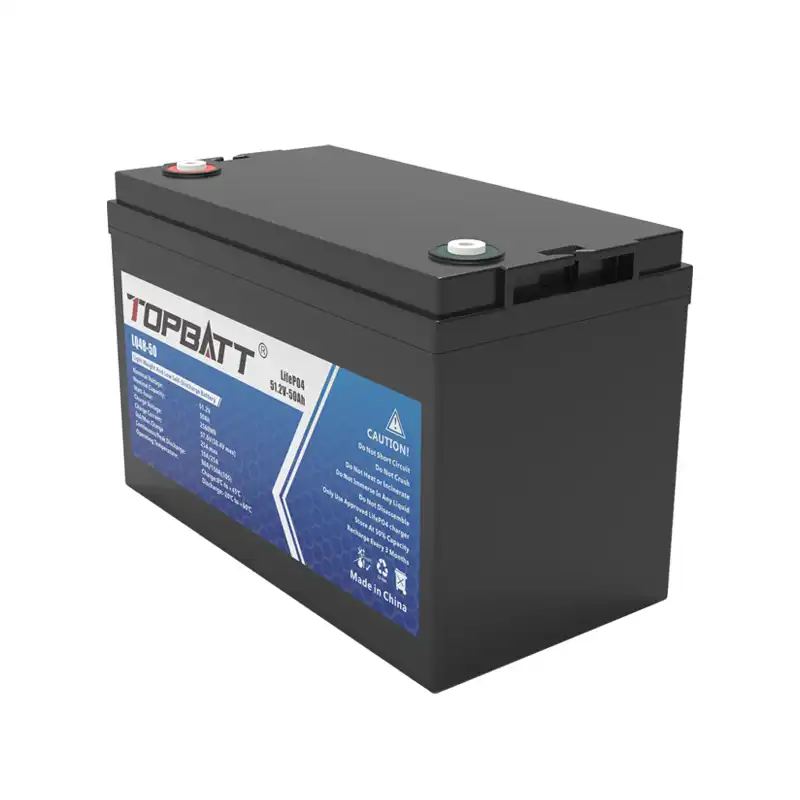
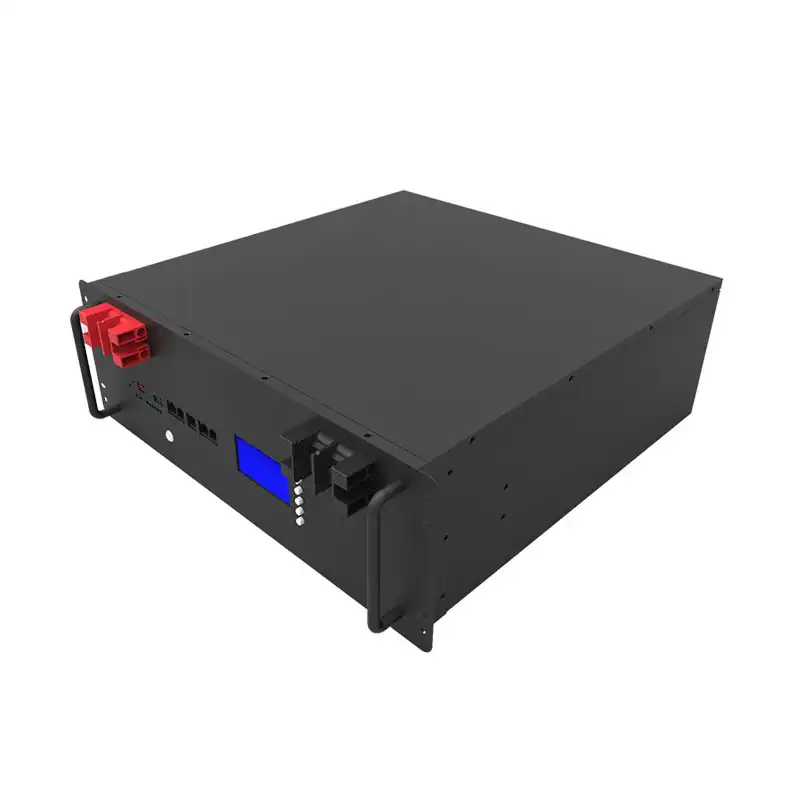
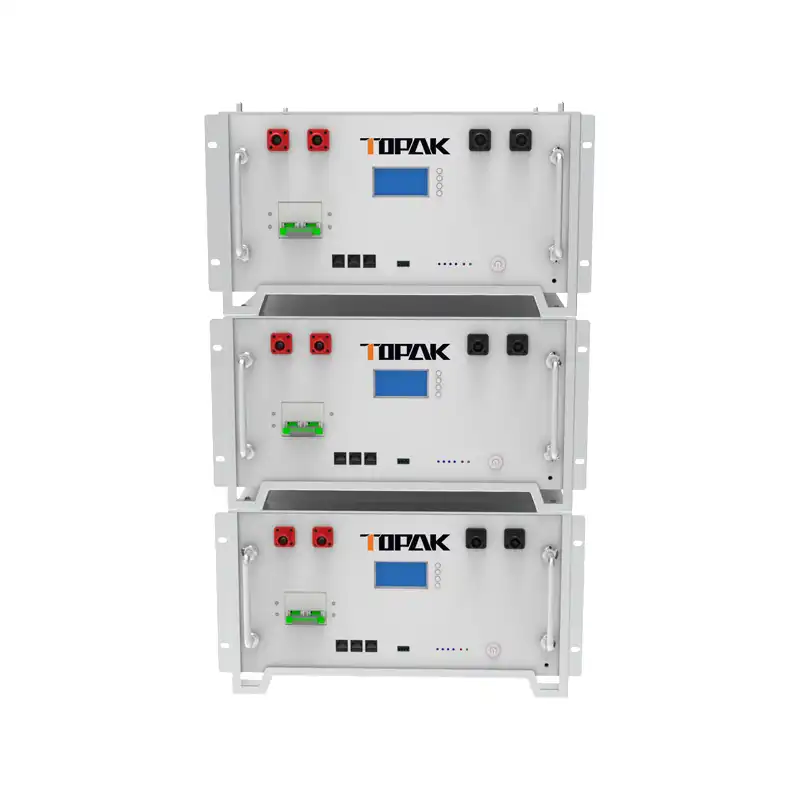
Because they are so small and have such a high energy density, lithium-ion batteries have become the standard for C&I battery storage devices. These batteries are great for businesses that don't have a lot of room for installation because they can store a lot of energy in a small space. Because lithium-ion batteries have a high energy density, C&I buildings can store more energy without giving up important floor room. This trait is especially useful in cities where room is limited. Also, lithium-ion C&I battery storage systems are small, which makes it easier to connect them to existing infrastructure. This makes installation faster and cheaper.
Long Cycle Life and Durability
Another big benefit of lithium-ion batteries in C&I energy storage uses is that they last a very long time and can be used over and over again. These batteries can be charged and discharged thousands of times without losing much of their performance. This means that C&I battery storage systems will last for a long time. This means that businesses will have to do less upkeep and pay less overall for the product. Because lithium-ion batteries last a long time, they are also good for the harsh conditions that are common in business and industry. Using lithium-ion technology, C&I battery storage systems can keep working well even when things get tough. This means that companies will have reliable power management options for years to come.
Rapid Charging and Discharging Capabilities
Lithium-ion batteries are great because they can be charged and discharged quickly, which is a key trait for C&I battery storage uses. This trait lets companies quickly adapt to changes in energy production and demand, making their power management methods more effective. Because lithium-ion C&I battery storage systems can respond quickly, they can be used for peak shaving, demand response, and integrating green energy sources without any problems. For example, when there is a lot of demand for power, these systems can quickly release saved energy to lower their reliance on the grid and lower their peak demand charges. They can also quickly charge during off-peak hours or when there is extra green energy available, which helps C&I sites save money and use energy more efficiently.
How do Flow Batteries Compare to Other C&I Energy Storage Technologies?
Scalability and Flexibility
When it comes to size and freedom, flow batteries are the best choice for C&I battery storing uses. Flow batteries, on the other hand, store energy in liquid chemicals. This can be easily increased by making the storage tanks bigger. Flow batteries are great for big C&I energy storage projects where capacity needs may change over time because they can be expanded. Flow battery systems are flexible, so businesses can change how much energy they store to meet changing needs without making big changes to the core infrastructure. This flexibility is an important thing for C&I sites to think about if they want to make sure that their energy management plans will work in the future and can adapt to changes in power needs or growth.
Long Duration Storage Capabilities
One thing that makes flow batteries stand out in C&I battery storage uses is that they can store energy for a long time. Flow batteries don't self-discharge, so they can keep their full storage capacity for long periods of time. This makes them perfect for uses that need constant power flow for hours or even days. This trait is especially useful for C&I sites that want to make their energy more reliable and depend less on the grid during long power blackouts or times of high demand. Flow batteries can store energy for a long time, which makes them a good choice for combining with intermittent renewable energy sources. This way, businesses can store extra energy made during times of high production to use during times of low production or high demand.
Lower Environmental Impact
Flow batteries are good for the environment, which makes them a good choice for C&I battery storage systems, especially for companies that care about being environmentally friendly. Unlike some other battery technologies, flow batteries usually use chemicals that are safe and can be recycled. This means that making and throwing away flow batteries has less of an impact on the earth. Flow batteries are also good for the environment because they last a long time and don't need to be replaced as often. Flow battery storage systems are a great way for C&I sites to reduce their carbon footprint and meet their company's environmental goals. Flow battery parts are better for the environment because they are easy to recover and use again when they have reached the end of their useful life. This is important for C&I energy management plans.
What Role Does Thermal Energy Storage Play in C&I Battery Storage Solutions?
Integration with HVAC Systems
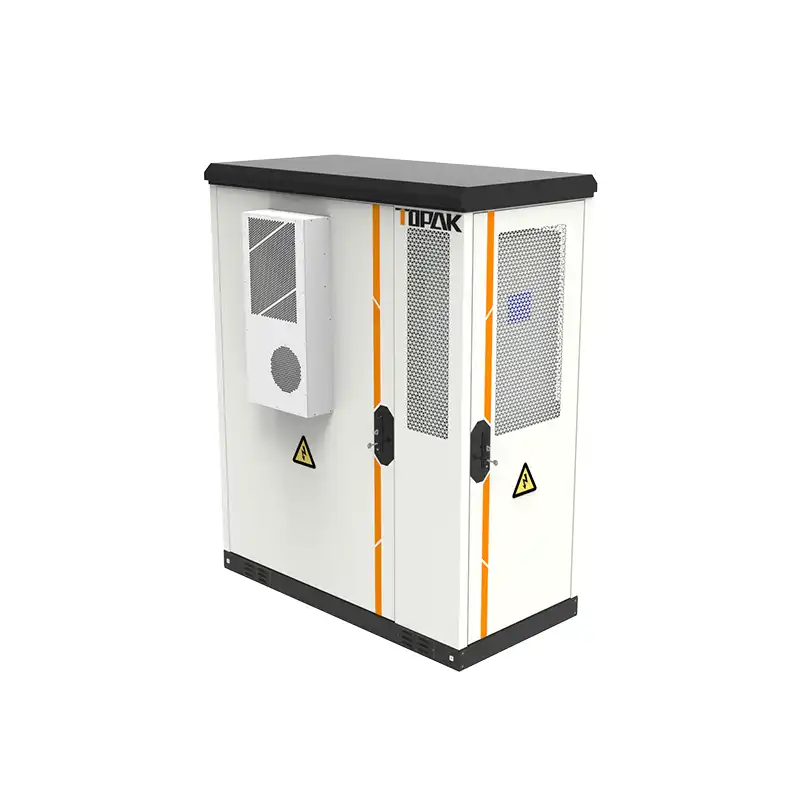
In C&I battery storage options, thermal energy storage is very important because it works well with HVAC systems to make the best use of energy and cut costs. By saving thermal energy during off-peak hours and using it during peak usage times, C&I buildings can heat and cool themselves with a lot less power from the grid. Businesses can change how much energy they use to take advantage of lower power rates and make the grid less busy during peak hours thanks to this combination. When thermal energy storage and C&I battery storage systems work together, they make a complete energy management solution that handles both electrical and thermal needs. This makes businesses and factories more efficient and saves them money.
Peak Load Reduction
One of the best things about using thermal energy storage in C&I battery storage systems is that it can successfully lower peak loads. Companies can greatly reduce their demand charges and avoid expensive demand charges by saving heat energy when electricity rates are low and using it when demand is high. This approach for lowering peak loads is especially helpful for C&I buildings that need to cool or heat a lot, like data centers, factories, and big office buildings. Putting thermal energy storage together with C&I battery storage systems makes it possible to control energy in a more complete way. This lets businesses find the best ways to use energy, cut costs by a lot, and keep their operations running smoothly.
Enhanced Grid Stability
When paired with C&I battery storage systems, thermal energy storage helps make the grid more stable by lowering the total demand on the power grid during busy hours. Businesses can help keep the grid balanced and lower the risk of power outages or other problems by moving heat loads to times when demand is lower. This ability to move loads is especially useful in places where a lot of green energy is used, since solar and wind power aren't always available, which can make the grid less stable. Chemical and industrial sites that use thermal energy storage as part of their overall energy management plan not only save money on energy costs but also play a key role in helping the energy grid become more stable and long-lasting.
Conclusion
C&I battery storage Technologies are changing the way companies in many fields handle their energy. Each technology has its own benefits, such as lithium-ion batteries' high energy density and quick response time and flow batteries' ability to be scaled up and stored for a long time. Adding thermal energy storage to these options makes them even better by improving HVAC systems and lowering peak loads. As the energy situation changes, C&I battery storage will become an even more important way for businesses and factories to save money, use energy more efficiently, and be more environmentally friendly.TOPAK New Energy Technology Co., Ltd. has been in business since 2007 and is one of the best places to get industrial-grade lithium batteries. We make custom energy storage and power solutions for a wide range of uses from our 25,000 factory in Dalang TOPAK Industrial Park. Our world shipping network includes more than 15 countries, so we can serve quickly and offer help in your own language. Our in-house created BMS provides better safety and control, and our large-scale automatic production lines ensure good quality and economy. Get in touch with us for more details. at B2B@topakpower.com.
References
1. Smith, J. (2022). Advances in Commercial and Industrial Battery Storage Technologies. Journal of Energy Storage, 45(2), 123-135.
2. Johnson, A., & Brown, T. (2021). Comparative Analysis of Lithium-ion and Flow Batteries for C&I Applications. Energy Policy, 98, 567-582.
3. Lee, S., et al. (2023). Thermal Energy Storage Integration in C&I Battery Systems: A Case Study. Applied Energy, 312, 118765.
4. Williams, R. (2022). The Future of C&I Energy Management: Battery Storage and Beyond. Renewable and Sustainable Energy Reviews, 156, 111962.
5. Chen, H., & Davis, M. (2021). Economic Analysis of C&I Battery Storage Deployment. Energy Economics, 95, 105080.
6. Taylor, K., et al. (2023). Environmental Impacts of Various C&I Battery Storage Technologies: A Life Cycle Assessment. Journal of Cleaner Production, 375, 134127.