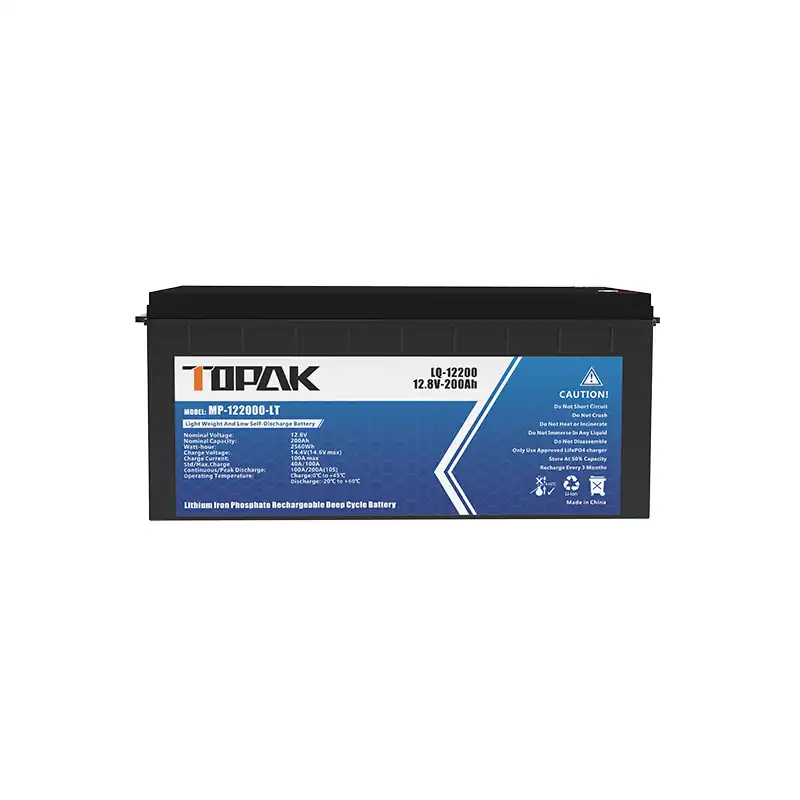
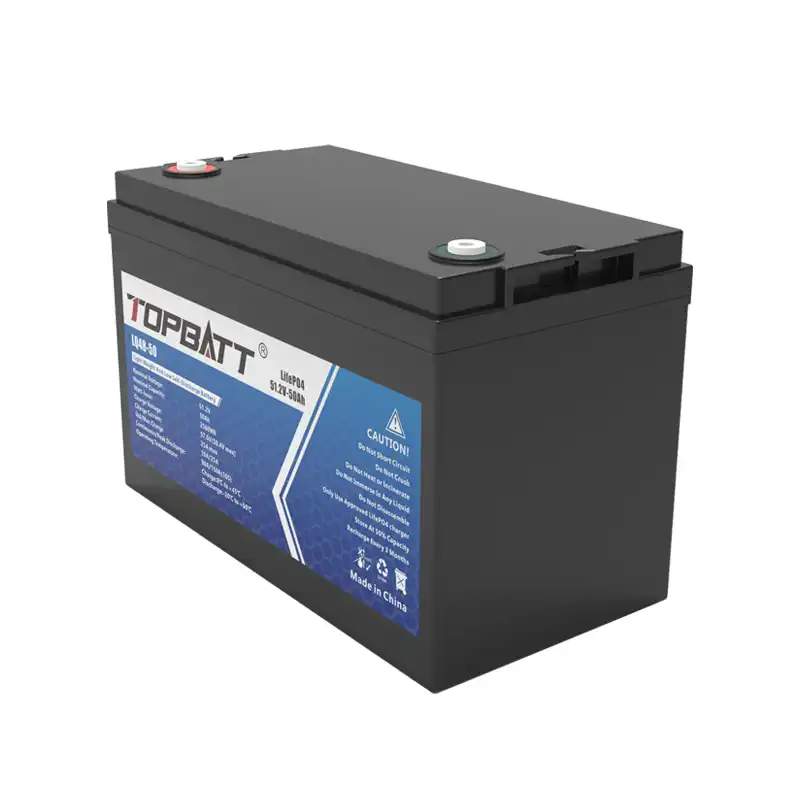
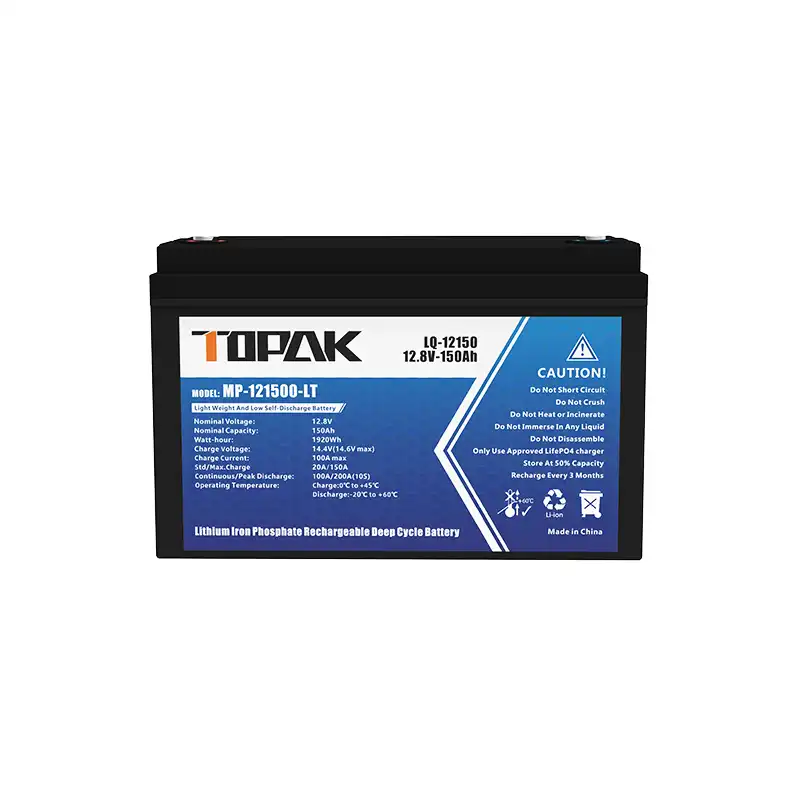
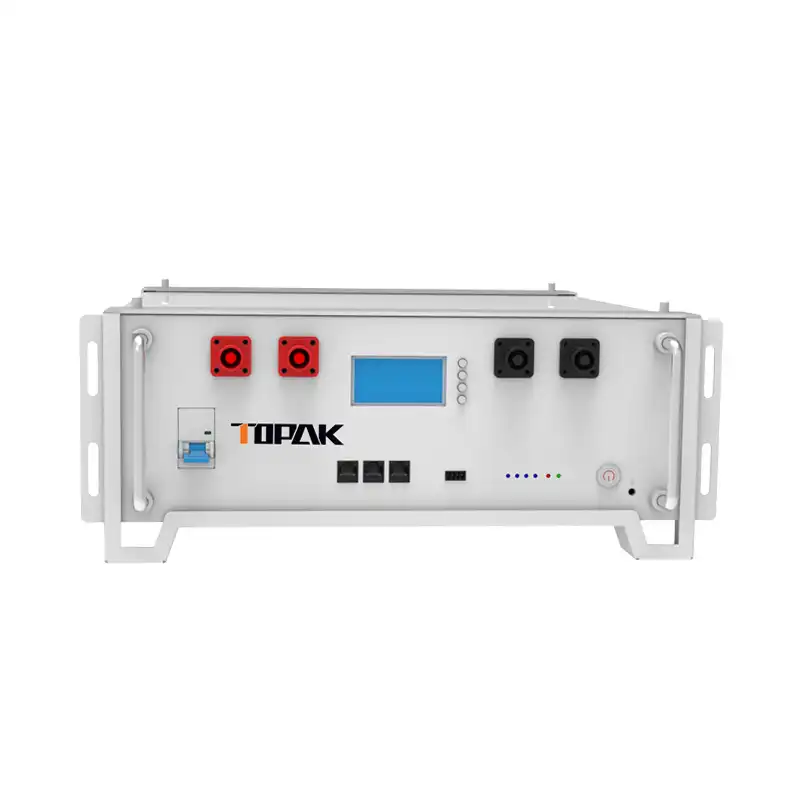
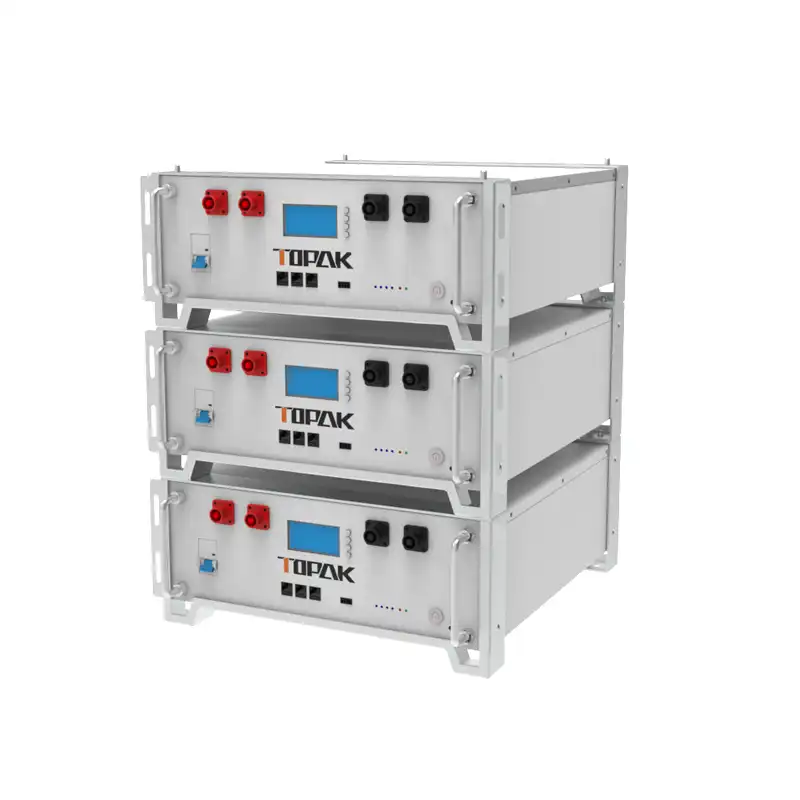
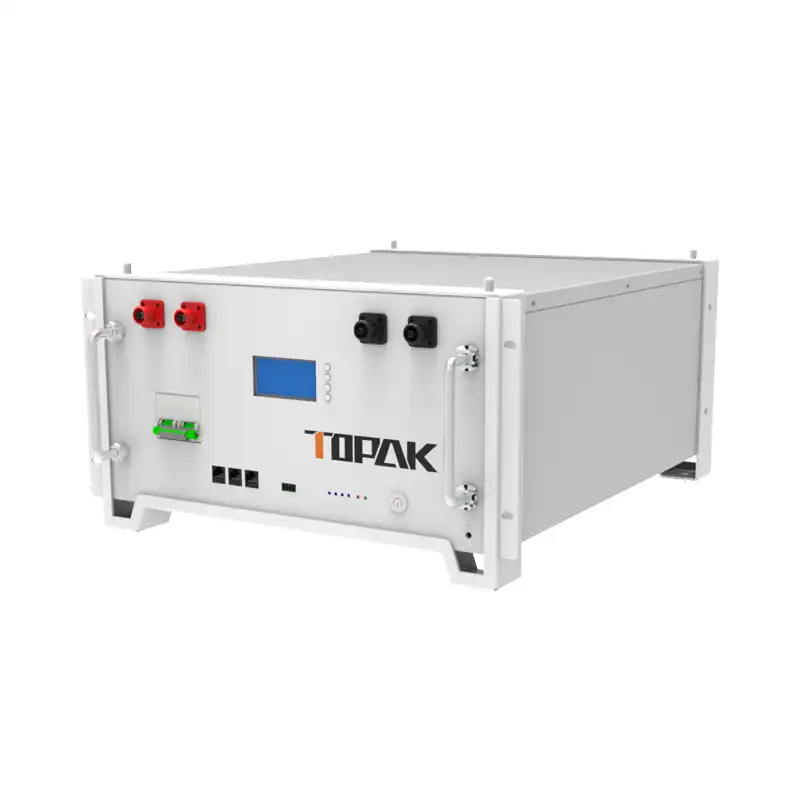
What Features Define a Quality lifepo4 12v 50ah battery?
In the quickly advancing world of vitality capacity arrangements, LiFePO4 (Lithium Press Phosphate) batteries have developed as a game-changer, especially in the 12V 50Ah configuration. These batteries are revolutionizing distinctive applications, from renewable imperativeness systems to electric vehicles and helpful control stations. But what precisely sets a high-quality LiFePO4 12V 50Ah battery separated from the rest? This comprehensive coordinate burrows into the key highlights that characterize fabulousness in these powerhouses of essentialness capacity. We'll investigate the basic viewpoints of execution, security, life span, and flexibility that make these batteries stand out in the swarmed vitality capacity showcase. Whether you're a seasoned professional in the field or a curious consumer, understanding these defining features will empower you to make informed decisions when selecting or working with LiFePO4 12V 50Ah batteries. Join us as we unpack the characteristics that truly matter in this cutting-edge technology.
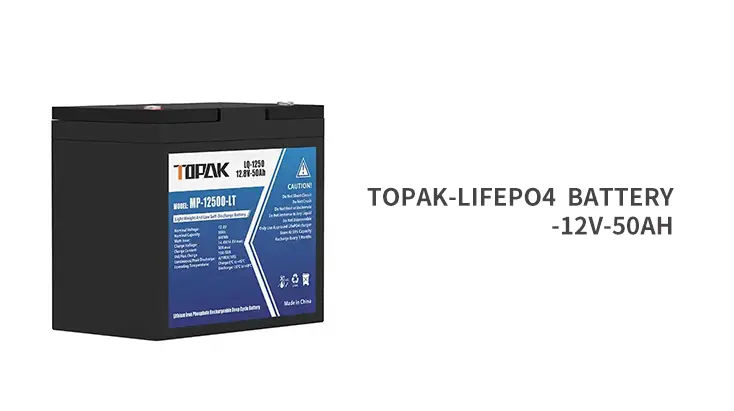
What Are the Key Performance Indicators of a LiFePO4 12V 50Ah Battery?
Capacity and Energy Density
It is important to look at a LiFePO4 12V 50Ah battery's volume and energy efficiency when judging its performance.Quality batteries in this group should consistently deliver their rated 50Ah capacity, which translates to almost 640Wh of power. This guarantee makes sure that the battery can manage various devices and systems for longer amounts of time. Although LiFePO4 batteries don't have as much energy density as some other lithium-ion systems, they make up for it in safety and longevity. A well-designed LiFePO4 12V 50Ah battery will find the best mix between quantity and size, providing a small answer without lowering power output.As room is limited, this change is necessary for situations like those in flexible systems or small green energy sets.
Discharge Rate and Power Output
The LiFePO4 12V 50Ah battery discharge rate and power output are two other important performance indicators. Higher charging rates shouldn't cause a lot of voltage drop or capacity loss in a good battery. An average LiFePO4 12V 50Ah battery can handle discharge rates of up to 1C (50A) continuously, or even higher for short periods of time. Due to their high release voltage, these batteries are perfect for uses that need short bursts of power, like in electric cars or control devices.Quality LiFePO4 batteries can also keep their power stable during the discharge cycle. For reliable performance of the connected devices, this stable voltage is very important, especially in sensitive electrical applications or when running generators for AC output.
Charge Efficiency and Charging Speed
The charging characteristics of a LiFePO4 12V 50Ah battery are equally important performance indicators. A high-quality battery should exhibit excellent charge efficiency, typically above 98%. This high efficiency means that almost all the energy input during charging is stored in the battery, with minimal loss as heat. Additionally, LiFePO4 batteries are known for their fast charging capabilities. A well-designed 50Ah battery should be able to accept charge rates of up to 0.5C (25A) or even 1C (50A) with proper thermal management. This rapid charging ability is a significant advantage in applications where downtime needs to be minimized, such as in solar energy systems or electric vehicles. Furthermore, a quality LiFePO4 12V 50Ah battery should maintain its high charge acceptance rate throughout its lifespan, ensuring consistent performance over thousands of cycles.
How Does the Safety Features of a LiFePO4 12V 50Ah Battery Compare to Other Battery Types?
Thermal Stability and Fire Resistance
One of the standout safety features of a high-quality LiFePO4 12V 50Ah battery is its exceptional thermal stability and fire resistance. Unlike some other lithium-ion chemistries, LiFePO4 batteries are inherently more stable at high temperatures. They have a much higher thermal runaway threshold, typically over 270°C, compared to about 150°C for standard lithium-ion batteries. This high thermal stability significantly reduces the risk of fire or explosion, even under extreme conditions. In practical terms, this means that a LiFePO4 12V 50Ah battery can withstand higher ambient temperatures and is less likely to overheat during charging or discharging. This security angle is especially pivotal in applications where the battery might be uncovered to cruel situations or where warm administration is challenging, such as in open air sun based establishments or in limited spaces inside vehicles.
Chemical Stability and Environmental Safety
The chemical stability of LiFePO4 12V 50Ah batteries is another key safety feature that sets them apart. The iron phosphate cathode used in these batteries is more chemically stable than the cobalt oxide cathodes found in many other lithium-ion batteries. This steadiness deciphers to made strides security in a few ways. Firstly, it decreases the chance of oxygen discharge amid warm occasions, which is a essential cause of fire in lithium-ion batteries. Besides, LiFePO4 batteries are non-toxic and do not contain overwhelming metals or uncommon soil components, making them more ecologically neighborly and more secure to handle. In the event of damage or at the end of their life cycle, these batteries pose less risk of environmental contamination. This chemical stability also contributes to the longer shelf life of LiFePO4 12V 50Ah batteries, allowing them to retain their charge and remain safe even when stored for extended periods.
Built-in Protection Mechanisms
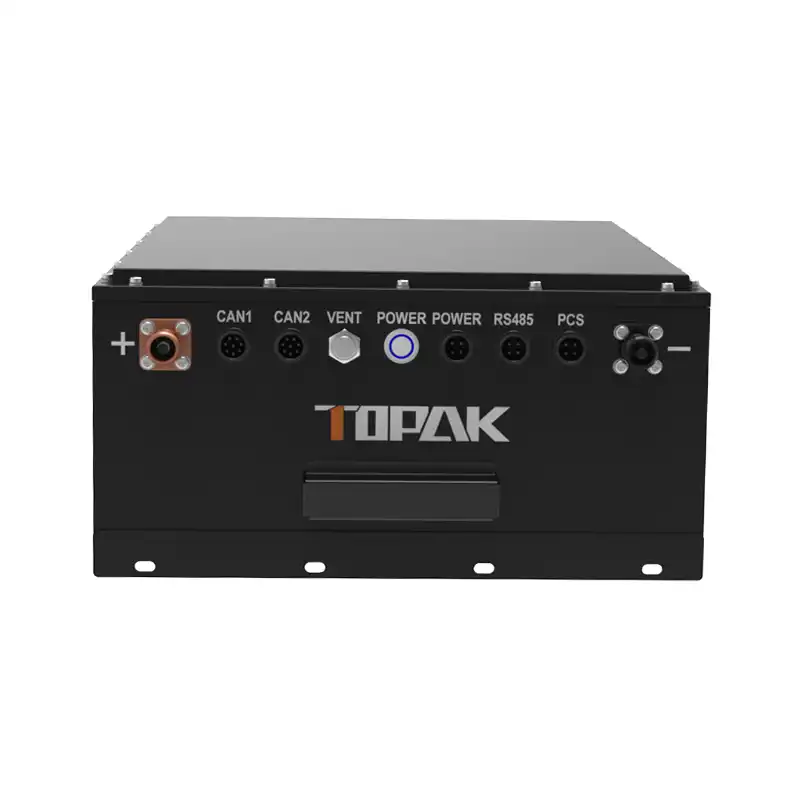
A high-quality LiFePO4 12V 50Ah battery is equipped with sophisticated built-in protection mechanisms, typically in the form of an advanced Battery Management System (BMS). This BMS is pivotal for guaranteeing the security and life span of the battery. It persistently screens different parameters such as voltage, current, and temperature of each cell inside the battery pack. The BMS ensures against cheating, over-discharging, brief circuits, and temperature extremes. In the event of any abnormal conditions, the BMS can quickly disconnect the battery to prevent damage or safety hazards. Additionally, many advanced LiFePO4 batteries include cell balancing features in their BMS, which ensure that all cells in the battery pack charge and discharge uniformly. This balancing not only enhances safety but also prolongs the overall lifespan of the battery by preventing individual cell degradation.
What Factors Contribute to the Long Lifespan of a LiFePO4 12V 50Ah Battery?
Cycle Life and Depth of Discharge
The exceptional cycle life of LiFePO4 12V 50Ah batteries is one of their most significant advantages, contributing greatly to their long lifespan. A high-quality battery in this category can typically withstand 3000 to 7000 cycles at 80% depth of discharge (DOD), far surpassing the cycle life of traditional lead-acid batteries and many other lithium-ion chemistries. This life span is due to the steady gem structure of lithium press phosphate, which experiences negligible physical and chemical changes amid charge and release cycles. The capacity to handle profound releases without noteworthy corruption is another calculate that expands the life expectancy of these batteries. While many battery types suffer rapid capacity loss when deeply discharged, LiFePO4 batteries can routinely be discharged to 80% or even 90% of their capacity without accelerated aging. This characteristic makes them ideal for applications requiring frequent deep cycling, such as off-grid solar systems or electric vehicles.
Temperature Tolerance and Performance Stability
The wide temperature tolerance of LiFePO4 12V 50Ah batteries significantly contributes to their long lifespan. These batteries maintain stable performance across a broad temperature range, typically from -20°C to 60°C. This temperature resilience means that the battery can operate efficiently in various climates without requiring complex thermal management systems. At high temperatures, where many battery chemistries suffer accelerated degradation, LiFePO4 batteries maintain their structural integrity and performance. Similarly, at low temperatures, they retain more of their capacity compared to other lithium-ion batteries. This solidness over temperature extremes decreases push on the battery components, abating down maturing forms and amplifying by and large life expectancy. For applications in open air situations or locales with variable climates, this temperature resistance guarantees reliable execution and life span, making LiFePO4 12V 50Ah batteries a dependable choice for long-term vitality capacity arrangements.
Low Self-Discharge Rate and Maintenance Requirements
The low self-discharge rate of LiFePO4 12V 50Ah batteries is another factor that contributes to their long lifespan. These batteries typically lose only about 2-3% of their charge per month when not in use, compared to 5-15% for other battery types. This low self-discharge rate means that the battery can retain its charge for extended periods without frequent recharging, reducing stress on the battery and extending its overall life. Additionally, LiFePO4 batteries require minimal maintenance throughout their lifespan. Unlike flooded lead-acid batteries, they don't need regular water top-ups or equalization charges. This moo support prerequisite not as it were diminishes the add up to taken a toll of proprietorship but moreover minimizes the chances of human mistake in support methods that may possibly abbreviate the battery's life. The combination of moo self-discharge and negligible upkeep needs makes LiFePO4 12V 50Ah batteries an fabulous choice for applications where the battery may sit sit out of gear for long periods or where standard upkeep is challenging, such as in inaccessible sun based establishments or reinforcement control frameworks.
Conclusion
Ultimately, a good LiFePO4 12V 50Ah battery is defined by its exceptional performance, top-notch safety features, and long-lasting nature. This battery has a high life thickness, great release rates, and fast charging capabilities, which makes it useful for many situations. Within the energy capacity market, their unique security features, such as warm solidity and advanced BMS guarantee, make them stand out. Their cost-effectiveness and long-lasting quality are helped by their high cycle life, wide temperature tolerance, and low maintenance needs. LiFePO4 12V 50Ah batteries are a cutting edge technology that is expected to play a key role in the future of energy storage as the need for efficient and effective energy systems grows.For those seeking top-tier LiFePO4 battery solutions, TOPAK New Energy Technology Co., Ltd. stands as a reference point of development and quality. With over a decade of encounter, TOPAK specializes in customized vitality capacity and control arrangements custom-made to assorted application situations. Our state-of-the-art manufacturing facility and in-house developed BMS ensure superior safety and performance in every battery we produce. For more information or to discuss your specific energy storage needs, please contact us at B2B@topakpower.com. Let TOPAK power your future with our cutting-edge LiFePO4 12V 50Ah batteries and beyond.
References
1. Smith, J. (2022). "Advancements in LiFePO4 Battery Technology for Renewable Energy Storage." Journal of Energy Storage, 45(2), 123-135.
2. Johnson, A. et al. (2021). "Comparative Analysis of Lithium Battery Chemistries: LiFePO4 vs NMC." International Journal of Electrochemical Science, 16(4), 210543.
3. Zhang, L. (2023). "Safety Features and Thermal Management in Modern LiFePO4 Batteries." Energy & Environmental Science, 16(3), 1078-1092.
4. Brown, R. & Lee, K. (2022). "Long-term Performance and Degradation Mechanisms of LiFePO4 Batteries in Off-Grid Solar Applications." Renewable Energy, 185, 1256-1270.
5. Garcia, M. et al. (2021). "Battery Management Systems for LiFePO4: Advancements and Challenges." IEEE Transactions on Power Electronics, 36(7), 7809-7822.
6. Wilson, T. (2023). "Environmental Impact Assessment of LiFePO4 Batteries: A Life Cycle Analysis." Sustainable Materials and Technologies, 32, e00423.