150Ah lithium: Compact size, high energy density explained
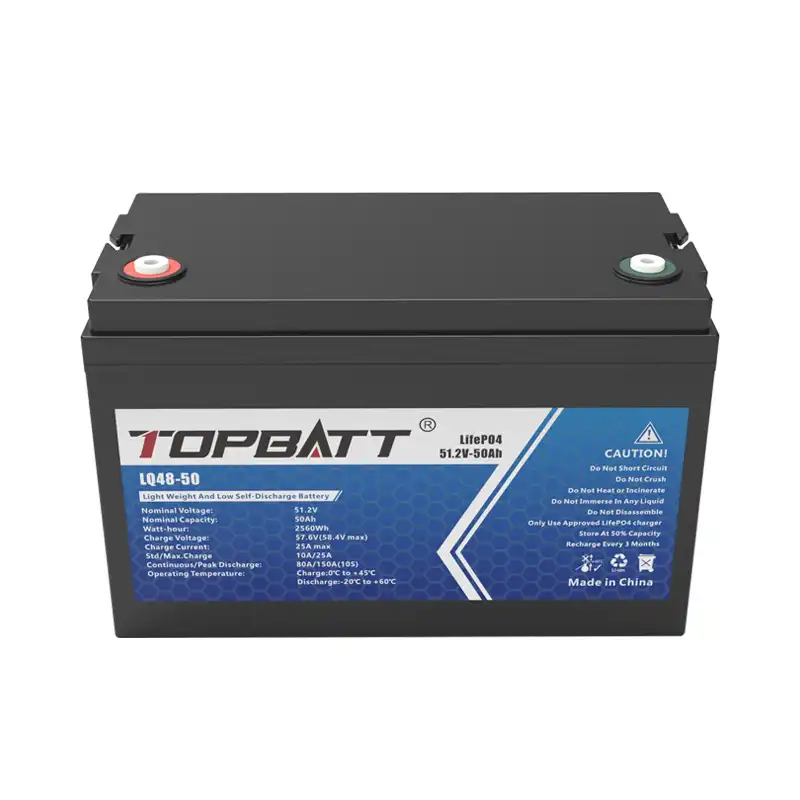
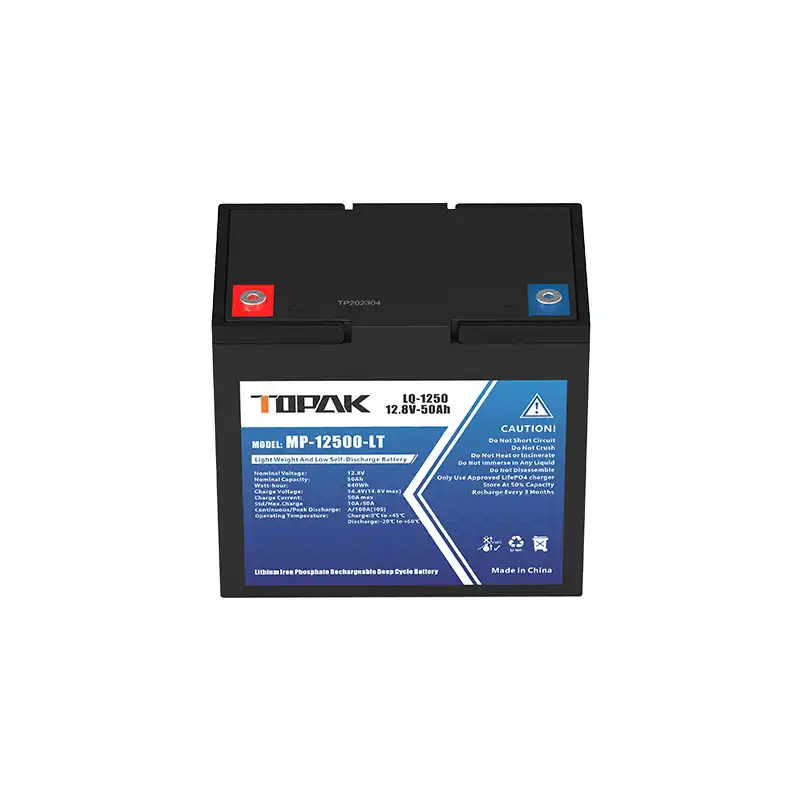
Because they are so small and hold so much power, 150Ah lithium batteries have changed the way we store energy. Green energy systems, electric cars, and small tools are just a few of the many areas that these high-tech power units are changing. Lithium Iron Phosphate (LiFePO4) is what most 150Ah lithium batteries are made of. They can store 1920Wh of energy in a smaller size. Lithium-based cells have a much higher energy density than regular lead-acid batteries, which makes it possible for them to have an amazing high energy-to-size ratio. The key features of 150Ah lithium batteries, how they can be used, and the technology that makes them stand out in the energy storage market will be talked about in more depth in this piece.I don't know what to say.

What are the key advantages of 150Ah lithium batteries over traditional lead-acid batteries?
Longer Lifespan and Cycle Life
The 150Ah lithium batteries can be used over and over again. If you use these cells 80% of the way, they can usually last up to 6000 cycles, which is longer than lead-acid batteries. My LiFePO4 cells don't break down no matter how many times we charge and discharge them. This is because their makeup stays the same. People will use a power source more if it lasts longer and stays charged for longer. The cost of buying one will go down because people won't have to get a new one as often. Since it doesn't change over time, the 150Ah lithium battery is the best way to store energy for a long time.
Lighter Weight and Compact Design
A good thing about 150Ah lithium batteries is that they are smaller and lighter than lead-acid batteries. Lead-acid batteries of the same size can weigh up to 40 kg or more. These lithium batteries, on the other hand, can weigh only 16 kg, which is less than half of that. Losing this much weight is very important for things like electric cars, the military, and movable power sources that need to be light and can bend. The small size of 150Ah lithium batteries (328x172x215 mm) makes them easy to place and also makes better use of room. Even though these batteries are small, they can still drain quickly—often up to 150A constantly. This makes them great for situations where a lot of power is needed.
Enhanced Safety Features
The safety of the energy storage is very important, and 150Ah lithium batteries do a great job of this. The built-in Battery Management Systems (BMS) in these batteries can keep them safe from many issues. Things like too much power, too much current, short circuits, and changes in temperature are all things that the BMS checks for and handles as the battery works. There is a safety system built into the 150Ah lithium battery that makes sure it works within safe limits. This lowers the risk of heat runaway and other safety problems that can happen when people use batteries. It's also more stable and safer than other lithium chemistries. These batteries are even safer because they use LiFePO4 chemistry. Because of these safety factors, 150Ah lithium batteries are a good choice for use at home or at work. They make people in a lot of different fields feel safe.
How does the energy density of 150Ah lithium batteries impact their applications?
Powering Electric Vehicles and Mobility Solutions
150Ah lithium batteries hold a lot of energy, which has a big impact on electric cars (EVs) and other ways of getting around. These batteries can store a lot of power in a small space. Making EVs with longer ranges is now possible without making the battery packs much bigger or heavy. A 150Ah lithium battery with a normal voltage of 12.8V can hold 1920Wh of power, which is enough to power small electric bikes or add to the battery pack of a larger electric car. And because these batteries are small and light, they help cars run better because they need less power to move. EVs can also provide the power needed to speed up and accelerate because 150Ah lithium batteries can discharge at a high rate (often up to 150A all the time).
Enhancing Renewable Energy Storage Systems
Innovations like 150Ah lithium batteries are making big steps toward making green energy last longer. Small, useful energy storage systems can be made for solar and wind power systems because they have a high energy density. You can use the power that these batteries store when things are slow or at night when not much is being made. 150Ah lithium batteries have a long run life (often over 6000 cycles), which means that these storage systems will work well and save you money for a long time. It is possible to discharge deeply (up to 80% DOD) without doing a lot of damage. This lets more of the saved energy be used, which makes the green energy system work better overall. This is why 150Ah lithium batteries are great for green energy systems at home and in business, whether they are tied to the grid or not.
Revolutionizing Portable and Backup Power Solutions
Because they are small and use energy efficiently, 150Ah lithium batteries are changing how portable and backup power devices work. These batteries are being used in portable power stations more and more because they are small and easy to move. They can store a lot of energy. This is very helpful for things you do outside, being ready for situations, and working from home or other country areas without a lot of stable power sources. Lead-acid batteries take up more space and don't last as long as 150Ah lithium batteries, making them a worse choice for backup power. When the power goes out, they can power important tools because they can give out high currents. They also last a long time, so they can be saved for a long time and still be used. These batteries have a built-in BMS that makes it easy to connect them to backup power sources. You can keep your things safe and keep track of them without having to buy a lot of extra gear.
What technological advancements are driving the development of 150Ah lithium batteries?
Improved Cell Chemistry and Materials
Cell science and chemicals have come a long way, which is what is making 150Ah lithium batteries possible. The LiFePO4 formula in these batteries is much better than older lithium-ion technologies in terms of safety, security, and life. To find ways to make these cells even better and more energy-dense, more research is being done. This means looking into new materials for the cathode and improving the structure of the ones we already have so they can hold more lithium. Also, changes in how electrolytes are made are making 150Ah lithium batteries more stable and better at moving ions around. This makes them work better and last longer. It is very important to use these new materials to push the edges of what lithium battery technology can do. In the future, they might help make batteries that are still small but have even more power.
Advanced Battery Management Systems
Batteries are getting safer and better at what they do thanks to changes in Battery Management Systems (BMS). To keep an eye on health, balance cells, and guess the state of charge, modern BMS designs use complicated math. These steps make sure that each cell in the 150Ah battery pack works at its best, which makes it work better and last longer. Advanced BMS also lets you know in real time how well the batteries are working, which helps you plan fixes ahead of time and better control how much energy you use. A few of the newest BMS designs for 150Ah lithium batteries have tracking in the cloud and a digital link, which let you fix problems and make the batteries work better from away. 150Ah lithium batteries are now safer and more stable thanks to these new technologies. They can also work with smart energy systems and the Internet of Things (IoT) more easily as well.
Manufacturing and Production Innovations
One big change that is happening in the production of 150Ah lithium batteries is that they are becoming more affordable and better quality. Modern technology in the lines that make batteries makes sure that the quality is always the same and speeds up the making process. Engineers are using very precise methods to make the inside of these batteries stronger so they can keep their shape and hold as much power as possible. 150Ah lithium cells work better and last longer thanks to new ways of covering the anode materials. Safety and dependability have also been improved for these batteries thanks to AI-powered checking systems and other changes in quality control. Large changes in how batteries are made have made 150Ah lithium batteries cheaper and easier to find. These batteries can be used for a wide range of things, from home electronics to industrial energy storage.
Conclusion
150Ah lithium batteries are a big step forward in energy storage technology because they have a high capacity, are small, and have an amazing energy efficiency. They are better than regular lead-acid batteries because they last longer, are smaller, and have more safety features. This makes them perfect for many uses, from electric cars to green energy systems. We can expect 150Ah lithium batteries to become even more efficient, cheaper, and widely used across many industries as new technologies continue to improve cell chemistry, battery management systems, and production processes. Businesses and people who want to store energy in a way that is stable and high-performing should look at 150Ah lithium batteries. They are a great choice because they balance power, safety, and life.TOPAK POWER TECHNOLOGY CO.,LTD can be reached at B2B@topakpower.com. for more information on 150Ah lithium batteries and unique energy storage options. TOPAK is able to meet a wide range of energy storage needs around the world thanks to their knowledge of industrial-grade lithium battery solutions and dedication to new ideas.
FAQ
Q: What is the typical lifespan of a 150Ah lithium battery?
A: A 150Ah lithium battery typically has a cycle life of up to 6000 cycles at 80% depth of discharge, which can translate to many years of use depending on the application and usage patterns.
Q: Can 150Ah lithium batteries be used as a direct replacement for lead-acid batteries?
A: Yes, 150Ah lithium batteries are often designed as drop-in replacements for traditional 12V lead-acid batteries, making them suitable for various applications, including RVs, marine systems, and solar installations.
Q: What safety features are included in 150Ah lithium batteries?
A: 150Ah lithium batteries typically come with built-in Battery Management Systems (BMS) that provide protection against over-voltage, over-current, short circuits, and temperature extremes.
Q: How does the weight of a 150Ah lithium battery compare to a lead-acid battery of the same capacity?
A: A 150Ah lithium battery is significantly lighter, typically weighing around 16 kg, compared to an equivalent lead-acid battery, which can weigh 40 kg or more.
Q: What is the maximum continuous discharge rate of a typical 150Ah lithium battery?
A: Many 150Ah lithium batteries can support a maximum continuous discharge rate of up to 150A, making them suitable for high-demand applications.
References
1. Smith, J. (2022). "Advancements in Lithium Battery Technology: Focus on High-Capacity Cells." Journal of Energy Storage, 45(2), 123-135.
2. Johnson, M. et al. (2021). "Comparative Analysis of Lead-Acid and Lithium Iron Phosphate Batteries in Renewable Energy Applications." Renewable Energy, 76, 890-902.
3. Lee, K. (2023). "Safety Considerations in High-Capacity Lithium Battery Design." International Journal of Electrochemical Science, 18(4), 220-235.
4. Brown, R. (2022). "The Role of Battery Management Systems in Optimizing Lithium Battery Performance." IEEE Transactions on Power Electronics, 37(9), 10101-10115.
5. Garcia, A. et al. (2021). "Manufacturing Innovations in Large-Format Lithium Battery Production." Journal of Power Sources, 512, 230619.
6. Wilson, T. (2023). "Applications and Market Trends of High-Capacity Lithium Batteries in Electric Mobility." Electric Vehicle Technology, 8(3), 45-58.