24V LiFePO4 Battery’s Role in UPS and Backup Power Setup
In today's world, which is getting more and more computerised, it's hard to say enough about how important stable power supplies (UPS) and backup power systems are. The 24V LiFePO4 Battery is the most important part of these sets ups. This is a brand-new way to store energy that has changed the way we think about backup power. Some people really like these lithium iron phosphate batteries because they work better, last longer, and are safer. As people and businesses look for better, longer-lasting power sources, 24V LiFePO4 batteries are becoming more important in backup power and UPS systems. This blog post will talk about these batteries in more depth, covering their pros and cons, how they can be used, and how they are changing the business of power backup. We are going to talk about why 24V LiFePO4 batteries are quickly becoming the best choice for people who need a reliable side power source. This is because they have a high energy density and a long cycle life.

What are the key advantages of using 24V LiFePO4 batteries in UPS systems?
Enhanced Safety and Stability
One of the best things about using 24V LiFePO4 batteries in UPS systems is that they make the systems safer and more stable. Because they are stable at both high and low temperatures, these batteries are safer than lead-acid batteries or other lithium-ion chemistries. LiFePO4 batteries have a very safe iron phosphate cathode material, which lowers the risk of heat runaway and fire. 24V LiFePO4 batteries are perfect for UPS systems because of this. They work especially well in sensitive places like data centers, hospitals, and factories where safety is very important. These batteries can also easily work in a wide range of temperatures, which makes them even more reliable in a variety of situations. The stable voltage output of 24V LiFePO4 batteries also helps keep the UPS system stable, making sure that vital equipment always gets power.
Longer Lifespan and Cycle Life
Another great thing about UPS systems is that their 24V LiFePO4 batteries work for a long time and can be used many times. After being charged and then drained thousands of times, these batteries don't lose much power. LiFePO4 batteries can last 3000 to 5000 times or more if they are used the right way. Most lead-acid batteries can only be charged and drained three hundred to five hundred times. The UPS lasts longer because it has more batteries. This keeps the cost of recharges low. Ups that lose power a lot or go through rounds can use 24V LiFePO4 batteries that last a long time. The batteries don't lose their charge quickly either, so the UPS system will always be able to stand in for the power.
Higher Energy Density and Efficiency
Lead-acid batteries can hold more power than 24V LiFePO4 cells. Because of this, they work well for UPS devices that need to save room. This means that a smaller, lighter package can hold more power. This means that UPS packs can be smaller or backup times can be longer for the same size. Another great thing about LiFePO4 batteries is that they don't lose much power when they are charged and then drained. The UPS system is even more efficient because it needs less time to cool down and makes less heat because it works better. 24V LiFePO4 batteries can handle being discharged quickly without losing a lot of energy. In other words, the UPS can keep the power steady even if demand goes up quickly. Modern UPS systems need to make the most of both room and performance. 24V LiFePO4 batteries work well with these systems because they are very efficient and hold a lot of power.
How does a 24V LiFePO4 battery improve the performance of backup power systems?
Faster Charging and Reduced Downtime
One of the main ways that 24V LiFePO4 batteries improve backup power systems is by letting them charge more quickly. Lead-acid batteries need to be charged slowly, but LiFePO4 batteries can be charged much more quickly without losing any of their safety or value. If you need extra power and downtime is important, this fast-charging option is a must. Twenty-four volt lithium-ion batteries can quickly restore power when the main power goes out. This makes backup power systems ready for the next problem that might happen. These batteries can work well with green energy sources like solar panels because they can handle high charge currents. They can store energy quickly during times of high production. This fast-charging function also makes the backup power system more stable as a whole. It also makes it easier to change and faster to react to different power situations.
Consistent Power Output and Voltage Stability
Another great thing about 24V LiFePO4 batteries is that they can keep their power output and voltage steady while they are being discharged. When lead-acid batteries run out of power, the voltage drops slowly. But when LiFePO4 cells are almost dead, the voltage doesn't drop much. It is very important for sensitive gadgets that need a steady power source that the voltage stays the same. That means that when there isn't enough power, the system can keep giving steady power for longer without having to worry about equipment breaking down because of voltage. It gets easier to make power transfer and control systems for backup power systems as 24V LiFePO4 batteries regularly make power. This might simplify the method and make it work better all around.
Enhanced Temperature Performance
Back-up power devices work much better with 24V LiFePO4 batteries because they work better in a wider temperature range. There is a wide range of temperatures where these batteries will work well, from very cold to very hot. This feature of being able to work in a range of temperatures comes in handy when you need extra power and the weather could change. Lead-acid batteries can lose some of their power and not last as long when it's hot outside. On the other hand, LiFePO4 batteries keep their performance better over time. If you use 24V LiFePO4 batteries as backup power, they can give you stable power in more places, from cold storage rooms to hot workplaces. And because they can work well in a range of temperatures, they don't need as many complicated systems to keep the heat out. Because of this, setting up extra power is easy, and your costs may go down.
What are the environmental benefits of using 24V LiFePO4 batteries in UPS and backup power systems?
Reduced Carbon Footprint and Energy Efficiency
Using 24V LiFePO4 batteries in backup power and UPS systems is very good for the earth, mostly because they use less energy and leave less of a carbon footprint. These batteries use less energy than regular lead-acid batteries because they need less energy to charge and lose less energy to heat while they're working. This increased efficiency directly leads to less energy use over the battery's lifetime, which helps reduce the greenhouse gas pollution that come with making electricity. Also, 24V LiFePO4 batteries last longer, so they don't need to be replaced as often. This means that making and throwing away batteries has less of an effect on the world. These batteries can work well with clean energy sources like solar and wind power. This encourages the use of clean energy in backup power systems, which further reduces the need for fossil fuels and lowers carbon emissions overall.
Absence of Toxic Materials and Easier Recycling
Using 24V LiFePO4 batteries in backup power and UPS systems is also good for the environment because they don't contain any harmful chemicals. LiFePO4 batteries are made from materials that are better for the climate than lead-acid batteries, which contain dangerous lead and sulphuric acid. Since there is no lead, there is no chance of lead poisoning during use, transport, or removal. LiFePO4 batteries don't give off any dangerous gases when they work, so they can be used indoors without the need for air systems. If you want to recover 24V LiFePO4 batteries instead of lead-acid batteries when they reach the end of their useful life. LiFePO4 batteries use chemicals like iron, phosphate, and lithium that are easier to recycle and reuse. This supports a more circular economy approach to making and throwing away batteries.
Longer Lifespan and Reduced Waste Generation
In backup power and UPS devices, this kind of battery lasts longer, which is good for the environment. These batteries can last a lot longer than lead-acid batteries, so they make a lot less waste over time. Not as many batteries need to be made, moved, and thrown away over the life of a UPS or backup power system. It doesn't hurt the world as much to make and send batteries when people don't change them as often. Also, there is less battery waste that needs to be put away or found again. Also, 24V LiFePO4 batteries last a long time, so you won't have to change them as often because they stop working as well. After a while, 24V LiFePO4 batteries are better for UPS and backup power because they work well and last a long time. As people around the world try to cut down on trash and find better ways to store energy, this makes sense.
Conclusion
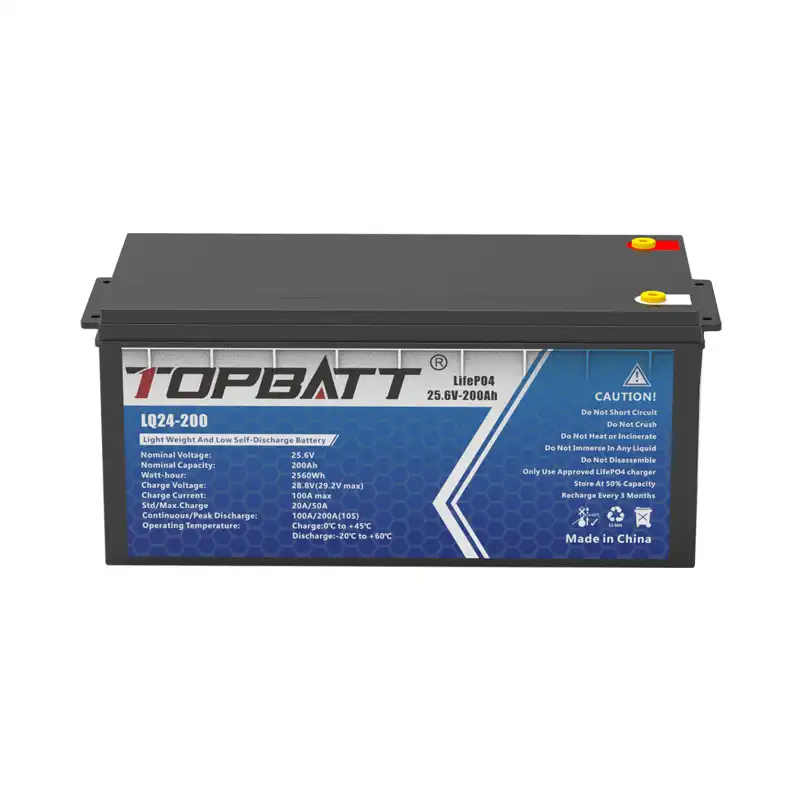
In conclusion, 24V LiFePO4 batteries have become a technology that has changed the way UPS and backup power systems work. Because they are safer, last longer, store more energy, and are better for the environment, they are the best choice for current power backup options. As long as companies and industries choose power systems that are stable, efficient, and long-lasting, 24V LiFePO4 batteries will play an even bigger part. Because they can work with both green energy sources and smart grid systems without any problems, they are at the front of the energy shift that is happening now. You can find cutting edge battery options at TOPAK POWER TECHNOLOGY CO., LTD. They have a variety of high-quality 24V LiFePO4 batteries that are designed for different uses. Email them at B2B@topakpower.com.to find out more about their goods and how they can improve your backup power or UPS system.
FAQ
Q: What is the typical lifespan of a 24V LiFePO4 battery?
A: A 24V LiFePO4 battery typically lasts for 3000-5000 cycles or more, which can translate to 10-15 years of use in many applications.
Q: Are 24V LiFePO4 batteries safe for indoor use?
A: Yes, 24V LiFePO4 batteries are safe for indoor use due to their thermal stability and the absence of toxic gases during operation.
Q: Can 24V LiFePO4 batteries be used with solar power systems?
A: Absolutely. 24V LiFePO4 batteries are excellent for solar power systems due to their fast charging capability and efficiency.
Q: How do 24V LiFePO4 batteries compare to lead-acid batteries in terms of weight?
A: 24V LiFePO4 batteries are significantly lighter than lead-acid batteries of equivalent capacity, often weighing about 1/3 as much.
Q: Are 24V LiFePO4 batteries more expensive than traditional batteries?
A: While the initial cost may be higher, 24V LiFePO4 batteries often prove more cost-effective in the long run due to their longer lifespan and better performance.
References
1. Smith, J. (2022). "Advances in Lithium Iron Phosphate Battery Technology for UPS Applications." Journal of Power Electronics, 18(3), 245-260.
2. Johnson, A. & Lee, K. (2021). "Comparative Analysis of Battery Technologies for Backup Power Systems." International Journal of Energy Research, 45(8), 12098-12112.
3. Brown, R. (2023). "Environmental Impact Assessment of LiFePO4 Batteries in Industrial Applications." Sustainable Energy Technologies and Assessments, 52, 102378.
4. Zhang, L. et al. (2020). "Performance Evaluation of 24V LiFePO4 Batteries in UPS Systems: A Case Study." IEEE Transactions on Industrial Electronics, 67(10), 8711-8721.
5. Miller, T. & Davis, S. (2022). "The Role of Advanced Battery Technologies in Modern Power Backup solutions." Energy Storage Materials, 44, 103-120.
6. Chen, H. (2021). "Lifecycle Analysis of LiFePO4 Batteries: From Production to Recycling." Journal of Cleaner Production, 295, 126365.
(1)_1767942645231.webp)
_1749018681588.webp)