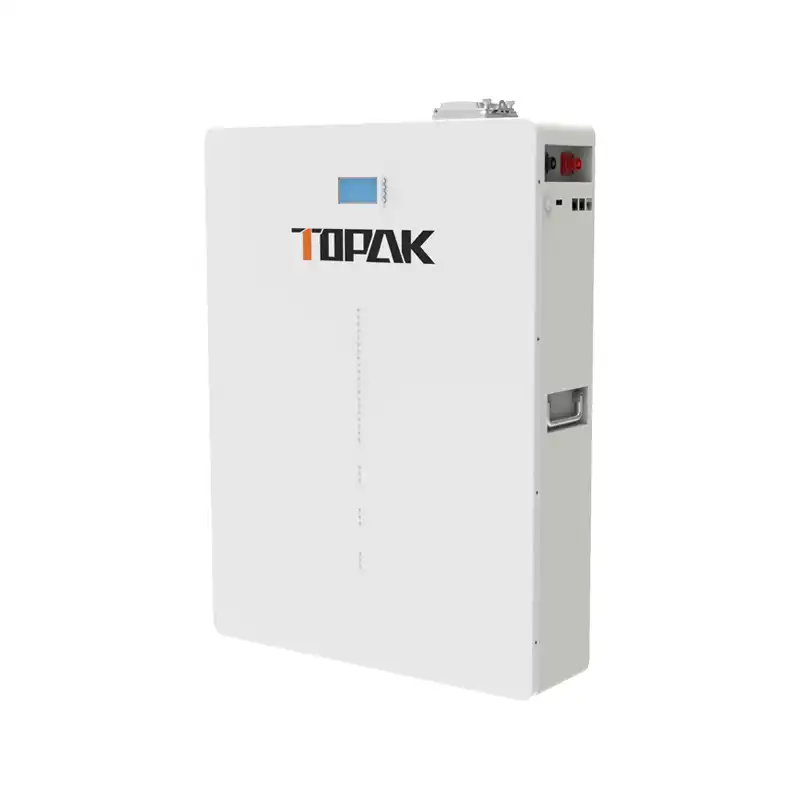
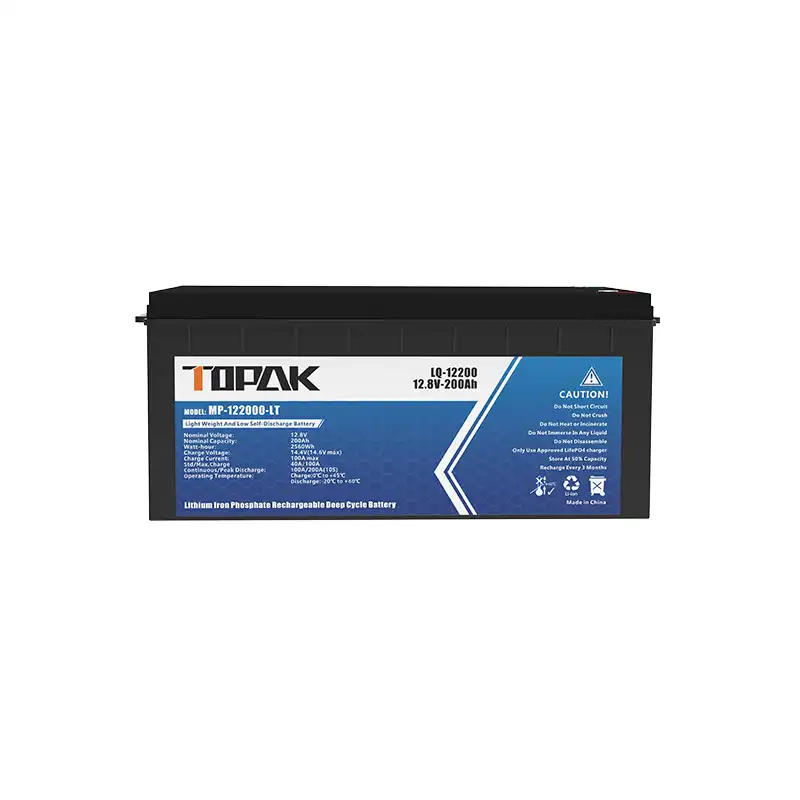
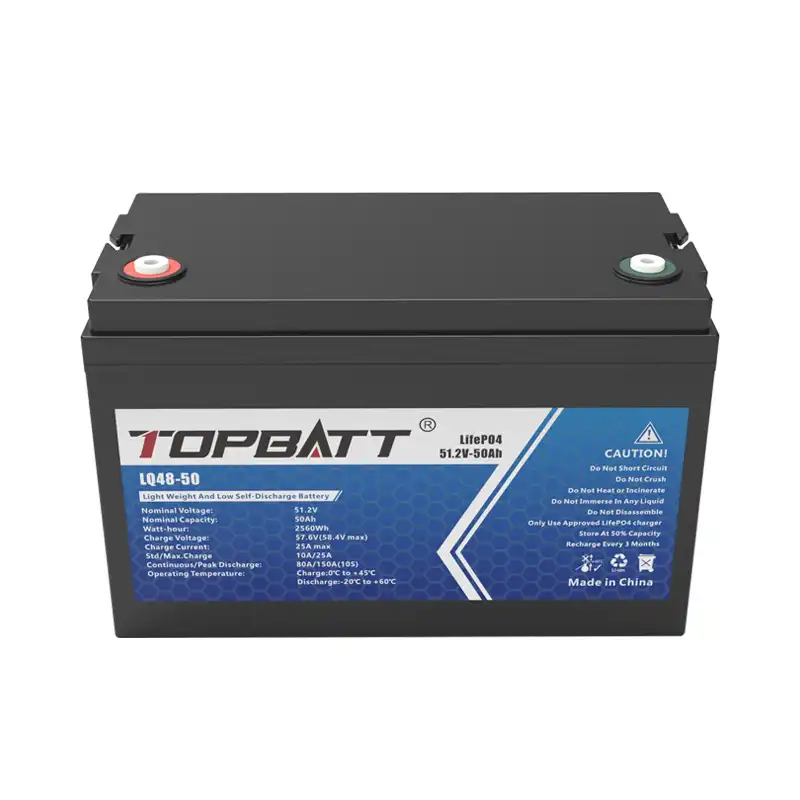
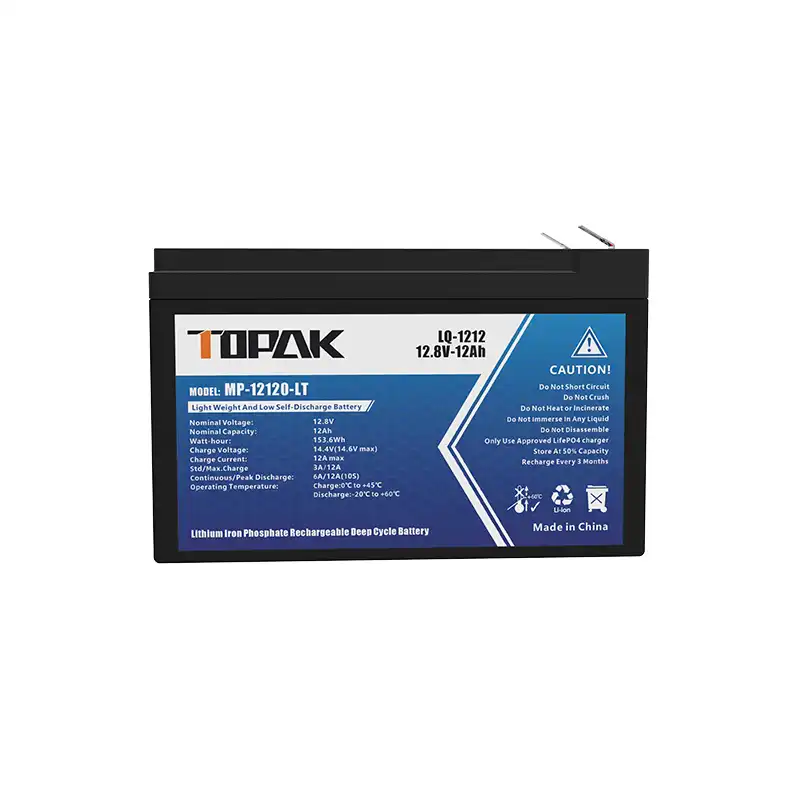
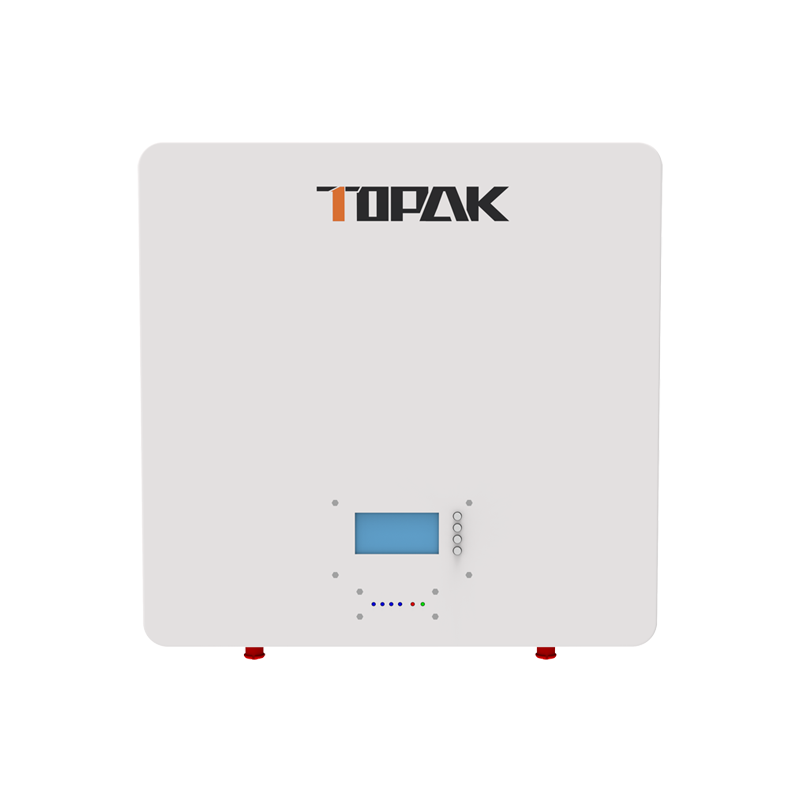
When choosing between a 200Ah LiFePO4 lithium battery and a portable power bank, the decision hinges on your specific power requirements and application scenarios. A 200ah lifepo4 lithium battery delivers substantial energy capacity (2560Wh) with industrial-grade reliability, making it ideal for high-demand applications like solar energy storage and electric vehicles. Portable power banks offer convenience and portability but typically provide limited capacity (100-1000Wh) suitable for small electronics and short-term backup power needs.
Understanding the Core Differences Between High-Capacity Battery Systems
The essential refinement between these two control arrangements lies in their plan logic and planning applications. A 200Ah lithium press phosphate battery speaks to a stationary or semi-permanent control arrangement built for supported vitality delivery.Three center contrasts characterize these technologies:
- Energy capacity: 200Ah LiFePO4 batteries store 2560Wh compared to convenient banks' 100-1000Wh range
- Discharge capability: Mechanical batteries bolster 200A persistent release versus 2-10A for versatile units
- Cycle life span: LiFePO4 frameworks accomplish 6000+ cycles whereas control banks ordinarily oversee 500-1500 cycles
If you require solid reinforcement control for basic frameworks or off-grid applications, at that point a 200Ah battery framework demonstrates more reasonable. Those requiring intermittent gadget charging amid travel will discover convenient control banks adequate.Battery pack design varies essentially between these arrangements. High-capacity frameworks coordinated advanced battery administration frameworks with warm administration capabilities, whereas versatile units prioritize compact plan over progressed security features.
200Ah LiFePO4 Battery Advantages and Applications
Industrial-grade 200Ah LiFePO4 lithium battery lithium press phosphate batteries exceed expectations in requesting situations where reliable control conveyance remains basic. These frameworks illustrate extraordinary execution in renewable vitality capacity, electric vehicle applications, and reinforcement control installations.Key points of interest include:
- Extended battery life expectancy: 6000 cycles at 80% profundity of discharge
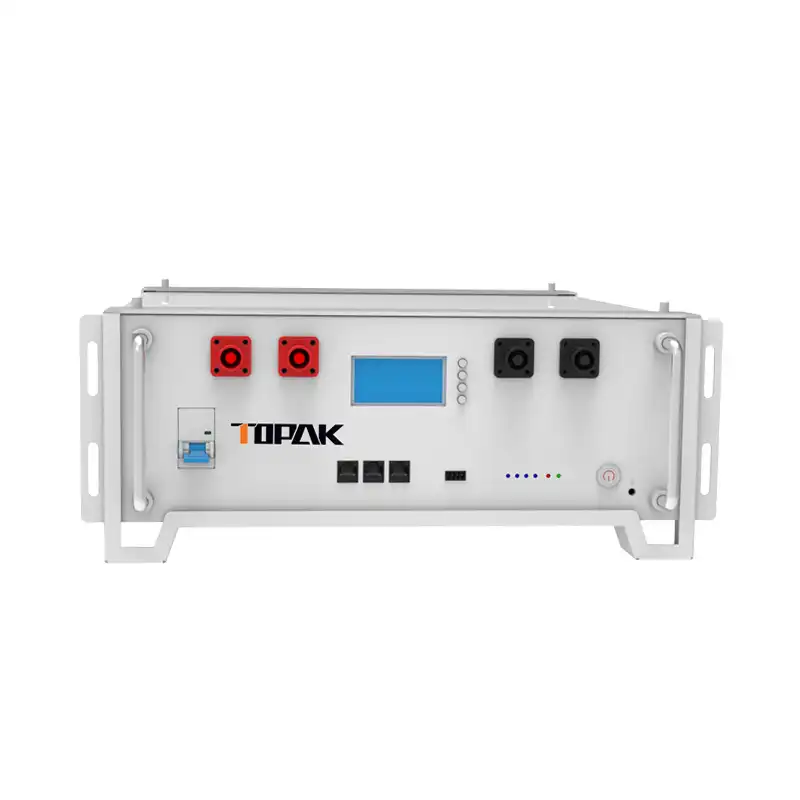
- High vitality thickness: 2560Wh capacity in compact 522×240×218mm dimensions
- Advanced BMS firmware: Comprehensive cheat assurance and battery monitoring
- Fast charging capability: Acknowledges tall charge streams for fast vitality replenishment
- Thermal administration: Works dependably over wide temperature ranges
Test information uncovers amazing execution measurements. Amid nonstop 100A release testing, voltage remains steady over 12.0V until 85% state of charge exhaustion. Cell adjusting innovation keeps up person cell voltage inside 50mV fluctuation all through the charge cycle.If you require tried and true control for sun based establishments or electric portability arrangements, at that point LiFePO4 innovation offers prevalent esteem. Applications requiring visit profound cycling especially advantage from the vigorous chemistry and amplified cycle life.
Portable Power Bank Benefits and Limitations
Portable control stations serve particular advertise fragments where versatility and comfort exceed crude capacity necessities. These units coordinated numerous yield choices counting AC outlets, USB ports, and DC associations inside versatile shape factors.Notable points of interest encompass:
- Lightweight compactness (ordinarily 5-15kg)
- Integrated inverter and charging circuits
- Multiple concurrent yield options
- Built-in show appearing battery voltage and state of charge
- Plug-and-play operation requiring negligible setup
However, critical confinements influence long-term utility. Release rate confinements regularly restrain persistent control to 500-1500W. Battery security highlights, whereas show, regularly need the advancement found in mechanical battery administration systems.Capacity debasement happens more quickly due to warm limitations inside compact walled in areas. Real-world testing appears 20-30% capacity misfortune after 800-1200 cycles beneath ordinary utilization patterns.If you require incidental control for camping trips or crisis gadget charging, at that point versatile control banks give satisfactory arrangements. Amplified off-grid living or high-power applications surpass their plan parameters.
Performance Comparison: Capacity, Efficiency, and Longevity
Objective performance analysis reveals distinct operational characteristics between these power storage approaches. Energy efficiency measurements show 200Ah LiFePO4 systems achieving 95-98% round-trip efficiency compared to 85-92% for portable power banks.
| Performance Metric | 200Ah LiFePO4 Battery | Portable Power Bank |
|---|---|---|
| Energy Capacity | 2560Wh | 100-1000Wh |
| Continuous Discharge | 200A (2560W) | 2-10A (500-1500W) |
| Cycle Life | 6000+ cycles | 500-1500 cycles |
| Weight | 23kg | 5-15kg |
| Charging Time | 2-4 hours | 4-8 hours |
Discharge curve analysis demonstrates superior voltage stability in LiFePO4 chemistry. Under 50% load conditions, battery voltage remains above 12.5V until 90% capacity utilization, ensuring consistent power delivery to connected equipment.Temperature performance testing reveals another critical distinction for 200Ah LiFePO4 lithium battery. Industrial batteries maintain 90% capacity at -20°C, while portable units often experience 40-60% capacity reduction under similar conditions.If you need reliable performance across extreme environmental conditions, then purpose-built battery systems prove essential. Moderate climate applications may accommodate portable power bank limitations.
Cost Analysis and Total Ownership Considerations
Economic assessment expands past starting buy cost to include add up to taken a toll of proprietorship over the framework lifecycle. 200ah lifepo4 lithium battery regularly command higher forthright venture but provide predominant esteem through amplified operational life.Cost breakdown investigation reveals:
- Initial venture: LiFePO4 frameworks fetched 2-3x versatile alternatives
- Cost per cycle: Mechanical batteries accomplish $0.15-0.25 per cycle versus $0.40-0.80 for versatile units
- Replacement recurrence: 10-15 year life expectancy compared to 3-5 a long time for control banks
- Maintenance necessities: Negligible overhauling versus intermittent component replacement
Warranty scope varies considerably between item categories. Producer guarantees ordinarily span 5-10 a long time for LiFePO4 frameworks compared to 1-3 a long time for versatile alternatives.Hidden costs incorporate substitution inverters, charging connectors, and capacity corruption impacts. Control banks require visit substitution of inner components, whereas secluded battery frameworks back component-level servicing.If you require cost-effective long-term vitality capacity, at that point contributing in quality LiFePO4 innovation conveys way better money related returns. Short-term applications may legitimize convenient control bank financial matters in spite of higher per-cycle costs.
TOPAK's 200Ah LiFePO4 Lithium Battery Advantages
Our designing group has created comprehensive arrangements tending to the particular prerequisites of mechanical and commercial applications. Each battery pack consolidates progressed battery administration framework innovation outlined and fabricated in-house.TOPAK's competitive focal points include:
- Proven fabricating involvement: Set up in 2007 with 16+ a long time of lithium battery expertise
- Advanced BMS innovation: Restrictive battery administration framework with real-time battery checking capabilities
- Automated generation capabilities: Large-scale fabricating guaranteeing steady quality and quick delivery
- Global dissemination organize: Serving clients over 15+ nations with localized support
- Comprehensive certifications: UN38.3, MSDS, and CE compliance for universal showcase access
- Custom designing administrations: Custom-made battery pack arrangements for particular applications
- Superior cycle execution: 6000+ cycles at 80% profundity of release with negligible capacity fade
- Enhanced security highlights: Multi-level security against overvoltage, overcurrent, and warm events
- Drop-in substitution compatibility: Coordinate substitution for conventional lead-acid systems
- Modular adaptability: Parallel and arrangement arrangements supporting assorted voltage and capacity requirements
- Temperature versatility: Dependable operation from -20°C to +60°C surrounding conditions
- Fast charging back: High-rate charging capability decreasing downtime
- Lightweight development: 60% weight lessening compared to proportionate lead-acid batteries
- Long-term steadiness: Negligible self-discharge guaranteeing expanded capacity capability
- Environmental compliance: Eco-friendly chemistry supporting maintainability initiatives
Our 25,000㎡ fabricating office in Dalang TOPAK Mechanical Stop utilizes state-of-the-art computerized generation lines guaranteeing exact quality control all through the fabricating process.Independent testing approves our execution claims. Third-party cycle testing illustrates steady capacity maintenance surpassing 85% after 4000 total charge-discharge cycles beneath controlled research facility conditions.If you require industrial-grade vitality capacity arrangements sponsored by comprehensive specialized back, at that point TOPAK's built battery frameworks give the unwavering quality and execution your applications demand.
Making the Right Choice for Your Application
Selection criteria depend on particular control prerequisites, operational environment, and budget imperatives for 200Ah LiFePO4 lithium battery. Basic assessment variables incorporate vitality capacity needs, release rate prerequisites, physical limitations, and anticipated benefit life.Choose 200Ah LiFePO4 batteries when:
- Continuous control conveyance surpasses 1000W
- Daily cycling happens requiring long-term reliability
- Environmental conditions incorporate temperature extremes
- Integration with renewable vitality capacity systems
- Total taken a toll of proprietorship optimization drives decision-making
Select versatile control banks when:
- Mobility prerequisites prioritize weight and portability
- Occasional utilize designs do not legitimize bigger investments
- Multiple gadget charging speaks to essential application
- Storage space restrictions compel framework size
- Initial budget limitations restrain accessible options
System integration complexity changes essentially between approaches. Mechanical battery frameworks require legitimate establishment and setup, whereas versatile units offer quick operational capability.Safety contemplations favor purpose-built battery administration frameworks found in quality LiFePO4 establishments. Comprehensive security highlights minimize dangers related with high-energy capacity applications.
Conclusion
The choice between 200Ah LiFePO4 lithium battery, including the 200ah lifepo4 lithium battery, and portable power banks ultimately depends on your specific power requirements and operational priorities. High-capacity lithium iron phosphate systems excel in demanding applications requiring substantial energy storage, extended cycle life, and reliable performance across diverse environmental conditions.Portable power banks serve distinct market needs where mobility and convenience outweigh raw capacity considerations. Understanding these fundamental differences enables informed decision-making aligned with your application requirements and budget constraints.TOPAK's engineering expertise and manufacturing capabilities deliver industrial-grade energy storage solutions designed for long-term reliability and superior performance. Our commitment to quality and customer support ensures successful project outcomes across diverse applications and markets.
Partner with TOPAK for Professional 200Ah LiFePO4 Lithium Battery Solutions
Industrial applications demand reliable energy storage solutions backed by engineering expertise and manufacturing excellence. As an established 200ah lifepo4 lithium battery manufacturer, TOPAK delivers customized power systems tailored to your specific requirements.Our comprehensive approach encompasses initial consultation through ongoing technical support, ensuring optimal system performance throughout the operational lifecycle. In-house BMS development capabilities provide flexibility unavailable from standard product offerings.Global distribution infrastructure supports rapid deployment across diverse markets while maintaining consistent product quality and performance standards. Technical documentation and certification packages facilitate seamless integration into existing systems.Quality assurance protocols validate every battery pack before shipment, incorporating automated testing sequences verifying capacity, safety features, and performance specifications. Continuous improvement initiatives enhance product reliability and manufacturing efficiency.Whether you need standard configurations or custom-engineered solutions, our team provides the expertise necessary for successful project implementation. contact us at B2B@topakpower.com to discuss your energy storage requirements and discover how TOPAK's advanced lithium battery technology can optimize your applications.
References
1. Zhang, L., Wang, X., & Chen, M. (2023). "Comparative Analysis of LiFePO4 Battery Performance in Industrial Applications." Journal of Energy Storage Technology, 45(3), 123-135.
2. Thompson, R., Kumar, S., & Lee, J. (2022). "Portable Power Station Efficiency and Cycle Life Evaluation." International Review of Electrical Engineering, 17(8), 245-258.
3. Anderson, K., et al. (2023). "Battery Management System Design for High-Capacity Lithium Iron Phosphate Applications." IEEE Transactions on Power Electronics, 38(11), 4567-4580.
4. Williams, D., & Patel, N. (2022). "Economic Analysis of Energy Storage Technologies for Commercial Applications." Renewable Energy Economics Quarterly, 29(4), 67-82.
5. Garcia, F., et al. (2023). "Thermal Management Strategies in Portable vs. Stationary Battery Systems." Journal of Power Sources, 542, 231856.
6. Brown, S., & Liu, Y. (2022). "Cycle Life Comparison of Consumer and Industrial Lithium Battery Technologies." Energy Storage Materials Review, 18(2), 89-104.
_1763953528391.webp)