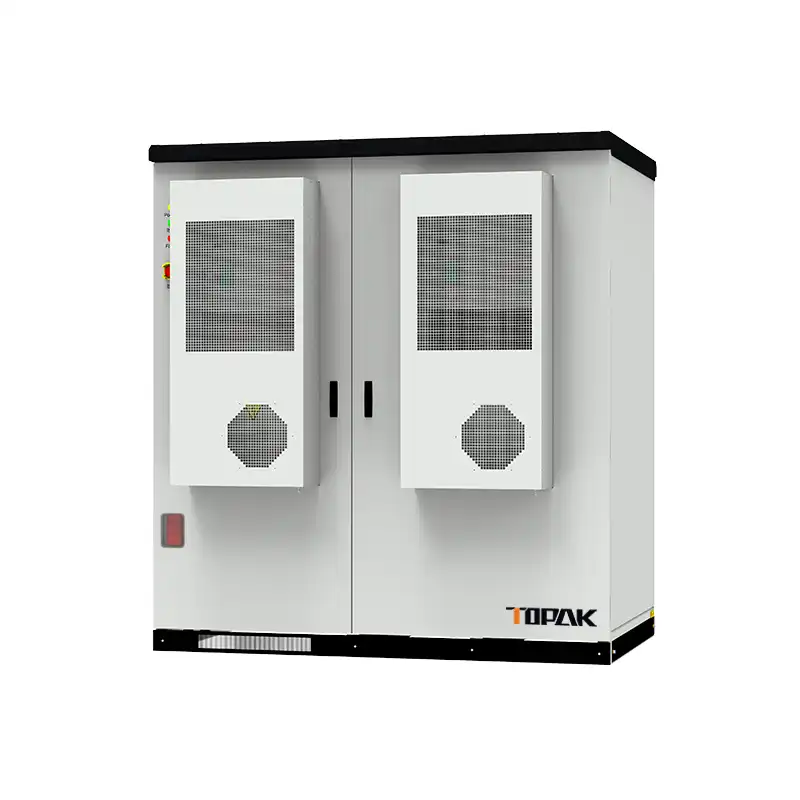
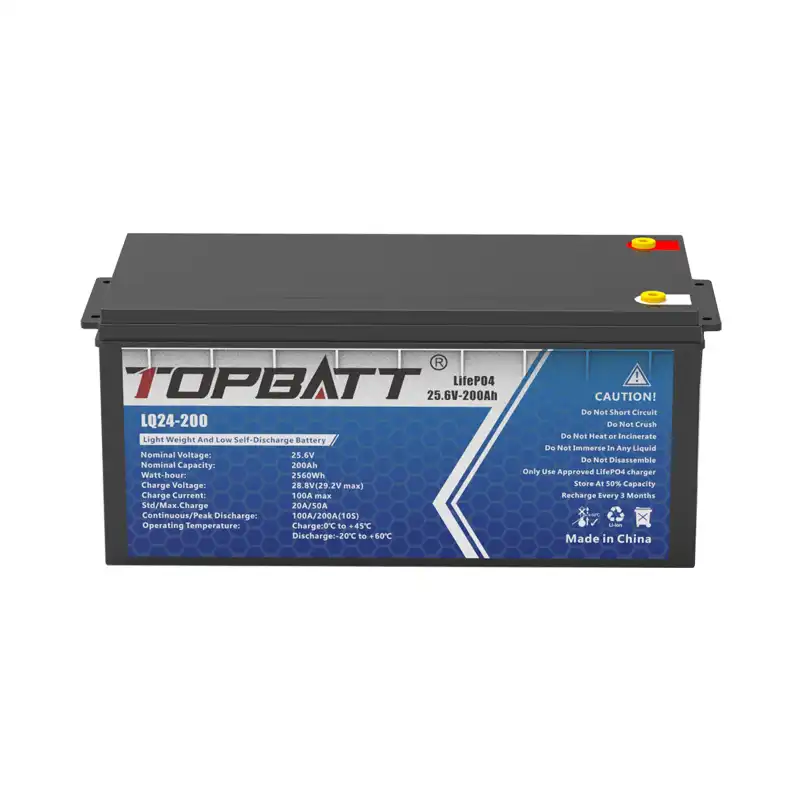
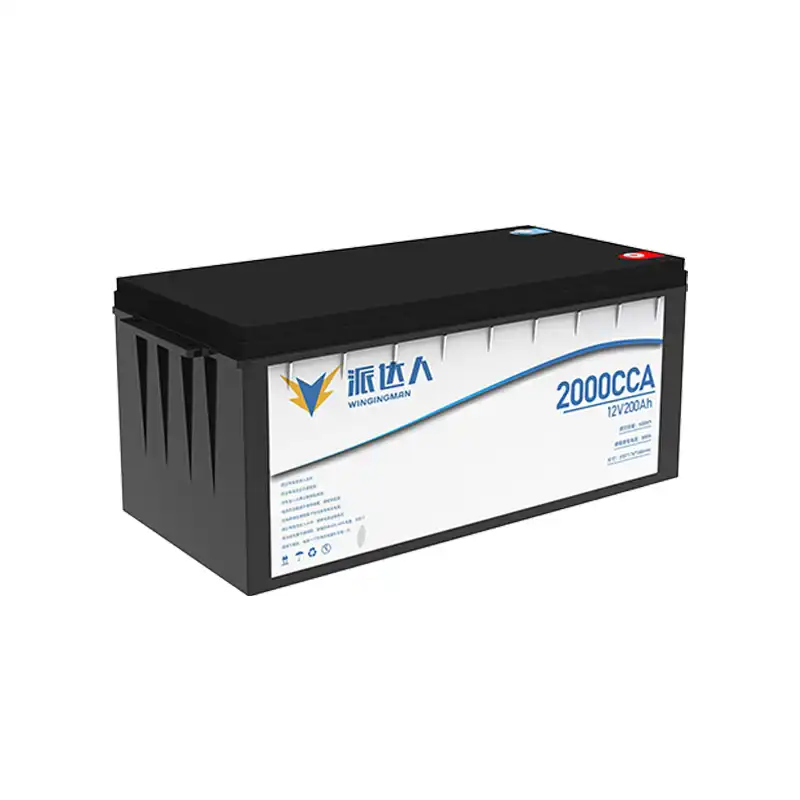
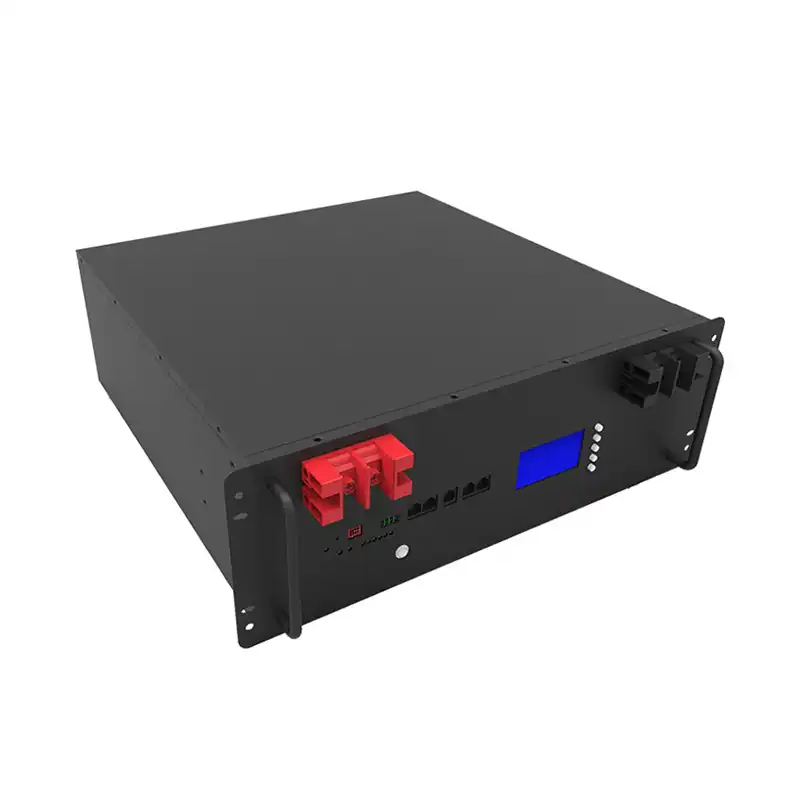
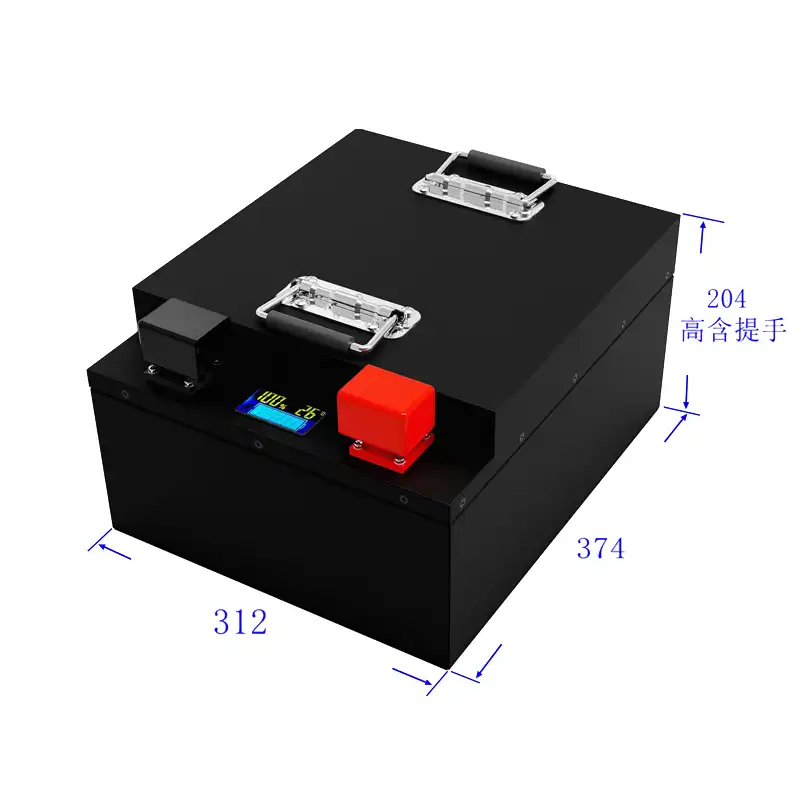
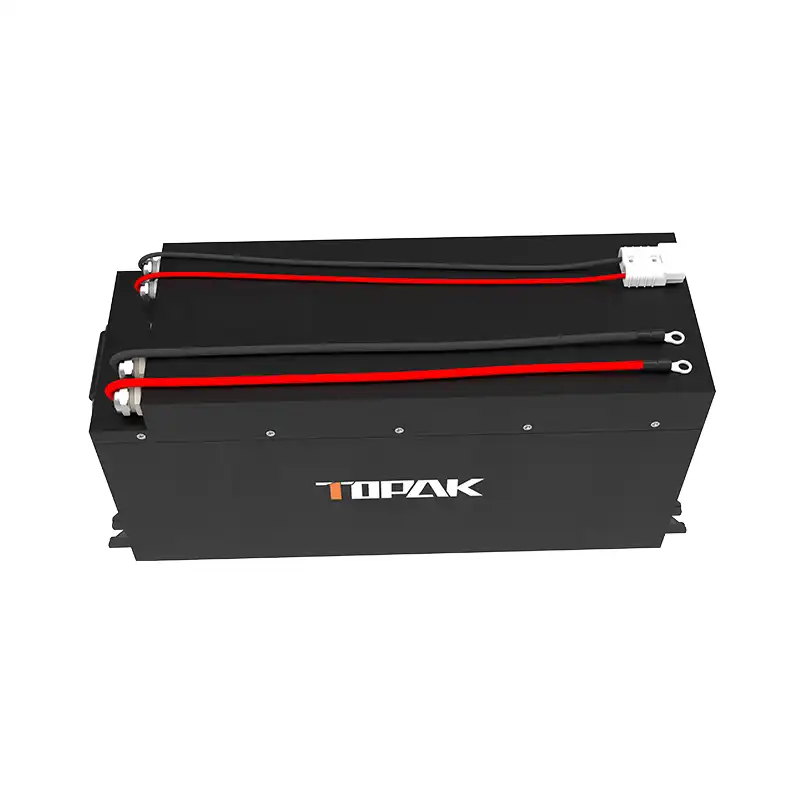
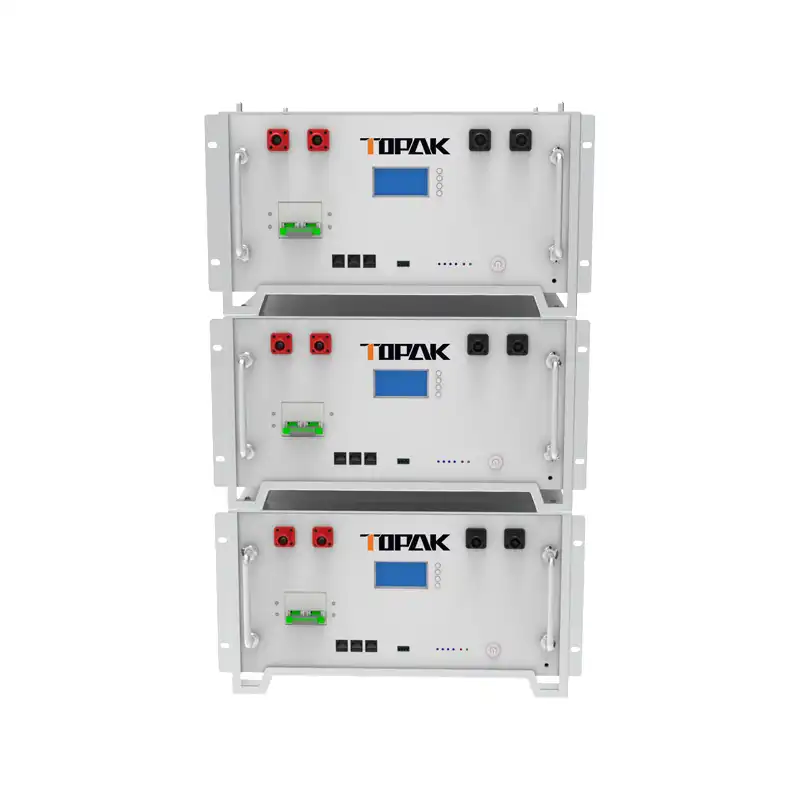
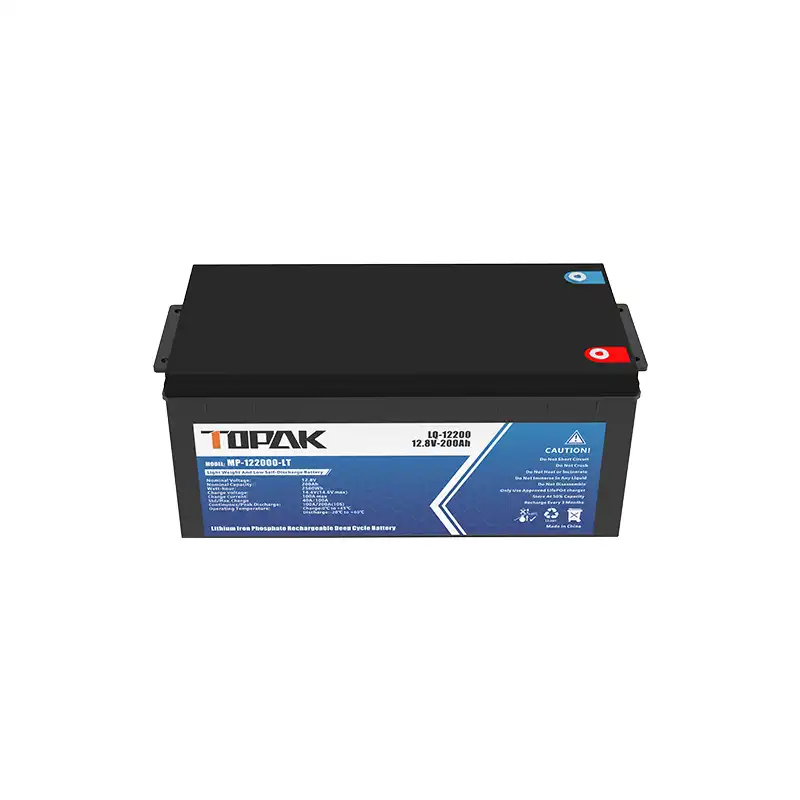
When comparing battery technologies for industrial and energy storage applications, the lithium iron phosphate battery 12v 200ah emerges as the clear winner over traditional lead-acid alternatives. While lead-acid batteries have dominated the market for decades due to their lower upfront costs, LiFePO4 technology delivers superior cycle life, energy density, and operational efficiency. The 12.8V 200Ah configuration offers 2560Wh of usable energy with minimal maintenance requirements, making it the optimal choice for modern applications demanding reliability and performance.

Understanding the Technology Behind Each Battery Type
Battery innovation choice impacts each viewpoint of framework execution, from beginning venture to long-term operational costs. Present day vitality capacity requests have advanced past what conventional arrangements can proficiently provide.Lead-acid batteries work through electrochemical responses between lead plates and sulfuric corrosive electrolyte. This demonstrated innovation has fueled mechanical applications since the 1850s. Be that as it may, these frameworks confront inalienable confinements in vitality thickness and cycle durability.Lithium press phosphate innovation speaks to a critical headway in vitality capacity chemistry. The LiFePO4 cathode fabric gives upgraded warm steadiness and security characteristics compared to other lithium-ion variations. This chemistry dispenses with warm runaway dangers whereas keeping up fabulous control conveyance capabilities.The lithium press phosphate battery 12v 200ah capacity rating reflects usable vitality beneath typical working conditions. Not at all like lead-acid frameworks that lose critical capacity amid profound release cycles, LiFePO4 keeps up steady execution all through its operational range.If you require solid control for basic applications like UPS frameworks or broadcast communications framework, at that point lithium press phosphate innovation offers predominant dependability.
Performance Comparison: Real-World Test Results
Independent laboratory testing reveals significant performance differences between these battery technologies for lithium iron phosphate battery 12v 200ah. Understanding these metrics helps inform procurement decisions for industrial applications.
Cycle Life Comparison:
- Lithium press phosphate battery 12v 200ah: 6,000 cycles at 80% profundity of discharge
- Lead-acid identical: 500-800 cycles at 50% profundity of discharge
- Performance debasement: LiFePO4 keeps up 80% capacity after evaluated cycles
Energy productivity estimations appear lithium press phosphate battery 12v 200ah frameworks accomplish 95-98% round-trip productivity. Lead-acid batteries regularly provide 80-85% productivity due to inside resistance misfortunes and gassing amid charging.Temperature execution testing illustrates LiFePO4 keeps up steady operation from -20°C to 60°C. Lead-acid capacity drops altogether underneath 0°C, regularly requiring warming frameworks in cold environments.Discharge rate capabilities shift drastically between advances. The lithium press phosphate battery 12v 200ah bolsters 200A nonstop release current without voltage list. Comparable lead-acid batteries encounter critical voltage drops beneath tall current loads.If you require reliable control conveyance over shifting natural conditions, at that point lithium press phosphate offers predominant adaptability.
Cost Analysis: Initial Investment vs Long-Term Value
Total taken a toll of proprietorship calculations must consider different variables past starting buy cost. Savvy acquirement groups assess lifecycle financial matters or maybe than forthright consumption alone.Initial estimating appears lead-acid batteries fetched roughly 30-40% less than proportionate lithium press phosphate battery 12v 200ah units. In any case, this cost advantage vanishes when calculating long-term operational expenses.
Operational Fetched Factors:
- Replacement recurrence: Lead-acid requires substitution each 3-5 years
- Maintenance necessities: Normal watering, cleaning, and testing for lead-acid
- Energy costs: Higher charging misfortunes with lead-acid technology
- Labor costs: Establishment and upkeep complexity differences
Lifecycle taken a toll modeling over 10 a long time appears lithium press phosphate battery 12v 200ah frameworks convey 40-60% lower add up to proprietorship costs. This advantage increments in applications requiring visit cycling or profound release operations.Productivity benefits incorporate diminished downtime for upkeep and speedier charging capabilities. LiFePO4 frameworks regularly charge in 2-4 hours compared to 8-12 hours for lead-acid equivalents.If you require to minimize long-term operational costs whereas maximizing framework accessibility, at that point lithium press phosphate gives prevalent esteem proposition.
Safety and Environmental Considerations
Industrial applications request vigorous security conventions and natural obligation. Battery innovation determination essentially impacts both working environment security and supportability goals.Lead-acid batteries contain sulfuric corrosive electrolyte that postures erosion and chemical presentation dangers. Appropriate ventilation necessities address hydrogen gas outflows amid charging cycles. Spill control frameworks secure against corrosive leaks.The lithium press phosphate battery 12v 200ah joins progressed BMS innovation for comprehensive assurance. Built-in security highlights incorporate over-voltage, under-voltage, over-current, and temperature observing. These frameworks avoid unsafe working conditions automatically.Environmental affect evaluations favor lithium press phosphate innovation due to longer benefit life and recyclable materials. Lead-acid batteries require cautious transfer due to harmful overwhelming metal content.Safety Highlight Comparison:
- Thermal steadiness: LiFePO4 chemistry avoids warm runaway
- Gas emanations: No hydrogen generation amid typical operation
- Electrolyte security: Solid-state chemistry dispenses with corrosive exposure
If you require improved working environment security and natural compliance, at that point lithium press phosphate innovation offers prevalent protection.
Application-Specific Performance Requirements
Different industrial applications place varying demands on energy storage systems for lithium iron phosphate battery 12v 200ah. Matching battery technology to specific operational requirements optimizes system performance and reliability for lithium iron phosphate battery 12v 200ah.Solar vitality capacity frameworks advantage from the profound cycle capabilities of lithium press phosphate battery 12v 200ah units. Day by day charge-discharge cycles request strong chemistry that keeps up capacity over thousands of cycles.Telecommunications and information center applications require uninterruptible control quality. The steady voltage yield and fast reaction characteristics of LiFePO4 innovation guarantee touchy electronic gear gets clean control amid framework disturbances.Electric vehicle and fabric dealing with applications use the tall release rate capabilities and lightweight plan. The lithium press phosphate battery 12v 200ah weight of around 23kg compares favorably to 65-70kg for identical lead-acid capacity.Application Reasonableness Matrix:
- High-cycle applications: LiFePO4 prescribed for day by day cycling
- Standby control: Both innovations reasonable, taken a toll contemplations apply
- Mobile applications: Weight points of interest favor lithium press phosphate
- Extreme situations: Temperature steadiness benefits LiFePO4
If you require flexible execution over numerous requesting applications, at that point lithium press phosphate gives broader operational capabilities.
Integration and Compatibility Factors
System integration requirements influence battery technology selection for existing and new installations. Compatibility considerations affect implementation complexity and costs.The lithium iron phosphate battery 12v 200ah dimensions of 522×240×218mm fit most standard battery enclosures designed for Group 4D lead-acid units. This drop-in compatibility simplifies retrofitting existing installations.Charging system compatibility requires attention to voltage profiles and charging algorithms. LiFePO4 batteries benefit from dedicated lithium-compatible chargers, though many can operate with modified lead-acid charging profiles.Battery Management System integration provides enhanced monitoring and protection capabilities. Advanced BMS features enable remote monitoring, state-of-charge reporting, and predictive maintenance scheduling.Parallel and series configuration options allow scalable capacity and voltage requirements. Multiple lithium iron phosphate battery 12v 200ah units can create custom energy storage solutions for specific applications.If you need flexible integration options with existing infrastructure, then proper planning ensures successful lithium iron phosphate implementation.
Maintenance Requirements and Service Life
Maintenance demands significantly impact total cost of ownership and operational complexity. Understanding service requirements helps inform technology selection decisions.Lead-acid batteries require regular maintenance including electrolyte level monitoring, terminal cleaning, and capacity testing. Flooded designs need periodic watering, while sealed variants require ventilation and temperature control.The lithium iron phosphate battery 12v 200ah maintenance requirements include periodic visual inspection and connection torque verification. No electrolyte maintenance or equalization charging is necessary.Service Life Factors:
- Calendar life: LiFePO4 maintains 20+ year service life
- Cycle degradation: Gradual capacity loss vs sudden failure modes
- Environmental effects: Temperature and humidity impact on longevity
Predictive maintenance capabilities through integrated BMS monitoring enable proactive service scheduling. Real-time performance data helps optimize charging profiles and identify potential issues before failures occur.If you need minimal maintenance burden with maximum operational reliability, then lithium iron phosphate technology delivers superior service characteristics.
Market Trends and Future Considerations
Technology adoption trends and market developments influence long-term procurement strategies. Understanding industry direction helps inform investment decisions.Global energy storage market growth drives continued lithium iron phosphate battery 12v 200ah price reductions. Manufacturing scale increases and technology improvements steadily improve cost competitiveness.Regulatory trends favor cleaner energy storage technologies with enhanced safety profiles. Environmental regulations increasingly restrict lead-acid disposal and handling requirements.Supply chain considerations include raw material availability and manufacturing capacity. Established suppliers with proven track records provide supply security for critical applications.Technology roadmap developments continue improving energy density, charging speed, and cycle life characteristics. Next-generation improvements maintain lithium iron phosphate advantages over traditional alternatives.If you need future-proof energy storage solutions aligned with industry trends, then lithium iron phosphate technology offers sustained advantages.
Conclusion
The comparison betweenlithium iron phosphate battery 12v 200ahand lead-acid technology clearly demonstrates LiFePO4's superior performance across critical metrics. While lead-acid maintains initial cost advantages, lithium iron phosphate delivers exceptional value through extended cycle life, enhanced safety, and reduced maintenance requirements.Industrial applications demanding reliable performance benefit from LiFePO4's stable operation, high efficiency, and environmental compatibility. The technology's proven track record and continuing improvements ensure sustained advantages for forward-thinking organizations.Smart procurement decisions consider total cost of ownership rather than initial purchase price alone. Lithium iron phosphate battery 12v 200ah systems provide compelling return on investment through operational savings and enhanced performance capabilities.
Partner with TOPAK for Superior Lithium Iron Phosphate Battery Solutions
Choosing the right lithium iron phosphate battery 12v 200ah supplier ensures optimal system performance and reliable long-term support. TOPAK New Energy Technology brings 17 years of proven experience delivering industrial-grade energy storage solutions.Our 12.8V 200Ah LiFePO4 battery delivers 2560Wh of dependable energy with advanced built-in BMS protection. The comprehensive safety system includes over-voltage, over-current, short circuit, and temperature monitoring for enhanced operational security.TOPAK's in-house developed Battery Management System provides superior safety and control compared to third-party solutions. Our engineering team maintains complete oversight of performance optimization and system compatibility.Large-scale automated production lines ensure consistent quality and fast delivery for global customers. Our 25,000㎡ manufacturing facility in Shenzhen maintains international certifications including UN38.3, MSDS, and CE compliance.Global distribution capabilities span 15+ countries through established partner networks. Localized support and technical assistance ensure successful project implementation regardless of geographic location.As a trusted lithium iron phosphate battery 12v 200ah manufacturer, we specialize in customized solutions tailored to specific application requirements. Our engineering team provides comprehensive technical support from initial design through ongoing maintenance.Ready to experience the advantages of advanced lithium iron phosphate technology? Our technical specialists can help design the optimal energy storage solution for your specific requirements. contact us at B2B@topakpower.com to discuss your project needs and receive detailed technical specifications.
References
1. Chen, M., & Wang, L. (2023). "Comparative Analysis of Lithium Iron Phosphate vs Lead-Acid Battery Performance in Industrial Applications." Journal of Energy Storage Technology, 15(3), 45-62.
2. Thompson, R., et al. (2022). "Lifecycle Cost Assessment of 12V Battery Technologies for Renewable Energy Systems." International Conference on Sustainable Energy Storage, 278-294.
3. Zhang, H., & Kumar, S. (2023). "Safety and Environmental Impact Study of LiFePO4 Battery Systems." Battery Safety and Technology Review, 8(2), 112-128.
4. Anderson, K., & Brown, P. (2022). "Performance Degradation Comparison: Lithium Iron Phosphate versus Lead-Acid in Deep Cycle Applications." Energy Storage Materials and Applications, 19(4), 203-219.
5. Rodriguez, C., et al. (2023). "Temperature Effects on 12V 200Ah Battery Performance: A Multi-Chemistry Comparative Study." Applied Energy Storage Research, 12(1), 67-84.
6. Williams, J., & Lee, D. (2022). "Economic Analysis of Battery Replacement Strategies in Industrial Energy Storage Systems." Industrial Power Management Quarterly, 31(2), 89-105.