51.2V 200Ah Rack Mount Battery with Easy Installation Design
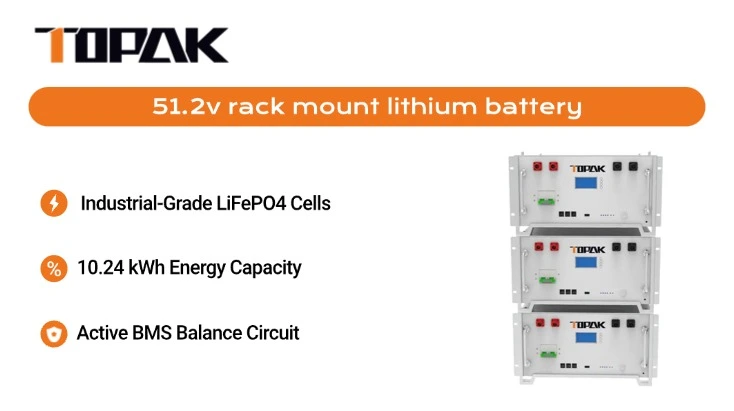
A 51.2V 200Ah rack mount battery is a high-tech way to store energy that was made to work in industry and business settings. This powerful system uses cutting-edge lithium iron phosphate (LiFePO₄) technology and can reliably provide 10.24 kWh of energy in a flexible rack-mountable design. The standard design makes it easy to connect to existing infrastructure, which makes installation much simpler and increases working efficiency. These batteries are now necessary in places like data centers, phone networks, and renewable energy sites where saving room and getting things set up quickly are critical.
Understanding the 51.2V 200Ah Rack Mount Battery
Core Functions and Relevance Across Industrial Sectors
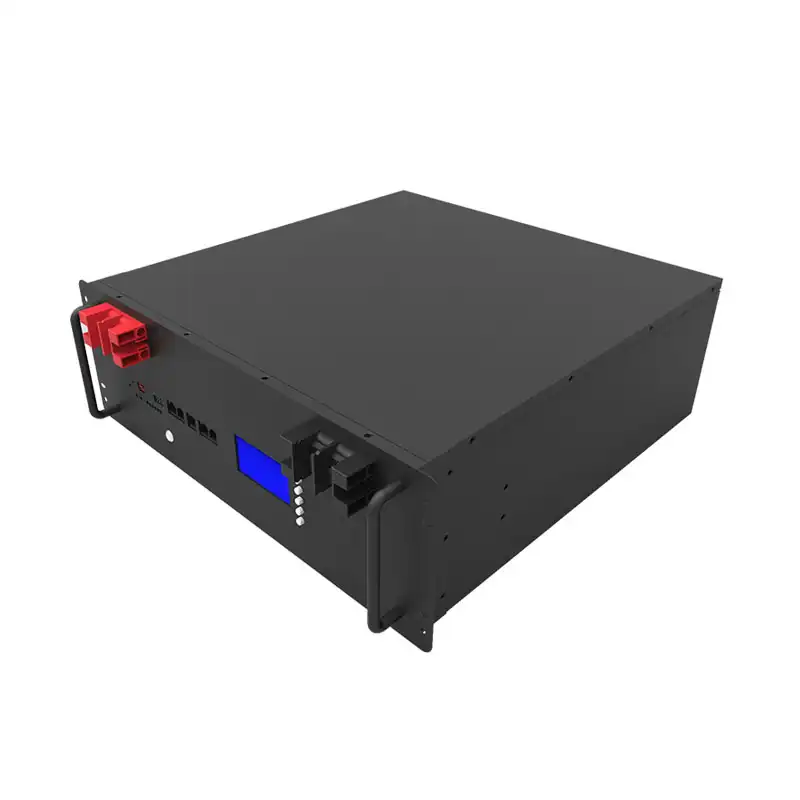
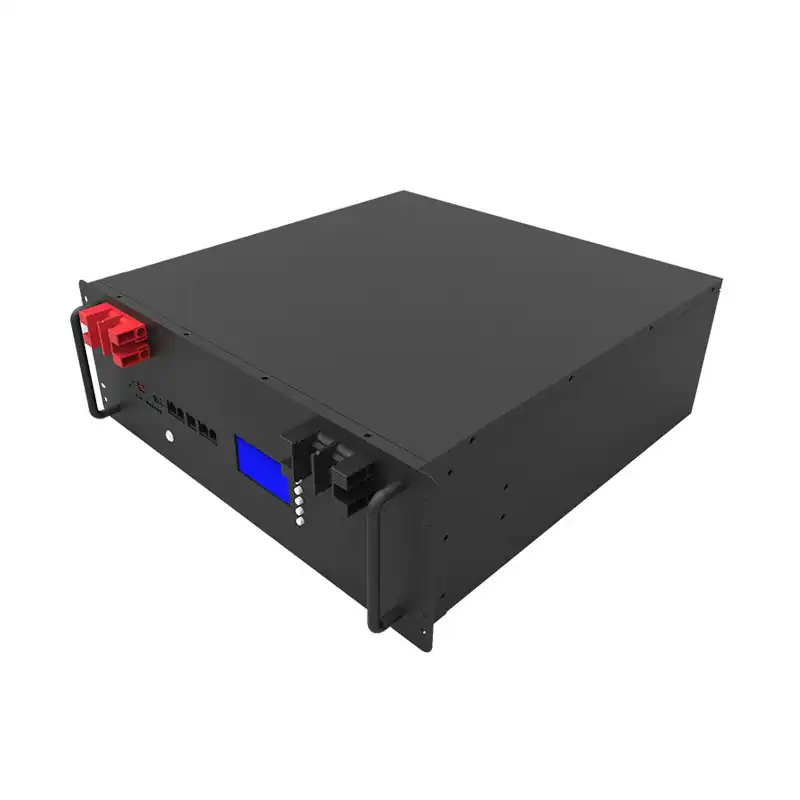
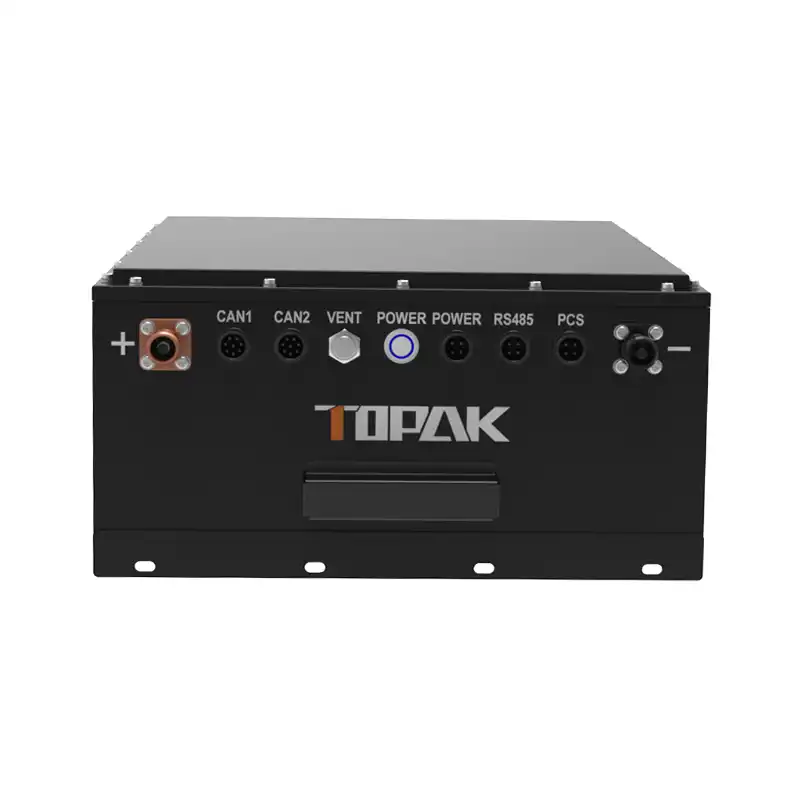
The 51.2V 200Ah rack mount battery design has changed how companies store energy and get backup power. Standardized units like these fit right into 19-inch server racks or specialized battery cabinets, while traditional battery systems need a lot of floor room and unique ways to mount them. Because they are compatible, they are very useful for keeping critical loads under control in data centers, making sure that telecom companies can keep their base stations online, and keeping automation systems safe in factories when the power goes out.Our TP-48200R model exemplifies this design philosophy. The small size (550×442×222mm) lets several units stack vertically with a small footprint, which helps building managers who often have to deal with limited room. When procurement teams look at energy storage choices, they are putting more and more weight on solutions that protect current real estate investments and provide industrial-grade performance.
Essential Technical Specifications
Knowing the specs of a battery lets you make smart buying choices that are in line with your operations. A 16S1P module is set up so that sixteen lithium iron phosphate cells are connected in series, giving it a standard voltage of 51.2V. The total system voltage is 3.2V from each cell, which is the same as the DC power designs used in telephones and industrial equipment.A capacity number of 200Ah means that the battery should be able to provide 200 amps of power constantly for one hour. In real life, the battery gives off power continuously for two hours at normal discharge rates of 0.5C (100A for this setup). The highest constant discharge current and charging current are both 100A. This provides enough room for high-demand uses without putting too much stress on the cells, which could shorten their life.The system weighs about 86 kg, which shows how densely LiFePO₄ chemistry can store energy. Other chemicals are lighter, but this one is heavier due to its better temperature stability and cycle life. The battery can handle up to 15 parallel links, which means it can be expanded from 10.24 kWh to over 153 kWh without having to change the architecture. This is an important thing to think about for businesses that are growing.
Internal Structure and Operating Principles
The internal structure of the battery is built upon our proprietary Battery Management System (BMS), a project we've been developing since the company's inception in 2007. The BMS constantly monitors the voltages, temperatures, and states of charge of all sixteen cells connected in series. Active balance circuits make sure that the charge is spread out evenly, which stops the capacity loss that happens in less advanced systems.Real-time integration with building control systems and SCADA platforms is possible thanks to communication ports like CAN and RS485 protocols. Mobile devices and cloud-based data systems can be monitored with optional Bluetooth and 4G modules. Because of this connectivity, maintenance teams can find problems before they affect activities. This helps with predictive maintenance tactics that lower the total cost of ownership.There are big practical benefits to the rack mount style itself. Standardized mounting bars and connection points get rid of the need for custom manufacturing during installation. Front-access terminals make servicing easier because they let technicians check on and change parts without disturbing equipment next to them. Cable management features built into the frame design make sure that wires are routed correctly, which cuts down on electromagnetic interference and makes debugging easier.
Benefits and Advantages of the 51.2V 200Ah Rack Mount Battery
Streamlined Installation Features
Modular 51.2V 200Ah Rack Mount Battery units are much easier to set up than other types of energy storage because they are made of modules. Hardware is mounted using standard methods that work with both telecom equipment racks and data center infrastructure. Installation teams that know how to set up servers can usually install batteries in less than two hours per unit, which cuts down on labor costs and project timelines by a huge amount.
Here are the maintenance benefits that make this method stand out:
- Tool-Free Mounting Systems: When installing something, you don't need any special tools because the rail clips and captive bolts are spring-loaded. Standard tools that come in facility repair kits are all that technicians need to correctly position units and securely lock them in place.
- Pre-Terminated Connections: Color-coded connections on factory-installed wire assemblies stop wiring mistakes that could be dangerous or cause performance problems. When compared to field-terminated options, the common connection protocol cuts startup time by about 40%.
- Integrated Lifting Points: Handles placed in strategic places can handle the 86 kg system weight, so two-person teams can usually move units safely without using motorized lifting equipment. This planning thought is especially useful when installing upgrades in old buildings that are hard to get to.
These installation improvements directly lead to lower project costs and faster rollout times. Companies that are upgrading their backup power systems can do the work during scheduled repair times, so there is no long downtime. During the transition period, operations can continue as usual.
Operational Benefits and Performance Characteristics
Lithium iron phosphate technology has a long life span, which is one of its best features for people who make purchasing decisions. At 80% depth of discharge, our battery can be used 6,000 times, which is a lot longer than lead-acid batteries, which usually fail after 500 to 1,000 cycles. Because it lasts so long, the battery can be used every day for over 16 years or as a backup for decades before it needs to be replaced.LiFePO4 chemistry is naturally thermally stable, which makes it reliable in tough conditions. Other lithium technologies need complex cooling systems to work, but these batteries can easily work in temperatures ranging from -20°C to 60°C. The built-in thermal management system keeps the cells at the right temperature without having to cool them down, which saves energy and makes the system simpler to use.Improvements in energy efficiency over older technologies add up to cost savings over the lifetime of the system. If round-trip efficiency is more than 95%, it means that very little energy is lost during charge and discharge processes. This efficiency benefit leads to measurable drops in electricity costs and environmental effects for uses that cycle on a daily basis, like solar energy storage or demand charge management.
Real-World Application Scenarios
Telecommunications companies have put a lot of rack-mount batteries in base station networks in a wide range of climates and locations. A regional carrier with more than 200 cell sites in the southwestern US stated that its network was up 99.97% of the time after switching from valve-regulated lead-acid to lithium rack-mount systems. Better performance at high temperatures and no longer having to shut down for maintenance, like adding water and cleaning the terminals, led to higher uptime.More and more, data center managers who are in charge of mission-critical infrastructure ask for lithium rack-mount batteries to be used in UPS systems. Because it uses the room more efficiently, each rack can hold more power, which lets data centers handle more computers in the same amount of space. Facilities that use lithium backup systems have reported that they need 30–50% less battery room space than facilities that use similar lead-acid installations.The high discharge capacity and fast recharge features are useful for industrial makers who use guided cars and robotic systems. Rack-mount batteries were used as backup power for robotic welding cells by a company that makes car parts and has a production line that works 24 hours a day, seven days a week. During the six months of testing, the system made smooth transitions during twelve different power outages. This kept about $470,000 in lost production and equipment damage from happening.
How to Choose the Right 51.2V 200Ah Rack Mount Battery?
Comparative Analysis with Alternative Configurations
When evaluating vendors, procurement teams often come across standards that don't agree with each other. This is especially true when comparing a 51.2V 200Ah rack mount battery and 48V nominal values. The voltage difference is not caused by changes in chemistry but by how the cells are set up. A 48V battery usually has fifteen cells connected in series (15×3.2V=48V), but our 51.2V system has sixteen cells connected in series (16×3.2V=51.2V).In some situations, this extra cell is very helpful. The higher standard voltage lowers the amount of current needed to deliver the same amount of power, which lowers the amount of resistance lost in the cables and connection points. For systems that produce 5 kW of power, a 51.2V battery draws about 98A, while a 48V version draws 104A. This difference in current levels makes cables last longer, and the system works more efficiently.Lifecycle cost analysis shows how much the property is worth after the initial purchase price is taken into account. Even though lithium batteries cost more up front than lead-acid batteries, they are more cost-effective in the long run because they last longer and need less upkeep. When you add up the replacement cycles, upkeep work, and disposal fees for a normal telecom installation over ten years, lithium systems are 35–40% cheaper than lead-acid ones.
Critical Selection Criteria for B2B Applications
The main technical requirement is that the voltage must work with the current equipment. Most telecommunications gear and industrial power systems work with 48V DC designs that can handle voltages between 40V and 60V. This means that the 51.2V nominal voltage can be used with normal equipment. Teams in charge of buying things should make sure that all the devices that are linked can handle the full range of voltages, including the highest voltage of about 58V.Aligning capacity varies on both how much energy needs to be stored and how long the discharge is expected to last. The 200Ah rate gives it a theoretical capacity of 10.24 kWh, but only about 8.2 kWh can be used when the suggested 80% depth of discharge is kept. Companies should figure out how much energy they need by looking at their key load patterns and how long they want their backups to last. They should then add in the right safety factors to account for the effects of future growth and aging.Warranty terms and the reliability of the provider should be carefully looked at because they have a direct effect on long-term value and risk management. Our normal warranty covers problems with the way the product was made and performance loss below certain retention levels. Since we started making things in 2007, we've set up quality methods that are approved to ISO9001:2015, ISO14001:2015, and ISO45001:2018 standards. This guarantees that the quality of our products will always be the same.
Evaluating Supplier Capabilities and Support Infrastructure
During the system design, installation, and operation phases, the supplier's expert help is very important. Before going on sale, our tech team does an application study to make sure everything works together and to find the best way to set up the system. This consultative method helps buying teams avoid making mistakes in the specifications that cost a lot of money and ensures that the solution chosen meets the real needs of the business.Delivery times and the availability of local help are affected by global transportation capabilities. We have distribution agreements in fifteen countries, which lets us place our goods more efficiently and respond more quickly to urgent needs. Companies with facilities in more than one country find it easier to standardize and serve multiple product lines when their suppliers are the same in all of those areas.Customization choices let normal product offers and specific application needs fit together. Our assembly plant in Shenzhen has automatic production lines that can adapt to different BMS customizations, form factors, and communication protocols. We've had in-house BMS development since the beginning, which lets us quickly add features that are specific to each customer without having to rely on third-party component vendors.
Installation and Maintenance Guide for 51.2V 200Ah Rack Mount Battery
Pre-Installation Safety Protocols and Site Preparation
Safety concerns start a long time before the actual installation work starts. A site survey should verify that the structure can hold the weight of all the 51.2V 200Ah rack mount battery systems, paying special attention to any seismic requirements that might be in place. When a 42U rack is fully loaded with fifteen battery units, the floor loading is close to 1,300kg, which means that structural checks need to be done in data centers with high floors.According to electrical safety rules, all power sources must be turned off before installation work can begin. The batteries are shipped with little power to make sure they arrive safely, but they still have enough power to deliver dangerous current levels. When working with charged battery systems, installation teams should wear the right safety gear, such as shielded tools, arc-rated clothes, and face shields.Long-term efficiency and safety are affected by the environmental controls in the installation area. LiFePO4 chemistry can work in a wider range of temperatures than other technologies, but the best cycle life is achieved when the temperature stays between 15°C and 30°C. Even though these batteries don't produce much heat when they're working normally, ventilation systems should make sure there is enough air flow to avoid hot spots.
Mounting Procedures and Electrical Integration
The steps for physically attaching follow normal methods for installing racks. Attaching sliding rails to the rack's vertical mounting posts at the right heights requires careful level alignment to make sure the door works properly and the cables don't get strained. The battery chassis slides onto these rails from the front, activating positive retention clips that keep it from coming loose by chance during earthquakes or repair work.There is a set order to electrical links that keeps people safe and keeps devices from breaking. The CAN or RS485 transmission cables are connected before the power cables. This lets the BMS set up and start tracking before the high-current paths are turned on. It is very important to follow the torque requirements for connecting power terminals exactly. Not enough torque can cause high-resistance connections that can burn, while too much torque can damage the terminals or wires.When connecting multiple units in parallel, you need to pay close attention to how the current is shared and how the voltage is synchronized. Before being attached to a parallel string, each battery should be individually commissioned to make sure it works correctly. Usually, the connection process goes from the communication bus to the negative DC terminals and then to the positive DC terminals. Before turning on the circuit, the correct polarity must be checked.
Routine Maintenance and Troubleshooting Protocols
Maintenance needs for lithium rack-mount batteries are much lower than those for older technologies, but they still need to be inspected regularly to make sure they work well and are safe. Visual checks should be done every three months to make sure that all the lights are working properly, that the connection points are not discolored or overheating, and that the cage is not damaged or contaminated by the environment.Monitoring communication systems allows for proactive repair methods that find problems as they arise before they affect operations. The RS485 and CAN connections let you get to specific working parameters, such as the voltages of each cell, data from temperature monitors, and data on the total charging and discharging cycles. Deviation from expected trends often means that repair needs to be done, like when connection resistance goes up or cell performance goes down.Communication problems, capacity checks, and fixing alarm conditions are all common problems that need to be fixed. Our technical support team helps with remote diagnostics by looking at logged data to find problems and suggest ways to fix them. The modular design makes it easy to change individual parts when they need to be, which cuts down on downtime and repair costs compared to monolithic battery models that need the whole system to be replaced.
Purchasing and Procurement Insights for B2B Clients
Strategic Sourcing Considerations
The plan for buying things affects both the short-term costs of a project and its long-term results. When you work directly with manufacturers, you can get professional help and make changes that aren't possible through other routes of marketing. Direct connections with manufacturers that allow for detailed technical teamwork are usually best for organizations that need to order large amounts of the 51.2V 200Ah rack mount battery or make changes that are specific to their needs.Authorized dealer networks help businesses that value fast shipping and local support more than the ability to customize products. Because our distribution partners keep inventory in multiple locations, wait times for common setups are cut from weeks to days. These partners also help with local language issues and help with regional licensing needs, which makes buying things easier for international companies.
Bulk Purchasing and Volume Considerations
Buying in bulk allows for savings of scale that make project costs much better. Most of the time, price breaks start at ten units, and prices get better at fifty, one hundred, and five hundred units. Companies that want to deploy to multiple sites should combine their purchases to get these benefits, even if the actual deployment takes more than one step.When hundreds of battery units are being used on a large scale, supply chain planning becomes very important. Under normal production plans, our automatic production lines can make about 2,000 units per month. For big projects with enough lead time, we can increase their capacity. For big projects, procurement teams should give moving predictions that let production schedules meet project deadlines without making too much inventory.
Total Cost of Ownership Analysis
The price of the purchase is only one part of lifetime economics. Shipping method and location have a big impact on how much it costs to transport something. For non-urgent deliveries, ocean freight is the most cost-effective choice. Usually, it costs about $1,200 to $1,800 to move twenty rack-mount batteries by ocean freight from Shenzhen to ports on the west coast of the US. This is on top of the $60 to $90 per unit landing costs.The cost of installation depends on the factors of the spot and how much experience the installer has with lithium battery systems. Companies with skilled data center or telecom construction teams can usually put batteries in place for $150 to $250 per unit in labor costs. Installation costs may be much higher on sites that need special electricity work or structure changes, which should be planned for in project budgets.Warranty terms and return policies protect buying investments against problems and poor performance. Our normal warranty covers production flaws for five years and promises that the battery will still hold at least 80% of its original capacity after a certain number of cycles. Options for longer warranties offer extra security for uses where the cost of replacement or the risk of downtime makes higher coverage worth it.
Conclusion
As 51.2V 200Ah rack mount battery technology has improved, it has opened up great possibilities for businesses that need safe, space-saving ways to store energy. The 51.2V 200Ah setup provides industrial-grade performance in a standard style that makes buying, installing, and maintaining the system easier over its entire lifecycle. When businesses buy these systems, they get energy storage infrastructure that can keep running for more than fifteen years and can be expanded in modules to meet changing needs. The full set of certifications, which includes IEC62619, UN38.3, and MSDS paperwork, lets the product be used in a wide range of legal settings without having to deal with expensive compliance issues.
FAQ
What differentiates 51.2V systems from standard 48V batteries?
The change in voltage is due to the way the cells are set up—sixteen cells in series versus fifteen cells in series. The higher voltage lowers the amount of current needed to transfer the same amount of power, which makes wires and connections more efficient. Both voltages can still be used with most 48V DC equipment, which can take input voltages from 40V to 60V.
How long can these batteries perform in demanding industrial environments?
At 80% depth of discharge, the LiFePO4 chemistry can handle 6,000 cycles, which is more than sixteen years of daily cycling work. In backup uses, calendar life often lasts longer than twenty years. Performance is affected by the temperature at which it is used, how the charge is managed, and the depth of discharge patterns that are unique to each application.
Can I integrate rack-mount batteries into existing infrastructure?
Standardized 19-inch rack support makes it possible to connect to data center hardware and telecommunications equipment racks. Most building control systems and SCADA platforms can be connected through the CAN and RS485 communication methods. As part of the pre-installation study, the structure load capacity and electrical compatibility with current equipment are checked.
What certifications validate safety and performance claims?
Our batteries are certified by IEC62619 for secondary lithium cells and batteries used in industry, by UN38.3 for safety in shipping, and by MSDS. The factories that make things keep their ISO 9001:2015 quality management, ISO 14001:2015 environmental management, and ISO 45001:2018 health and safety at work standards up to date.
Partner with TOPAK for Industrial-Grade Battery Solutions
Since 2007, TOPAK New Energy Technology has been making advanced lithium battery systems. They have a lot of experience with using these systems in the internet, data center, and green energy industries. We can provide both standard goods and custom solutions that meet specific operating needs thanks to our in-house BMS development and 25,000㎡ automated production plant in Shenzhen. As a reliable 51.2V 200Ah rack mount battery provider with customers in fifteen countries, we offer full technical help from the planning stages of the system all the way through to installation and ongoing upkeep.We want procurement managers and engineering teams to talk to us about how our TP-48200R battery systems can improve the reliability and working efficiency of your assets. Get in touch with our team at B2B@topakpower.com for full product details, price, and expert advice that is specifically designed for your needs.
References
1. Chen, M., & Wang, J. (2022). Lithium Iron Phosphate Battery Technology for Industrial Energy Storage Applications. International Journal of Energy Research.
2. Industrial Battery Systems Association. (2023). Best Practices for Rack Mount Battery Installation and Maintenance. Technical Standards Publication.
3. Telecommunications Industry Association. (2021). TIA-1005-A: Energy Storage Systems for Telecommunications Networks. Standards Document.
4. Martinez, R., Thompson, K., & Liu, S. (2023). Lifecycle Cost Analysis of Industrial Battery Technologies. Energy Storage Economics Quarterly.
5. National Fire Protection Association. (2022). NFPA 855: Standard for Installation of Stationary Energy Storage Systems. Fire Safety Code.
6. Zhang, L., Davis, P., & Kumar, A. (2023). Comparative Performance of Lithium Battery Chemistries in Data Center UPS Applications. IEEE Transactions on Industry Applications.