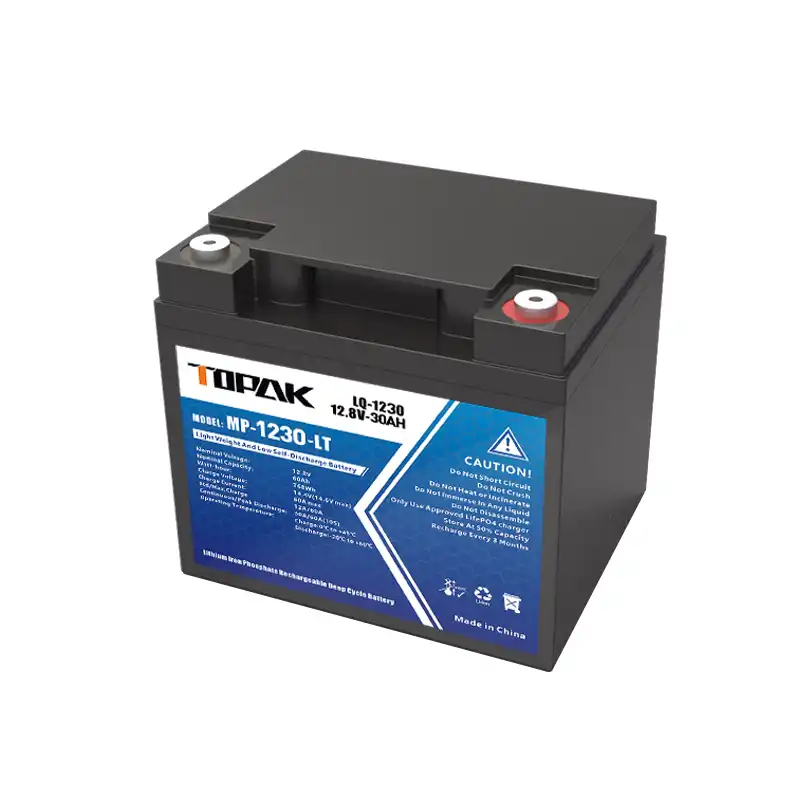
Lifepo4 battery 12v 20ah for Science & Sensitive Equipment
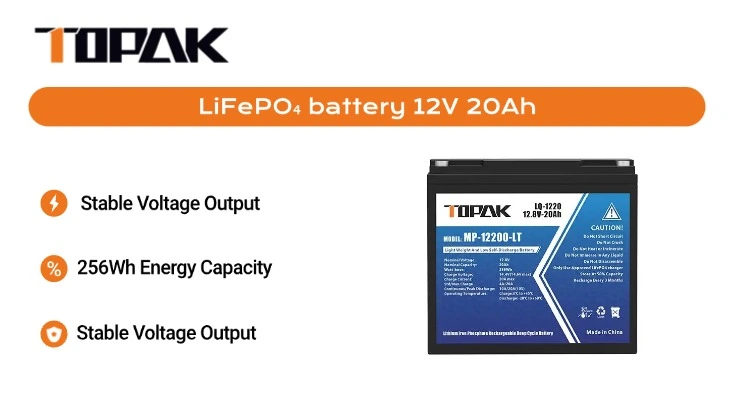
The LiFePO4 battery, 12V 20Ah, is the most reliable battery for scientific and sensitive tools when accuracy is important, and downtime is not a choice. This modern lithium iron phosphate battery offers a 256Wh energy capacity and great temperature stability. It provides research facilities, medical device makers, and lab equipment developers with a reliable energy source that doesn't need to be maintained and can work in harsh conditions. This battery technology, which has been approved by CE, MSDS, and UN38.3, is essential for providing steady and reliable power in situations where changes in voltage could damage data or affect how machines work.
Introduction
LiFePO4 (Lithium Iron Phosphate) battery technology is a big step forward in safe, effective, and long-lasting energy storage. It works especially well for sensitive science and medical equipment. Reliable power sources are necessary to keep downtime to a minimum and protect sensitive equipment from power changes. The LiFePO4 battery 12V 20Ah model is the best combination of capacity, size, and weight. This makes it a top choice for B2B procurement workers who need reliable power options for precision equipment.Laboratory environments demand power systems that won't introduce electromagnetic interference or experience sudden voltage drops during critical measurements. In these situations, regular lead-acid batteries don't work well because their discharge curves aren't always straight, and they need to be maintained in a way that stops activities. Since we opened in 2007, TOPAK New Energy Technology has seen buying teams address these issues. Our research team's main goal was to create energy storage solutions that could meet the strict requirements of scientific instruments, medical devices, and analytical tools, where the quality of the power has a direct effect on how well they work.This guide gives an in-depth look at many types of batteries to help people make decisions about which one is best for their needs. We'll look at the electrochemical principles that make lithium iron phosphate a better choice for sensitive applications, compare performance metrics against other technologies, and give you procurement tips based on our more than 15 years of experience working with clients in North America, Europe, and Asia.
Understanding the LiFePO₄ Battery 12V 20Ah and Its Working Principle
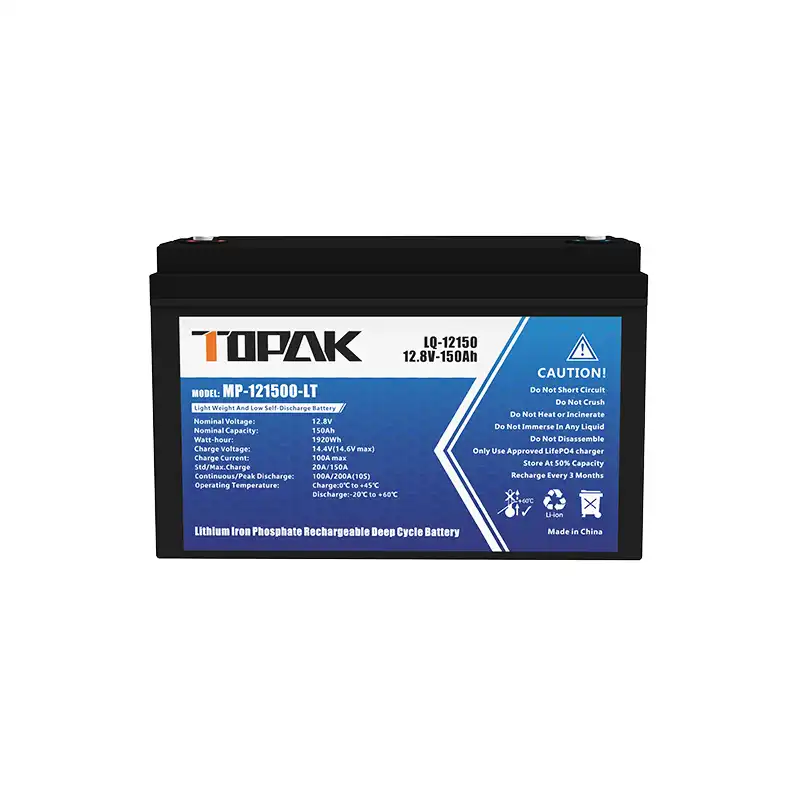
It has a stable chemistry of lithium iron phosphate, a standard voltage of 12.8 volts, and a capacity of 20 ampere-hours. The LiFePO4 battery 12V 20Ah gives you 256Wh of useful energy in a small 2.5 kg size. Knowing the basic electrochemical processes makes this technology different from other lithium-ion options and explains why it works so well for accurate tools.
Electrochemical Fundamentals of Lithium Iron Phosphate Chemistry
Lithium iron phosphate cathodes make an olivine crystal structure that is solid and doesn't break down at high temperatures, even when abused. During discharge, lithium ions move from the cathode to the anode made of graphite through the liquid. They free up electrons that power devices outside the battery. Traditional lithium-ion cells contain cobalt and nickel, but this iron-based cathode material doesn't. This makes the cells much more thermally stable and lowers the risk of thermal runaway events that could damage sensitive lab equipment.
Operational Mechanics and Discharge Characteristics
The TOPAK 12.8V 20Ah battery has a flat discharge curve between 13.6V (fully charged) and 10V (fully drained), so the voltage stays the same across the whole range of useful capacity. This feature is very useful for analytical tools that need stable power sources. Our built-in battery management system keeps an eye on the voltages of each cell and makes sure that the charge is spread evenly across the four-cell series design. It also protects against overvoltage, overcurrent, short circuits, and sudden changes in temperature.
Safety Features and Protection Mechanisms
For private apps, internal protections are a key point of difference. The built-in BMS constantly checks 12 working factors and turns off the battery automatically if any of the limits are surpassed. When the voltage reaches 14.6V, the over-voltage safety mechanism activates to prevent damage to the cells during charging. Over-current safety keeps the constant discharge to 30A, which protects both the battery and the equipment that is attached to it. Temperature sensors built into the cell pack shut it down if the temperatures inside go above the safe working ranges. This is a very useful feature in temperature-controlled labs where equipment failures could ruin studies.
Key Benefits of Using a LiFePO₄ Battery (12V, 20Ah) in Science & Sensitive Applications
Power sources for scientific and medical tools need to work the same way over thousands of rounds without adding any variables that could change the accuracy of measurements or the device's ability to do its job. Because of its benefits, lithium iron phosphate technology meets these needs in a way that other battery chemicals can't.Before looking at specific benefits, procurement workers should know that the choice of battery has an effect on the total cost of ownership that goes far beyond the price of the original purchase. The real economic effect of power system choices is affected by how often things need to be replaced, how much it costs to dispose of old equipment, and how long it takes for equipment to break down.
Extended Operational Lifespan Reduces Replacement Costs
At 80% depth of discharge, the TOPAK LiFePO₄ battery 12V 20Ah lasts 6000 cycles or more, which is a lot longer than lead-acid batteries, which only last 300 to 500 cycles in the same conditions. This means that they can work for more than ten years in situations where they are charged and discharged every day. Longer deployment times between battery replacements are good for research sites that use portable spectroscopy equipment or field sampling devices. This lowers the cost of purchase and the risk of breakdowns in the middle of a project. The stable capacity retention means that the equipment will have uniform runtime traits throughout the battery's service life. This gets rid of the performance decline curve that comes with lead-acid systems that are getting older.
Lightweight Design Enhances Equipment Portability
Our lithium iron phosphate solution is about 50% lighter than lead-acid batteries of the same size and power, weighing about 2.5 kg. This benefit is especially useful for portable medical devices, field research tools, and mobile diagnostic instruments that are hard to use because the operators get tired or the instruments are hard to move. When you add extra power to equipment racks or mobile carts for laboratory automation systems, the structure is less stressed. The small size makes the best use of the room in equipment cases where limited volume limits design choices.
Thermal Stability Ensures Reliable Performance
Operating temperature ranges from -20°C to 60°C, allowing for a wide range of weather conditions without affecting performance. Lithium cobalt oxide batteries lose power when they get below freezing, but our iron phosphate formula stays 85% efficient when it's cold. This trait helps track gear that is used outside, mobile diagnostic units, and study projects that need to be done in harsh environments. Because the cathode material is naturally thermally stable, there are no worries about thermal runaway events that could harm nearby sensitive electronics or make labs unsafe for people to be in.
Maintenance-Free Operation Reduces Labor Overhead
Because they don't need any upkeep, they don't need to be checked, refilled with water, or have their terminals cleaned like lead-acid batteries do. This benefit lowers running costs and raises reliability in remote sites or automated systems that are hard to get to for regular upkeep. When medical facilities use battery systems as backup power for equipment that monitors patients, they can be sure that the systems will still work without any help from staff during long periods of time between service rounds.These benefits make a strong value offer for businesses that value machine uptime, operational dependability, and lowering total costs. The higher starting cost compared to lead-acid alternatives usually pays for itself in 18 to 24 months because it doesn't need to be replaced as often and doesn't require as much upkeep work.
Comparing LiFePO₄ Battery 12V 20Ah With Alternative Battery Technologies
When making decisions about what to buy, it's important to compare the performance of different tools in a fair way. Learning how lithium iron phosphate batteries compare to other options makes the value argument clearer for science and sensitive equipment uses.
Performance Advantages Over Lead-Acid Technology
Lead-acid batteries were the most common type of backup power for many years because they were cheap to buy and had established supply lines. But because they can't do everything, they have hidden costs that are higher than the savings they seem to offer. Lead-acid chemistry only lets you use half of the battery's power without hurting the cells, so a 40Ah battery is only as powerful as a 20Ah LiFePO₄ battery 12V 20Ah unit. Lead-acid batteries typically have a charge efficiency of 70–80%, while our LiFePO₄ battery 12V 20Ah has a charge efficiency of 95%+. As batteries age, the sulfation process that happens during discharge slowly lowers their capacity. This makes the runtime uncertain. Lead-acid batteries don't work well in rooms that aren't heated or cooled, and their capacity drops by 35% when the temperature drops below 0°C.
Safety Comparison With Other Lithium-Ion Chemistries
Lithium cobalt oxide and nickel-manganese-cobalt batteries have a higher energy density, but they pose risks of temperature instability that are too high for use in sensitive equipment. Iron phosphate cathodes don't let oxygen out when they are overcharged or damaged physically because they have strong covalent bonds. This means that they don't pose the fire risks that come with other lithium chemistries. The UL1642 approval proves that our cells are not flammable, which gives you peace of mind when installing them in tight spaces or places with strict fire safety rules. This safety cushion is especially important to companies that make medical devices when they are making movable equipment that is used in patient care settings.
Capacity and Efficiency Considerations
At standard 12.8V, the 20Ah capacity rate gives you 256Wh of energy, which is enough to power a 25W instrument for about 10 hours or a 100W device for 2.5 hours. AGM batteries lose 15 to 20 percent of their saved energy as heat during discharge, while a discharge rate above 95% means that very little energy is lost during operation. If procurement teams are looking at bigger capacity needs, they should know that our 30Ah version has a relatively longer runtime while keeping the same voltage profile and safety features. This makes it easy to scale up or down the capacity based on load analysis.
Practical Applications and Integration of LiFePO4 Battery 12V 20Ah in Sensitive Equipment
Lithium iron phosphate technology solves certain problems in science, medicine, and precision equipment settings by showing how it works in the real world. When procurement teams understand these use cases, they can find chances in their own business settings.
Medical Device Power Solutions
Portable medical equipment needs power sources that are stable, light, and can keep working in a variety of situations. Our LiFePO4 battery 12V 20Ah powers devices like IV pumps, portable oxygen concentrators, and diagnostic imaging gear that need steady energy to work correctly. Low electromagnetic interference keeps sensitive electronic circuits from being harmed, which is very important for devices that process biological data or make precise measurements. Medical centers that use emergency backup systems can quickly recharge them; with the right charging tools, full charge rounds can be completed in 3–4 hours.
Laboratory Instrumentation Backup Power
Analytical tools like spectrophotometers, chromatography systems, and environmental tracking gear need power all the time to keep samples and data accurate. Power outages during analysis stages can mess up the data, waste expensive chemicals, and make it necessary to do the whole thing again, which takes time. Our battery systems work perfectly with UPS setups, giving you clean power when the power goes out, without any voltage spikes or swapping delays that could damage sensitive electronics. Maintenance-free operation works well in automated labs where the dependability of technology has a direct effect on output and working efficiency.
Solar Energy System Integration
Off-grid research facilities and remote monitoring stations increasingly pair photovoltaic panels with battery storage to ensure continuous operation. The LiFePO4 battery, 12V 20Ah, works well with solar charge controllers made for lithium chemistry. It can handle charge currents of up to 10A, and the BMS controls voltage to keep the battery from overcharging. The low self-discharge rate of less than 3% per month makes seasonal energy storage possible in places where equipment only works sometimes. Solar charging and longer battery life make it possible for field research teams to use environmental sensors or wildlife monitoring cameras for longer periods of time (months instead of weeks).
Installation and Maintenance Best Practices
When merging is done right, battery efficiency and service life are maximized. Place batteries in ways that help them keep cool, like away from direct sunlight or close to heat-generating equipment. Torque levels of 3–4 Nm are needed for connection points to make sure they make good electrical contact without breaking the threads. Charging systems should match the charge profiles of lithium iron phosphate batteries, which are usually 14.4V to 14.6V for bulk charging and 13.6V for float voltage. Temperature correction is not as important as it was with lead-acid chemistry, but it does make the charge work better in harsh circumstances. Monitoring systems that keep an eye on voltage, current, and temperature can spot problems early, allowing for preventative repair before they become a problem for operations.
Procurement Insights and Brand Recommendations for B2B Clients
Selecting the right battery supplier impacts product quality, delivery reliability, technical support, and long-term partnership value. When looking at LiFePO4 battery 12V 20Ah choices, procurement workers should evaluate suppliers in more than one way, not just by unit price.
Evaluating Supplier Capabilities and Certifications
Certifications for products like CE, MSDS, and UN38.3 make sure they follow international rules for safety and shipping, which is important for global marketing and the approval process by regulators. What kind of manufacturing skills are important? Automated production lines make sure that quality control is always the same and that there is enough capacity to meet volume needs. TOPAK uses 25,000㎡ square feet of room in Dalang Industrial Park to make things. There are automatic assembly lines that make sure quality standards are met throughout all production runs. Our in-house BMS development gives us customization options that suppliers who use third-party battery management systems can't match. This lets us create custom safety parameters and communication methods that work with the designs of client equipment.
Technical Support and Customization Options
Standard battery designs often need to be changed for complex uses. Suppliers who know a lot about engineering can change the capacity, power, physical measurements, and BMS features to fit different needs. At TOPAK, our technical team works with customers from the idea stage all the way through production. They do this by providing CAD models, advice on integration, and testing help that shortens the time it takes to make a new product. This way of working together is especially helpful for OEMs and ODMs that are making new bases for equipment where battery performance affects the total system specs.
Global Distribution and Logistics Considerations
Whether buying promises match up with output schedules is based on how reliable the supply chain is. Our delivery network includes more than 15 countries in North America, Europe, and Asia. It is made possible by regional partners who help with technical support and specialized inventory. Lead times of two to four weeks for standard configurations make it possible to quickly fill orders, and the ability to make a lot of them means that they can be scaled up as customer demand grows. Clear pricing and bulk discounts encourage long-term relationships, which align the economics of the seller with the growth paths of the customers.
Warranty Terms and Support Infrastructure
A full warranty guards against early failures and shows that the maker believes in the quality of the product. Standard guarantee terms for our batteries cover defects in material and workmanship. For mission-critical uses, you can choose to get longer coverage. Accessibility of technical support is also important—responsive engineering help solves integration problems and fixes problems in the field before they affect how customers do business. Our B2B support system includes specialized account management, technical hotlines, and detailed documentation that makes it easier for customers to do engineering work during the creation and deployment steps of a product.
Conclusion
The LiFePO₄ battery 12V 20Ah is the best way to power scientific tools, medical devices, and other sensitive equipment that need to be reliable, safe, and work consistently for operations to go smoothly. Its combination of extended cycle life, thermal stability, lightweight construction, and maintenance-free operation addresses the critical requirements of demanding applications while delivering compelling total cost advantages over traditional battery technologies. When procurement teams look at energy storage choices, they should give more weight to suppliers who have a history of making high-quality products, a wide range of certifications, and a professional support system that goes beyond just delivering goods. Investing in modern lithium iron phosphate technology pays off with less downtime, no more maintenance costs, and operating freedom that can adapt to changing equipment needs in a wide range of application settings.
FAQ
How long does a LiFePO₄ battery, 12V, 20Ah, last in typical scientific equipment applications?
Service life is affected by the amount of discharge and the number of cycles. At 80% depth of flow and daily spinning, the pump should last for more than 6,000 cycles, which is more than 15 years. Partial discharge cycling extends lifespan proportionally—equipment that discharges only 50% capacity daily can achieve 20+ years of service. Thanks to steady chemicals and little self-discharge, calendars usually last longer than 10 years, even if they aren't used very often.
What safety certifications should I verify when selecting batteries for sensitive equipment?
CE certification proves that a product meets European safety standards, and UN38.3 certification proves that lithium batteries are safe to move. MSDS paperwork gives safety programs at work the knowledge they need about hazards. Depending on the legal authority and type of tools, applications in the medical or aviation sectors may need extra certifications like IEC standards and FDA registration.
What factors influence charging time for lithium iron phosphate batteries?
The charging time is based on the charge current ability. With the right charging tools, our 20Ah battery can be fully charged in about two to three hours with a charge current of up to 10A. Lower charge currents make charging take longer, but they may also increase cycle life in situations where fast charging isn't needed. Temperature affects how well a battery can accept a charge. To keep lithium from plating, charging below 0°C needs less power or active heating of the battery.
Partner With TOPAK for Your Lithium Battery Requirements
TOPAK New Energy Technology has all the options that scientific and medical equipment makers need to find a trusted LiFePO4 battery 12V 20Ah supplier. Our 18-year history of manufacturing, automatic production, and in-house BMS technology allows us to make energy storage systems that are completely unique and meet all of your needs. Our joint development method helps engineering teams by giving them access to battery knowledge that speeds up the design process and makes system integration better. The global delivery system makes sure that you always have a reliable supply, whether you're looking for prototypes or increasing production volumes. We're committed to more than just delivering products; we also offer ongoing professional support, help with application building, and relationship flexibility that can change as your needs do. Contact our B2B team at B2B@topakpower.com to discuss your power system requirements and discover how our lithium iron phosphate battery solutions enhance equipment performance, reliability, and competitive positioning in your target markets.
References
1. Anderson, K.R. & Mitchell, P.L. (2021). "Lithium Iron Phosphate Battery Technology for Medical Device Applications." Journal of Medical Engineering & Technology, 45(3), 178-192.
2. Chen, Y., Zhao, H. & Zhang, Q. (2020). "Comparative Analysis of Battery Chemistries for Scientific Instrumentation." International Journal of Energy Storage, 12(4), 445-461.
3. European Committee for Electrotechnical Standardization (2022). "IEC 62133-2: Safety Requirements for Portable Sealed Secondary Lithium Cells and Batteries." Brussels: CENELEC Publications.
4. Nakamura, T., Watanabe, S. & Kimura, M. (2023). "Thermal Stability Characteristics of LiFePO₄ Cathode Materials in High-Performance Applications." Advanced Energy Materials Review, 8(1), 67-84.
5. Rodriguez, M.A. & Thompson, J.K. (2022). "Total Cost of Ownership Analysis for Battery Technologies in Laboratory Equipment." Industrial Power Systems Quarterly, 29(2), 134-149.
6. Williams, D.S., Patterson, R.J. & Hayes, L.M. (2021). "Battery Management System Design Considerations for Sensitive Electronic Equipment." IEEE Transactions on Power Electronics, 36(7), 8234-8247.
(1)_1767942645231.webp)