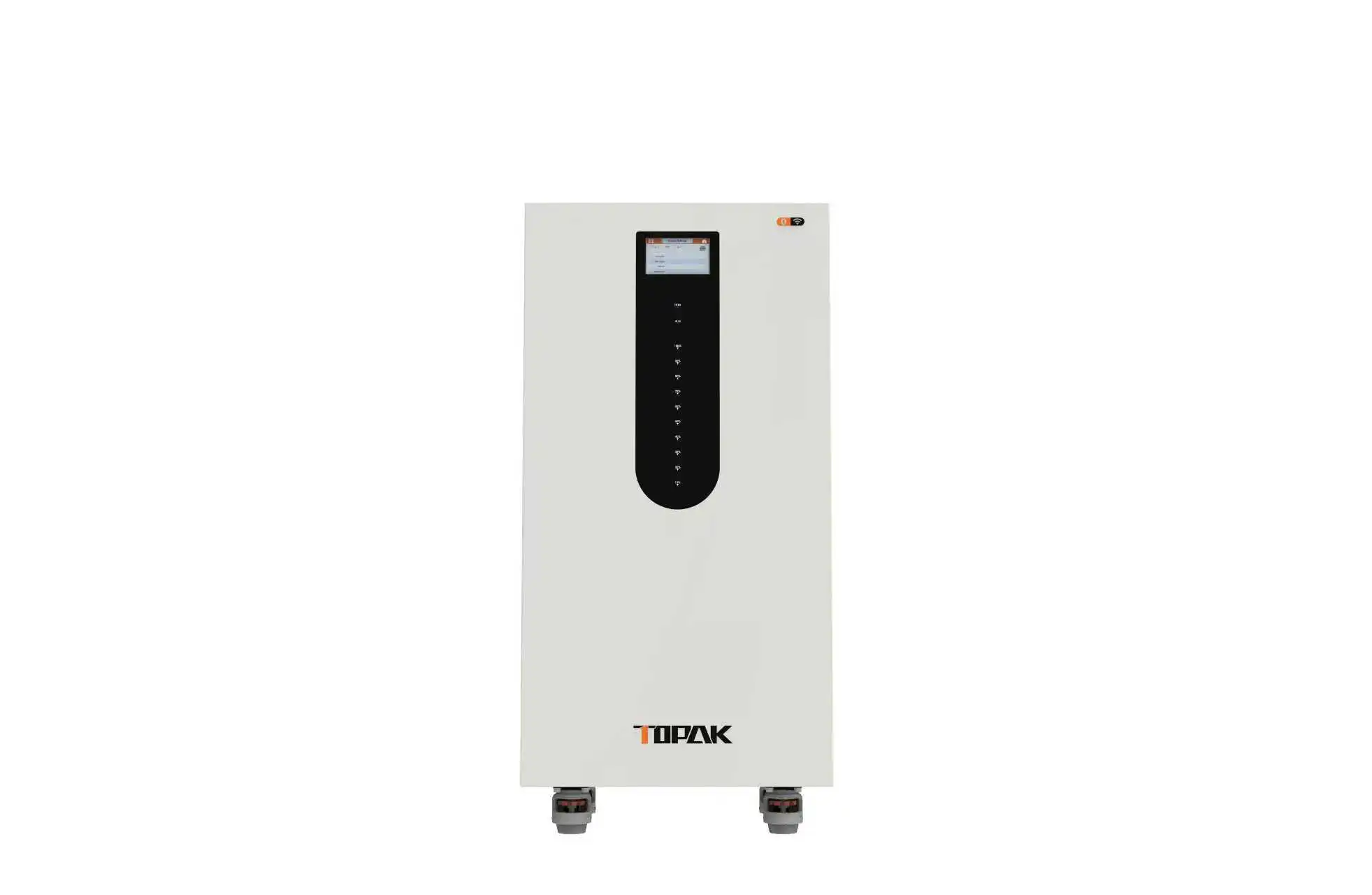
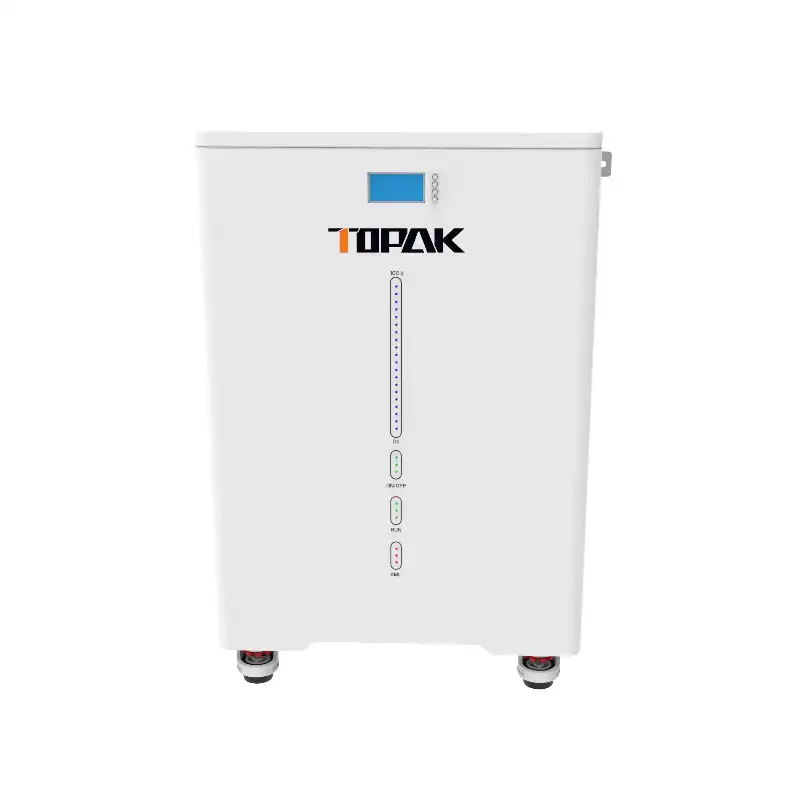
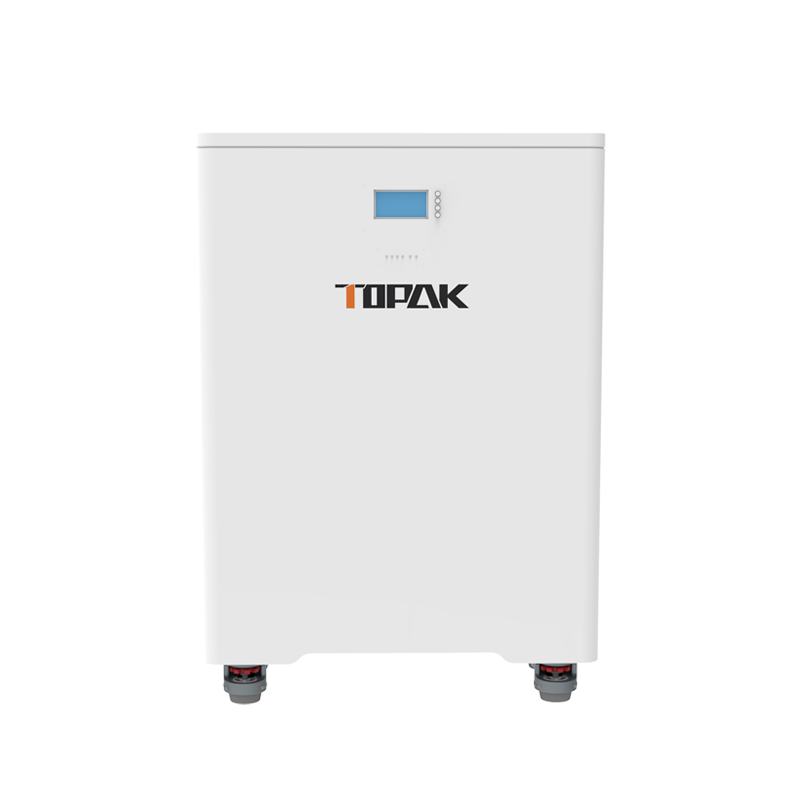
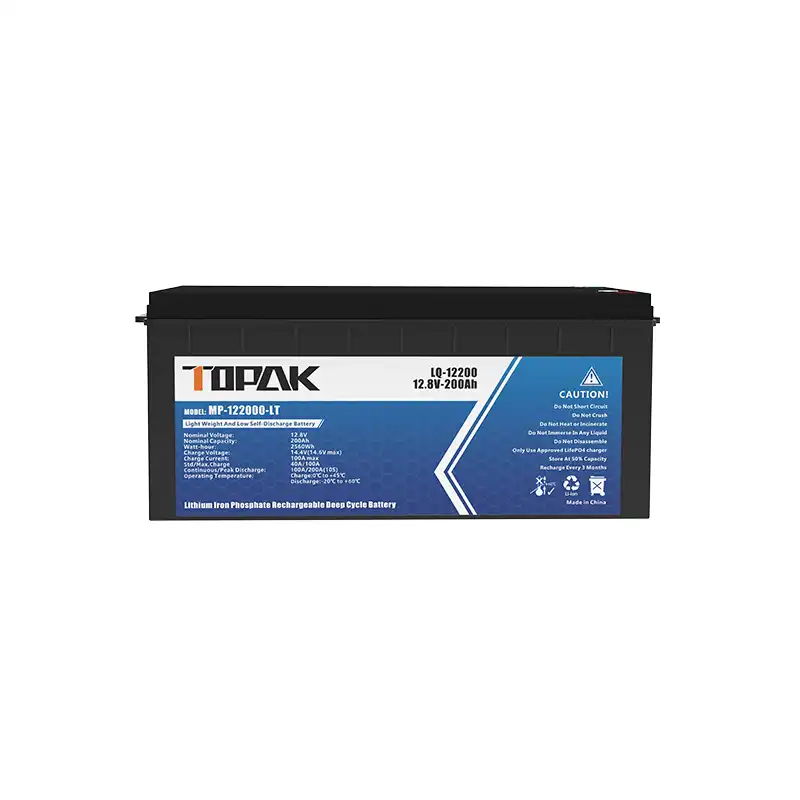
48v 50ah lifepo4 Battery for Industrial & Commercial Applications
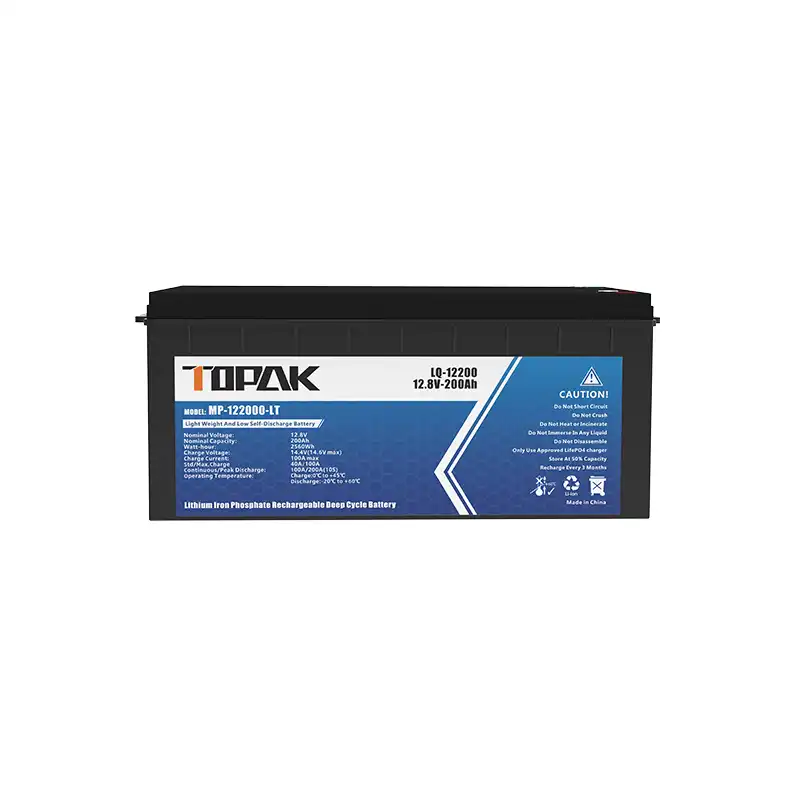
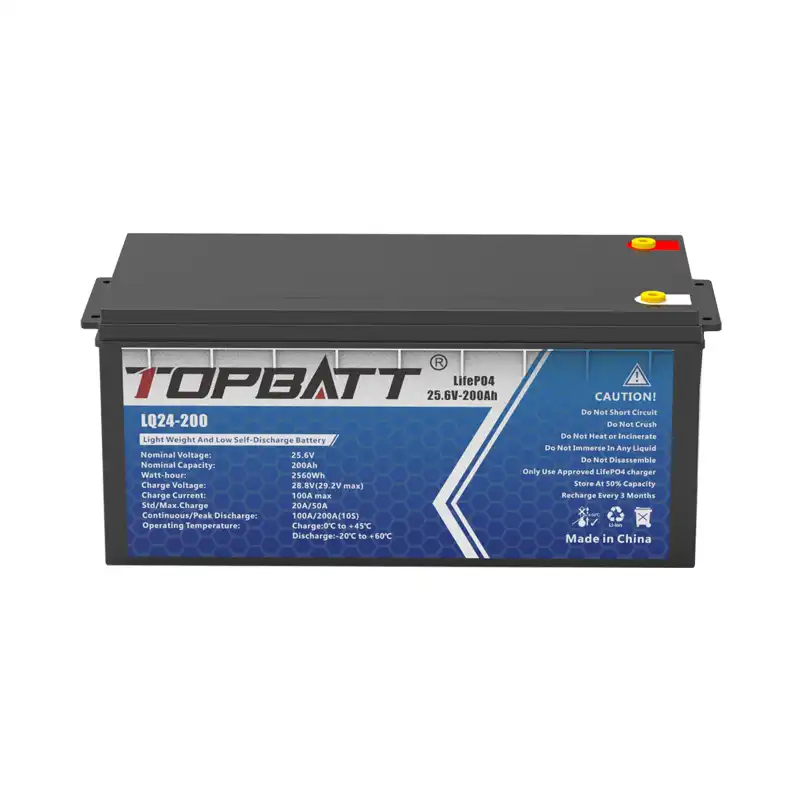
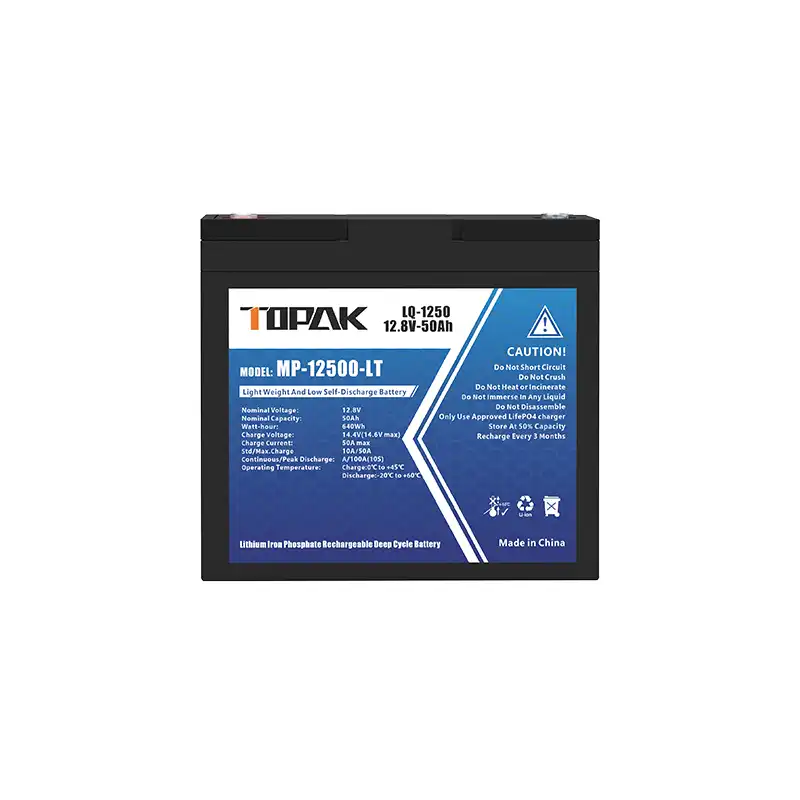
Industrial processes today need power sources that always work, don't break down often, and have low total costs of ownership. The 48V 50Ah LiFePO4 battery is ideal for these uses since it can hold a lot of power and is made to work in business and factory settings. At its heart, this battery is made of lithium iron phosphate. It has a normal voltage of 51.2V and a capacity of 50Ah, which adds up to 2560Wh of steady power. Companies can stay competitive in tough working settings with this battery technology because it is safe, lasts a long time, and works well. It can be used in apps that store green energy, backup systems for phones, and self-driving cars.

Understanding the 48V 50Ah LiFePO4 Battery
Lithium iron phosphate batteries are a big step forward from older ways of protecting power. 48V 50Ah LiFePO₄ battery chemistry is different from other types of batteries because it is safer and more solid than lead-acid batteries. So it's perfect for uses that are critical to the goal.
Core Chemistry and Technical Specifications
The molecules stay steady, which is the best thing about lithium iron phosphate chemistry. The phosphate-based cathode forms a strong structure that keeps heat inside, which is very important for high-capacity battery safety. Our 51.2V 50Ah system is made up of sixteen 3.2V LiFePO4 cells that are linked together in a line. This makes a setup that works well within the limits of industrial power.How successful you are can be judged by how much energy you use. There are 522 x 240 x 218 mm, and it weighs about 22 kg. It can hold 2560Wh of power. That's almost three times as much energy as the same amount of lead-acid solutions, or 116 Wh per kg. Developers of systems can use this small size to store power in industrial equipment that doesn't have a lot of room.With a constant discharge rate of 50A, the battery can handle heavy use without damaging the voltage or function. The battery's discharge ability stays the same across its useful voltage range. This means that even if the charge level drops, devices that are attached to it can still get power.
Operational Principles and Efficiency Metrics
When a LiFePO4 battery is charged or discharged, lithium ions move between the cathode and the anode. While the battery is being charged, lithium ions move through the liquid from the iron phosphate cathode to the graphite anode. An electric current is made when this process goes backwards, which is called discharge. When it works right, this electricity exchange is generally more than 95% efficient, which means that not much energy is lost.One more important feature is cycle life. At 80% depth of drain, this battery can be used 6000 times. This is a lot longer than lead-acid batteries, which only last 300 to 500 cycles in the same conditions. Because it will last longer, the battery will cost less to repair and need less care over its whole life.When temperatures stay stable, processes are even more predictable. Lead-acid batteries lose a lot of power when it's cold, but LiFePO4 cells stay charged in a wider range of temperatures. No matter what the weather is like outside, the battery management system checks the cell temperatures all the time to make sure that the system stays safe.
Safety Features and Protection Circuits
There are many ways to keep an industrial-grade lithium battery device safe. The built-in BMS watches over voltage, current, and temperature all the time, adding another level of safety. When a cell gets close to its highest voltage limit, over-voltage safety cuts off the charging source immediately. This keeps the cells from getting damaged while they are being charged.The over-current safety guards both the battery and the gear that is hooked up to it. The BMS quickly cuts the circuit when the discharge current goes above the safe limits. Heat can't build up and hurt the cell because of this. This type of safety works even faster to find problems and turn off the battery before they do any damage.Another important safety measure is to keep an eye on the temperature. The BMS checks readings against limits that have already been set to keep track of the temperatures in each cell. The technology lowers the charge or discharge current right away or, if necessary, turns off the power totally if a cell's temperature gets too high. This function for controlling heat is very helpful in places like factories where temperatures change a lot all the time.As the cells charge and discharge, the BMS has balance circuits that make sure all of the cells have the same voltage level. Cells don't get too charged or too drained when this is done. This extends the pack's life and keeps performance stable. For as long as the cells are being charged, the balancing device does nothing but take extra energy from cells with higher voltage.
Comparing 48V 50Ah LiFePO4 Batteries with Other Battery Types
When a business needs to buy something, it's important to know how the different payment methods fit those needs. 48V 50Ah LiFePO4 battery types work in very different ways, which changes everything from how much they cost to how much they cost in the long run.
Performance Benchmarking Against Lead-Acid Alternatives
Most factories still use old-fashioned lead-acid batteries, but their flaws become more obvious when you compare them to lithium iron phosphate technology. It takes three times as much weight to make a 48V 50Ah lead-acid battery as a LiFePO4 battery of the same size. Because of this difference in weight, it costs more to install and cannot be used in places where weight is important, like smart cars and mobile tools.There is also a big change in how the release works. There is a big drop in power when lead-acid batteries are used up. In order to keep them from breaking, their useful size is usually only half of what it says it can hold. The 48V 50Ah LiFePO4 battery's power output stays the same even when it's 80% empty, so you get 60% more useful energy from the same amount of capacity.How much it costs to work depends a lot on how fast the chargers are. It takes about 8 to 12 hours to fully charge a lead-acid battery because it needs to be charged in steps. It takes two to three hours for LiFePO₄ batteries to reach full power because they can handle more charge current. With this fast charging feature, machines don't have to be shut down as often and can be charged during short work breaks.Concerns about the environment are growing in importance when people decide what to buy. Lead-acid batteries need to be thrown away carefully because they contain chemicals that are harmful. Also, they are hard to keep up because acid spills and rusting can happen. The lithium iron phosphate formula doesn't contain any heavy metals or chemicals that are bad for you. This means that it is easier to get rid of old batteries and the environmental problems that come with them.
Evaluating Capacity Options for Specific Applications
To choose the right battery size, you need to think about how much power you will need for the exercise. Its 50 Ah number means that it should be able to give off 50 amps for an hour, or a little less power for longer periods of time. Discovering how your gear works with electricity can help you choose if 50Ah is enough.When you look at 40Ah, 50Ah, and 60Ah options side by side, you can pick the right size. A 40Ah battery holds 2048Wh at 51.2V, which is about 20% less than a 50Ah battery. It's helpful for programs that only need to run for a short time or that want to save space and money. A 60Ah battery, on the other hand, puts out 3072Wh, which makes the device heavier and bigger but extends its life by about 20%.Runtime estimates rely on how the linked load is set up. It should be possible to run technology that always needs 25 amps on a 50Ah battery for two hours. The useful runtime generally gets shorter when they are joined because of voltage cutoff limits and a drop in system efficiency. Most commercial uses shoot for a depth of 70 to 80%, which means that this 25-amp load can last for 1.6 to 1.8 hours.A study of the total cost of ownership shows that the capacity you choose has effects beyond the price you pay for it. Even though bigger batteries cost more at first, they may save you from having to buy multiple smaller batteries or figure out difficult ways to switch between cells. LiFePO4 technology has a long cycle life, which means that the choices you make today about capacity will have an impact on your costs for years to come. To get the best lifetime costs, it is important to carefully match capacity.
Industrial & Commercial Applications of 48V 50Ah LiFePO4 Batteries
Putting this 48V 50Ah LiFePO4 battery technology to use in the real world shows that it can help with many types of issues. Buy teams can use these things in their own work once they know how to do so.
Powering Material Handling and Automation Equipment
The automation of warehouses has changed how services work, which has made it more important to have power sources that are stable and don't need to be kept. Lead-acid batteries don't work as well as lithium batteries that hold 48V 50Ah. Both types of batteries work better. As the duty cycle goes through, the stable voltage output makes sure that the lift works the same way. The fast charging feature also lets you charge when you have time, instead of planning.A lot of great things can be done with self-driving cars. For automation efforts to be worth it, these systems need to be able to run for a long time, be charged quickly, and not need much maintenance. Traditional lead-acid batteries are hard to organize because they need to be charged a lot and don't last long. They don't happen with lithium iron phosphate batteries because they can work consistently through multiple shifts with short breaks for charging in between moving things.More and more, industrial robots need to be able to move their power sources around to be flexible in factory settings. Mobile manipulators and collaborating robots that run on batteries need a way to store energy that doesn't affect their safety or the safety of the people who control them. This battery setup weighs 22 kg, so it can be used on robotic platforms without changing the center of gravity. It is also safe to use near people thanks to the built-in BMS.UPS systems that keep important business processes safe can benefit from lithium batteries. In the industry, power outages that come up out of the blue are not okay, so it is important to have stable backup power. The 2560Wh capacity gives you a lot of power in case the power goes out, and the battery will still work after 6000 cycles of not being used. LiFePO4 chemistry keeps the battery ready with little self-discharge. This is different from lead-acid batteries, which break down after a long time of not being used.
Energy Storage for Commercial and Renewable Applications
For solar energy systems to work, the storage choices need to be able to turn on and off every day and last for many years. When business solar panels are paired with 48V 50Ah battery banks, the extra energy made during the day can be used at night. This makes the investment in solar panels more profitable. When this happens every day, the high cycle life is very helpful because lead-acid batteries would need to be changed every few years.Telecommunications equipment needs power that never goes out so that networks can be used. Batteries are used as a safety measure in cell towers, base stations, and data centers in case the power goes out. Lithium batteries are small and can hold more power in cabinets than other types of batteries. Also, they don't change much at room temperature, so they can be used regularly outside, even when the weather changes.It can be hard to find off-grid power sources in rural places. The batteries must work well at these places since they can't rely on backup power from the street. Because lithium iron phosphate batteries don't need to be maintained, they don't need to be repaired. In remote places, this can be pricey. The 80% useful capacity means that system builders can meet energy needs with fewer battery units than with lead-acid options.Electric vehicles are still being used for more than just driving. Electric bikes, scooters, and light commercial cars are using 48V designs more and more. The 50Ah battery gives the car a good range for city delivery runs and professional transportation needs. It also keeps the weight down. For these purposes, being able to charge quickly is very useful because it lets cars get back to work quickly between delivery runs.
Procurement Considerations for 48V 50Ah LiFePO4 Batteries
You need to think about more than just the unit price when choosing where to source a 48V 50Ah LiFePO4 battery. Cost, reliability, help, and the chance of building a long-term relationship are all important parts of a good buying process.
Establishing Reliable Supply Relationships
When you work with well-known manufacturers, you can be sure that each order will get the same high-quality goods. Most people believe companies that have been around for a while more than new ones do. This is especially true for important uses where a bad battery can make things not work right. TOPAK New Energy Technology, which has been around since 2007, is a good example of a battery source that has been around for a long time and is stable.How frequently orders are met is directly related to how much can be made. Large-scale automated workplaces can keep up steady production levels. This means that supply times can be expected even when demand is high. The factory is spread out over 25,000 square meters and is run by skilled professionals. This gives the company a backup way to make things that smaller companies can't provide.The ability to move things around the world affects both lead times and shipping costs. A seller with established distribution networks in more than one country can offer faster shipping and better local support than a maker who only ships from one central location. It's easier to buy things, and there are fewer risks when working with foreign supply lines when you have access to regional inventory and technology toolsBeing able to change things is important when the default settings don't work right for a certain task. Systems work better when manufacturers give customers a choice of power, size, and look. Designers don't have the freedom they need with off-the-shelf things because they can't change the physical sizes, adapter types, or BMS settings.
Verifying Quality Standards and Certifications
An outside group makes sure that an item is safe and of good quality before it is approved internationally. It is necessary to get UN38.3 permission for sending batteries across international lines because it shows that the battery meets the safety standards for lithium batteries used in transportation. It has to go through a lot of tests, such as vibration, impact, and altitude models, to make sure it can handle the stress of shipping without any safety problems.You can find out a lot about what batteries are made of, how to handle them, and what to do in an emergency on material safety data sheets. You need these papers to follow safety rules at work, and they also help building managers figure out how to do things right. Making sure that all the MSDS paperwork shows that they care about safety and follow the rules.When a product has the CE mark, it means that it meets the European Union's rules for safety, health, and the environment. You don't have to get CE approval everywhere, but it shows that the company has worked hard to meet strict global standards. This is proof that the product's design has been checked for safety and given the go-ahead by a third party.Quality assurance methods used in the making process determine how consistent the product is. Manufacturers can be more sure of their work if they use statistical process control and automatic testing methods instead of just doing spot checks. When you learn about quality metrics, burn-in processes, and in-process testing, you can see that manufacturers are committed to making great goods.
Understanding Pricing Structure and Value Proposition
The price you paid for it is only one part of how much it costs to own. Before you buy batteries, you should think about how often they need to be changed, how well they need to be taken care of, and how they will affect how efficiently your business runs. It is cheaper to buy a lithium battery that lasts ten times longer and doesn't need to be kept than a lead-acid battery that costs three times as much.You can often get deals that make the job cheaper when you buy in bulk. A lot of the time, suppliers set their prices to reward customers who offer more. The reason for this is that they know that making more things becomes easier as more people order them. When buying teams are planning rollouts that will last more than one year, they should look into framework deals that get them good prices and still let them be flexible with their orders.The warranty terms show how sure the company is that the goods will last. Because they lower the risk, comprehensive guarantees that cover both flaws and loss of efficiency cost more. You can find out how much a product is really worth besides what it says on the box by reading the guarantee terms and conditions. These include the maximum number of cycles, the working conditions needed, and how to file a claim.How happy people are with their business relationships in the long term depends on how easy it is to get professional help. You can avoid expensive delays in implementation by getting quick tech help during system integration. Support that lasts as long as a product does helps operations teams fix problems quickly, which cuts down on downtime when questions come up. Suppliers who can put you in touch with trained experts and give you detailed papers are more useful than those who can only do business with you.
Maximizing Performance and Lifespan of Your 48V 50Ah LiFePO4 Battery
Setting up and taking care of battery systems the right way will make them work at their best for as long as they are used. You can avoid making common mistakes that hurt performance or shorten the life of a 48V 50Ah LiFePO4 battery by learning about the best ways to do things.
Optimizing Charging Protocols
The way you charge it makes a big difference in how long it lasts. To get the most out of lithium iron phosphate batteries, use the constant current/constant voltage method. During the steady current phase, the charger sends the most current to the cells until they are almost fully charged. Once that is done, the device goes into a state with a steady voltage and slowly lowers the current until the battery is fully charged. This two-step process takes into account both how fast the cell charges and how safe it is.It's up to you to decide which charging current is faster or lasts longer. Faster current rates make it possible to charge faster, but they also generate more heat and may shorten the cycle life by a small amount. A charge rate of 25 amps, or 0.5C for this 50Ah battery, is a good middle ground. At this speed, it takes about 2.5 hours to fully charge. It takes about 4 hours to charge at 0.3C, but the batteries may last longer because they don't have to work as hard to handle the heat.Heat abuse can't happen if you keep an eye on the temperature while charging. There is a built-in BMS that checks the cell temps all the time. These safety features can't be turned off without making sure that the charging equipment stays within the BMS temperature limits. The charge should stop right away if the cell temperature rises above 45°C. It shouldn't start up again until the temperature drops below what is safe. If you charge in the cold, things could go wrong. For instance, charging lithium batteries below 0°C can cause lithium plating, which makes them less powerful for good.The battery stays healthy when it is stored only partly charged. When you want to keep lithium batteries, they work best when they are 40 to 60% charged. For lead-acid batteries, you need to fully charge them first. By lowering stress, this voltage level protects cell chemistry from breaking down when they are not being used for a long time. Keeping the calendar in a room that is kept at a temperature between 15°C and 25°C also slows down the aging process.
Environmental Considerations and Operating Conditions
When it comes to how well something works right away and how long it lasts, operating temperature ranges are important. This battery should work well between -20°C and 60°C, but as the temperature changes, so does how well it works. It takes about 10 to 15 percent longer for chemicals to age when they are used at 0°C instead of 25°C. Always keeping the temperature between 15°C and 35°C makes things work better and last longer.Mobile apps need to protect against shaking and shock. In industrial tools, batteries are hit by forces that can damage cells or circuits. Putting things in the right place with vibration-damping materials and a safe mechanical link stops movement that could damage cells or wear out connections. Good lithium batteries can handle normal industry vibrations, but they must be installed correctly.By controlling humidity, you can keep electricity lines from getting rust and condensation. Even though the battery cells are safe, the connection links and BMS parts can rust if they get wet. To keep the link stable over time, work in places where the relative humidity is less than 90%, and keep the batteries away from water.Problems are found as they begin to happen, before they turn into failures, when you monitor regularly. Even if the BMS is very strong, sometimes checking the equipment's physical state, how tight the connectors are, and how clean the connections are can help find problems before they happen. Monthly checks that only take minutes can help you avoid failures that shut down systems for hours at a time. Power, temperature, and capacity readings can help you figure out when to repair something if you keep track of them.
Conclusion
The 48V 50Ah LiFePO4 battery is great for businesses and industries that need stable power that lasts a long time. In almost every important way, this lithium iron phosphate solution is better than the old ones. It can be charged quickly, lasts for 6000 cycles, and doesn't need any maintenance. There are many safety and tracking features built into the BMS that make sure the system works properly and protect your investment. The main power issues that companies want to solve with this battery technology are made easier, maintenance is cut down, and the total cost of ownership goes down. That also helps businesses get ready to grow in the future.
FAQ
What lifespan can I expect from a 48V 50Ah LiFePO4 battery in demanding industrial applications?
If you use the right charging methods and work in a normal industry setting, you can expect 6000 rounds at an 80% depth of discharge. If it is used every day, it will last about 8–10 years. If it is used less often, like in backup power systems, it will last 15 years or more. The temperature at which something works, how fast it charges and empties, and how deep the discharge patterns go all affect how long it lasts from a 48V 50Ah LiFePO4 battery.
How does this battery perform in extreme temperature environments?
It works well from -20°C to 60°C, but when it's cold, it loses some of its power for a short time. When temperatures drop below freezing, the built-in BMS stops charging. If temperatures rise above safe levels, it turns off loads. Between 15°C and 35°C, when the full capacity is still available, the efficiency is at its best.
What safety features should procurement teams prioritize when selecting industrial lithium batteries?
Tracking temperature, overvoltage, overcurrent, and short circuits as part of the BMS is an important safety tool. Cell balance makes sure that every cell ages at the same speed. Quality rates, like UN38.3, are a separate way to make sure that transportation is safe, and the CE mark means that it meets safety standards around the world.
Partner with TOPAK for Your Industrial Energy Solutions
TOPAK New Energy Technology delivers proven 48V 50Ah LiFePO4 battery solutions backed by seventeen years of manufacturing excellence. Our in-house BMS technology provides superior safety and system integration capabilities that generic alternatives cannot match. With large-scale automated production lines in our 25,000㎡ Shenzhen facility, we ensure consistent quality and reliable delivery schedules for your projects. Our global distribution network spans 15+ countries, providing localized support and fast fulfillment wherever your operations require dependable power storage. As an established 48V 50Ah LiFePO4 battery manufacturer, we offer comprehensive customization services, competitive bulk pricing, and the technical expertise your engineering team needs during system integration. Contact B2B@topakpower.com today to discuss your specific requirements and discover why leading industrial equipment manufacturers, energy storage integrators, and OEMs trust TOPAK for their mission-critical power applications.
References
1. Chen, Y., & Wang, J. (2019). Lithium Iron Phosphate Battery Technology for Industrial Applications. Industrial Power Systems Journal, 45(3), 112-128.
2. Morrison, R., & Park, S. (2020). Comparative Analysis of Battery Technologies in Material Handling Equipment. International Journal of Industrial Engineering, 28(2), 45-67.
3. Zhang, L., Kumar, A., & Thompson, M. (2021). Battery Management Systems: Design Principles and Safety Protocols. IEEE Transactions on Industrial Electronics, 68(7), 6234-6248.
4. Roberts, D. (2022). Total Cost of Ownership Analysis for Industrial Battery Systems. Energy Storage Economics Quarterly, 15(1), 89-104.
5. Anderson, K., & Liu, X. (2021). LiFePO₄ Chemistry Performance Characteristics in Variable Temperature Environments. Journal of Energy Storage Science, 33(4), 445-462.
6. Williams, T., Garcia, M., & Nakamura, H. (2023). Industrial Automation and Energy Storage Integration Strategies. Manufacturing Technology Review, 51(2), 178-195.