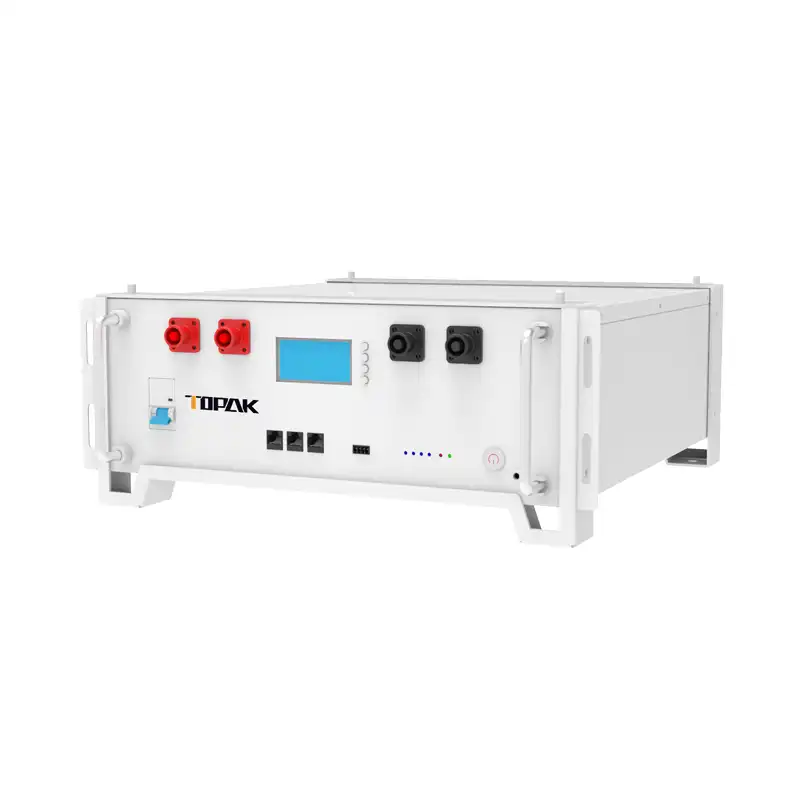
Choosing the right battery backup rack mount for your 19-inch standard rack infrastructure requires careful consideration of power requirements, space constraints, and reliability standards. After extensive research and industry analysis, the TOPAK TP-48100R emerges as the leading solution, offering 51.2V 100Ah capacity in a compact 4U design that perfectly fits standard telecommunications and data center environments. This rack-mountable energy storage system provides uninterruptible power for critical applications while maintaining the scalability and hot-swappable features that modern facilities demand.
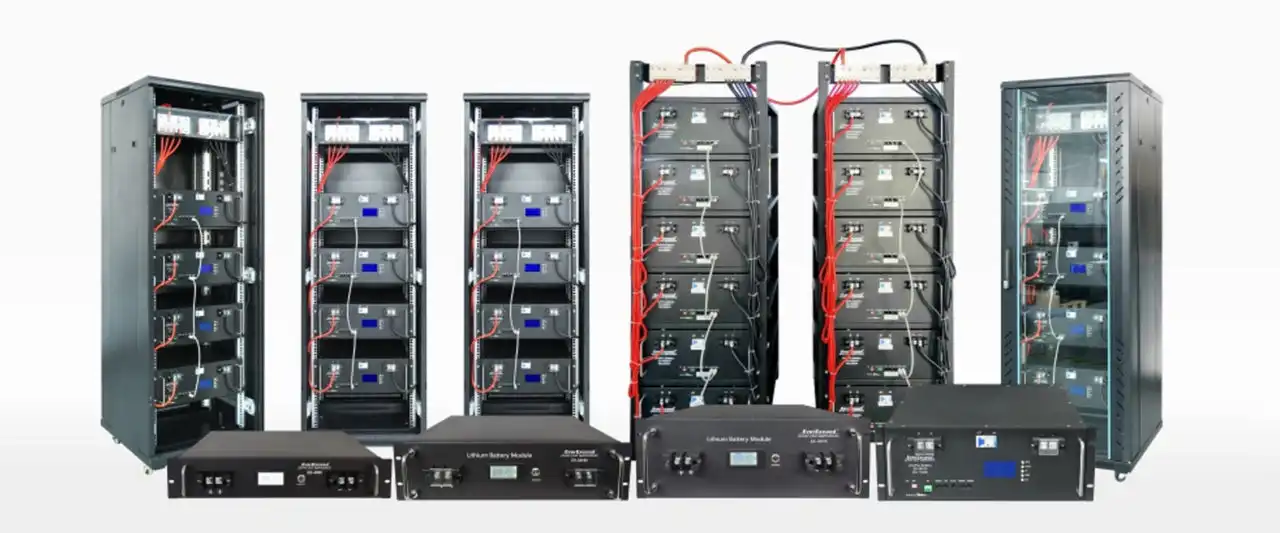
Why 19-Inch Rack Mount Battery Systems Matter in Today's Infrastructure?
Modern information centers and broadcast communications offices confront expanding weight to keep up persistent operations whereas overseeing space effectively. The standardization around 19-inch rack frameworks has made a all inclusive dialect for gear sending, making rack-mountable control arrangements basic for consistent integration.Traditional battery reinforcement frameworks frequently devour profitable floor space and require partitioned lodging, making establishment complexity and support challenges. Rack-mounted Battery frameworks kill these issues by joining specifically into existing framework. This approach decreases cable runs, moves forward control dissemination proficiency, and empowers way better battery administration through centralized checking systems.The move toward lithium-ion innovation has revolutionized rack mount battery reinforcement arrangements. Not at all like conventional lead-acid frameworks, lithium batteries offer predominant vitality thickness, longer cycle life, and diminished upkeep necessities. These preferences decipher into lower add up to taken a toll of possession and progressed operational productivity for office managers.Power excess has ended up non-negotiable in mission-critical situations. Cutting edge rack mount battery frameworks give the establishment for uninterruptible control supply models that secure against both brief control interferences and amplified blackouts. The capacity to scale capacity through parallel arrangement makes these frameworks versatile to advancing control requirements.
Essential Selection Criteria for Rack Mount Battery Systems
Selecting the ideal battery backup rack mount requires evaluating various performance and compatibility factors for battery backup rack mount. Capacity coordinating speaks to the crucial thought, guaranteeing the framework can back your equipment's control utilization amid blackouts. Calculate both momentary control necessities and craved runtime to decide suitable amp-hour ratings.Form calculate compatibility expands past essential 19-inch width necessities. Stature limitations, profundity clearances, and weight dispersion influence establishment achievability. Most offices work with restricted rack space, making proficient bundling pivotal for fruitful deployment.Battery administration framework modernity straightforwardly impacts security, execution, and life span. Progressed BMS innovation screens cell conditions, oversees charging profiles, and gives demonstrative information for preventive support. Communication conventions like CAN transport and RS485 empower integration with office observing systems.Certification compliance guarantees security and administrative adherence over diverse markets. Worldwide benchmarks like IEC62619 and UN38.3 approve battery security for transportation and operation. These certifications gotten to be especially imperative for worldwide arrangements or controlled industries.Scalability highlights permit capacity extension without foundation update. Parallel operation capabilities and measured plan standards empower development whereas keeping up framework unwavering quality. Hot-swappable modules minimize upkeep downtime and disentangle benefit procedures.
TOPAK TP-48100R: Industry-Leading 19-Inch Rack Solution
The TOPAK TP-48100R speaks to the apex of rack mount battery reinforcement innovation, conveying 51.2V ostensible voltage with 100Ah capacity in a space-efficient 4U arrangement. This lithium press phosphate framework gives uncommon vitality capacity for broadcast communications base stations, information center UPS applications, and mechanical gear reinforcement control requirements.Key details highlight the system's strong capabilities:
- Nominal voltage: 51.2V with 16S1P module configuration
- Capacity: 100Ah giving significant vitality storage
- Maximum ceaseless release: 100A for high-power applications
- Charging current: 100A empowering fast energize cycles
- Cycle life: 6000 cycles at 80% profundity of discharge
- Dimensions: 430mm × 442mm × 177mm fitting standard rack depths
- Weight: Roughly 48kg for sensible installation
The coordinates battery administration framework exhibits TOPAK's in-house building mastery. Created particularly for mechanical applications, this BMS gives comprehensive cell observing, warm administration, and security assurance. CAN transport and RS485 communication alternatives guarantee compatibility with existing checking infrastructure.Optional network modules extend framework capabilities. Bluetooth integration empowers remote arrangement and observing through versatile applications. 4G modules give inaccessible get to for disseminated establishments where organize network may be limited.Manufacturing quality reflects TOPAK's robotized generation capabilities and 16+ a long time of industry encounter. Each battery experiences thorough testing conventions to guarantee reliable execution over changing natural conditions. Worldwide certifications counting IEC62619, UN38.3, and MSDS documentation bolster worldwide sending requirements.Parallel operation capabilities recognize this framework from essential battery reinforcement arrangements. Up to 15 units can work in parallel, giving adaptable capacity from 5.1kWh to over 76kWh inside standard rack setups. This versatility obliges developing control prerequisites without total framework replacement.
Alternative Solutions for Specialized Requirements
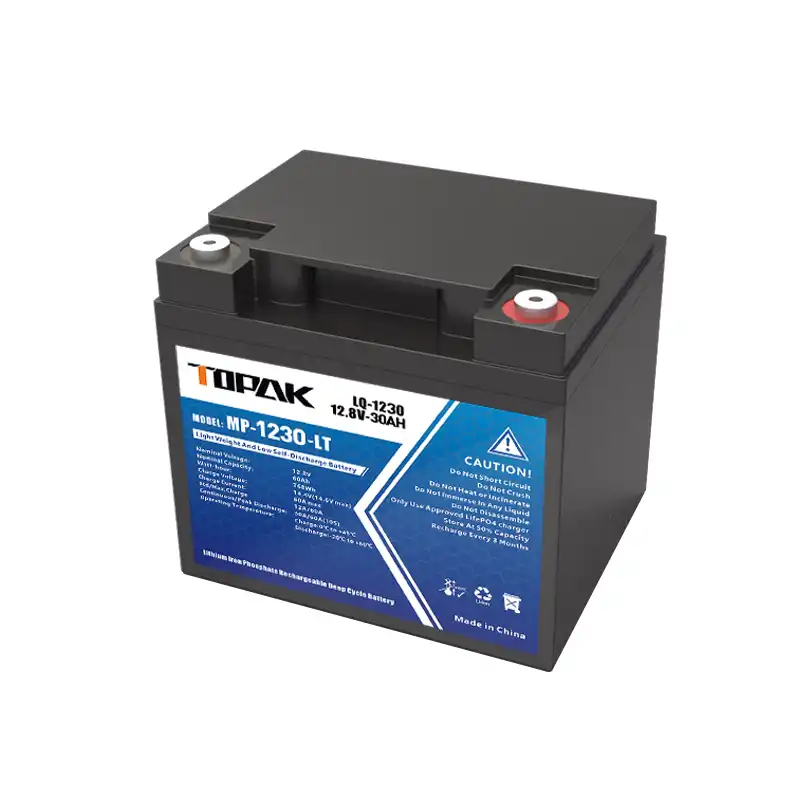
While the TOPAK TP-48100R excels in most applications for battery backup rack mount, specific use cases may benefit from alternative solutions for battery backup rack mount. Lower capacity prerequisites might legitimize littler 2U frameworks that preserve rack space for other hardware. These compact arrangements ordinarily offer 25-50Ah capacity with relatively decreased control output.High-voltage applications may require diverse battery arrangements. A few rack mount frameworks work at 120V or higher, diminishing current prerequisites for identical control conveyance. These frameworks regularly consolidate more complex BMS structures to oversee extra arrangement associations safely.Specialized natural prerequisites now and then require upgraded security highlights. Extraordinary temperature applications might require dynamic warm administration or specialized cell chemistries. Military and aviation applications frequently request extra stun and vibration resistance.Budget-conscious arrangements might consider lead-acid choices, in spite of the fact that these frameworks ordinarily require more visit support and substitution. The higher forthright fetched of lithium frameworks more often than not gives superior long-term esteem through diminished operational costs and longer benefit life.
Global Market Considerations and Regulatory Landscape
International deployment of rack mount battery systems requires navigating diverse regulatory environments and market preferences. European markets emphasize environmental sustainability and recycling requirements, influencing battery chemistry selection and end-of-life planning. The RoHS directive restricts hazardous substances, while WEEE regulations mandate proper disposal procedures.North American markets prioritize safety certifications and performance standards. UL listings and NEC compliance requirements affect installation procedures and system design. The growing focus on grid modernization drives demand for energy storage systems that support renewable integration and demand response programs.Asian markets often emphasize cost-effectiveness while maintaining quality standards. Rapid industrial growth creates substantial demand for reliable power backup solutions. Local certification requirements vary significantly between countries, necessitating flexible compliance strategies.Emerging markets frequently face infrastructure challenges that affect battery system deployment. Limited maintenance capabilities favor systems with minimal service requirements and robust diagnostic features. Remote monitoring capabilities become essential for managing distributed installations across challenging geographic regions.Transportation regulations significantly impact international battery shipments. UN38.3 certification ensures compliance with air transport requirements, while proper documentation facilitates customs clearance. Lithium battery shipping requires specialized handling procedures and carrier certifications.
Installation Best Practices and Maintenance Considerations
Successful battery backup rack mount installation begins with proper planning and site preparation for battery backup rack mount. Evaluate rack loading capacity to ensure structural adequacy for battery weight. Consider weight distribution across multiple rack positions to maintain stability and accessibility.Thermal management plays a critical role in battery performance and longevity. Ensure adequate airflow around battery enclosures and monitor ambient temperatures. Most lithium systems operate optimally between 15-25°C, with performance degradation occurring at temperature extremes.Electrical connections require careful attention to safety and reliability. Use appropriate torque specifications for terminal connections and ensure proper cable sizing for expected current loads. Implement proper grounding procedures to prevent electrical hazards and ensure system reliability.Commissioning procedures should include comprehensive system testing and configuration verification. Validate communication protocols, test alarm functions, and verify proper integration with existing power management systems. Document all configuration settings for future reference and troubleshooting.Preventive maintenance schedules should align with manufacturer recommendations and operational requirements. Modern lithium systems typically require minimal routine maintenance, but periodic inspections help identify potential issues before they impact system availability.
Future Trends in Rack Mount Energy Storage
The evolution of rack mount battery systems continues accelerating driven by technological advancement and changing market demands. Higher energy density batteries enable greater capacity in existing form factors. Silicon nanowire and solid-state technologies promise even more compact solutions in coming years.Smart battery management systems increasingly incorporate artificial intelligence and machine learning capabilities. Predictive maintenance algorithms analyze performance patterns to optimize charging profiles and predict replacement needs. Cloud connectivity enables centralized monitoring across distributed installations.Integration with renewable energy sources drives demand for bi-directional power flow capabilities. Modern battery systems increasingly support grid-tie applications, enabling peak shaving and load balancing functions beyond traditional backup power roles.
Industry Trends and Summary
The battery backup rack mount market continues evolving toward higher energy density, improved safety features, and enhanced connectivity options. Lithium iron phosphate technology has become the standard for mission-critical applications, offering superior cycle life and thermal stability compared to alternative chemistries. Integration with smart building systems and renewable energy sources drives demand for more sophisticated battery management capabilities. The trend toward modular, scalable designs enables flexible capacity planning while maintaining compatibility with existing infrastructure. These developments position rack mount battery systems as essential components of modern power management strategies.
FAQ
Q: How long does a 100Ah rack mount battery system provide backup power?
A: Runtime depends on the connected load. A 100Ah battery at 51.2V provides approximately 5.1kWh of energy. For a 1kW load, expect about 5 hours of runtime, while a 500W load could run for over 10 hours. The TOPAK TP-48100R's high discharge capability supports even demanding applications effectively.
Q: Can multiple rack mount battery units operate together for increased capacity?
A: Yes, the TOPAK TP-48100R supports parallel operation of up to 15 units, providing scalable capacity from 5.1kWh to over 76kWh. The integrated BMS manages load sharing automatically, ensuring balanced operation across all connected units.
Q: What maintenance requirements do lithium rack mount batteries have?
A: Lithium systems like the TOPAK TP-48100R require minimal maintenance compared to traditional lead-acid batteries. Periodic visual inspections, connection checks, and BMS monitoring typically suffice. The 6000-cycle life rating significantly reduces replacement frequency.
Choose TOPAK for Your Next Battery Backup Rack Mount Project
TOPAK's comprehensive battery backup rack mount solutions address the evolving needs of modern data centers and telecommunications facilities. Our TP-48100R system combines proven lithium iron phosphate technology with advanced battery management capabilities, delivering reliable uninterruptible power in space-efficient 19-inch rack configurations.Since 2007, TOPAK has established itself as a trusted battery backup rack mount manufacturer, serving customers across 15+ countries with customized energy storage solutions. Our 25,000㎡ automated manufacturing facility in Shenzhen ensures consistent quality and rapid delivery for projects of any scale.The in-house developed BMS technology provides superior safety, performance optimization, and system compatibility compared to generic solutions. This engineering advantage enables customization for specific application requirements while maintaining the reliability that mission-critical applications demand.Our global distribution network and technical support capabilities ensure successful project implementation regardless of location or complexity. Local partnerships provide rapid response for installation support, configuration assistance, and ongoing maintenance needs.Ready to upgrade your power backup infrastructure with industry-leading rack mount battery technology? Our engineering team stands ready to discuss your specific requirements and develop customized solutions that exceed expectations. contact us at B2B@topakpower.com to explore how TOPAK can enhance your facility's power redundancy and operational reliability.