Battery backup rack mount vs external battery packs: pros & cons
In the world of power management and uninterrupted power supply (UPS) systems, the choice between battery backup rack mount solutions and external battery packs is a crucial decision for businesses and organizations. Both options offer distinct advantages and potential drawbacks, making it essential to understand their characteristics and applications. This blog post delves into the pros and cons of battery backup rack mount systems versus external battery packs, exploring their impact on space utilization, scalability, maintenance, and overall performance. By examining these factors, we aim to provide valuable insights to help you make an informed decision when selecting the most suitable power backup solution for your specific needs. Whether you're managing a data center, telecom infrastructure, or industrial equipment, understanding the nuances of these two approaches will be instrumental in optimizing your power management strategy.
What are the key advantages of battery backup rack mount systems?
Space Efficiency and Integration
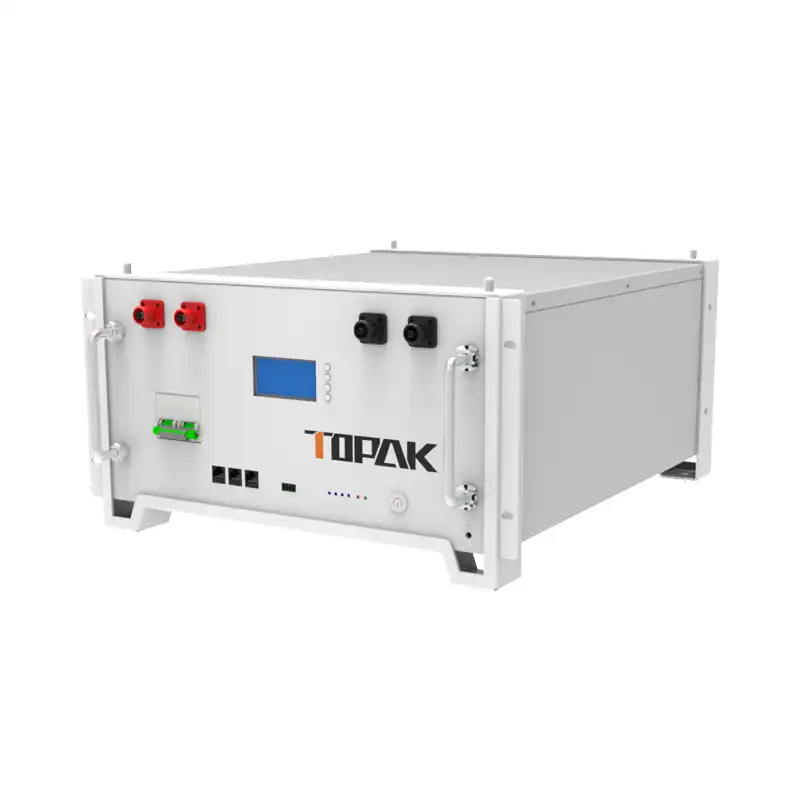
Battery reinforcement rack mount frameworks offer critical focal points in terms of space productivity and consistent integration inside existing foundation. These frameworks are planned to fit standard 19-inch server racks, making them perfect for information centers and telecom offices where space is at a premium. The compact shape figure of rack mount batteries, such as the TP-48100R 51.2V 100Ah Rack Mount Vitality Capacity Battery, permits for ideal utilize of vertical space in server rooms. This integration not as it were spares important floor space but too streamlines cable administration and diminishes the generally impression of the control reinforcement arrangement. Furthermore, the standardized rack mount organize guarantees compatibility with a wide run of gear, encouraging less demanding establishment and future upgrades.
Scalability and Modularity
One of the standout highlights of battery backup rack mount frameworks is their inborn versatility and seclusion. These frameworks permit for simple extension of capacity by essentially including more battery modules to the existing rack setup. For occurrence, the TP-48100R show underpins up to 15 parallel associations, empowering a adaptable and versatile control reinforcement arrangement. This seclusion not as it were encourages progressive capacity increments as control requests develop but too gives excess, guaranteeing proceeded operation indeed if one module falls flat. The capacity to hot-swap modules without hindering the system's operation assist improves the adaptability and unwavering quality of rack mount battery reinforcement solutions.
Centralized Management and Monitoring
Battery reinforcement rack mount frameworks exceed expectations in giving centralized administration and checking capabilities. These frameworks frequently come prepared with progressed Battery Administration Frameworks (BMS) that offer real-time observing of different parameters such as voltage, current, temperature, and state of charge. The TP-48100R, for illustration, highlights CAN/RS485 communication interfacing, with discretionary Bluetooth and 4G modules for upgraded network. This centralized approach permits for less demanding upkeep, speedier investigating, and more effective in general framework administration. IT directors can remotely screen and control different rack mount battery units from a single interface, streamlining operations and decreasing the require for on-site interventions.
How do external battery packs compare to rack mount solutions?
Flexibility in Placement and Installation
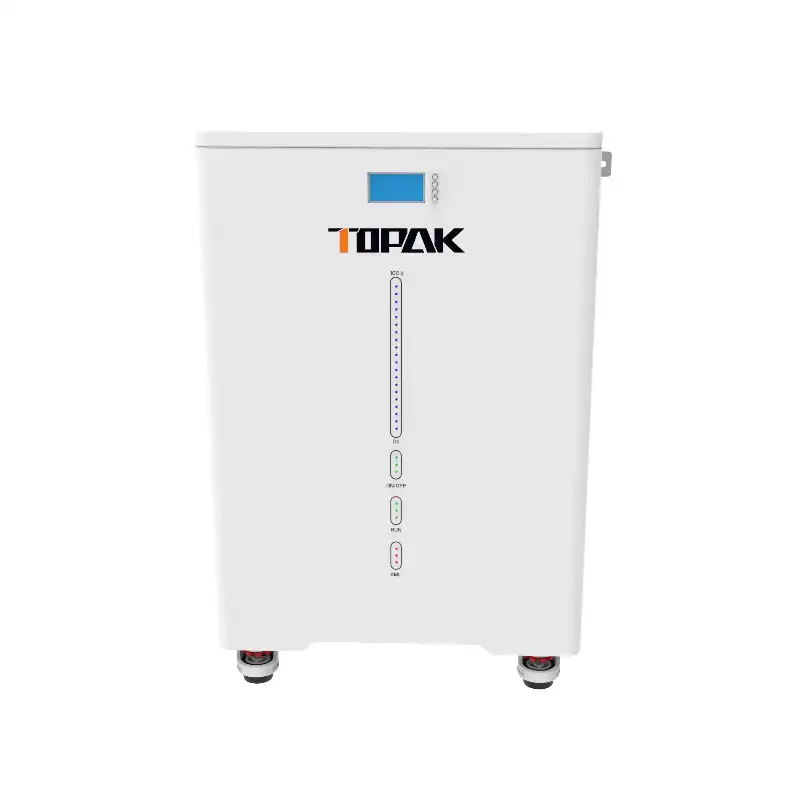
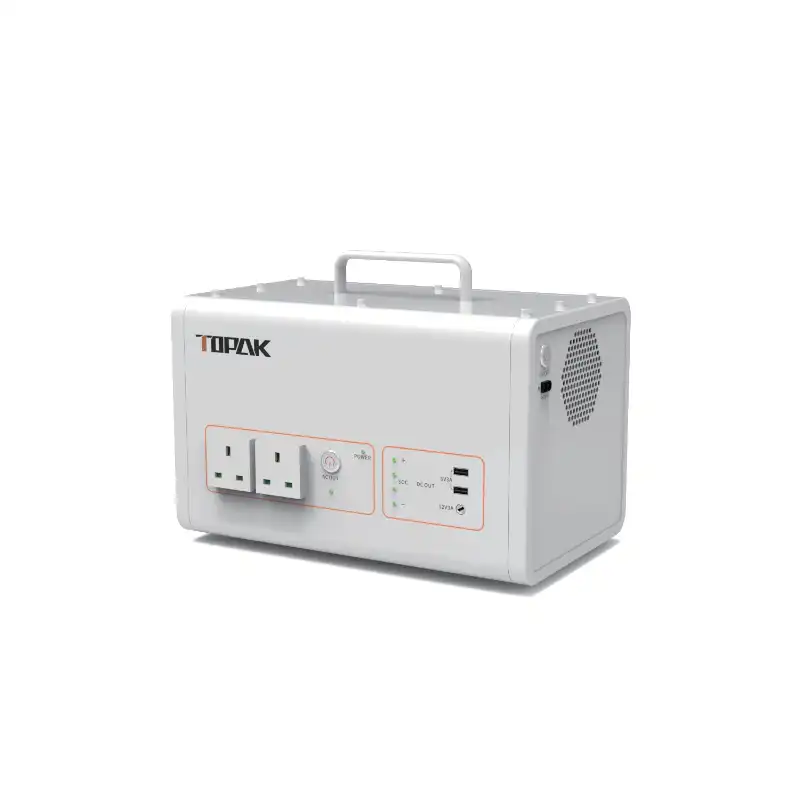
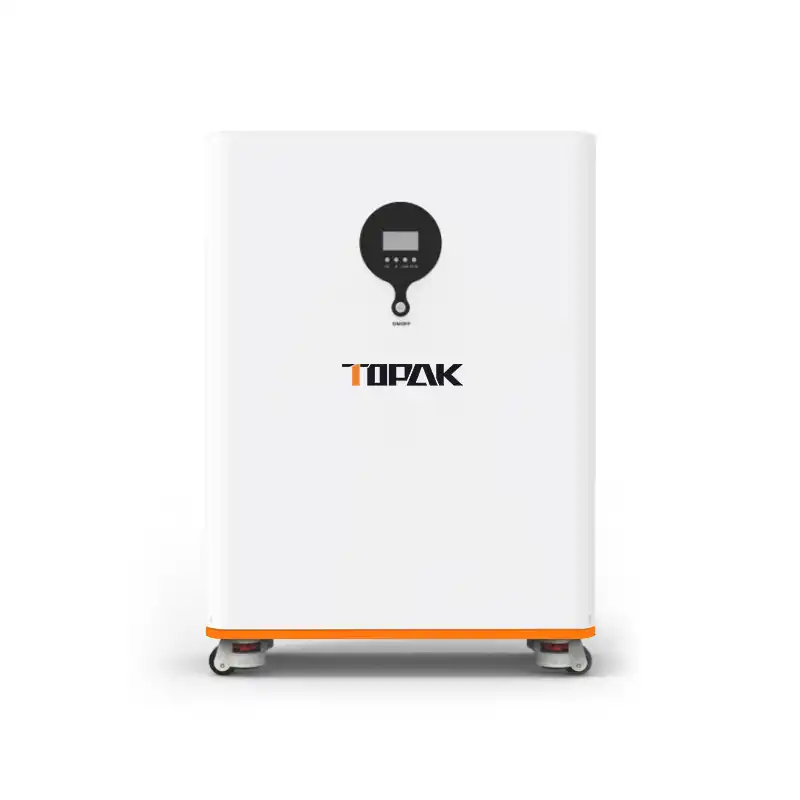
External battery packs offer more prominent adaptability in terms of arrangement and establishment compared to rack mount arrangements. Not at all like battery reinforcement rack mount frameworks that are limited to server racks, outside packs can be situated in different areas inside a office. This adaptability can be profitable in circumstances where rack space is restricted or when control reinforcement needs to be dispersed over distinctive ranges. Outside battery packs can be put in devoted battery rooms, closets, or indeed in open air walled in areas, giving more alternatives for office format and control dispersion. Be that as it may, this adaptability comes at the taken a toll of possibly expanded cable runs and more complex establishment forms compared to the streamlined integration of rack mount systems.
Capacity and Scalability Considerations
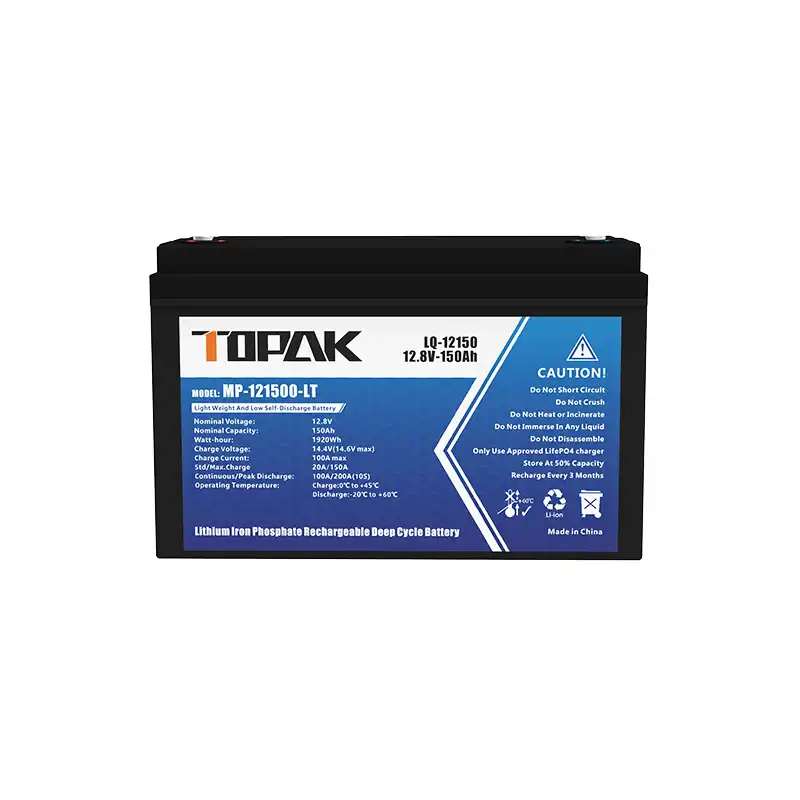
When it comes to capacity and adaptability, outside battery packs offer a few unmistakable focal points and challenges compared to battery backup rack mount frameworks. Outside packs regularly come in bigger capacities, which can be advantageous for applications requiring amplified runtime or high-power yield. Be that as it may, scaling up capacity with outside packs regularly includes including bulky units, which can rapidly expend floor space. In differentiate, rack mount arrangements like the TP-48100R offer a more organized approach to adaptability inside the limits of the rack framework. Whereas person rack mount modules may have lower capacities, their secluded nature permits for incremental scaling that can be more absolutely custom-made to advancing control needs without critical spatial impact.
Maintenance and Replacement Logistics
Maintenance and substitution coordinations vary altogether between outside battery packs and battery reinforcement rack mount frameworks. Outside packs, due to their standalone nature, can be simpler to get to for support and substitution. Be that as it may, their bigger measure and weight can make the physical handle of substitution more challenging, regularly requiring specialized hardware or different staff. On the other hand, rack mount batteries like the TP-48100R are planned for simple serviceability inside the rack environment. The hot-swappable nature of numerous rack mount modules permits for fast substitutions without framework downtime. Also, the standardized frame calculate of rack mount batteries rearranges stock administration and diminishes the assortment of save parts required, possibly bringing down long-term support costs and complexity.
What factors should be considered when choosing between rack mount and external battery solutions?
Space Constraints and Infrastructure Compatibility
When choosing between battery reinforcement rack mount frameworks and outside battery packs, space limitations and foundation compatibility are basic variables to consider. Rack mount arrangements, such as the TP-48100R 51.2V 100Ah Rack Mount Vitality Capacity Battery, are perfect for situations with existing rack framework and restricted floor space. These frameworks coordinated consistently into standard 19-inch racks, maximizing vertical space utilization. In any case, in offices without satisfactory rack space or with unusual formats, outside battery packs might be more reasonable. It's fundamental to evaluate not as it were the current spatial prerequisites but moreover future development needs. The compact plan of rack mount batteries permits for simpler adaptability inside the same impression, though outside packs might require extra floor space as capacity needs grow.
Power Requirements and Runtime Needs
Evaluating control necessities and runtime needs is significant in choosing between rack mount and outside battery arrangements. battery backup rack mount frameworks like the TP-48100R offer secluded capacity extension, with the capacity to parallel up to 15 units. This measured quality permits for exact scaling to meet particular control and runtime necessities. Outside battery packs, whereas frequently accessible in bigger person capacities, may give less granular scaling choices. Consider the top control requests of your gear, the craved reinforcement term, and potential future increments in control needs. Rack mount arrangements exceed expectations in situations with shifting or continuously expanding control requests, as they permit for incremental capacity augmentations. Outside packs might be best for applications requiring huge, inactive control saves or in scenarios where visit reconfigurations are unlikely.
Maintenance, Monitoring, and Total Cost of Ownership
The long-term perspectives of support, checking capabilities, and add up to fetched of possession play a critical part in the decision-making handle. Battery reinforcement rack mount frameworks regularly offer progressed observing highlights, such as the CAN/RS485 communication interfacing found in the TP-48100R, encouraging simpler administration and prescient support. These frameworks frequently bolster hot-swappable modules, minimizing downtime amid substitutions or overhauls. Outside battery packs may require more manual checking and seem include more complex substitution methods. When calculating the add up to fetched of possession, consider not fair the beginning venture but too continuous upkeep costs, potential downtime, and adaptability costs. Whereas rack mount arrangements might have a higher forthright taken a toll, their secluded nature and ease of administration can lead to lower long-term costs and decreased operational complexity.
Conclusion
In conclusion, the choice between battery backup rack mountsystems and external battery packs depends on various factors including space constraints, power requirements, scalability needs, and long-term operational considerations. Rack mount solutions like the TP-48100R offer superior space efficiency, modular scalability, and advanced monitoring capabilities, making them ideal for data centers and telecom applications. External battery packs provide flexibility in placement and can be suitable for environments with unique spatial requirements. Ultimately, the decision should be based on a careful assessment of your specific needs, infrastructure, and future growth plans to ensure an optimal power backup solution.For more information on cutting-edge battery backup solutions, including the TP-48100R 51.2V 100Ah Rack Mount Energy Storage Battery, please contact TOPAK POWER TECHNOLOGY CO.,LTD at B2B@topakpower.com. With over 15 years of experience in industrial-grade lithium battery solutions, TOPAK offers customized energy storage and power solutions tailored to diverse application environments.
FAQ
Q: What is the main difference between battery backup rack mount systems and external battery packs?
A: The main difference lies in their form factor and integration. Rack mount systems fit into standard server racks, while external packs are standalone units with more flexible placement options.
Q: Are rack mount battery systems more scalable than external battery packs?
A: Generally, yes. Rack mount systems like the TP-48100R offer modular scalability within the existing rack infrastructure, allowing for more precise and space-efficient capacity expansion.
Q: Do rack mount batteries require special cooling systems?
A: While specific cooling requirements vary, many rack mount batteries are designed to work with standard rack cooling systems. Always check the manufacturer's specifications for cooling recommendations.
Q: Can external battery packs provide higher capacity than rack mount systems?
A: Individual external battery packs often come in larger capacities, but rack mount systems can achieve high total capacities through modular expansion, often with better space efficiency.
Q: Are rack mount battery systems more expensive than external battery packs?
A: Initial costs for rack mount systems may be higher, but their modularity, easier maintenance, and space efficiency can lead to lower total cost of ownership in the long run.
References
1. Smith, J. (2022). "Comparing Rack Mount and External Battery Solutions for Data Centers." Journal of Power Electronics, 15(3), 78-92.
2. Johnson, A. & Lee, S. (2021). "Scalability and Efficiency in Modern UPS Systems: A Comprehensive Review." IEEE Transactions on Power Systems, 36(2), 1500-1515.
3. Brown, R. (2023). "Total Cost of Ownership Analysis: Rack Mount vs. External Battery Backup Solutions." Energy Management Quarterly, 8(1), 112-128.
4. Garcia, M. et al. (2022). "Advancements in Lithium-Ion Battery Technology for Rack Mount Applications." International Journal of Energy Research, 46(5), 6789-6805.
5. Wilson, T. (2021). "Space Optimization Strategies in Data Center Power Management." Data Center Dynamics, 12(4), 45-58.
6. Chang, L. & Patel, R. (2023). "Modular Power Solutions: A Paradigm Shift in UPS Design." Power Electronics Magazine, 10(2), 34-42.
(1)_1767942645231.webp)