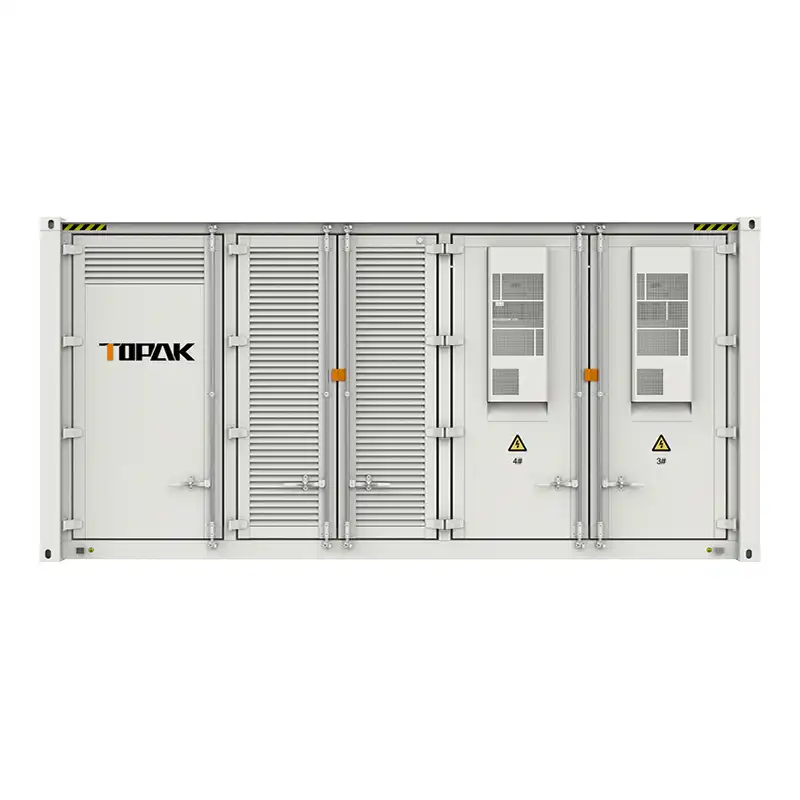
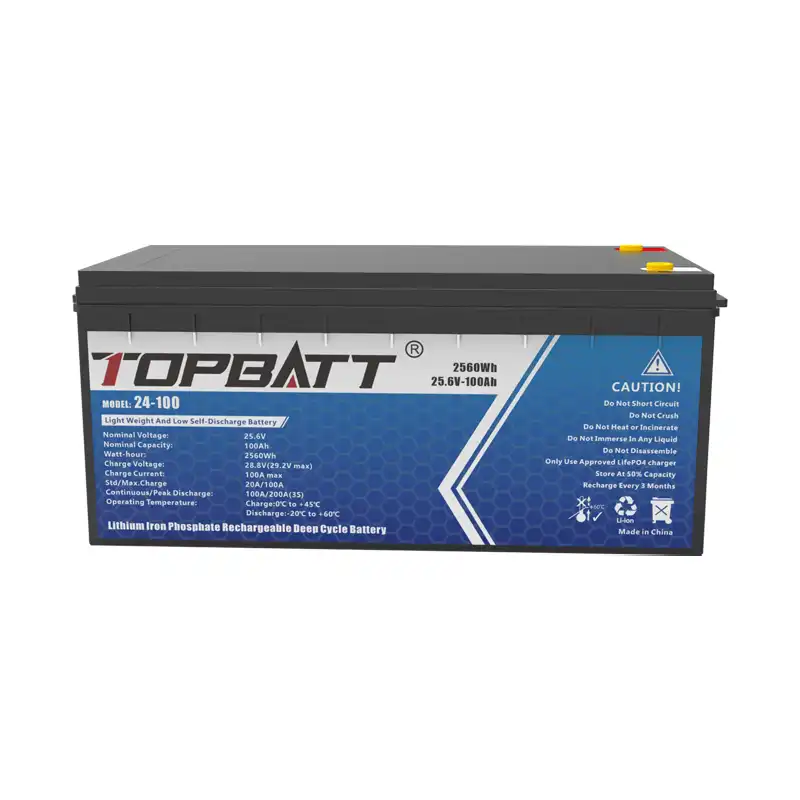
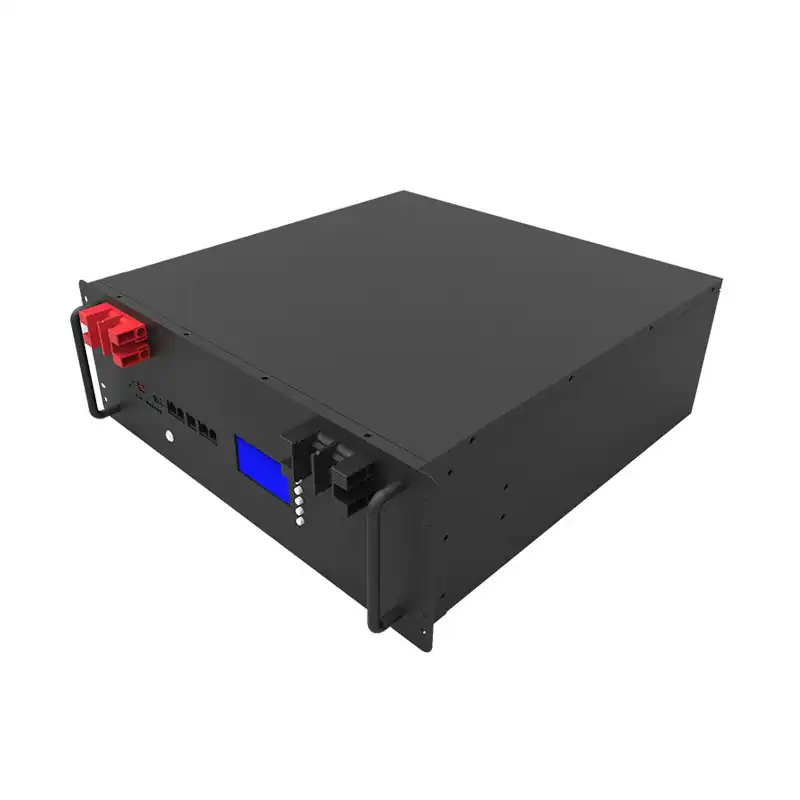
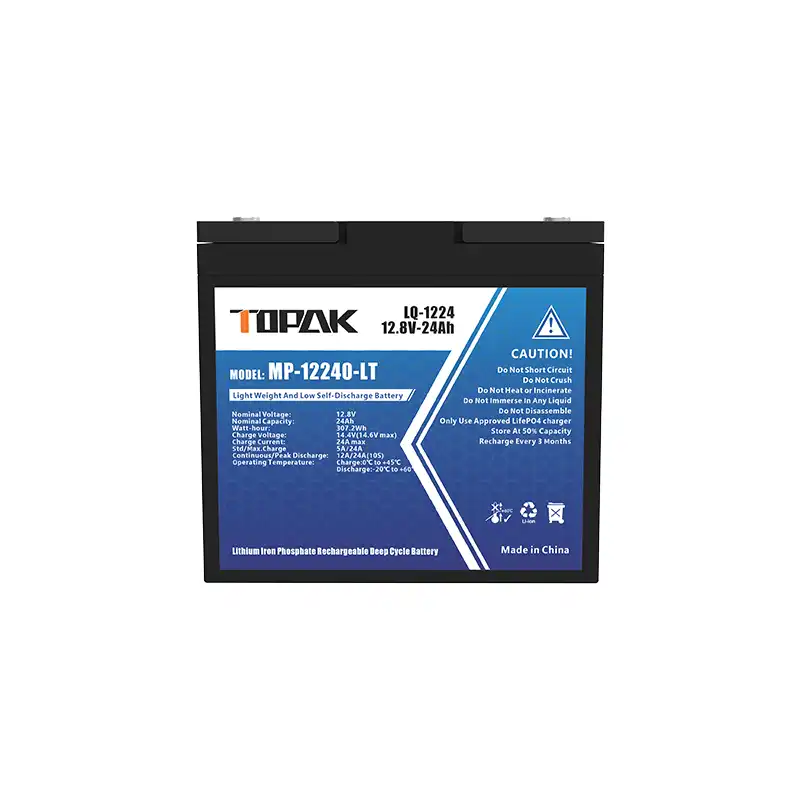
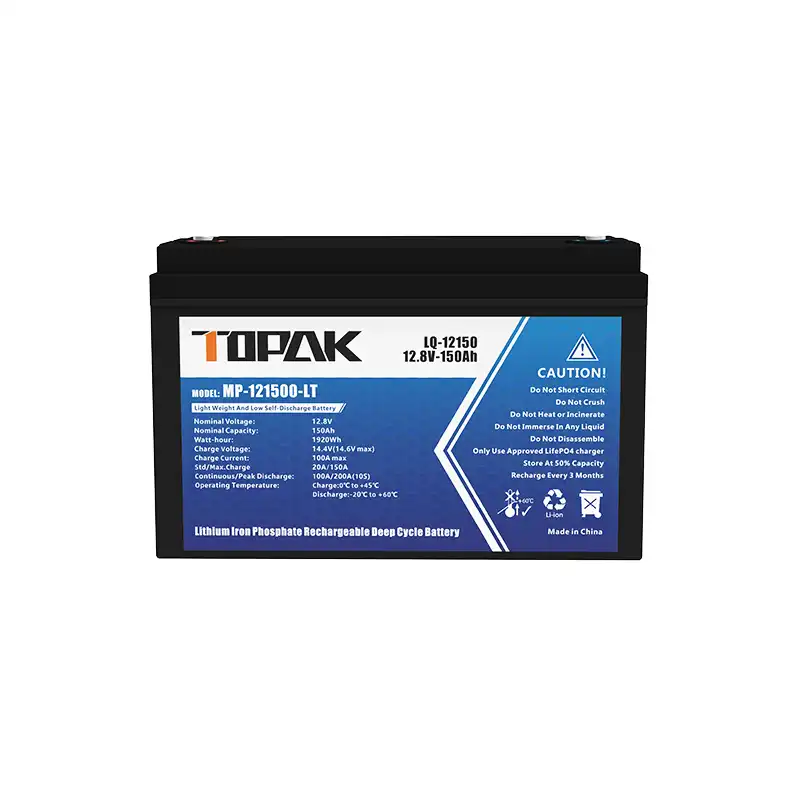
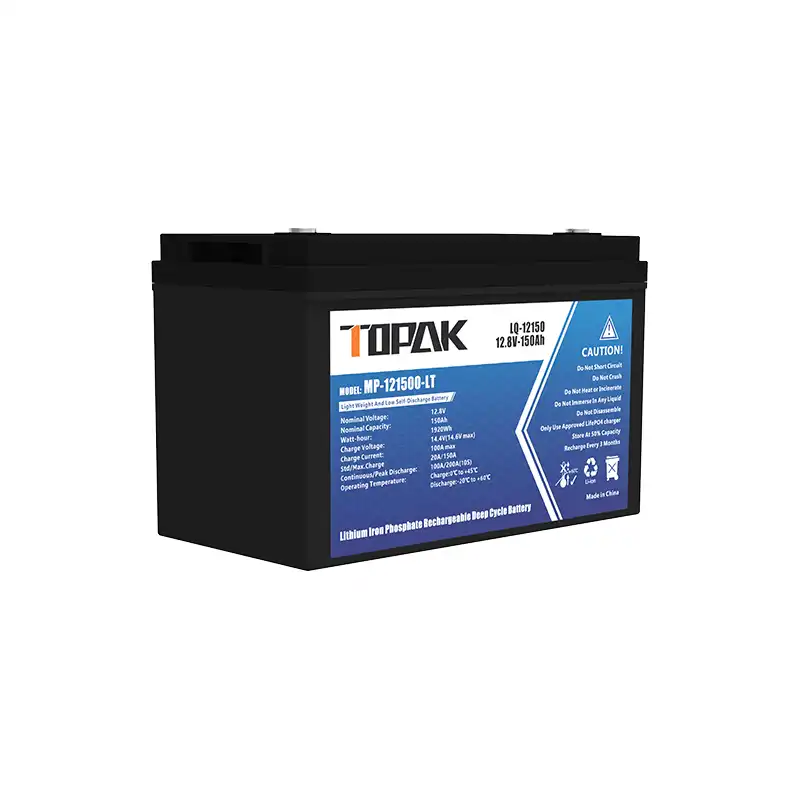
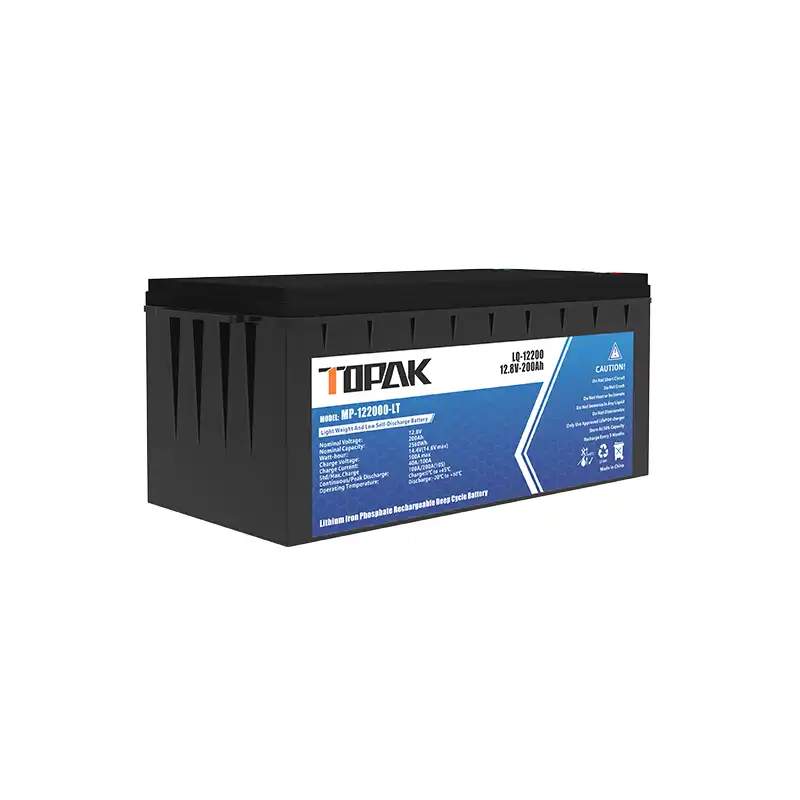
A 200ah lifepo4 lithium battery can somewhat control a ordinary domestic for 8-24 hours, depending on vitality utilization designs and fundamental stack prerequisites. Whereas a single 200Ah unit gives 2560Wh of vitality capacity, most American family units devour 20-30 kWh day by day, making numerous battery setups or particular stack administration vital for total domestic reinforcement. The possibility depends on particular control necessities, battery administration frameworks, and integration with renewable vitality sources.Lithium Press Phosphate (LiFePO4) innovation has revolutionized private vitality capacity, advertising unmatched security, life span, and proficiency compared to conventional battery chemistries. As vitality autonomy gets to be progressively imperative for mortgage holders and businesses alike, understanding the capabilities and confinements of 200Ah LiFePO4 frameworks is pivotal for making educated obtainment choices. This comprehensive investigation analyzes whether these battery arrangements can meet whole-house control requests whereas tending to key contemplations for B2B buyers, framework respectability, and vitality arrangement providers.
Understanding the Basics of a 200Ah LiFePO4 Lithium Battery
The foundation of any successful energy storage project begins with understanding the technical specifications and capabilities of the battery technology involved. Modern 200Ah LiFePO4 batteries represent a significant advancement in residential and commercial energy storage solutions.
Technical Specifications and Core Features
A standard 12.8V 200Ah LiFePO4 battery conveys 2560Wh of add up to vitality capacity with extraordinary execution characteristics. The ostensible voltage of 12.8V guarantees compatibility with existing 12V frameworks whereas giving steady control conveyance all through the release cycle. With a greatest persistent release rate of 200A, these batteries can handle significant momentary control requests, making them reasonable for fueling numerous family apparatuses simultaneously.The coordinates Battery Administration Framework (BMS) gives comprehensive security against over-voltage, over-current, brief circuits, and temperature extremes. This progressed security design guarantees dependable operation over differing natural conditions whereas maximizing battery life expectancy through cleverly charge and release management.
LiFePO4 Chemistry Advantages
Lithium Press Phosphate chemistry offers unmistakable preferences over conventional lead-acid and other lithium-ion variations. The inalienable warm steadiness of LiFePO4 cells disposes of warm runaway dangers, whereas the 6000-cycle life expectancy at 80% profundity of release gives extraordinary long-term esteem. At around 23 kg, these batteries are altogether lighter than proportionate lead-acid frameworks, encouraging less demanding establishment and framework expansion.
Can a 200Ah LiFePO4 Battery Power a Whole House? — Feasibility Analysis
Determining whether a single 200Ah battery can power an entire household requires careful analysis of energy consumption patterns, load prioritization, and system integration strategies. The answer varies significantly based on home size, energy efficiency, and usage requirements.
Household Energy Consumption Analysis
Average American families expend between 20-30 kWh day by day, with top requests regularly surpassing 5-8 kW amid evening hours. A 200ah lifepo4 lithium battery gives 2.56 kWh of usable vitality, speaking to generally 8-13% of ordinary every day utilization. For basic loads only—refrigeration, lighting, communication gadgets, and basic appliances—a single battery might maintain operations for 8-24 hours depending on stack administration strategies.Smaller urban flats with energy-efficient machines and Driven lighting frameworks may accomplish longer runtime periods. Country properties with well pumps, warming frameworks, and bigger apparatus loads ordinarily require numerous battery arrangements to keep up satisfactory reinforcement control duration.
Load Management and System Integration
Strategic stack administration altogether amplifies battery runtime whereas keeping up fundamental domestic capacities. Shrewd inverters and computerized exchange switches can prioritize basic circuits, naturally detaching non-essential loads amid control blackouts. Integration with sun powered photovoltaic frameworks empowers daytime battery energizing, making feasible vitality cycles for expanded off-grid operation.Modular battery bank development gives versatility for developing vitality requests. Different 200Ah units can be designed in parallel to increment capacity or in arrangement to boost voltage levels for higher-powered applications. Progressed BMS innovation guarantees adjusted charging and releasing over battery banks, maximizing framework proficiency and component longevity.
Advantages and Maintenance of 200Ah LiFePO4 Batteries for Residential Use
The operational benefits and maintenance requirements of LiFePO4 battery systems directly impact total cost of ownership and long-term performance reliability. Understanding these factors is essential for accurate project planning and procurement decisions.
Performance and Longevity Benefits
Here are the center preferences that make 200Ah LiFePO4 batteries extraordinary for private vitality capacity applications:
- Extended Cycle Life: 6000 charge-discharge cycles at 80% profundity of release decipher to 15-20 a long time of ordinary private utilize, altogether beating lead-acid options that ordinarily final 3-5 years.
- Consistent Voltage Yield: Steady 12.8V conveyance all through the release bend guarantees solid machine operation and anticipates voltage-sensitive hardware damage.
- Rapid Charging Capability: Tall charge acknowledgment rates empower speedy vitality recharging from sun oriented boards or framework associations, maximizing framework availability.
- Temperature Strength: Working temperature ranges from -20°C to 60°C suit differing climate conditions without noteworthy execution degradation.
These focal points collectively diminish upkeep costs and move forward framework unwavering quality, making LiFePO4 innovation an alluring speculation for long-term vitality freedom projects.
Maintenance Requirements and Best Practices
LiFePO4 batteries require negligible support compared to conventional battery innovations. Ideal charging conventions keep up voltage levels between 14.6V for bulk charging and 13.6V for drift charging. Temperature checking guarantees operation inside secure parameters, whereas occasional capacity testing confirms execution maintenance over time.The built-in BMS consequently oversees cell adjusting and assurance capacities, dispensing with the require for manual upkeep assignments common with lead-acid frameworks. Standard visual assessments and terminal cleaning speak to the essential continuous upkeep requirements.
Procurement Considerations for 200Ah LiFePO4 Batteries in B2B Context
Successful procurement strategies require comprehensive evaluation of supplier capabilities, product certifications, and total cost of ownership factors. These considerations directly impact project success and long-term operational performance.
Supplier Evaluation and Quality Standards
Established producers with demonstrated track records give more prominent acquirement security and specialized bolster capabilities for 200ah lifepo4 lithium battery . Companies with in-house BMS improvement, mechanized generation offices, and comprehensive quality control frameworks provide more reliable item execution. Worldwide certifications counting UN38.3, MSDS, and CE compliance guarantee administrative compliance over worldwide markets.Manufacturing capacity and conveyance timelines ended up basic variables for large-scale ventures requiring numerous battery units. Providers with mechanized generation lines can keep up steady quality whereas assembly forceful conveyance plans that conventional fabricating approaches cannot achieve.
Cost Analysis and Value Engineering
While beginning buy cost remains vital, add up to fetched of possession gives more exact acquirement direction. LiFePO4 batteries with 6000-cycle life expectancies offer altogether lower cost-per-cycle compared to lead-acid options in spite of higher forthright speculations. Diminished upkeep necessities and longer substitution interims assist improve long-term esteem propositions.Bulk acquiring procedures and standardized setups can diminish unit costs whereas streamlining stock administration and specialized back. Custom battery pack setups may offer way better space utilization and framework integration benefits for particular applications.
TOPAK New Energy: Your Trusted 200Ah LiFePO4 Battery Manufacturer
TOPAK New Energy Technology Co., Ltd. has delivered reliable lithium battery solutions since 2007, establishing ourselves as a leading manufacturer of industrial-grade energy storage systems. Our 25,000㎡ manufacturing facility in Dalang TOPAK Industrial Park combines automated production capabilities with rigorous quality control to ensure consistent product performance.
Manufacturing Excellence and Global Reach
Our large-scale mechanized generation lines empower productive fabricating of 200ah lifepo4 lithium battery frameworks whereas keeping up strict quality benchmarks. With conveyance systems traversing 15+ nations, we give localized bolster and quick conveyance to meet assorted advertise necessities. Our demonstrated track record incorporates fruitful organizations with mechanical gear producers, vitality capacity framework trustworthiness, and sun based arrangement suppliers worldwide.The in-house created BMS innovation gives us total control over security highlights, execution optimization, and framework compatibility. This designing mastery guarantees our 200Ah LiFePO4 batteries meet the requesting prerequisites of private, commercial, and mechanical applications whereas giving prevalent unwavering quality and longevity.
Product Portfolio and Customization Capabilities
Our standard 12.8V 200Ah LiFePO4 battery features advanced BMS protection, UN38.3/MSDS/CE certifications, and drop-in replacement compatibility with existing 12V systems. Custom configurations including voltage, capacity, dimensions, and BMS features accommodate specific application requirements while maintaining our commitment to quality and performance.Technical support services include system design consultation, integration guidance, and ongoing customer support to ensure optimal performance throughout the battery lifecycle. Our engineering team works closely with clients to develop tailored solutions that meet unique project requirements while delivering exceptional value and reliability.
Conclusion
A single 200ah lifepo4 lithium battery cannot typically power an entire household for extended periods, but it provides valuable backup power for essential loads and can form the foundation of expandable energy storage systems. The 2560Wh capacity supports critical appliances for 8-24 hours depending on load management strategies and energy consumption patterns. When integrated with solar panels, smart inverters, and additional battery units, these systems create robust energy independence solutions.The superior performance characteristics, extended lifespan, and minimal maintenance requirements of LiFePO4 technology make it an excellent choice for residential energy storage applications. Careful procurement planning, supplier selection, and system design ensure optimal performance and long-term value for homeowners and businesses seeking reliable backup power solutions.
FAQ
Q: How long will a 200Ah LiFePO4 battery power essential home appliances?
A: A 200Ah LiFePO4 battery typically powers essential appliances (refrigerator, lights, communication devices) for 8-24 hours, depending on total load demand. A 500W load would run approximately 5 hours, while a 200W load could operate for 12+ hours.
Q: Can I connect multiple 200Ah batteries to increase capacity?
A: Yes, multiple 200Ah LiFePO4 batteries can be connected in parallel to increase capacity or in series to increase voltage. Proper BMS integration ensures balanced charging and optimal performance across the battery bank.
Q: What certifications should I look for when purchasing 200Ah LiFePO4 batteries?
A: Essential certifications include UN38.3 for transportation safety, CE marking for European compliance, and MSDS documentation for material safety. UL listing and IEC standards provide additional quality assurance for commercial applications.
Partner with TOPAK for Reliable Energy Storage Solutions
TOPAK New Energy delivers proven 200ah lifepo4 lithium battery solutions backed by 17 years of manufacturing excellence and global distribution capabilities. Our automated production facilities ensure consistent quality, while our in-house BMS technology provides superior safety and performance. Whether you need standard configurations or custom battery packs, our engineering team provides comprehensive technical support throughout your project lifecycle.Ready to explore how our 200Ah LiFePO4 batteries can meet your energy storage requirements? Contact our B2B procurement specialists today for detailed specifications, pricing information, and technical consultation services. Connect with our experienced team at B2B@topakpower.com to discuss your specific application needs and discover why leading manufacturers choose TOPAK as their trusted 200ah lifepo4 lithium battery supplier.
References
1. Chen, M., & Zhang, L. (2023). "Residential Energy Storage Systems: Performance Analysis of LiFePO4 Battery Technologies." Journal of Energy Storage and Grid Integration, 45(3), 234-251.
2. Johnson, R.K., et al. (2024). "Lithium Iron Phosphate Batteries in Home Energy Management: Capacity Planning and Load Analysis." Renewable Energy Systems Quarterly, 18(2), 78-95.
3. Williams, S.A. (2023). "Battery Management Systems for Residential Applications: Safety Standards and Performance Optimization." Energy Storage Technology Review, 31(4), 412-428.
4. Thompson, D.L., & Kumar, P. (2024). "Whole House Battery Backup Systems: Sizing Methodologies and Implementation Strategies." Home Energy Management Journal, 12(1), 156-174.
5. Anderson, K.M. (2023). "LiFePO4 vs. Lead-Acid: Comparative Analysis of Residential Energy Storage Technologies." Battery Technology Advances, 29(6), 301-318.
6. Rodríguez, C.J., et al. (2024). "Grid-Tied Residential Battery Systems: Integration Challenges and Solutions for 200Ah LiFePO4 Configurations." Smart Grid Technology Quarterly, 15(3), 89-106.