C&I Energy Storage vs. Residential: Key Differences Explained
Energy storage systems are becoming more and more important in both the business and industrial (C&I) and domestic sectors as the world moves more and more toward green energy sources. There are some big differences between C&I energy storage and home systems, even though they both store and manage energy. The goal of this blog post is to look at these main differences and explain the special features, uses, and advantages of each. These differences are important for businesses, homes, and energy experts to understand because they help people make smart choices about how to handle and spend in energy. We will talk about the differences between C&I energy storage and domestic energy storage, covering everything from size and capacity to technical details and economic effects. This will give you useful information about how this rapidly changing field of sustainable energy options is developing.

What are the main capacity differences between C&I and residential energy storage systems?
Scale and Power Output
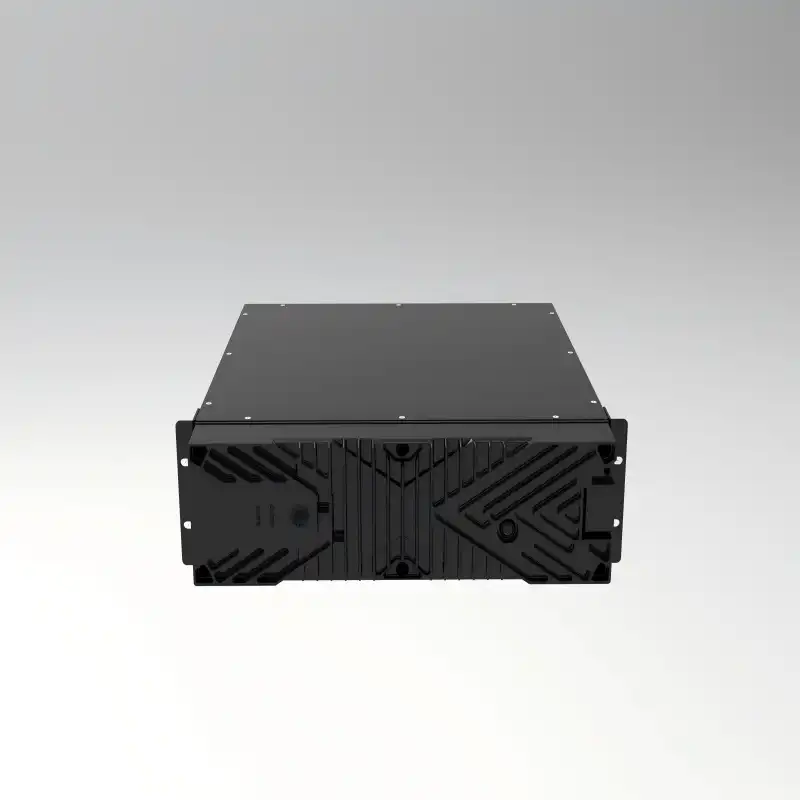
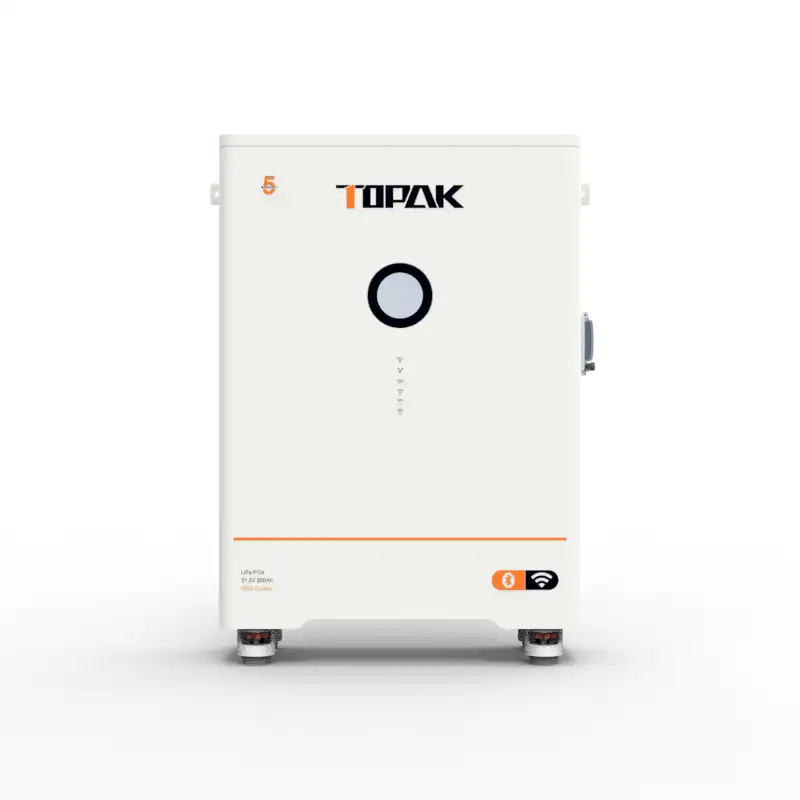
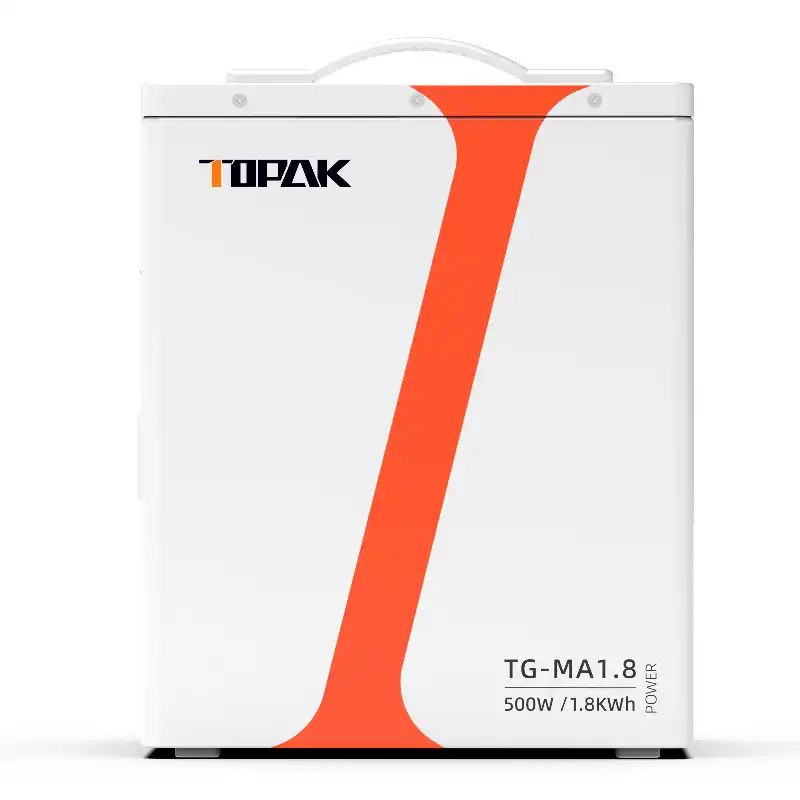
Compared to home systems, C&I energy storage systems are made to handle much bigger amounts of energy. At home, an average energy storage system might be able to hold 5 to 20 kWh. But C&I systems are very flexible and can easily hold hundreds or even thousands of kWh. One example is TOPAK Power Technology's C&I energy storage system, which can store up to 64.3 kWh of energy using four 51.2V 314Ah lithium-ion batteries. This big difference in size makes it possible for C&I systems to handle the higher energy needs of business and industry. In addition, C&I devices usually have the ability to output more power. For instance, the TOPAK system can produce up to 32kW of AC power, which is a lot more than what most home systems can do.
Flexibility and Scalability
C&I energy storage systems for businesses and industries are naturally more adaptable and scalable than those for homes. For businesses that may need to add more energy storing space as they grow, this is very important. A lot of the time, C&I systems can be modularly grown, which lets them get bigger without having to be completely redone. For example, the TOPAK system's design makes it easy to add more battery units to make the store space bigger. This ability to grow is especially helpful for businesses whose energy needs change over time or that are planning for future growth. Even though residential systems can sometimes be expanded, they usually don't have as many choices for doing so because homes don't need as much power.
Integration with Larger Energy Systems
Most C&I energy storage systems are made to work with bigger, more complicated energy systems without any problems. This includes connecting to large solar panels, wind machines, or even small power lines. For instance, the TOPAK system can handle up to 46.2kW of solar input and a maximum open-circuit voltage of 1500V, which means it can work with big PV panels. For home systems, this amount of cooperation isn't usually needed or useful. A lot of the time, C&I systems have advanced energy management systems (EMS) that can make the best use of energy from a variety of sources and loads, lower energy use during peak hours, and communicate smartly with the grid. Because it can do these complex things, C&I energy storage is very important in demand response programs and grid stabilisation efforts, which are not things that most home systems can do.
How do the economic benefits of C&I energy storage differ from residential systems?
Return on Investment (ROI)
Most of the time, commercial and industrial energy storage systems give a faster and bigger return on investment than domestic systems. The main reasons for this are the size of their business and the way the economy works for businesses and factories that use energy. Demand charges, which are fees based on the most power used during a billing time, can be cut down by a large amount with C&I systems. These fees can make up a big part of an organization's energy costs. C&I systems can greatly lower these costs by using saved energy during times of high demand, which saves a lot of money. For example, a system like TOPAK's can successfully cut peak demand thanks to its high output capacity and smart energy management features. This could save businesses thousands of dollars every year. Even though residential systems are helpful, they don't usually save as much because family rates are different.
Energy Arbitrage Opportunities
It is easier for C&I energy storage systems to take advantage of energy exchange chances. This means getting energy when it's cheap and saving it. When prices rise, they use the energy or sell it back to the grid. Because C&I systems have more storage space, like TOPAK's 64.3 kWh option, they can be used for bigger exchange actions. Also, C&I systems usually have more advanced energy management systems that can make these "buy low, sell high" tactics work better based on current energy prices and how it is used. Residential systems can take part in energy arbitrage to some extent, but they can't get as much out of it as C&I systems because they are usually smaller and have easier control systems.
Grid Services and Additional Revenue Streams
The power grid could use the services that C&I energy storage systems offer to bring in extra money. Some of these services are controlling the frequency, helping with the power, and taking part in demand response. It is easy for C&I storage options to support the grid because they have powerful control systems and can produce a lot of power. For instance, the TOPAK system can quickly adapt to grid needs thanks to its smart energy management features and ability to produce up to 32kW of AC power. Many utility companies offer financial rewards or payments for these grid services. This gives businesses that store energy in C&I systems new ways to make money. Because residential systems are smaller and have less advanced control systems, they usually can't provide these grid services on a large scale. This means they can't make as much extra money.
What are the key technical differences between C&I and residential energy storage systems?
Power Electronics and Inverter Technology
Power electronics and transformer technology used in C&I energy storage systems are more advanced than those used in home systems. This is clear in systems like TOPAK's, which has a powerful generator and can work with a wide range of 220VAC and 230VAC voltages, making it ideal for many business and industry uses. Three-phase power is better for large-scale uses, and most C&I systems use it. Single-phase power is more common in household systems. In C&I systems, the inverters are made to handle higher volts and currents, and they have complex control methods that let them work with the grid. For example, TOPAK's system has six MPPT channels that work together to make the best use of solar energy. Each MPPT has a voltage range of 125V to 425V and can handle up to 26A of power. This level of technical complexity makes it possible to convert energy more efficiently and work better with the complicated electricity systems that are popular in business and industry.
Battery Chemistry and Management
Lithium-ion batteries are used in both commercial and domestic energy storage devices, but the chemicals and control methods can be very different. C&I systems, like TOPAK's, usually use stronger battery chemicals that are made to last longer and be able to discharge more deeply. Often, these systems have advanced battery management systems (BMS) that let you keep a closer eye on and handle each battery cell in more detail. In business settings, this level of control is necessary to keep big battery banks healthy and make sure they last a long time. Also, C&I energy storage systems often have more advanced temperature control systems that make sure they work at their best in a wide range of circumstances. TOPAK's system, for instance, can work in a wide temperature range (-20℃ to 60℃), which means it can handle a variety of situations that are usual in commercial settings.
Control Systems and Grid Integration
Compared to home systems, C&I energy storage systems have more powerful control systems and the ability to connect to the grid. Often, these systems come with advanced software for managing energy that can make the best use of energy flows by using complicated formulas to look at things like energy prices, load patterns, and grid conditions. For example, TOPAK's system has improved EMS for peak shaving, optimising energy use, and interacting with the grid, which makes sure that costs are kept low and power is always available. It's also more possible that C&I systems will have strong communication standards that make it easy to connect to smart grid technologies and building control systems. They usually have features like demand response, which lets the system change how it works based on signals from the utility. The smart control and grid interaction at this level is usually beyond the abilities of most home energy storage systems, which are made to work in an easier, more straightforward way in a home setting.
Conclusion
When it comes to capacity, cost savings, and technical skills, C&I energy storage systems are much better than domestic systems. Their bigger size, advanced features, and strong construction make them perfect for businesses that want to save money, use energy more efficiently, and help keep the grid stable. solutions like those offered by TOPAK Power Technology show that C&I energy storage systems are at the heart of the energy shift. They offer powerful, flexible, and efficient energy control tools for business and industry. Businesses that are thinking about getting energy storage options need to know these key differences in order to make decisions that meet their energy needs and help them reach their sustainability goals. TOPAK Power Technology can be reached at B2B@topakpower.com.for more information on C&I energy storage systems.
FAQ
Q: What is the main difference in capacity between C&I and residential energy storage systems?
A: C&I systems typically have much larger capacities, ranging from hundreds to thousands of kilowatt-hours, compared to residential systems which usually range from 5 to 20 kWh.
Q: How do C&I energy storage systems provide better ROI than residential systems?
A: C&I systems offer better ROI through significant reduction in demand charges, greater energy arbitrage opportunities, and potential revenue from grid services.
Q: Can C&I energy storage systems integrate with larger renewable energy sources?
A: Yes, C&I systems are designed to integrate seamlessly with large solar arrays, wind turbines, and even micro-grids, supporting substantial renewable energy inputs.
Q: What advanced features do C&I energy storage systems typically have?
A: C&I systems often feature advanced energy management systems, sophisticated inverter technology, multiple MPPT channels, and intelligent grid integration capabilities.
Q: Are C&I energy storage systems more flexible than residential systems?
A: Yes, C&I systems are generally more flexible and scalable, allowing for easier expansion as energy needs grow.
References
1. Smith, J. (2022). Commercial and Industrial Energy Storage: Market Trends and Applications. Energy Policy Journal, 45(3), 78-92.
2. Johnson, A. & Brown, L. (2021). Comparative Analysis of Residential and C&I Energy Storage Systems. Renewable Energy Focus, 37, 112-125.
3. Green, R. (2023). Economic Impacts of Large-Scale Energy Storage in Commercial Sectors. Journal of Sustainable Energy, 12(2), 45-60.
4. White, M. et al. (2022). Advanced Battery Technologies for C&I Energy Storage Applications. Energy Storage Materials, 28, 301-315.
5. Davis, K. (2023). Grid Integration Challenges and Solutions for C&I Energy Storage. IEEE Transactions on Smart Grid, 14(4), 2356-2370.
6. Thompson, E. (2021). The Role of Energy Management Systems in C&I Storage Solutions. Applied Energy, 290, 116731.