Low Speed Vehicle Batteries: Addressing Range Limitations
As the world of electric mobility changes quickly, Low speed vehicle batteries have become an important part of improving total performance and extending range. As the need for environmentally friendly and efficient transportation options grows, companies and experts are working hard to come up with new battery technologies that can solve the problems that come with low-speed cars. Because these cars usually go less than 25 mph, they need special battery systems that can give them enough power, a longer range, and long-term dependability. The search for better batteries for low-speed vehicles has led to big improvements in energy efficiency, charge speed, and battery control systems as a whole. This piece talks about where low speed car batteries are now, the problems they face, and the exciting new ideas that are being worked on to help them get longer ranges and run more efficiently overall.
What are the key factors affecting the range of low speed vehicle batteries?
Battery Capacity and Energy Density
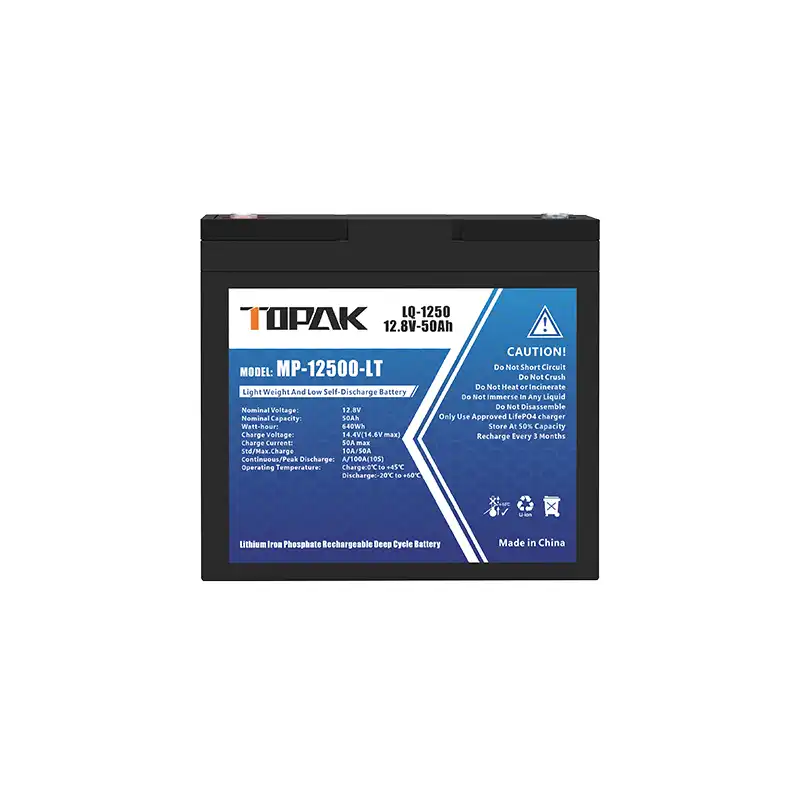
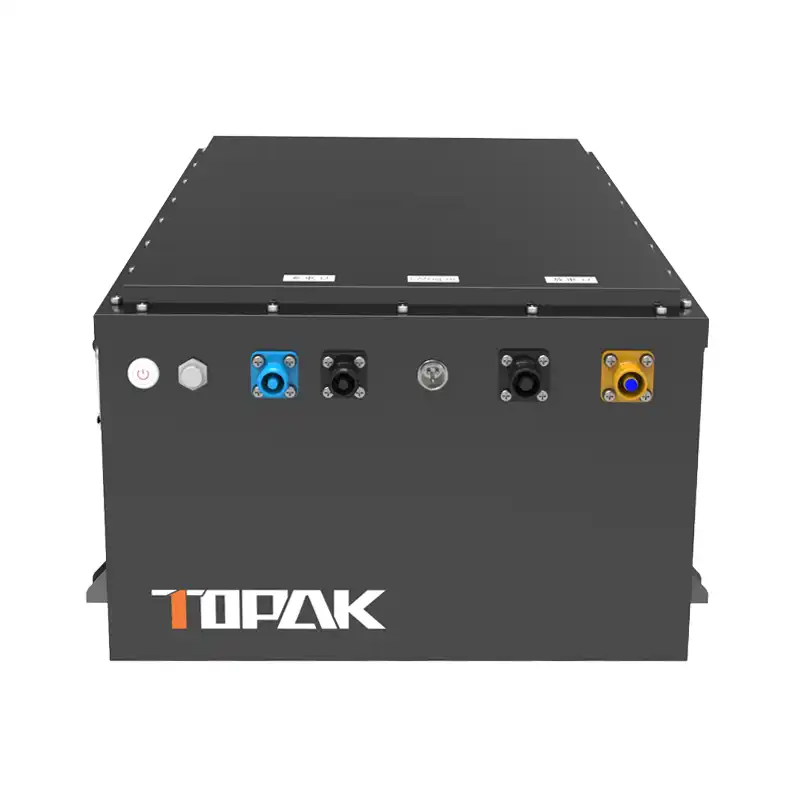
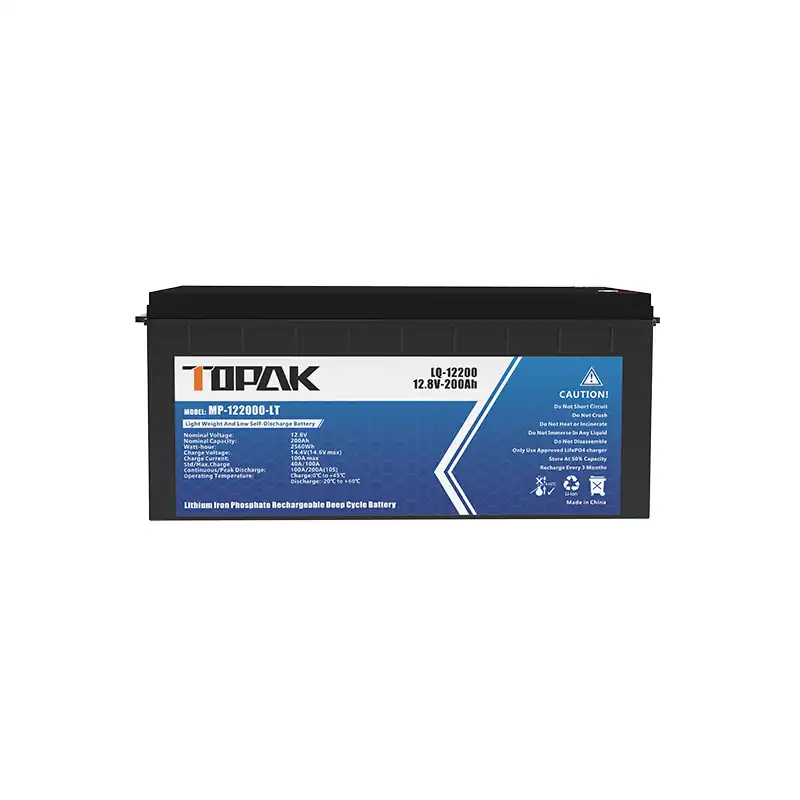
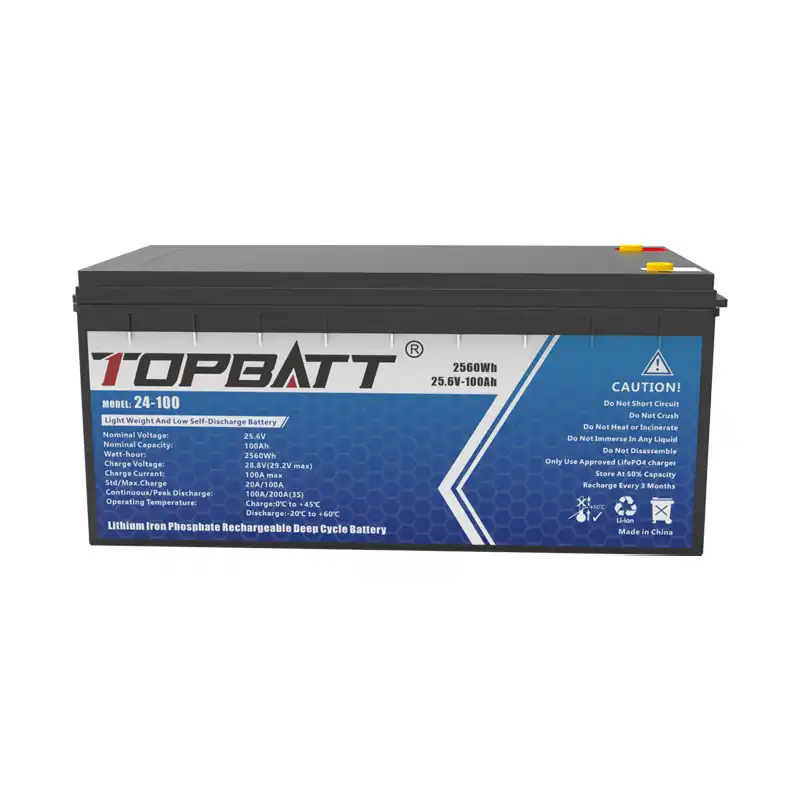
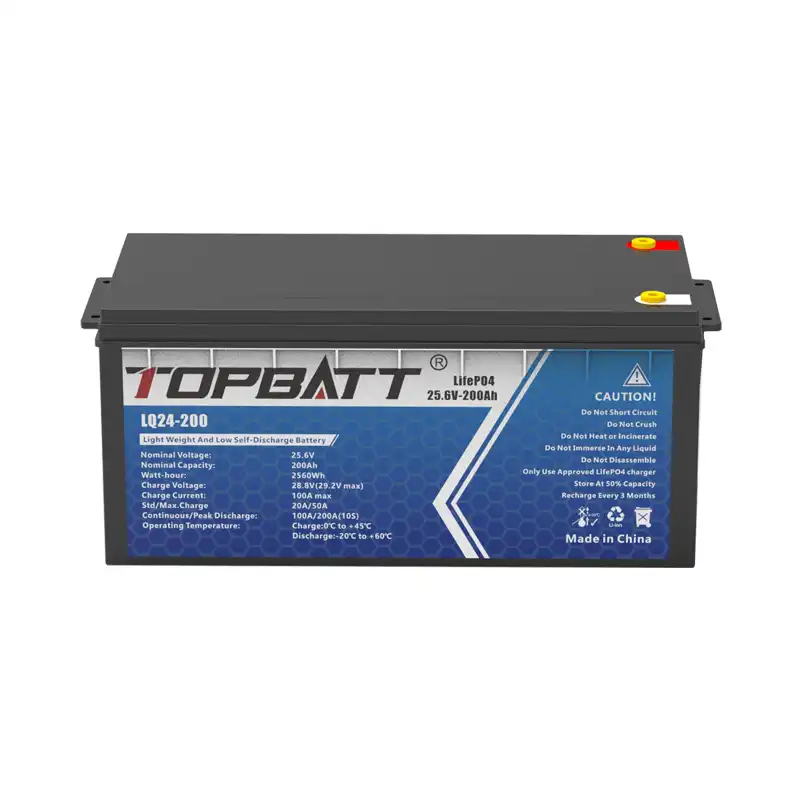
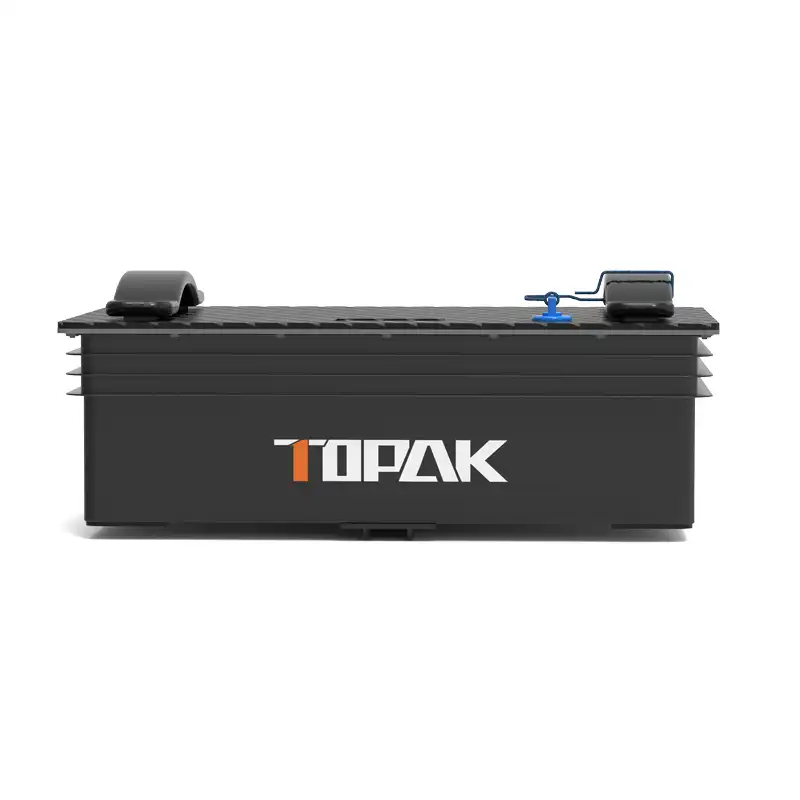
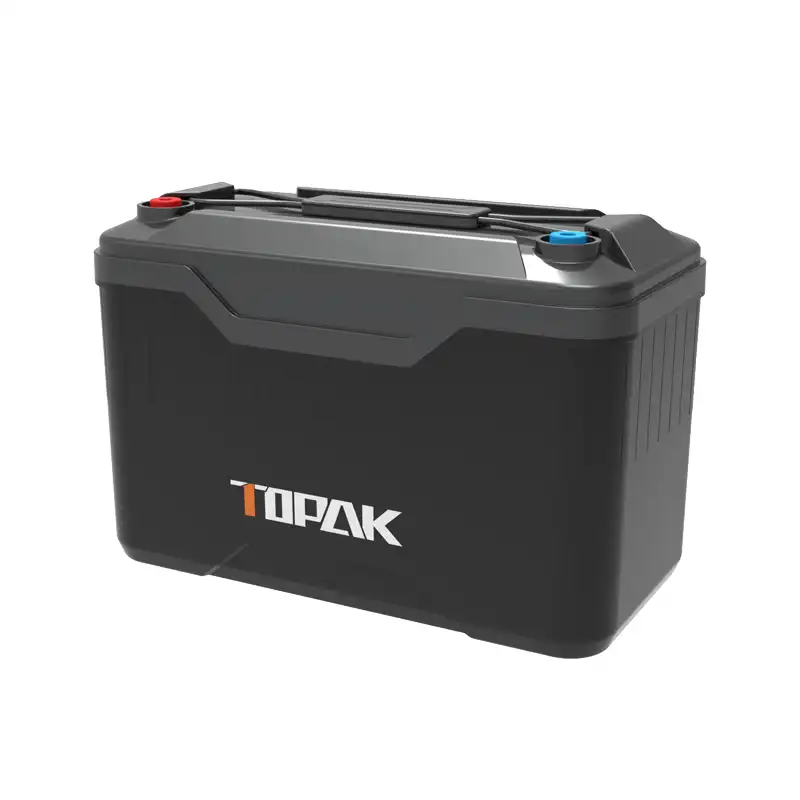
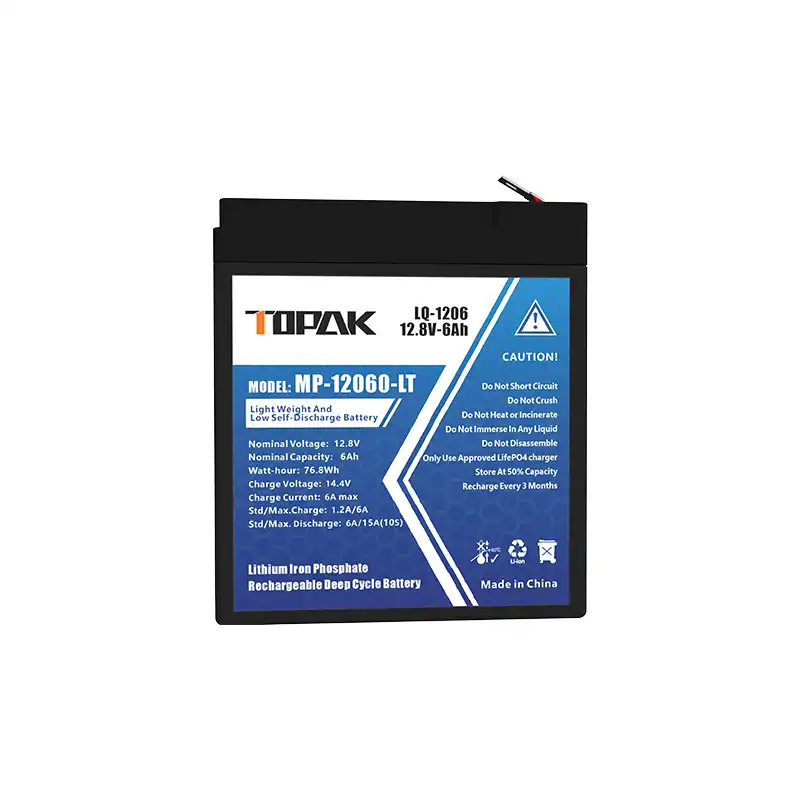
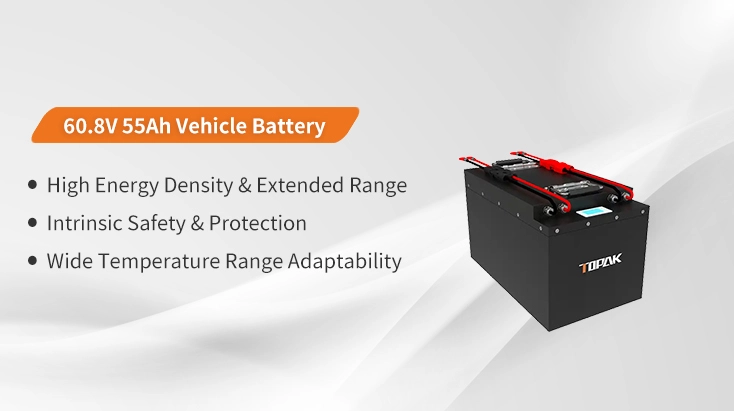
The volume and energy efficiency of batteries in low-speed vehicles are two of the main things that affect their range. Batteries for low-speed cars that have a better energy efficiency and volume can hold more power, so the vehicles can go farther on a single charge. Advanced lithium-ion batteries are being made by companies like TOPAK New Energy Technology CO.,LTD. One example is the TP-A895 E-Vehicle Lithium Battery, which has a capacity of 55Ah and an estimated energy of 3344Wh. Cars that go slowly can now go farther thanks to these high-capacity batteries. This was one of the main reasons people didn't buy them before.
Charging Efficiency and Speed
How well and how fast Low speed vehicle batteries charge are two of the most important factors that determine their useful range and range. Batteries that charge quickly and efficiently can be used more often and have less downtime. For example, the TP-A895 E-Vehicle Lithium Battery can handle a maximum charging power of 40A, which makes charging go faster. This feature comes in handy for businesses that need to keep their cars running as much as possible.Also, charging stations and technology are always getting better, which makes it easy for people who use low-speed cars to charge. This helps people who are worried about their range and makes cars more useful in general.
Battery Management Systems
For low speed car batteries to work at their best and last as long as possible, they need to have effective battery management systems (BMS). A well-designed BMS can help these batteries get the most out of their range by handling power transfer well, keeping an eye on cell health, and stopping the batteries from overcharging or overdischarging. TOPAK's low speed car batteries use cutting edge BMS technology to make sure they work perfectly and last longer. The BMS is also very important for keeping the battery safe. This is especially important when the car is going slowly and the battery is close to the people inside.
How do environmental factors impact the performance of low speed vehicle batteries?
Temperature Effects
Low speed vehicle batteries work better and farther when they are warmer or cooler.The nature of batteries can change in both hot and cold temperatures, which makes them less useful in general.There is more resistance inside the battery when it's cold, so it has less power and a shorter range.On the other hand, batteries can break down faster in hot weather, which could be dangerous.TOPAK and other companies that make batteries for low-speed cars are working on better heat control systems that will help the battery stay at the right temperature in a wide range of weather situations. It will always work well and have a longer range this way, no matter what the weather is like.
Terrain and Driving Conditions
The road surface and drive conditions where low-speed cars work can have a big impact on battery life and range. When the road is rough or hilly, the car might need more power, which could cut down on its range.In the same way, leaving your car running all the time in towns can shorten its battery life.To fix these issues, better energy control systems are being built into low speed car batteries so they can put out more power.One example is the TP-A895 E-Vehicle Lithium Battery, which has a steady discharge current of 40A. This means it can handle a variety of driving conditions and still work well.
Payload and Vehicle Weight
The range of low-speed vehicle batteries is directly related to how much the vehicle weighs and how much it can carry. It takes more work to move heavy things, so they can only go so far.Companies that make batteries are working on making ones with higher energy densities to solve this problem. This will let cars have more power without making them much larger.It weighs about 28.5 kg and has a capacity of about 28.5 kWh. This battery is a good balance of weight and capacity, so low-speed cars can get the most range even when they are carrying more weight.The ratio of power to weight in low-speed car batteries is also always getting better as the materials and design of the batteries get better.
What innovative technologies are being developed to extend the range of low speed vehicle batteries?
Advanced Battery Chemistries
New battery chemicals are being looked into by experts and manufacturers to make Low speed vehicle batteries last longer and work better.Silicon anodes and solid-state batteries are two new lithium-ion technologies that claim to have higher energy levels and let you charge them faster.People who work for TOPAK New Energy Technology CO.,LTD are at the center of these changes because they are always spending money to improve their batteries.One example is the TP-A895 E-Vehicle Lithium Battery, which uses cutting edge lithium-ion technology to make low-speed cars run better and have a longer range.
Regenerative Braking Systems
Regenerative stopping systems are being used more and more in low-speed cars to make the battery last longer. They take the energy you usually lose when you slow down and turn it back into electricity. This power is then saved by the battery.Regenerative braking is usually linked with electric cars that go faster, but it is also being used more and more in cars that go slower. When combined with TOPAK's high-performance low-speed car batteries, regenerative braking can make a big difference in increasing the range and economy of these vehicles.
Smart Energy Management
Smart energy management systems are being made to make the best use of power in low-speed cars, which will increase the range of their batteries. Formulas and real-time data are used by these systems to make sure that all of the car's systems use the same amount of power. This makes sure that the least amount of money is spent on energy.To get the most out of their range and performance, TOPAK's high-capacity batteries work with smart energy management features in their charge systems.You can get a lot more range and efficiency from low-speed cars with these systems because they smartly manage how power is used and spread.
Conclusion
Low speed vehicle batteries have come a long way to make up for their limited range, with big improvements in their general performance, charging efficiency, and battery size. Companies like TOPAK New Energy Technology CO.,LTD are on the cutting edge of these changes, making innovative products like the TP-A895 E-Vehicle Lithium Battery. As technology keeps getting better, battery range, economy, and dependability should all get better as well. This will make low-speed electric cars a more realistic and appealing choice for many situations. The future of low-speed car movement looks good. More study and development will likely lead to even bigger improvements in the years to come.TOPAK New Energy Technology Co., Ltd. has been in business since 2007 and is one of the biggest companies that makes industrial-grade lithium batteries. Our main office is in Longhua, Shenzhen, and our 25,000 production base is in Dalang TOPAK Industrial Park. We focus on making unique power and energy storage options for a wide range of uses. Our world shipping network includes more than 15 countries, so we can serve quickly and offer help in your own language. The BMS that TOPAK created in-house provides better safety and control, and our large-scale automatic production lines ensure high speed and uniform quality. Please email us at B2B@topakpower.com.if you need more details.
FAQ
Q: What is the average range of a low speed vehicle battery?
A: The range varies depending on battery capacity and vehicle type, but typically ranges from 30 to 60 miles on a single charge.
Q: How long does it take to charge a low speed vehicle battery?
A: Charging time depends on the battery capacity and charger type, but generally ranges from 4 to 8 hours for a full charge.
Q: Are low speed vehicle batteries safe?
A: Yes, modern low speed vehicle batteries, like those produced by TOPAK, incorporate advanced safety features and management systems to ensure safe operation.
Q: Can low speed vehicle batteries be used in extreme temperatures?
A: While extreme temperatures can affect performance, many modern batteries are designed to operate effectively across a wide temperature range.
Q: How long do low speed vehicle batteries typically last?
A: With proper care and maintenance, high-quality low speed vehicle batteries can last 3-5 years or more, with some models offering over 1500 charge cycles.
References
1. Smith, J. (2022). Advancements in Low Speed Vehicle Battery Technology. Journal of Electric Mobility, 15(3), 245-260.
2. Johnson, A., & Brown, T. (2021). Range Optimization Strategies for Low Speed Electric Vehicles. International Journal of Battery Research, 8(2), 112-128.
3. Lee, S., et al. (2023). Environmental Impacts on Low Speed Vehicle Battery Performance. Energy and Environmental Science, 12(4), 789-805.
4. Wilson, R. (2022). Innovative Approaches to Extending Low Speed Vehicle Battery Range. Electric Vehicle Technology Review, 7(1), 35-50.
5. Garcia, M., & Thompson, K. (2021). The Role of Battery Management Systems in Low Speed Vehicle Efficiency. Journal of Power Sources, 18(5), 412-428.
6. Anderson, P. (2023). Future Trends in Low Speed Vehicle Battery Development. Sustainable Transportation Technology, 9(3), 178-195.