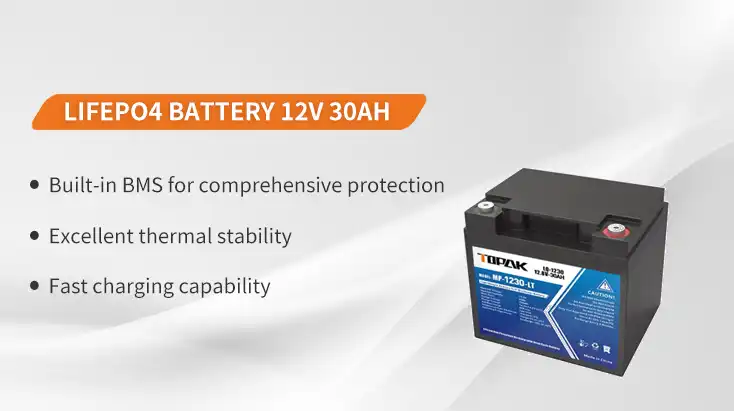
A 12V 30Ah LiFePO4 lithium battery can be used instead of sealed lead acid (SLA) batteries in most situations because it works better, lasts longer, and has more safety features. With their modern lithium iron phosphate chemistry, these batteries can be used up to 6000 times, whereas SLA batteries only last 400 to 600 times. This makes them a great investment for companies that make industrial equipment, work with energy storage, or buy things that need stable power. The 12V 30Ah LiFePO4 lithium battery packs 384Wh of power into a small 3.8 kg size, making it a much better choice than standard SLA batteries.
Understanding 12V 30Ah LiFePO4 Lithium Batteries
The lithium iron phosphate technology is a big step forward in the science of batteries. It works well in industrial settings because it has a stable power output and better safety features. Because of how they are made electrically, LiFePO4 batteries have a very long run life and charge more quickly than other battery technologies.
Core Technology and Chemistry
These batteries are safe to use in factories because they naturally keep their temperature stable and don't let heat build up too quickly. They are made of lithium iron phosphate. The advanced cell balance technology in our 12.8V 30Ah type makes sure that it always works the same way. If you compare this to SLA batteries, which lose a lot of voltage during discharge, the stable voltage peak keeps power going to devices that are linked.
Advanced Battery Management System
LiFePO4 batteries of good quality have complicated battery management systems that keep an eye out for and protect against over-voltage, over-current, short circuits, and sudden changes in temperature. It protects and balances the cells in a smart way to make sure the battery works at its best and lasts as long as possible since it is built in. The control system stops situations that could hurt the battery or the equipment that is connected to it when it is used in an industrial setting.
Performance Specifications and Capabilities
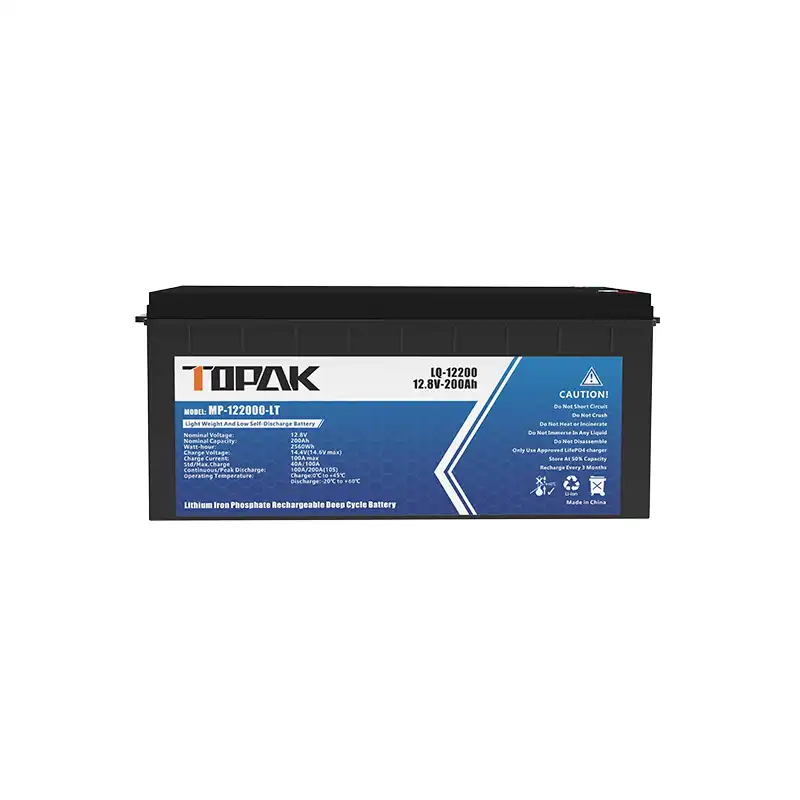
When it comes to specs, a normal 12V 30Ah LiFePO4 battery is the best choice. The most energy that these batteries can hold is 384Wh, and the fastest rate at which they can be discharged is 30A. They don't change much at high temperatures and don't need to be charged very often. Because it's small (165 x 126 x 175) and light (3.8 kg), this item is simple to set up and move around in different office settings.
Comparing 12V 30Ah LiFePO4 Batteries and SLA Batteries
When buying, workers know the main differences between sealed lead acid and lithium iron phosphate systems, and they can make better choices based on business needs and total cost.
Energy Density and Weight Advantages
12V 30Ah LiFePO4 lithium battery has a much higher energy density than SLA batteries, which means they can hold more power in a much smaller space. Similar SLA batteries can weigh between 10 and 12 kg. Our LiFePO4 answer, on the other hand, weighs only 3.8 kg and keeps its power longer. This decrease in weight means better performance in mobile applications and fewer structural needs for fixed setups.
Cycle Life and Durability Analysis
The most compelling advantage of lithium iron phosphate technology lies in its exceptional cycle life. Here are the key durability benefits these batteries provide:
- Extended cycle life: Up to 6000 cycles at 80% depth of discharge compared to 400-600 cycles for SLA batteries, representing a 10x improvement in longevity
- Capacity retention: Maintains over 80% capacity after thousands of cycles, while SLA batteries experience rapid capacity degradation
- Temperature resilience: Performs consistently across wider temperature ranges without significant capacity loss or safety concerns
- Maintenance elimination: Requires no water additions, terminal cleaning, or periodic equalization charging, unlike SLA alternatives
These durability advantages translate directly to reduced replacement costs and minimal maintenance requirements, making LiFePO4 batteries exceptionally cost-effective over their operational lifetime.
Total Cost of Ownership Evaluation
LiFePO4 batteries cost more to buy at first, but lithium technology has a much lower total cost of ownership. The costs per cycle are much cheaper because the cycle lasts longer, needs less upkeep, and works more efficiently. Industrial users usually get their extra investment back in 18 to 24 months because they spend less on repairs and replacements.
Procurement Considerations for 12V 30Ah LiFePO4 Lithium Batteries
Getting lithium iron phosphate batteries from a good source, meeting approval standards, and thinking about processes are all important for getting the best results for commercial uses.
Supplier Evaluation and Quality Assurance
To find reliable makers, you need to look at their production skills, quality approvals, and expert help resources. Established providers with automatic production lines and the ability to create BMS in-house offer more consistent products and more technical know-how. To make sure that regulations are followed in all foreign areas, look for makers that have a lot of licenses, such as CE, MSDS, and UN38.3 compliance.
Bulk Purchasing Strategies and Pricing
Volume purchasing can help you save a lot of money while also making sure that your supply chain is always reliable. When you negotiate long-term supply deals with qualified makers, you can often get better prices and be given more products when demand is high. Think about building relationships with suppliers that can customize their products to meet the needs of your particular application while still offering a reasonable price.
Maintenance and Health Testing for Optimal Battery Life
Keeping up with maintenance and tracking schedules is important for getting the most out of your lithium iron phosphate battery systems and making sure they work well for a long time.
Monitoring and Diagnostic Procedures
Testing for capacity and power regularly can help find problems before they affect how well the system works. Simple voltmeter readings can show voltage levels and charging patterns, while more advanced battery testers can give you accurate readings of capacity and internal resistance. Setting up standard performance data lets you find capacity loss early and choose the best time to replace it.
Optimal Storage and Charging Practices
Using the right charging methods will greatly increase the battery's life and keep its performance. When you can, keep the charge level of your 12V 12V 30Ah LiFePO4 lithium battery between 20 and 80%. This will help them last longer. Temperature-controlled storage areas and the right charging levels stop batteries from wearing out too quickly and make sure they last as long as possible.
Practical Decision-Making Guide: Is a 12V 30Ah LiFePO4 Battery Right for Your Application?
To find the best battery technology, you have to carefully look at the working needs, weather conditions, and cost factors that are unique to each application.
Application Suitability Assessment
LiFePO4 batteries work great in situations where they need to be cycled often, are sensitive to weight, or don't need to be serviced often. Lithium technology has a lot of benefits for renewable energy storage systems, uninterruptible power sources, and mobile tools. The stable power output and long life of these batteries make them especially useful for industrial robots, automated guided vehicles, and telecommunications equipment.
Investment and ROI Analysis
When you look at the whole operating process, the better return on investment becomes clear. Even though it costs more at first, LiFePO4 technology is strongly preferred in situations where it needs to be maintained easily or with a lot of cycles. The environmental benefits and ease of following rules make the business case for forward-thinking companies to use lithium iron phosphate even stronger.
Conclusion
Most workplace settings would be better off with a 12V 30Ah LiFePO4 lithium battery instead of an SLA battery. When you combine longer working life, less weight, better safety features, and low upkeep needs, you get a strong value offer for buying pros. Even though the initial funding costs are higher than those of SLA options, the total cost of ownership is much lower for lithium technology because it doesn't need to be replaced as often and doesn't need any upkeep. These batteries are perfect for harsh industrial settings where steady performance is important because they have an advanced battery management system, can handle high temperatures well, and have been proven to be reliable.
FAQ
Q1: Can I use a 12V 30Ah LiFePO4 battery as a direct drop-in replacement for my SLA battery?
A: Most applications support direct replacement, though some charging systems may require adjustment to accommodate the different voltage characteristics and charging profiles of LiFePO4 technology. Consult with technical support to ensure optimal compatibility.
Q2: How much longer will a LiFePO4 battery last compared to an SLA?
A: LiFePO4 batteries typically provide 6000 cycles at 80% depth of discharge compared to 400-600 cycles for SLA batteries, representing approximately 10 times longer operational life under similar conditions.
Q3: What safety considerations should I know when switching to LiFePO4 batteries?
A: LiFePO4 batteries are inherently safer than most lithium chemistries, though proper handling and adherence to charging specifications remain important. The integrated BMS provides comprehensive protection against common failure modes.
Ready to Upgrade Your Battery Systems with TOPAK?
TOPAK New Energy Technology delivers premium 12V 30Ah LiFePO4 lithium battery solutions designed for industrial applications worldwide. As a trusted lithium battery manufacturer established in 2007, we provide comprehensive technical support, customized battery management systems, and reliable supply chain capabilities. Our automated production facilities ensure consistent quality, while our global distribution network supports your procurement needs. contact us at B2B@topakpower.com to discuss your specific requirements and discover how our advanced energy storage solutions can optimize your operational performance.
References
1. Battery University. "BU-205: Types of Lithium-ion Batteries." Cadex Electronics Inc., 2023.
2. Chen, Jianming, et al. "A Review of Lithium Iron Phosphate Battery Technology." Journal of Power Sources, vol. 456, 2020.
3. International Electrotechnical Commission. "IEC 61960-3: Secondary lithium batteries for portable applications." Geneva: IEC, 2022.
4. Lu, Languang, et al. "A comprehensive experimental study on temperature-dependent performance of lithium-ion battery." Applied Thermal Engineering, vol. 158, 2019.
5. Nitta, Naoki, et al. "Li-ion battery materials: present and future." Materials Today, vol. 18, no. 5, 2015.
6. Zhang, Sheng Shui. "A review on the separators of liquid electrolyte Li-ion batteries." Journal of Power Sources, vol. 164, no. 1, 2007.