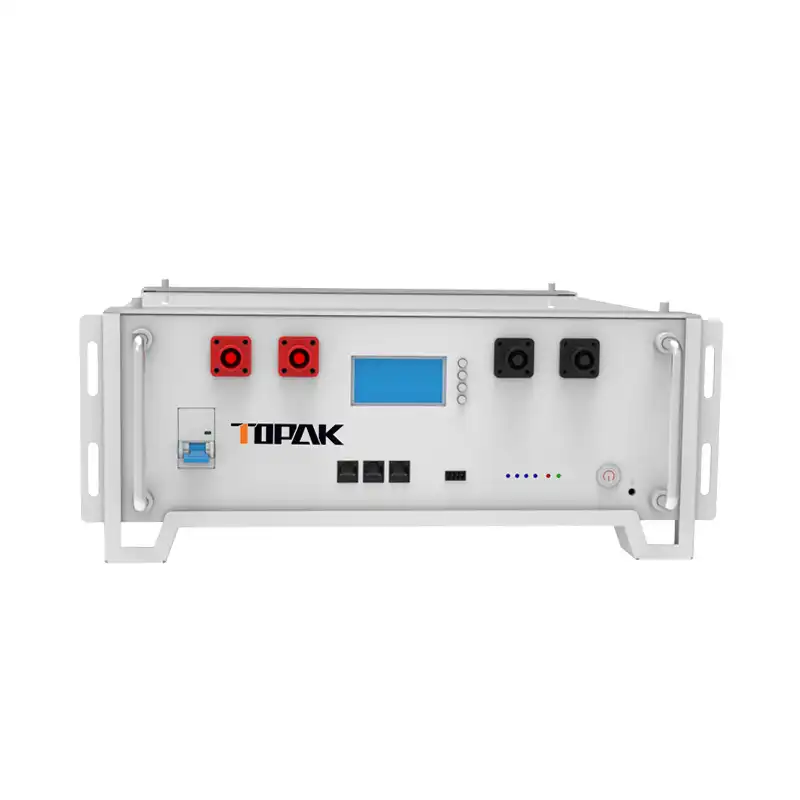
Can a 51.2v Rack Mount Lithium Battery Handle Critical Loads?
When properly defined and executed, a 51 2V rack-mount lithium battery can handle heavy loads. Modern rack-mount lithium systems offer better energy density, longer cycle life, and improved safety features, making them very reliable and effective for mission-critical applications. These batteries offer steady power, quick responses, and full monitoring features that are needed to keep data centers, telecommunications infrastructure, and industrial control systems running smoothly.
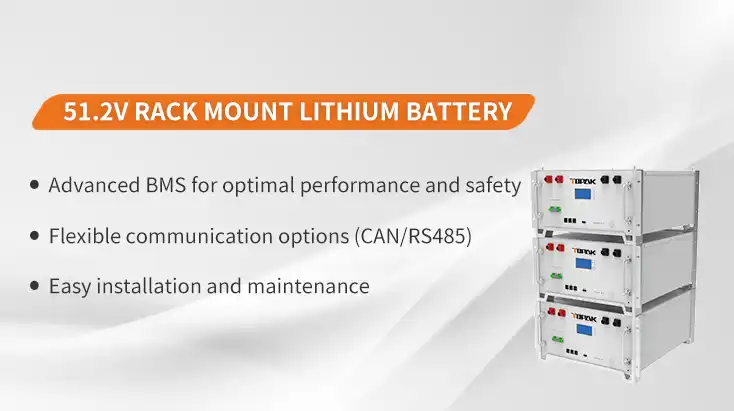
Understanding 51.2v Rack Mount Lithium Batteries and Their Role in Critical Loads
In the past ten years, industrial energy storage systems have changed a lot. Lithium-ion technology has become the most important part of stable power backup systems. The 51.2v rack mount lithium battery is a high-tech way to store power that was made for high-load situations where system failure is not a choice.
Advanced Cell Chemistry and Energy Management
The chemical and structural properties of the cells are what make up a high-performance lithium battery system. Lithium Iron Phosphate (LiFePO4) chemistry is often used in modern rack mount systems because it is very safe and stable at high temperatures. The nominal voltage of 51.2V is reached by setting up 16S1P cells in series and connecting them to make a strong power distribution base. These systems do more than just control electricity when it comes to managing energy. Advanced Battery Management Systems (BMS) constantly check cell voltages, temperatures, and current flows to make sure they work at their best and keep things safe. These control systems make sure that power delivery stays the same even when the load changes, which makes them perfect for important uses.
Real-World Applications in Mission-Critical Environments
A lot of different types of businesses use critical load applications because losing power can cost a lot of money or put people in danger. Data centers depend on these battery systems to keep them running when the power goes out from the utility company, and the backup generator starts up. Usually, the power shift has to happen smoothly within milliseconds. Telephone systems depend on rack-mount batteries to keep the networks connected when the power goes out. This makes sure that emergency contacts can still be used. Another strong use case is industrial automation, which is used in places where manufacturing processes can't handle even short power outages. Modern rack-mounted lithium systems have the quick reaction time and steady power flow needed to keep production going even when the power goes out.
Performance and Lifespan: Can These Batteries Reliably Support Critical Loads?
The performance and life of the 51 2V rack mount lithium battery technology used in vital power systems are very important to their dependability. Knowing about these things helps people who work in buying make smart choices about investments in power systems.
Cycle Life and Capacity Retention
Modern lithium rack-mount systems have amazing, long-lasting qualities that far surpass those of older lead-acid systems. This ability is best shown by the TOPAK TP-48200R model, which can handle 6000 rounds at 80% depth of discharge (DOD). This is equal to about 16 years of daily riding, making it a great deal for long-term installs. Another important success measure is capacity retention. After thousands of rounds, good lithium systems still have 80% of their original capacity, so they can keep delivering power for as long as they are used. System builders can correctly plan for capacity needs over long periods of time thanks to this predictable degradation pattern.
Thermal Management and Safety Features
Temperature control is very important for the safety and performance of batteries, especially when they are mounted on a rack, where limited room can make it hard for air to circulate. Advanced thermal management systems use many temperature sensors all over the battery pack to precisely track and control the working conditions. In addition to managing temperature, safety features include tracking voltage, reducing current, and finding faults. Together, these built-in safety features keep the system available during critical events and stop dangerous working conditions.
Charging Efficiency and Response Times
Critical load applications need to be able to charge quickly and respond right away to power needs. Modern rack-mount systems can handle high charging currents. For example, the TP-48200R can charge at 100A rates, which lets it get back to normal quickly after a discharge event. This fast charging feature makes sure that the system is always available, even when the power goes out several times in a row. Response times for power supply are usually measured in milliseconds, which makes the changeover smooth when the power from the utility company goes out. Because they can respond right away, rack-mount lithium systems are perfect for UPS users who can't handle even short power outages.
Comparing 51.2v Rack Mount Lithium Batteries with Alternative Solutions
When choosing backup power solutions, power system builders have a lot of technology options to choose from. Knowing the pros and cons of various technologies helps you make smart choices that meet the needs of your unique application.
Lithium vs. Lead-Acid Technology Comparison
There are big changes between lithium batteries and regular lead-acid batteries in a lot of ways that affect how well they work. When compared to sealed lead-acid options, rack-mount lithium batteries offer three to four times the energy storage capacity per unit weight, making energy density one of the most appealing benefits of lithium technology. The amount of maintenance needed for each technology is very different. Regular upkeep for lead-acid systems includes checking the battery level, cleaning the terminals, and charging them to make them equalize. Lithium systems don't need to be maintained for years, which lowers costs and increases system reliability by lowering the need for human assistance. Lithium technology also works well in a wider range of operational temperatures, and rack-mount systems keep working at full speed even in these cooler conditions. In telecoms uses, where equipment rooms may experience big changes in temperature, this trait is especially useful.
51.2V vs. 48V System Architecture
Choice of voltage affects how a system is designed,51 2V rack mount lithium battery, how efficient it is, and how well it works with other systems. The standard voltage of 51.2V makes the system more efficient than 48V systems by lowering I²R losses in the wires and making the system work better overall. Another important thing to think about is how well the infrastructure works together. Many new UPS systems and transformers can work with both 48V and 51.2V inputs, which lets you create a system that works for you. But older equipment might need to be carefully checked to make sure it works with higher power systems.
Modular vs. Monolithic Design Approaches
Long-term running costs and system freedom are affected by how scalable and maintainable a system is. With modular expansion, rack-mount systems can add more modules in parallel, which improves their capability. The TP-48200R can handle up to 15 parallel links, so it can handle anywhere from 10.24 kWh to over 150 kWh in a single setup. Modular designs also make systems easier to manage because they let you change individual modules without having to shut down the whole system. This feature is useful in serious situations where extended repair times aren't possible because the system needs to be available all the time.
Procurement Considerations for 51.2v Rack Mount Lithium Batteries in B2B Markets
For important power systems to be bought successfully, many things must be carefully considered, not just the starting cost. Total cost of ownership and system success are affected by long-term worth, supplier reliability, and expert help skills.
Certification and Compliance Requirements
International approval makes sure that products are safe and makes global adoption easier. The TP-48200R is still certified by IEC62619, UN38.3, and MSDS, which means it can be used in many foreign areas and still meet strict safety standards. Quality standards also show how well the production process is developed and how reliable the product is. Manufacturers that have been around for a while and have a lot of different certifications show that they care about product quality and customer safety.
Supplier Evaluation and Long-term Partnership Considerations
Supplier selection is more than just choosing the right product. It also includes the supplier's ability to make the product, offer technical help, and be viable in the long run. The fact that TOPAK was founded in 2007 with 25,000㎡ worth of factories shows that it is stable and has the skills needed for large-scale operations. The ability to distribute goods around the world has an effect on shipping times and the availability of local help. Suppliers with established distribution networks in 15 or more countries can help you keep track of project deadlines and provide ongoing technical support.
Customization and Technical Support Capabilities
Customized solutions that meet unique operational needs are often needed for critical uses. With in-house BMS creation, tracking, communication, and safety features can be changed to fit the needs of each application. How quickly technical help responds affects how well systems work and how quickly problems are fixed. A lot of support, like help integrating the system, help with setup, and advice on ongoing maintenance, makes the choice to buy more valuable.
Maximizing Critical Load Performance: Maintenance and Optimization Tips
To get the most out of rack-mount battery systems in terms of speed and lifespan, you need to know the best ways to operate and maintain them. These methods make sure that the system works well and gets the best return on investment.
Environmental Control and Monitoring
The operating setting has a big effect on how well and how long a battery lasts. Keeping temperatures fixed between 15°C and 25°C extends the life of batteries and ensures steady performance. Controlling humidity stops problems like rust and mist that could hurt the system's dependability. Monitoring the surroundings all the time lets people take action before the conditions affect the system's performance. In modern BMS systems, temperature, voltage, and current readings can be made across individual cells and modules as part of a full tracking system.
Load Management and Charging Optimization
Load control that is done right can make batteries last longer and make sure they have enough power for important tasks. Avoiding heavy discharge events above 80% DOD increases cycle life, and balanced charging methods make sure that all of the cells in the battery pack age at the same rate. To optimize charging, you have to carefully choose charging settings that meet the needs of your business. When something is discharged, fast charging lets it quickly recover, 51 2V rack mount lithium battery, and float charging keeps it ready during rest times.
Preventive Maintenance Protocols
Schedules for regular inspections find possible problems before they affect the operation of the system. Visual checks of the links, the strength of the housing, and the cooling systems stop small problems from turning into big ones. Connection upkeep, such as checking the torque and looking for rust, is important for making sure that the electricity works properly. Resistance heating from loose links can affect how well and safely the system works.
Conclusion
There is strong proof that 51.2v rack mount lithium batteries can safely handle heavy loads in a wide range of situations. These systems work better than standard ones because they use modern LiFePO4 chemistry, have a longer cycle life (over 6000 cycles), and have many safety features. The flexible design, good thermal management, and strong BMS integration make sure that mission-critical processes always get the power they need. When set up and taken care of correctly, rack-mount lithium systems offer great value through lower upkeep needs, higher efficiency, and longer operating life. This makes them the best choice for demanding critical load applications.
FAQ
1. What is the expected lifespan of a 51.2v rack mount lithium battery under intensive use?
Quality rack-mount lithium batteries usually last 6000 cycles or more, which is about 16 years of use under heavy use conditions with daily spinning at 80% depth of discharge. The real lifespan relies on how it is used, how it is charged, and the environment. Regular care greatly increases the working life.
2. How do these batteries respond to sudden power surges or electrical faults?
Modern electric rack mount systems use advanced BMS technology that quickly finds faults and takes safe action. Within milliseconds, the system can identify and react to overcurrent, overvoltage, and short-circuit situations. It will then disconnect the battery to protect it from damage while keeping the system safe.
3. Can capacity and configuration be customized for specific operational requirements?
Yes, reliable makers give you a lot of ways to customize their products, such as increasing their capacity through parallel connections, changing the size of the housing, using different communication methods, and adding custom BMS features. The modular design lets you set it up in a way that fits your power needs and the limitations of your infrastructure.
4. What communication options are available for system integration and monitoring?
Professional rack mount systems usually allow more than one communication standard, such as CAN bus, RS485, Bluetooth, or cellular connection, which can be added as an extra. For full control of the power system, these links let building management systems, remote tracking platforms, and automated control systems work together.
Partner with TOPAK for Your Critical Power Solutions
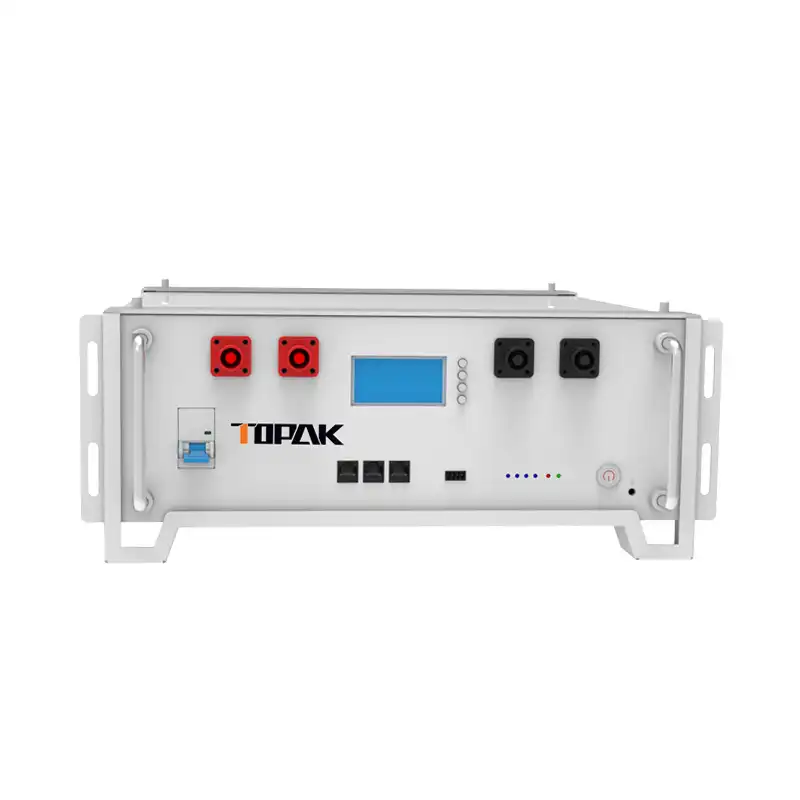
TOPAK New Energy Technology offers tried-and-true 51 2V rack mount lithium battery options, backed by more than 15 years of experience making batteries and shipping them to more than 15 countries. Our TP-48200R type has a 200Ah capacity, a 6000-cycle life, and the latest BMS technology to handle the toughest critical load situations. We offer custom energy storage systems that are made to fit your needs with in-house BMS development, automated production lines, and full expert support. Get in touch with our engineering team at B2B@topakpower.com to talk about your project details and find out why TOPAK is the trusted 51.2v rack mount lithium battery provider for mission-critical applications by top makers.
References
1. International Energy Agency. "Grid-Scale Battery Storage Technology Assessment." Energy Storage Systems Analysis Report, 2023.
2. Institute of Electrical and Electronics Engineers. "Safety Standards for Lithium-Ion Battery Systems in Critical Applications." IEEE Standard 1547-2023.
3. Battery Industry Research Consortium. "Comparative Analysis of Energy Storage Technologies for Critical Infrastructure Applications." Industrial Power Systems Quarterly, Vol. 45, 2023.
4. National Institute of Standards and Technology. "Performance Metrics for Critical Load Battery Systems." NIST Technical Publication 2100, 2023.
5. Critical Power Supply Association. "Best Practices for Rack-Mount Battery System Implementation in Data Centers." CPSA Guidelines Document 2023-07.
6. International Telecommunication Union. "Power System Requirements for Telecommunications Infrastructure Reliability." ITU-T Recommendation L.1200, 2023.
_1763953528391.webp)