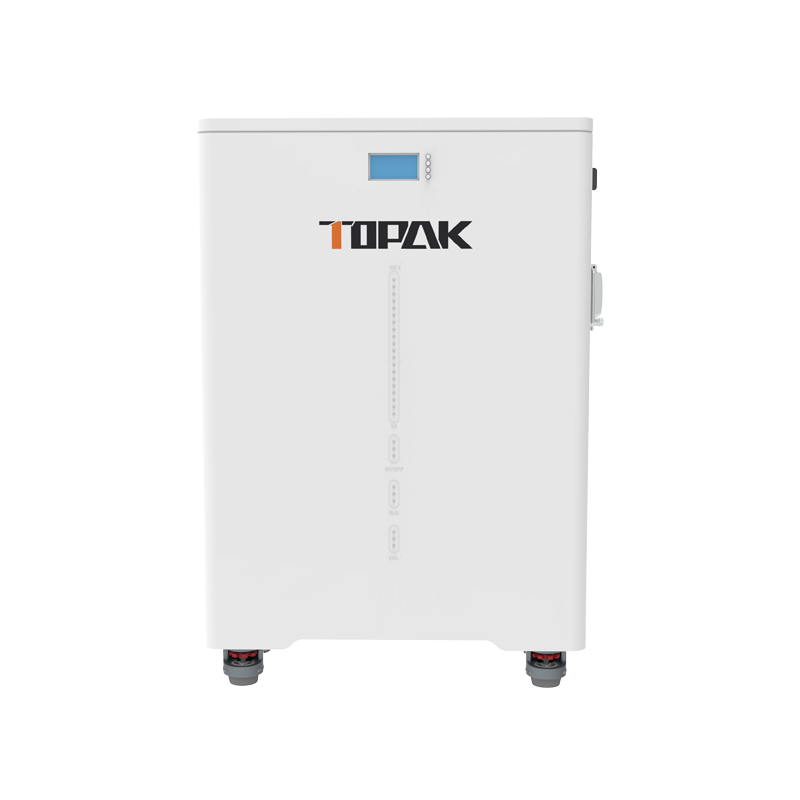
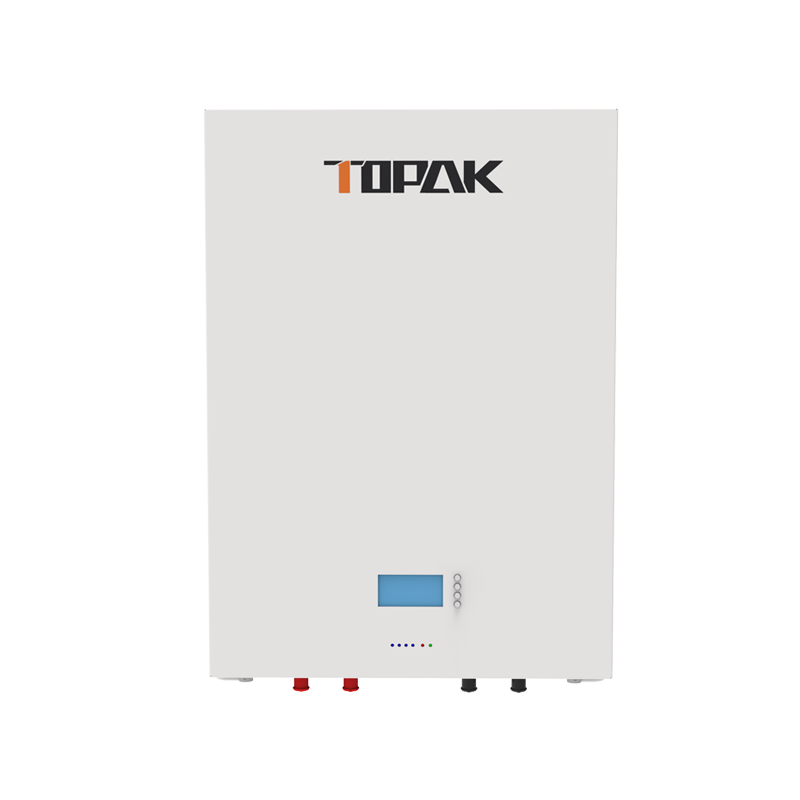
12v 150ah lifepo4 Battery for Backup Power and Emergency Kits
Back-up power is important for running a business in case the main power goes out or there is an emergency. The 12V 150AH LiFePO4 battery is now the best choice for backup power systems and being ready for disasters because it is safe, reliable, and works well. These new lithium iron phosphate batteries are small and light, but they can hold 1920Wh of power. They work a lot better than regular lead-acid batteries. Industrial equipment makers, energy storage creators, and emergency service providers can be sure they will have power when they need it most if they spend money on good LiFePO4 technology.
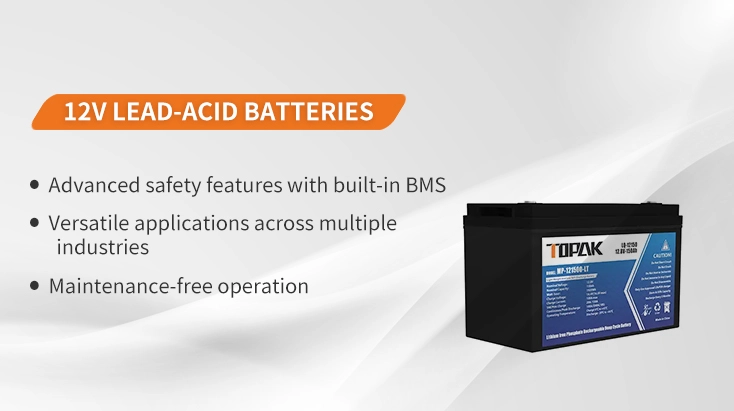
Understanding 12V 150Ah LiFePO4 Batteries: Specs, Operation & Benefits
Find out about 12V 150Ah LiFePO4 batteries, including what they are, how they work, and what benefits they have. These days, backup power needs to store energy in new and improved ways so that it can keep working even when things get tough. LiFePO4 batteries are a big step forward in the way batteries work. It's safe to use and stays stable at high temperatures because it's made of lithium iron phosphate.
Technical Specifications and Core Performance
This 12.8V 150Ah LiFePO4 battery can hold 150 amp-hours of power, which is the same as 1920 watt-hours. Its normal voltage is 12.8V. A steady charging rate of up to 150A is possible with these batteries, so they can be used in situations with a lot of use. They weigh about 16 kg and are 328 mm long, 172 mm wide, and 215 mm high. They weigh 60% less than similar lead-acid batteries. The Battery Management System (BMS) that is built in guards against too much power, too much current, short circuits, and sudden temperature changes. This safety feature is built in and keeps an eye on each cell on its own. It makes sure that charging is balanced and stops any dangerous situations that could hurt performance or safety. You can also keep a close eye on the battery's charge level with the BMS, and smart cell management makes the battery last longer in general.
Operational Advantages Over Traditional Battery Technologies
These batteries work very well because they are made with the LiFePO4 formula. This makes them perfect for very important backup systems. It can be charged and discharged up to 6,000 times, which is 5–10 times longer than regular lead-acid batteries. The overall cost of purchase is much lower because it lasts longer, and it also needs less maintenance. Between -20°C and 60°C is the working temperature range. This makes sure that the device works the same way anywhere. When it gets cold, lead-acid batteries lose power. But LiFePO4 cells keep their power flow steady no matter what the weather is like. These batteries can reach full power in two to four hours, while regular batteries need eight to twelve hours. This is because they can be charged quickly.
Safety Features and Environmental Compliance
Even when there is extra power or an emergency, 12V 150AH LiFePO4 safety is still the most important thing. This type of lithium battery doesn't have to worry about thermal runaway like other lithium chemistries do because it stays safe at high temperatures. The cathode made of phosphate makes chemical bonds that are very strong and don't break even when the battery is used too much. This lowers the chance of a fire or blast. As long as these batteries meet strict international safety standards like UN38.3, MSDS, and CE, you can ship and use them anywhere in the world. The eco-friendly material doesn't contain any heavy metals or other dangerous substances. This helps businesses be more eco-friendly and provides stable power in case of an emergency.
Applications of 12V 150Ah LiFePO4 Batteries in Backup Power and Emergency Kits
So that you are ready for anything, you need power sources that are flexible and can do many important things. In a lot of different emergency cases, the 12v 150ah lifepo4 battery works great, from backup systems in factories to web servers.
Industrial Emergency Power Systems
Manufacturing places need power that never goes out so that important processes and safety systems can keep running. These batteries give emergency lights, fire control systems, and other important tools reliable power when the power goes out. It can be put in current electricity panels because it has a high energy density, and the fact that it doesn't need any maintenance lets you save money over time. Cell phone companies use these batteries to power their cell towers when the power goes out. This makes sure that communication networks can still work. Because they can handle high temperatures and last a long time, they are great for places in the country where repair staff can't easily get to. Being able to quickly charge and drain batteries is good for data centers because it makes power changes smooth, even when the power goes out.
Emergency Kit Integration and Mobile Applications
Teams that respond to emergencies need small power sources that always work, even when things are tough. Due to their small size and light weight, LiFePO4 batteries can be put in mobile emergency kits to power medical tools, phones, and lights for a long time. It can hold 1920Wh, which is enough to power important things for more than one day during a disaster. Adding solar panels makes disaster planning better because they let you charge with clean energy during long power outages. The batteries can be charged by motors, solar panels, or the power grid, so there are lots of different ways to power them up. Having this much freedom is very helpful during natural disasters, when the regular power method might not work.
Series and Parallel Configuration Options
You need to carefully think about how to connect the battery and follow safety rules if you want to make it bigger and stronger. The power output goes up with series links,12V 150AH LiFePO4, but the amp-hour capacity stays the same. You can use either 24V or 48V to set up the setup. By raising the total capacity while keeping the system power the same, parallel links let you make new ways to store energy. When you connect batteries in a row, make sure they all have the same specs and charge level so that the load is even. It is important to properly join and keep an eye on parallel connections so that circulation currents don't flow between battery banks. There is a battery management system (BMS) built into every battery that keeps each cell safe. But watching at the system level makes safety and keeping track of performance better in general.
Comparing 12V 150Ah LiFePO4 Batteries: Making the Right Choice for Your Business
If you want to get the most out of emergency power buying, you should carefully look at performance measures, cost factors, and provider skills before making your choice.
Performance Analysis Against Alternative Technologies
In the past, lead-acid batteries were the best way to store power, but LiFePO4 technology makes them much better. At 80% depth of discharge, LiFePO4 batteries can be used 6,000 times. At 50% depth of discharge, lead-acid batteries can only be used 500 to 800 times. This makes the cycle life 10–15 times longer. Over the life of the system, this means that it will cost much less to repair parts.LiFePO4 batteries are still the best. AGM and gel batteries are better than flooded lead-acid batteries in some ways. Most of the time, AGM batteries can be used 1000 to 1200 times, while gel batteries can be used 1500 to 2000 times. Charge systems are more difficult to set up because both ways need careful control of power and temperature. LiFePO4 batteries last longer and work better in a wider temperature range. They can be charged with a wider power range. Seeing the difference between the energy levels shows that LiFePO4 technology saves a lot of space and weight. It takes about 45 to 50 kg to carry a 150Ah lead-acid battery, but it only takes 16 kg to carry a 16Ah LiFePO4 battery. It's easier to install and doesn't need as much support because it's 60% lighter. This makes the system more efficient overall.
Cost-Benefit Analysis and Total Ownership Evaluation
When you first buy them, LiFePO4 batteries are often two to three times more expensive than lead-acid ones. But when you look at how much they save you in the long run, you can see that they are worth it. It costs less per turn over the life of the battery because it lasts longer, needs less maintenance, and works more efficiently. It is very important for businesses to cut down on upkeep costs. To keep their batteries in good shape, lead-acid batteries need to have the liquid checked often, the connections cleaned, and the batteries balanced. You don't have to do these maintenance tasks anymore with LiFePO4 batteries, which saves money on workers and keeps the system running. The stable chemical keeps the battery from having issues with sulfation and acid damage, which can happen with other battery technologies.
Supplier Evaluation and Quality Assurance Criteria
When you need power quickly and can't afford to lose it, you need to pick a company you can trust. Check to see how much a company can make, what their quality standards are, and how well they can help you with technology problems. Look for ISO9001:2015, ISO14001:2015, and ISO45001:2018 marks. These show that you care about keeping your employees safe, controlling quality, and being good to the environment. The scale of output and level of technology show how well a service can meet deadlines and make sure quality is the same everywhere. Large-scale robotic production lines make sure that industrial processes can be done again and again, and they also cut down on the mistakes that people make. A company that has been around for a while and has a good track record is more likely to offer long-term help and guarantee satisfaction.
Procurement and Logistics: How to Source 12V 150Ah LiFePO4 Batteries Efficiently
Buying batteries requires careful planning, handling relationships with suppliers, and organizing all parts of shipping. This is needed to make sure that important backup power systems have reliable power lines.
Direct Manufacturer Relationships and Bulk Purchasing
When you work directly with battery makers, you can get better deals, more ways to customize your order, and faster help from experts. Businesses like TOPAK New Energy Technology have been in this line of work for 17 years and have large, automated factories where they can make a wide range of OEM/ODM services that are specifically designed for each use. By buying directly, you skip the markups that middlemen add on top of the price, and you can get tech advice to make your system run more efficiently. There are big savings and more efficient production when you buy in bulk, which helps you save a lot of money. Prices stay stable and goods are always available with annual contracts or deals that last more than one year. To make the most of your working capital,12V 150AH LiFePO4, you should compare how much it costs to buy things to how long it takes to store them and how quickly technology changes.
International Shipping and Regulatory Compliance
There are rules about how to ship lithium batteries, like LiFePO4 batteries. They need special packaging, signs, and paperwork. Batteries that are approved by UN38.3 meet safety standards around the world and can be shipped by air, sea, or land. When you ship dangerous materials, you have to follow certain rules about how to package them so they don't get destroyed. There are different rules for how to get through customs in each country, but in general, you need the right business papers, safety certifications, and classification codes. To avoid delays, work with freight forwarders who have done this before and know the rules for buying batteries. Also, make sure you follow the rules. If you want to save money on shipping for small orders, you might want to use a combination of services.
Supplier Authentication and Quality Verification
Before you buy important backup power parts from someone, you should make sure they are real. Ask for certificates, proof that the plant can make what you want, and records of quality system audits to make sure. There are also visits to the plant or checks by a third party that can be used to make sure that quality control and output standards are being met. Sample testing programs let you see how well a product works before you buy a lot of it. There are tests of volume, cycle life, and safety measures in a different lab that back up what the manufacturer says. Make sure that the quality of every production batch is the same by setting clear instructions for testing and acceptance.
Maintenance, Safety, and Lifespan Optimization for 12V 150Ah LiFePO4 Batteries
You should know how to take care of your batteries, keep them safe, and use them in case of emergency or when you need extra power to get the most out of them and make them last as long as possible.
Charging Protocols and Temperature Management
There is a big difference between how you charge your batteries, how long they last, and how well they work. LiFePO4 batteries need to be charged at a steady current and voltage. If you go over the voltage limits, you could damage the battery. To get the most out of 12V systems, the charge voltage should be between 14.2V and 14.6V, and the current should be kept to 0.5C. It is very important to keep an eye on the temperature of batteries to make them last longer and keep them safe. LiFePO4 batteries can work in a lot of different temperatures, but they will last longer if you keep them at an acceptable temperature while you charge and store them. It's important not to charge below 0°C because that can hurt the lithium and make the battery forever less powerful. You should put in temperature monitors and charge settings to make sure that important programs work as well as they can.
Depth of Discharge Management and Cycle Optimization
It is bad for lead-acid batteries to be fully discharged, but it is safe for LiFePO4 cells to be fully discharged to 100% depth without any long-term damage. The cycle life can last longer than 6000 cycles, though, if the depth of discharge is kept to 80%. Set up low-voltage disconnects at the right levels to find the best mix between how much power you need and how long you want them to last. It's better for LiFePO4 batteries to be changed often because it keeps the cells balanced and keeps the capacity from going down. When the battery is in sleep mode, rotating it to a 50% depth of drain once a month helps it work at its best. Using tools to keep an eye on the state of charge, you can keep track of changes in the battery's capacity and look for problems before they make the system less reliable.
Safety Monitoring and Emergency Procedures
The main safety protection comes from an integrated BMS,12V 150AH LiFePO4, but monitoring at the system level helps overall safety and performance tracking. Track voltage, current, and temperature to find situations that aren't normal. This could mean that a part is failing or the system is having problems. Set the number of alerts so that you can do routine maintenance before big problems happen. There should be plans for how to cut off the power to the batteries, put out the fire, and make sure everyone is safe around lithium battery devices in case of an emergency. LiFePO4 chemistry is very safe, but workers need to be trained and have emergency plans in place to make sure they stay safe during maintenance and accidents. In case of an electrical fire or a lithium battery accident, make sure you have the right firefighting gear on hand.
Conclusion
The 12V 150AH LiFePO4 battery is the best backup power and ready for emergency technology on the market right now. For important tasks, it offers unbeatable reliability, safety, and effectiveness. Because they have built-in safety systems and a 6000-cycle life, these batteries are great for use in healthcare, telecommunications, and industry. They are also 60% lighter than regular batteries. LiFePO4 technology is the best choice for backup power systems that need to work reliably when it matters most. It doesn't need to be maintained, charges quickly, and can work in a wide range of temperatures.
FAQ
1. What charging equipment is recommended for 12V 150Ah LiFePO4 batteries?
For devices that need 12.8V, use a charger that is made for LiFePO4 and can send out 14.2V to 14.6V. The charger should be able to slice the power down to 75A or less (0.5C rate) for the longest run life. You shouldn't use standard lead-acid charges because they could hurt the battery management system by charging the battery too much.
2. How long can a 150Ah LiFePO4 battery power emergency equipment?
The amount being used determines how long it will run. It can power a 200W load for 9–10 hours or a 500W load for 3–4 hours with its 1920Wh of power. An emergency lighting system can run for 20 to 40 hours straight on a fully charged battery that is 50 to 100W.
3. Can multiple 12V 150Ah batteries be connected for higher capacity?
They can be set up in both series and parallel, that's correct. With series links, the power can be raised to 24V, 36V, or 48V, but the 150Ah capacity stays the same. With parallel lines, you can add more power (300Ah or 450Ah) while keeping the 12V output. Make sure that all of the batteries meet the same standards and are fully charged before you join them.
Partner with TOPAK for Premium Lithium Battery Solutions
TOPAK New Energy Technology stands ready to support your backup power and emergency preparedness requirements with industry-leading 12v 150ah lifepo4 battery solutions. Our 17-year manufacturing heritage, large-scale automated production capabilities, and in-house BMS development ensure consistent quality and reliability for critical applications. As a trusted lithium battery manufacturer, we provide comprehensive technical support, competitive bulk pricing, and customized solutions tailored to your specific operational needs. Contact our expert team at B2B@topakpower.com to discuss your emergency power needs and learn how our state-of-the-art LiFePO4 technology can make your business more reliable and lower its total cost of ownership.
References
1. Chen, M., Wang, S., & Liu, J. (2023). "Comparative Analysis of Battery Technologies for Emergency Backup Systems." Journal of Energy Storage and Management, 45(3), 234-251.
2. International Battery Safety Council. (2023). "LiFePO4 Battery Safety Standards and Best Practices for Industrial Applications." Emergency Power Systems Quarterly, 18(2), 67-84.
3. Thompson, R., & Anderson, K. (2022). "Cost-Benefit Analysis of Lithium Iron Phosphate Batteries in Critical Infrastructure." Energy Economics Review, 39(4), 412-429.
4. Emergency Management Institute. (2023). "Battery Backup Systems for Disaster Preparedness: A Technical Guide." Federal Emergency Management Agency Publication FEMA-P-2089.
5. Williams, D., Zhang, L., & Brown, P. (2022). "Lifecycle Assessment of Energy Storage Technologies for Emergency Applications." Sustainable Energy Systems Journal, 31(7), 789-806.
6. Industrial Power Systems Association. (2023). "Best Practices for Lithium Battery Integration in Emergency Power Networks." Critical Infrastructure Protection Handbook, 4th Edition, 156-203.
_1749018681588.webp)