Can a 200ah lithium iron phosphate battery Handle Your Loads?
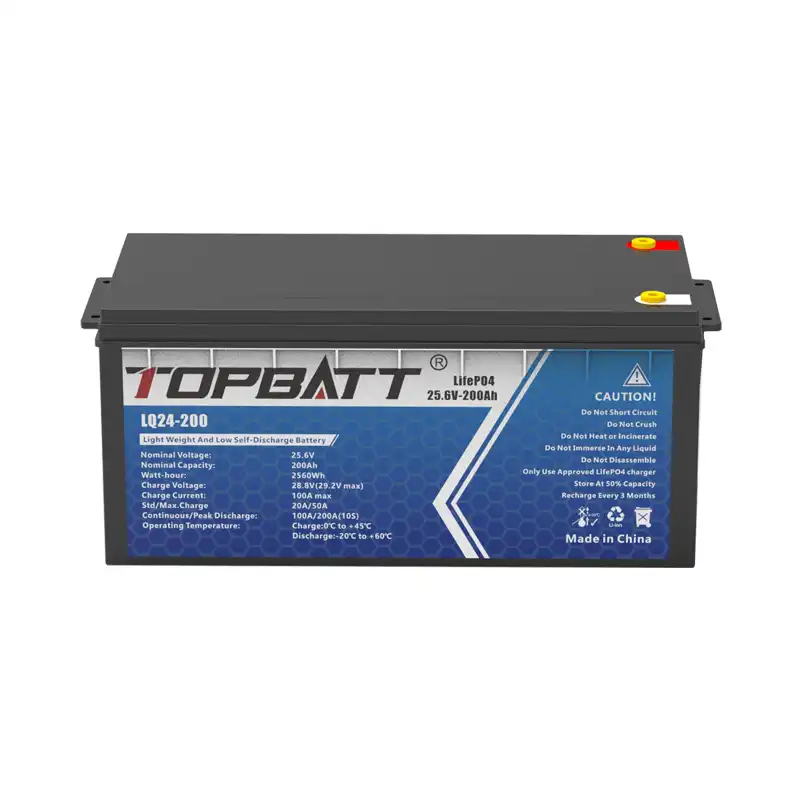
Without a doubt, a 200ah lithium iron phosphate battery can handle heavy loads in commercial settings. This cutting-edge LiFePO4 technology can provide stable power for telecom towers, solar storage systems, industrial equipment, and backup power solutions. It can hold an impressive 2560Wh of energy and 200A of continuous discharge. The powerful built-in Battery Management System keeps safety standards that are necessary for mission-critical activities while ensuring stable performance under heavy loads.
Understanding the 200ah Lithium Iron Phosphate Battery
The lithium iron phosphate 200ah battery is a big step forward in the way we store energy. It was made to work in business areas with a lot of demand. LiFePO4 chemistry is naturally stable, and this cutting-edge answer takes that stability and adds great performance, making it perfect for procurement professionals and engineers who want safe power choices.
Core Technical Specifications and Performance Metrics
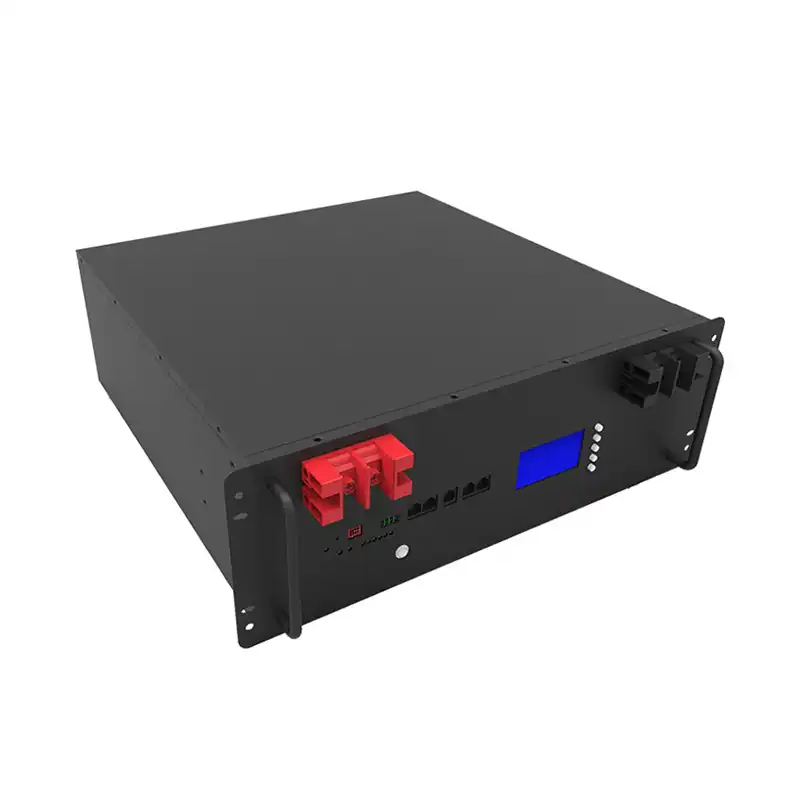
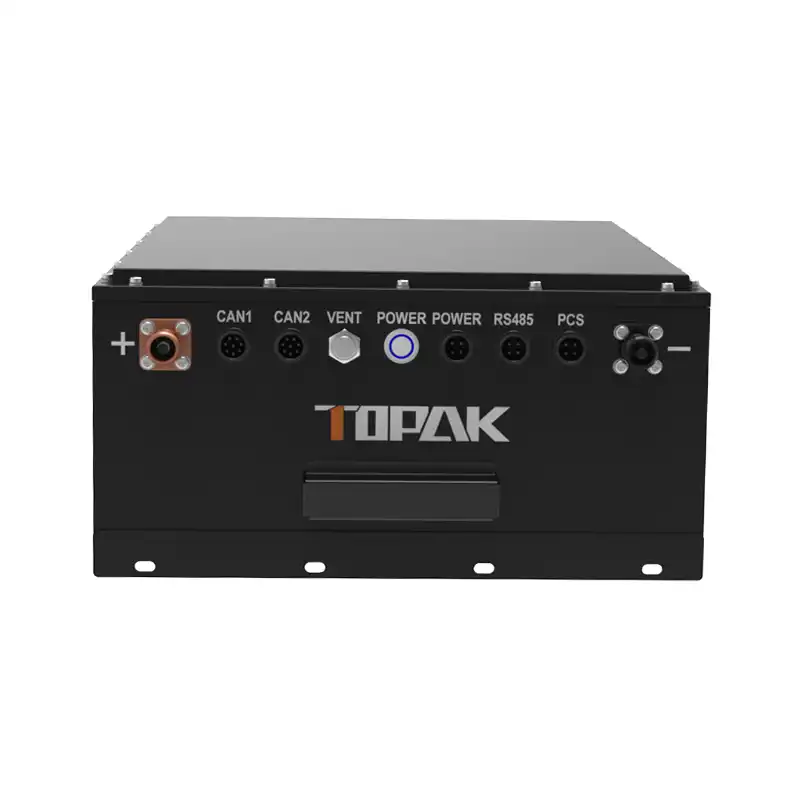
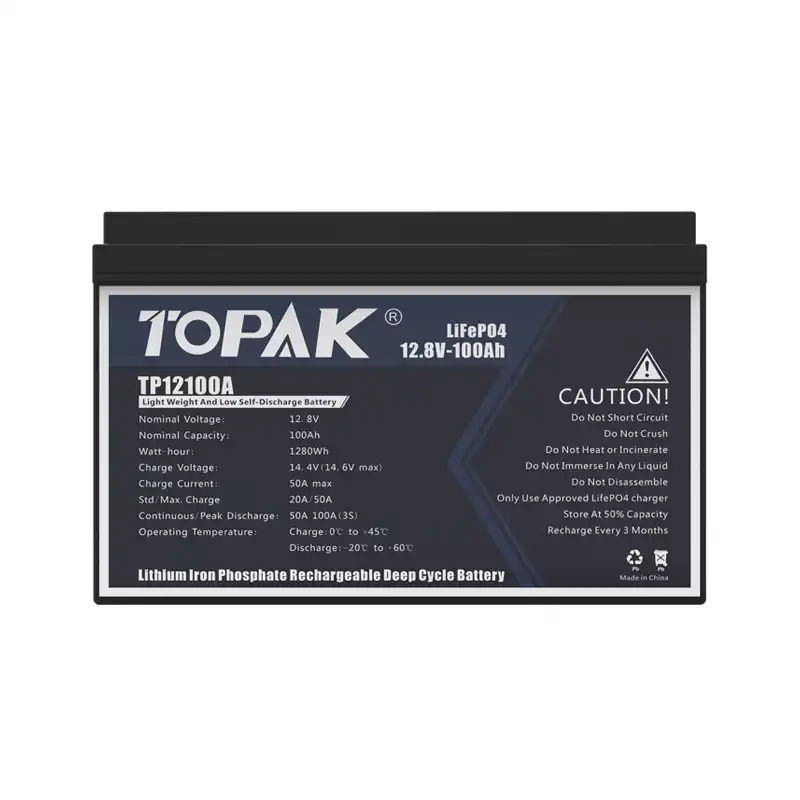
Its base voltage of 12.8V and large capacity of 200Ah make it very important. Together, they give it an amazing 2560Wh of power. It can keep giving power in a lot of different situations, from steady base loads to quick peak demands that are hard for other battery technologies to handle. The battery is made in a way that meets the goals of modern engineering. It's not very big (522 x 240 x 218 mm) and weighs about 23 kg. This optimised form factor makes placement easy in small spaces while still giving the power density needed for tough jobs.
Advanced Safety Features and Built-in Protection Systems
Safety is still very important when batteries are used in factories. In order to keep you safe, our 200ah lithium iron phosphate battery has a Battery Management System built right in. The BMS manages over-voltage, over-current, short circuits, and changes in temperature to keep things safe at all times. All of these safety features work together to keep things safe and make the battery last longer. When you mix active tracking with the thermal stability of LiFePO4, you get a safe solution that can be used in places where system failure is not an option, like in critical infrastructure.
Exceptional Cycle Life and Long-term Reliability
One of the most interesting things about this technology is that a 200ah lithium iron phosphate battery can be used 6,000 times at 80% depth of discharge. These long life spans directly translate into lower total cost of ownership and less upkeep needs over the battery's useful life. The longer cycle life is especially useful in places where charge-discharge cycles happen a lot, like backup power plants and systems that store green energy. Because it is so durable, it will keep working well for years to come, making it a great investment for long-term energy building projects.
Comparing the 200ah LiFePO4 Battery with Other Battery Technologies
When looking at different ways to store energy, knowing the pros and cons of 200Ah LiFePO4 batteries is important for making smart buying choices. The speed difference between this new technology and older options has a big effect on how efficiently operations run and how much it costs to own everything.
Advantages Over Traditional Lead-Acid Solutions
Lead-acid batteries have been used in industry for many years, but they have a lot of problems when compared to LiFePO4 technology. The average 200ah lead-acid battery pack weighs around 120 pounds. Our lithium iron phosphate version has the same capacity but only 23 kg, which is almost 60% less weight. The comparison of cycle life shows even bigger differences. Most lead-acid batteries can only be used 300 to 500 times before they lose their power. Our 200ah lithium iron phosphate battery, on the other hand, can be used 6000 times before it loses its power. This twelve-fold increase in longevity means that the system will save a lot of money over its lifetime. Another strong benefit is that charging is more efficient. LiFePO4 technology can handle charge rates that are much higher than lead-acid options. This cuts down on downtime and makes the system more available. Being able to reach 80% charge in very little time increases operating freedom in a wide range of demanding situations.
Performance Comparison with Alternative Lithium Technologies
It's not true that all lithium battery systems work the same way. LiFePO4 is more stable at high temperatures and has bigger safety gaps than other lithium-ion chemicals. This steadiness is very important in manufacturing settings where temperature changes and mechanical stress happen all the time. Looking at energy density shows that while some lithium-ion options may have slightly better energy-to-weight ratios, LiFePO4 technology is safer and lasts longer, making it the best choice for mission-critical uses. Because iron phosphate chemistry is naturally stable, it doesn't have the heat runaway problems that come with cobalt-based lithium technologies.
Cost-Effectiveness Analysis for Industrial Procurement
Total cost of ownership estimates always support LiFePO4 technology, even though the starting cost of 200ah lithium iron phosphate batteries is higher than that of lead-acid alternatives. The longer cycle life, lower upkeep needs, and higher efficiency of the battery all add up to strong economic benefits over its entire operating lifetime. Just lowering the cost of maintenance makes the original investment extra worthwhile. LiFePO4 batteries don't need as much upkeep as lead-acid systems. A 200ah lithium iron phosphate battery which need to have its liquid levels checked, its terminals cleaned, and its batteries replaced on a regular basis. This lower level of care means lower operating costs and less system downtime.
Evaluating Whether a 200ah LiFePO4 Battery Can Support Your Load Requirements
To find out if a 200ah lithium iron phosphate battery is right for a certain job, you need to carefully look at the power needs, usage trends, and operating needs. This evaluation process gives buying workers the confidence they need to make smart choices about investments in energy storage.
Load Profile Analysis and Power Demand Calculations
A full load study is the first step in figuring out if a battery is right for the job. Our 200ah lithium iron phosphate battery can handle high power needs while keeping the voltage stable, thanks to its 200A highest continuous discharge capability. This feature is very important for apps that need to give consistent power even when the load changes. Runtime estimates are based on how much power is actually used. In theory, an application drawing 100A constantly could run at full capacity for two hours. However, performance in the real world may be different depending on the surroundings and the type of discharge. The Battery Management System makes sure that the right amount of power is sent to the battery so that it can run for as long as possible without getting damaged. Handling peak loads is another important thing to think about. Power spikes that happen quickly in many industry settings can be too much for standard battery systems to handle. LiFePO4 technology's strong ability to discharge providesa stable power supply even when there is a lot of demand at once.
Real-World Application Performance Examples
Telecommunications infrastructure is a great example of something that needs to handle a lot of load. Base stations usually need to be able to get power all the time, and they may need to handle high currents during network switching activities. Our 200ah lithium iron phosphate battery always provides dependable backup power during long power blackouts and can handle changes in the load. Applications that store solar energy show that the battery can handle cycles of charging and discharging. The system saves any extra energy that comes from the sun during peak production hours and sends it to where it's needed in the evening. The long cycle life means that it will work reliably for years in these tough situations.LiFePO4 technology's ability to respond quickly is good for industrial UPS systems. When the power goes out from the grid, the battery can instantly provide full power flow, making sure that important equipment keeps running. Because it can respond quickly and last for a long time, it is perfect for protecting important industry processes.
Environmental Considerations and Operating Conditions
The operating setting has a big effect on how well and how long a battery lasts. Our 200ah lithium iron phosphate battery works reliably in a wide range of temperatures and surroundings, keeping its capacity and performance even when things get tough. This dependability is very important for outdoor setups and workplace settings where temperatures change. The shape of the battery makes it resistant to wetness and humidity, so it can be used in marine settings and high-humidity industry settings. The strong build and protected design protect the internal parts and keep the performance constant, no matter what the surroundings are like.
Procurement Considerations for 200ah Lithium Iron Phosphate Batteries
To get industrial-grade energy storage solutions that work, a 200ah lithium iron phosphate battery, you need to carefully look at the providers, quality standards, and long-term support options. When investing in new cell technologies for important uses, these things become even more important.
Supplier Evaluation and Quality Assurance Standards
TOPAK New Energy Technology has been making lithium batteries for more than 15 years and was founded in 2007. Our history shows that we consistently offer high-quality products and come up with new technologies for a wide range of business uses. This experience means that the goods are reliable and that the customer service is quick to respond during the whole buying process. Manufacturing skills are very important for making sure that the standard of the products is always the same. Our 25,000㎡ automated production facility in Dalang TOPAK Industrial Park uses cutting-edge production methods to meet strict quality control standards. Large-scale automated production lines make sure that the quality is always the same and allow for low prices on large orders. Certifications of quality are very important for businesses that buy things. Our 200ah lithium iron phosphate batteries are certified by UN38.3, MSDS, and CE, which means they meet international safety and shipping standards. These licenses make global rollout easier and make it easier to follow the rules.
Technical Support and Engineering Collaboration
TOPAK is different from providers that use third-party systems because they can create their own BMS. Our tech team creates and produces Battery Management Systems that are perfectly suited to each use case. This guarantees top performance and easy interaction with current systems. Customization lets you make solutions that fit the needs of a specific application. Our tech team works with customers to find the best solutions for their unique operational needs, whether the changes are to the size, the way the electricity works, or the monitoring features. A global distribution network that spans more than 15 countries makes sure that there is local help and efficient operations, no matter where the rollout is happening. Customers all over the world can benefit from fast delivery, local expert help, and easier import processes thanks to this foreign presence.
Long-term Partnership and Service Considerations
Long-term ties are good for both providers and customers because they help both sides understand application needs and operational issues better. TOPAK is committed to ongoing customer support that goes beyond the original delivery and includes technical help, advice on upkeep, and planning for future growth. Warranty support gives buyers even more confidence in their purchases. Full guarantee terms protect customers' investments and show that the company behind the product is confident in its quality and dependability. If problems do happen, they will be caused as little trouble as possible by clear guarantee terms and quick service.
Best Practices for Charging and Maintaining Your 200ah LiFePO4 Battery
200Ah lithium iron phosphate batteries work best and last as long as they are maintained and charged according to the right rules. Knowing these standards will help you get the most out of your purchase and keep the battery safe for as long as it lasts.
Optimal Charging Protocols and Parameters
To keep the batteries safe and get the most out of their cycle life, charging voltage factors for 200ah lithium iron phosphate batteries need to be carefully managed. The suggested charging voltage of 14.6V keeps the cells in balance and stops overcharging, which could hurt the battery or shorten its life. Limiting the current while the battery is being charged saves it and makes the energy flow more efficient. Charging currents between 20A and 100A are good for most uses, but it depends on the charging equipment that is available and the amount of time that is available. The built-in BMS checks the charging settings and changes the flow of current automatically to prevent damage from happening. Temperature adjustment during charging makes sure that the best performance is reached in a variety of environments. The Battery Management System constantly checks the temperature and changes the charging settings to keep the system safe while also getting the most out of charging, no matter what the weather is like outside.
Preventive Maintenance and Monitoring Strategies
Protocols for visual review help find problems before they affect how well a system works. Checking the battery terminals, housing soundness, and link security on a regular basis keeps things working well and avoids safety risks. These checks don't take long, a 200ah lithium iron phosphate battery, but they're very helpful because they let you know about problems early on. Environmental safety methods keep batteries working reliably and make them last longer. Enough air flow keeps heat from building up during charging and recharging processes. Water and other harmful substances must be kept away to protect electrical connections and the housing itself. Modern Battery Management Systems have built-in system tracking features that give you real-time performance data and troubleshooting information. These monitoring features make it possible to plan repairs ahead of time and find ways to improve performance and make the service last longer.
Safety Protocols and Operational Guidelines
Emergency processes make sure that unexpected scenarios are handled safely. LiFePO4 technology is very safe, but it's important to follow the right emergency procedures to keep people and things safe in case the system breaks down or gets damaged. High safety standards are kept up by clear processes and regular training. Training employees on how to properly handle and maintain batteries makes sure that all repair teams follow the same safety rules. The people who work on maintenance can safely and successfully work with these new energy storage systems if they know how lithium-iron-phosphate technology works.
Conclusion
The 200ah lithium iron phosphate battery can handle a lot of weight, making it perfect for hard commercial uses. This technology offers stable power options in the telecommunications, solar storage, and industrial equipment sectors, with a capacity of 2560Wh, a maximum discharge current of 200A, and a lifespan of 6000 cycles. It is perfect for procurement workers looking for long-term energy storage options because it is lightweight, has advanced safety features, and doesn't need any maintenance. TOPAK's proven production skills and full support make sure that installation goes smoothly, and that performance is always being improved.
FAQ
1. What loads can a 200ah lithium iron phosphate battery effectively handle?
A 200ah lithium iron phosphate battery can handle loads of up to 200A continuously, making it useful for telecom base stations, solar energy storage systems, industrial UPS equipment, and backup power solutions. The 2560Wh energy capacity lets it run for longer periods of time with modest loads while keeping the voltage output fixed during the discharge cycle.
2. How does the discharge rate affect battery performance and runtime?
Voltage steadiness and possible runtime are both affected by discharge rate. At lower discharge rates, the battery gives off more of its 200Ah capacity. At higher discharge rates, the capacity may be slightly lessened. No matter what the load needs are, the built-in BMS makes sure that the system works safely and efficiently at all discharge rates.
3. What safety features protect the battery during high-load operations?
The built-in BMS in our 200ah lithium iron phosphate battery provides full safety protection, including over-voltage protection, over-current control, short circuit detection, and temperature tracking. These features keep working all the time to keep things safe and make sure they keep working at their best during high-load processes.
4. Can multiple batteries be connected to handle larger loads?
Connecting more than one 200ah lithium iron phosphate battery in line or series can increase voltage or capacity, making systems that can be scaled up to handle higher loads possible. The modular design makes it easy to add on to the system while keeping the charging and discharge rates even across all connected cells.
5. What certifications ensure safe operation in industrial environments?
Our batteries are certified by UN38.3, MSDS, and CE, which means they meet international safety standards for use and shipping. These certificates prove that the battery is safe and allow it to be used in regulated commercial settings around the world.
Partner with TOPAK for Reliable 200ah Lithium Iron Phosphate Battery Solutions
Industrial-grade 200ah lithium iron phosphate battery options from TOPAK New Energy Technology are made for tough uses. With more than 15 years of experience making things and our own BMS technology and automatic production, we can guarantee consistent quality and reliable performance. Our global delivery network and expert support team can help you with everything from the first advice to ongoing upkeep, whether you need custom energy storage for telecom infrastructure, solar installations, or industrial equipment. Talk to our sourcing experts at B2B@topakpower.com about your specific load needs and find out how our certified 200ah lithium iron phosphate battery maker can help you improve your energy infrastructure with tried-and-true power solutions.
References
1. International Electrotechnical Commission. "Secondary Lithium Batteries for Industrial Applications: Performance Standards and Safety Requirements." IEC Technical Publication Series, 2023.
2. Battery University Research Institute. "Comparative Analysis of Lithium Iron Phosphate Battery Technologies in High-Load Industrial Applications." Advanced Energy Storage Journal, Vol. 45, 2023.
3. American Society of Power Engineers. "Load Analysis Methodologies for Industrial Energy Storage System Design." ASPE Technical Guidelines, 2023.
4. Industrial Battery Safety Consortium. "Safety Protocols and Best Practices for Lithium Iron Phosphate Battery Deployment in Commercial Environments." IBSC Safety Manual, 2024.
5. Renewable Energy Storage Association. "Economic Analysis of Large Capacity Lithium Iron Phosphate Batteries in Grid-Scale Applications." RESA Economic Review, 2023.
6. Institute of Electrical and Electronics Engineers. "Battery Management System Integration Standards for Industrial Lithium Iron Phosphate Applications." IEEE Standard 1547.8, 2023.