Why Invest in a Base Station Battery for Your Site?
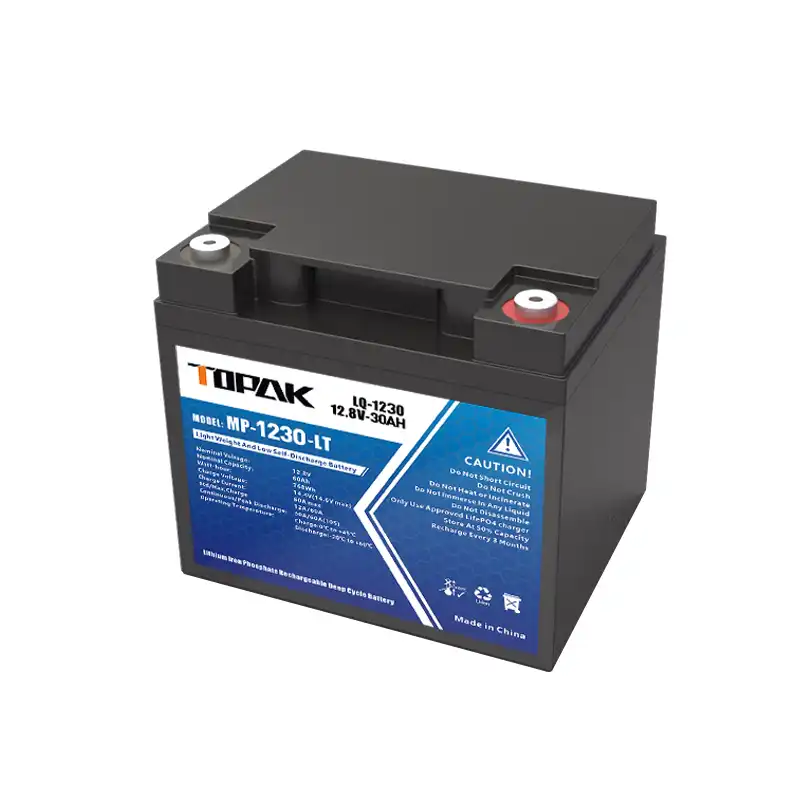
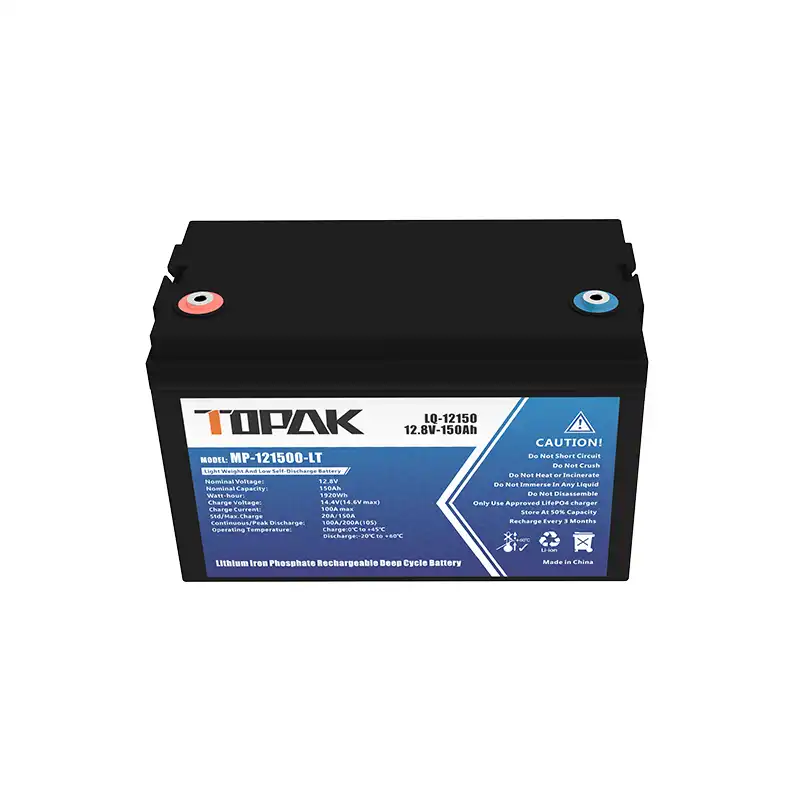
Buying a reliable Base Station Battery is one of the smartest things that utility and telecoms companies can do for their systems. These important power backup systems keep operations running even when the power goes out, protect valuable equipment from power fluctuations, and make sure that service delivery doesn't stop. This directly affects income and customer happiness. In addition to providing instant safety, current lithium-based backup power solutions offer a great return on investment through lower maintenance needs, longer operating lifecycles, and better energy efficiency, which lowers the total cost of ownership over time.
Understanding Base Station Batteries: Types and Functions
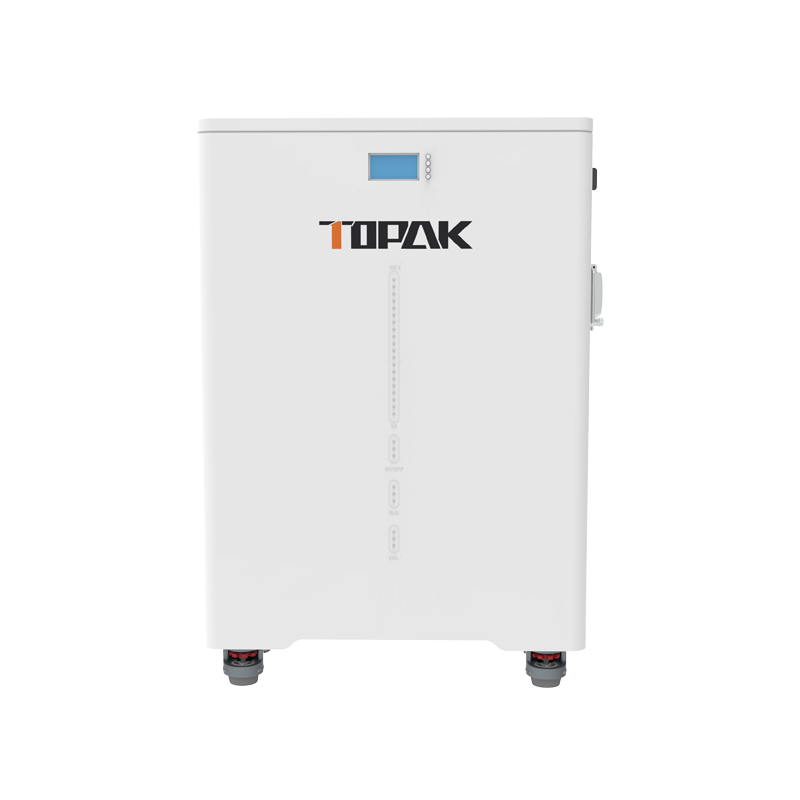
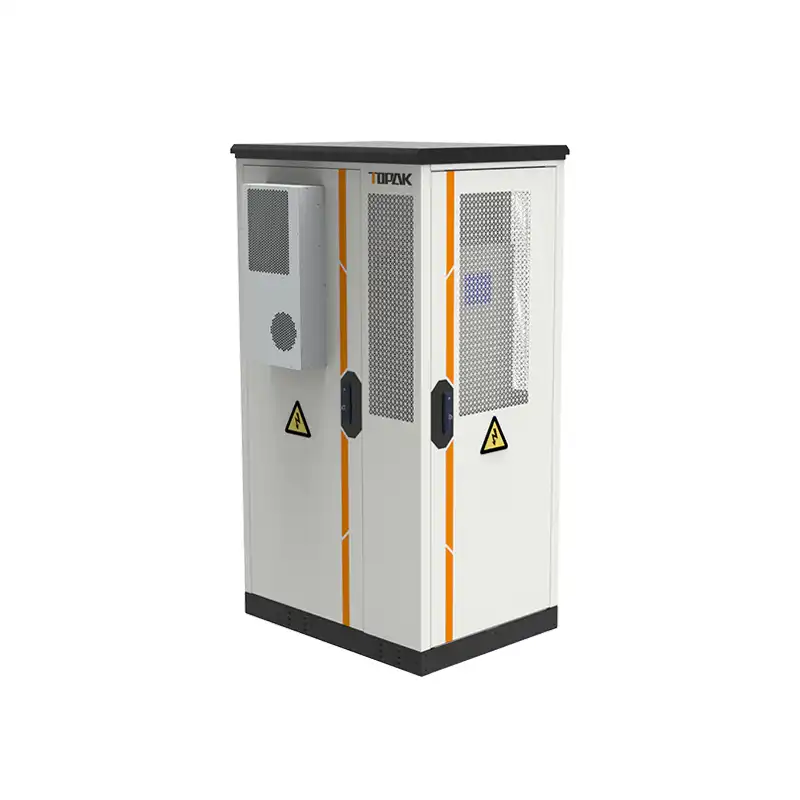
Base station batteries are an important part of solid industrial and telecommunications systems because they provide backup power in case the main power source goes out. These high-tech energy storage systems work with current power management systems without any problems. They turn on automatically during power outages to keep important operations running smoothly.
Power Integration and System Architecture
Modern backup power systems are directly connected to the power distribution screens on-site. They do this by using smart switching devices that can find grid breakdowns in milliseconds. When the main power goes out, these systems kick in right away to make sure that sensitive communications equipment always has clean, stable electricity. This keeps the important communications infrastructure running at all times. During the integration process, current electrical systems and new battery setups must work carefully together. This requires accurate load calculations and tests to make sure they are compatible. When installed by a professional, backup systems are guaranteed to be able to handle peak power needs while keeping the voltage stable across all related devices.
Comparing Battery Technologies: Lead Acid vs. Lithium Solutions
In the past, lead-acid batteries were the most popular backup power option because they were cheaper at first. However, new LiFePO4 technology has better performance qualities that make up for the higher original cost by saving a lot of money over time. Lead-acid systems usually last between 500 and 1000 charge cycles before their capacity starts to decline. This means that they need to be replaced more often, which raises the long-term costs of operation. These older technologies also need regular upkeep, like checking the battery level and cleaning the terminals. This means that you have to pay people to do these tasks, which adds to the total cost of ownership . Advanced lithium iron phosphate batteries, like TOPAK's TP-4840T type, can be charged and discharged over 3000 times at 80% depth of discharge. This means they last almost six times as long as similar lead-acid batteries. This longer cycle life means that fewer parts need to be replaced, less maintenance is needed, and the total cost of ownership is much cheaper over the system's working lifetime.
Capacity Planning and Technical Specifications
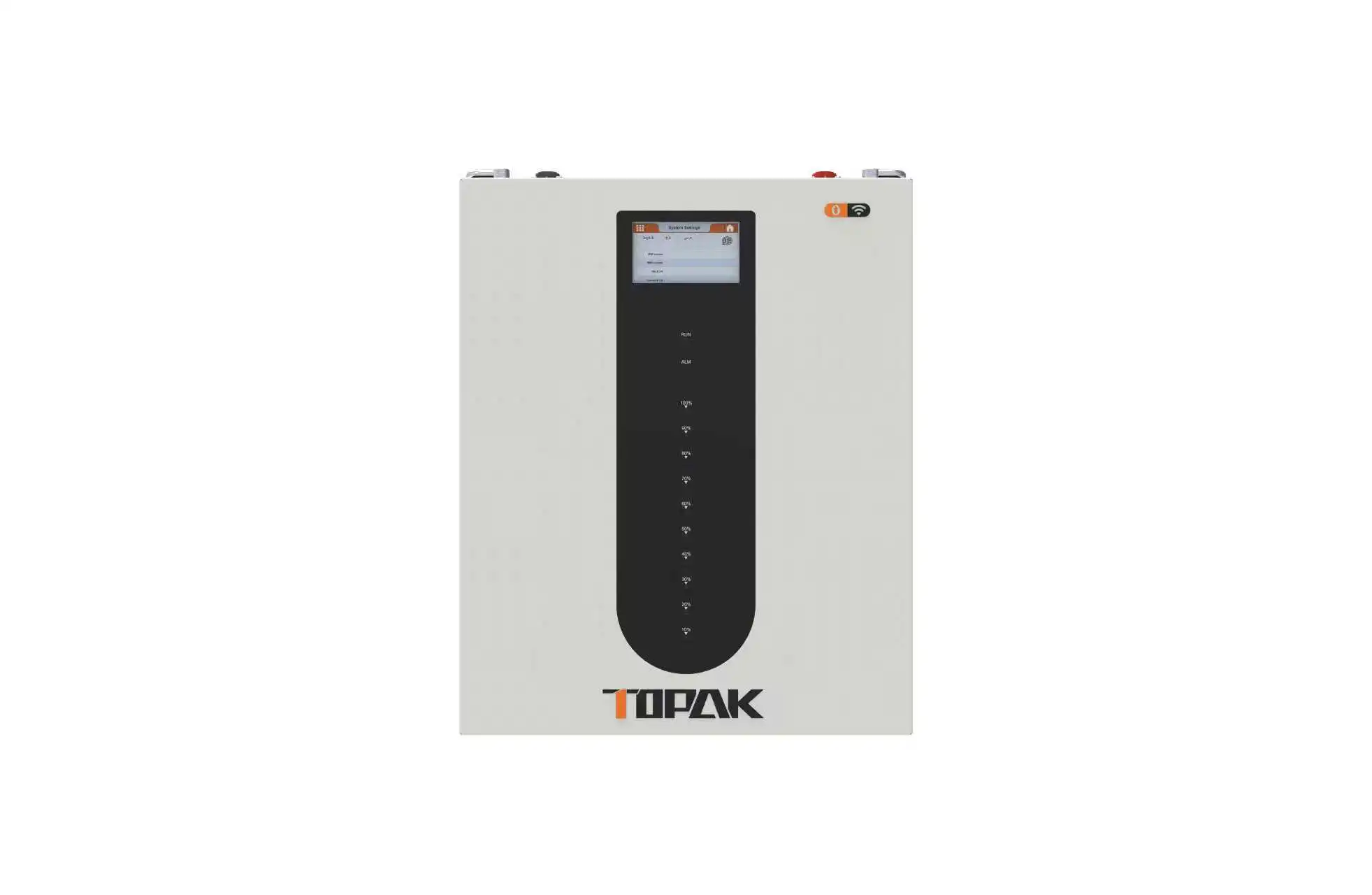
To do proper capacity planning, you need to look at how much power the site uses, figure out what equipment is most important and needs to be powered all the time, and figure out how long the backup power needs to run based on past loss data and practical needs. In a small 48V package, the TOPAK TP-4840T stores 1920Wh of energy, a Base Station Battery, which is enough backup power for most normal telecommunications setups. The voltage requirements must match the current electrical systems on the spot to make sure they work well together and give the best performance. The nominal voltage of 48V works with most telecommunications equipment, and the highest constant discharge current of 40A can handle high power needs during long power blackouts.
Common Challenges and Maintenance of Base Station Batteries
There are many practical problems that telecommunications companies have to deal with that can affect the dependability of backup power. This can cause expensive service interruptions and damage to equipment. Knowing about these common problems lets managers use strategic methods to keep systems running at their best and extend their useful lives.
Thermal Management and Environmental Factors
Changes in temperature are one of the biggest threats to the performance and life of batteries. Too much heat speeds up chemical breakdown in battery cells, which lowers their capacity and shortens their useful lives. On the other hand, extreme cold can temporarily lower the power output during emergency backup situations. Proper thermal management includes putting batteries in climate-controlled areas when possible, making sure there are enough air systems in place, and keeping an eye on the temperature as the seasons change. Advanced Battery Management Systems (BMS), like the ones built into TOPAK systems, keep an eye on the temperature in real time and have built-in safety features that stop damage from happening due to heat . The TP-4840T model has complex thermal safety systems that keep it working at its best in a wide range of weather conditions and prevent breakdowns caused by temperature. This improved security makes sure that the battery works reliably in tough conditions where other battery technologies might not work.
Capacity Degradation and Performance Monitoring
Regular testing of capacity shows that performance gradually decreases over the course of a working lifecycle. This lets repair plans be planned ahead of time, which stops problems from happening at crucial backup times. Controlled discharge cycles are used in professional testing methods to compare the real capacity to the rated specifications. Setting up systematic tracking processes helps find trends of falling performance before they hurt the reliability of backup power. Modern BMS technology keeps an eye on capacity all the time and sends out automatic alerts when performance drops below accepted levels. This lets replacements be planned ahead of time, which keeps service from being interrupted.
Safety Protocols and Compliance Standards
Following the right safety steps will protect both people and tools, as well as make sure that local electrical rules and insurance requirements are met. Visual checks for physical damage, assessments of connection health, and confirmations that the protective system works should all be part of regular exams.TOPAK batteries have built-in BMS protection that offers many safety features, such as over-voltage protection, over-current prevention, short circuit detection, and temperature management that happens automatically. These all-around safety features go above and beyond what the industry requires, and they also make it easier to follow the rules in different markets.
Evaluating and Selecting the Best Base Station Battery for Your Operations
When looking for the best backup power options, Base Station Battery, you need to carefully consider technical specs, operational needs, and long-term costs that fit the needs of your place and your budget. As a professional, you have to look at a lot of things that affect both the success right now and the value over time.
Technical Performance Criteria
Some important performance measures are energy density, charging rates, expected cycle life, and environmental working ranges that show if the battery is right for a certain job. The TOPAK TP-4840T has a very high energy density, holding 1920Wh of power in a very small space (442x400x177mm). This means that it can store more power while taking up less room when it's installed. How quickly saved energy can be used when demand is high is determined by the discharge rate capabilities. The TP-4840T can handle large power loads without voltage drops that could harm critical comms equipment. It can handle up to 40A of continuous discharge. Cycle life standards have a direct effect on long-term value propositions, since batteries that last longer don't need to be replaced as often and cost less to maintain. LiFePO4 technology lasts a lot longer than other options because it can handle 3000 cycles or more.
Cost-Benefit Analysis and ROI Calculations
Total cost of ownership research shows how much different battery technologies are really worth over the course of their useful lives. The cost of starting up lithium solutions is higher, but they usually pay for themselves within three to five years thanks to their longer cycle lives and lower upkeep needs. operating saves include fewer replacements needed, less upkeep needed, and a better energy economy that lowers ongoing operating costs. Because LiFePO4 batteries don't need to be maintained, they don't need to be serviced regularly, which adds a lot of work and costs a lot of money.
Certification and Compliance Requirements
International certificates make sure that products meet quality and safety standards and make it easier for them to be sold in different parts of the world. TOPAK batteries have certifications from UN38.3, MSDS, and CE that show they follow global safety and transportation rules. This makes buying them easier for foreign tasks. These certificates give customers trust in the quality of the product and make sure it meets the needs of insurance companies and local government regulations. Getting the right license also speeds up the customs clearance process for foreign shipments, which cuts down on project delays and the costs that come with them.
Smart Procurement: Where and How to Buy Base Station Batteries
Strategic procurement means finding qualified providers with a history of doing good work, fair prices, and a wide range of support services that will make sure the project goes smoothly and the business runs smoothly for a long time.
Supplier Evaluation and Due Diligence
Suppliers who are qualified show they know how to make things by having well-established production methods, quality control systems, and professional support resources that make sure products are always delivered on time and work well. TOPAK New Energy Technology was established in 2007 and has a 25,000-square-foot㎡ factory in Shenzhen that runs large-scale automatic production lines. This makes sure that global markets have a stable supply chain. How big and how automated a factory is has a direct effect on how consistent the products are, how reliable the deliveries are, Base Station Battery, and how low the prices are. Automated production systems cut down on mistakes made by people while still keeping high-quality standards that make sure every battery meets the requirements. With in-house engineering skills, you can get technical help and customization choices that fit the needs of your unique application. TOPAK's own BMS development gives them full control over safety features and speed improvement, which makes their solutions more reliable and compatible than generic ones.
Global Distribution and Support Networks
Established distribution networks in more than 15 countries offer local support that speeds up delivery, provides technical help, and provides service after the sale. Regional relationships allow for personalized solutions that meet the needs of the local market while keeping quality standards the same. Reliable transportation skills make sure that important building projects are delivered on time, since delays can cause major problems with operations. Established supply lines with a variety of shipping choices give customers the freedom to choose between pressing replacement needs and planned maintenance plans.
Bulk Ordering and Partnership Benefits
Volume buying deals save money and make sure that items are sent first during times of high demand. Long-term partnerships often come with extra benefits like lower prices, longer warranties, and faster technical help that go beyond the original cost savings . Suppliers who are qualified give flexible payment terms, full guarantee coverage, and helpful customer service that meets ongoing business needs. As sites get bigger and more complicated to run, these partnership perks become even more valuable.
Future Trends and Innovations in Base Station Battery Technology
The market for backup power for telecommunications keeps growing with new technologies that offer better performance, longer life, and lower costs by letting you monitor and handle things more intelligently.
Advanced Battery Management Systems
In the next version of BMS technology, artificial intelligence and machine learning algorithms are used to improve charging patterns, predict when repairs will be needed, and extend the operating lifecycles of batteries. These smart systems instantly improve performance by learning from how they are used. Remote tracking lets you plan proactive maintenance and improve system performance in real time, which cuts down on site visits while still ensuring the best system performance. Cloud-based tracking systems offer detailed analytics that help fleet managers make decisions based on data.
Integration with Renewable Energy Sources
Using solar power along with battery storage to make hybrid power systems creates long-lasting solutions that lower costs and are better for the environment. During long periods of power outages, Base Station Batteries, these combined systems can work without diesel engines, making them less reliant on them. Smart energy management systems make the best use of power distribution between grid links, battery storage, and green energy sources to keep backup power ready and energy costs low. Modern controls can switch between power sources automatically based on what's available and how much it costs.
Enhanced Energy Density and Performance
New developments in materials science keep making energy densities higher while lowering the size and weight of new systems. Future battery technologies offer even longer cycle lives and better performance, which will make the products even more valuable. Scalable solutions that can grow with changing power needs while still working with current systems are made possible by modular design ideas. These adaptable designs let you add new features in the future without having to update the whole system.
Conclusion
Investing strategically in modern backup power solutions pays off in a way that can be measured: higher uptime, lower maintenance costs, and better operating efficiency all have a direct effect on the bottom line. LiFePO4 technology has a longer life span and better value than older options. It also has many safety features that keep important communications equipment safe. Base Station Battery TOPAK's reliable supply chain help for important building projects comes from its years of experience making things and distributing them around the world. Modern battery backup power systems are must-buys for telecoms companies that want to run their businesses well for a long time because they have cutting-edge technology, low prices, and full support.
FAQ
1. What is the typical lifespan of a base station battery?
Modern LiFePO4 batteries, like the TOPAK TP-4840T, can be charged and discharged over 3000 times at 80% depth of discharge. This means that with average use, they will last for 10 to 15 years. This is a big gain over regular lead-acid batteries, which need to be replaced every three to five years.
2. How do I ensure safe installation and operation?
Professional installation by trained professionals makes sure that the electrical connections are made correctly and that the project meets all area safety standards. TOPAK batteries have a built-in BMS that protects against over-voltage, over-current, short circuits, and changes in temperature. This protects both devices and people automatically.
3. What maintenance is required for lithium-based station batteries?
Compared to other technologies, LiFePO4 batteries don't need as much upkeep. The main maintenance tasks are visual checks and tests of capacity on a regular basis. The advanced BMS takes care of most operating management automatically.
4. How do I calculate the right battery capacity for my site?
When planning for capacity, you have to look at how much power important equipment uses, how long you want the backup to run, and how much room there is in case the load rises unexpectedly. Professional site surveys can figure out the best capacity needs based on how things actually work and the rules that need to be followed.
Partner with TOPAK for Reliable Base Station Battery Solutions
TOPAK New Energy Technology is ready to help you with your backup power needs with tried-and-true LiFePO4 technology and full engineering support. Our TP-4840T Base Station Battery works very well and has a long life (3000+ cycles), built-in BMS safety, and a small design that works best for telecommunications uses. As an experienced Base Station Battery maker that can ship products all over the world, we offer low prices, on-time delivery, Base Station Battery, and ongoing technical help to make sure that your project is a success. Email our procurement experts at B2B@topakpower.com to talk about unique solutions that will meet your needs and help you reach your business goals.
References
1. International Telecommunication Union. "Telecommunications Infrastructure Reliability Standards and Best Practices." ITU Technical Report Series, 2023.
2. Institute of Electrical and Electronics Engineers. "Battery Backup Systems for Critical Communications Infrastructure: Design and Implementation Guidelines." IEEE Standards Publication 2024.
3. Battery Industry Research Association. "Comparative Analysis of Lead-Acid vs. Lithium Iron Phosphate Technologies in Telecommunications Applications." Annual Technical Review, 2023.
4. Global Telecommunications Infrastructure Council. "Total Cost of Ownership Analysis for Backup Power Systems in Telecommunications Networks." Industry White Paper, 2024.
5. Energy Storage Technology Assessment Board. "LiFePO4 Battery Performance Characteristics and Lifecycle Analysis in Critical Infrastructure Applications." Technical Documentation Series, 2023.
6. American National Standards Institute. "Safety Requirements and Testing Protocols for Backup Power Systems in Telecommunications Facilities." ANSI Standard Publication, 2024.