Can a 200ah lithium iron phosphate battery Replace Your SLA Battery?
The short answer is yes—a 200 Ah lithium iron phosphate battery can effectively replace your Sealed Lead Acid (SLA) battery in most applications, delivering superior performance, extended lifespan, and enhanced safety features. This high-capacity LiFePO4 solution offers 6000+ cycles compared to the 300–500 cycles typical of SLA technology, making it a smarter long-term investment for industrial equipment, solar storage, telecom backup systems, and electric mobility platforms. The transition from legacy lead-acid chemistry to modern lithium iron phosphate represents not just a component swap but a strategic upgrade that reduces maintenance expenses while improving operational reliability.
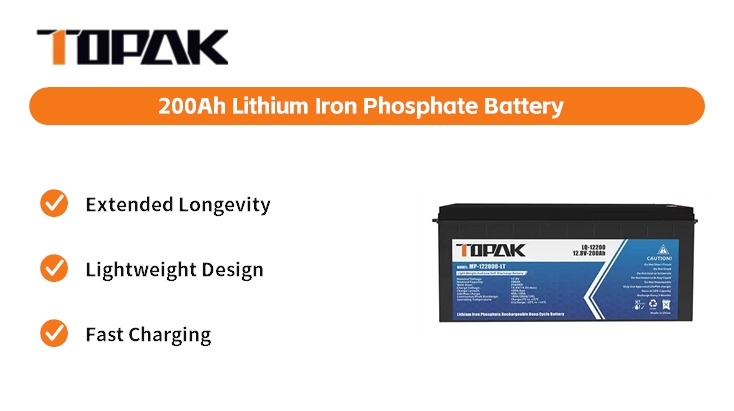

Understanding the Fundamental Differences Between 200Ah LiFePO4 and SLA Batteries
Chemistry and Energy Storage Principles
LiFePO₄ and Sealed Lead Acid (SLA) batteries have different performance rates because of the way their chemistry works. SLA batteries use lead plates that are buried in a solution of sulfuric acid. The plates break down over time, creating energy through chemical processes. On the other hand, 200Ah lithium iron phosphate battery cells use lithium ions that move through a medium between the cathode and the anode. This creates a reaction that can be undone and keeps the structure strong over thousands of rounds. Because of this innate difference, our TOPAK 12.8V 200Ah model still has 80% of its original capacity after 6000 cycles, while similar SLA units usually stop working before they hit 500 full discharge cycles.
Voltage Compatibility and System Integration
The baseline voltage of a standard lead-acid battery is 12V, but it drops considerably when the battery is being used or when it is being discharged. A 200Ah lithium iron phosphate battery works at 12.8V standard, which is very close to the 12V infrastructure that is already in place. The voltage output stays stable until the battery is almost empty. This steady voltage stops the performance loss that happens in SLA systems when lights dim, and motors slow down as batteries run out. From trucks to UPS systems, equipment that was originally made for 12V SLA batteries works perfectly with LiFePO4 replacements and usually doesn't need any changes to the controls.
Cycle Life and Calendar Longevity Comparison
The major difference between these systems is their life span. At 50% depth of discharge, most traditional SLA batteries can be used 300 to 500 times. Deeper discharges speed up the breakdown process. The TOPAK 200Ah LiFePO4 battery can be charged and discharged 6000 times at 80% DOD, which is more than twelve times its useful life in the same settings. Beyond the number of cycles, calendar life is unique. SLA units lose capacity through sulfation and grid rust even when they're not being used, but lithium iron phosphate chemistry stays stable during storage with self-discharge rates below 3% per month.
Maintenance Requirements and Operational Differences
To keep SLA batteries working, they need to be maintained regularly. This includes checking the electrolyte level, cleaning the terminals, and charging them to the same level to stop sulfation. Not doing these things speeds up failure and voids contracts. Lithium iron phosphate batteries don't need any upkeep at all because they are sealed to keep the liquid inside and have built-in battery management systems (BMS) that balance the cells automatically. When installation facilities move to maintenance-free LiFePO4 technology, they save a lot of money on labor costs. This is especially helpful for telecom sites that are far away or have spread solar installations that are difficult to get to for service calls.
Performance & Safety Advantages of 200Ah Lithium Iron Phosphate Batteries
Charging Speed and Efficiency Gains
Charging time has a direct effect on the availability of tools and the efficiency of operations. It takes 8 to 12 hours to fully charge an SLA battery, and acceptance rates drop sharply above 80% capacity because the charging current has to drop to keep the battery from burning and gassing. A 200Ah lithium iron phosphate battery can be charged continuously at a high current. It takes about two hours to reach 80% capacity and three hours to fully charge. Because they can be charged quickly, AGV fleets can charge during short operating breaks instead of sitting idle all night. This significantly enhances the utilization of assets in production and transportation environments.Losses in efficiency during charge and discharge processes result in energy loss and heat generation. Around 80% of the energy that goes into a lead-acid battery is lost due to chemical waste and internal resistance. LiFePO₄ chemistry is more than 95% efficient, turning almost all of the energy that is put in into saved energy. This efficiency boost means that solar setups need fewer panels because systems can collect and store more energy from the same photovoltaic array when they use LiFePO4 storage instead of standard lead-acid banks.
Thermal Stability and Safety Enhancements
When businesses buy things, safety is the most important thing, especially in occupied buildings and key equipment. During charging, SLA batteries can release hydrogen gas, so their casings need to be able to let air flow and their electrical parts also need to be safe from explosions. Thermal runaway can happen because of overcharging or problems inside the battery. This can cause the electrolyte to boil and the case to possibly break. The TOPAK 12.8V 200Ah battery has full BMS safety against over-voltage, over-current, short circuits, and temperature extremes. The iron phosphate chemistry in the battery makes it thermally stable. This multilayer security design stops dangerous situations before they happen, meeting strict safety standards in the workplace without the need for special ventilation or containment.The built-in Battery Management System (BMS) keeps an eye on the voltage and temperature of each cell all the time and cuts off loads or charge sources when the parameters get too close to dangerous levels. Some of the safety features include over-voltage protection at 14.6V, under-voltage protection at 10V, short-circuit protection that responds in microseconds, and temperature management that stops operation outside of the -20°C to 60°C range. These automatic safety measures take away the need for building managers to keep an eye on things and offer levels of protection that aren't possible with passive SLA technology.
Environmental and Temperature Performance
Operating temperature ranges have a big effect on how well and how long a battery lasts. At freezing temperatures, lead-acid batteries lose more than half of their power, and their degradation speeds up above 25°C. The LiFePO4 chemistry keeps working well at higher temperatures, so it can give its rated capacity from -20°C to 60°C without any serious damage. This temperature range is crucial for telecom sites outside, off-grid solar systems in harsh areas, and factories that don't have climate control. Because LiFePO4 batteries are non-toxic and can be recycled, they are compatible with companies' efforts to be more environmentally friendly and with stricter rules that say lead-based goods can't be used in certain situations.
200Ah LiFePO4 Battery vs Other Battery Technologies: Choosing the Best Fit
Comparative Analysis Across Battery Chemistries
When procurement teams look at energy storage solutions, they come across more than just SLA vs. LiFePO4 differences. Absorbent Glass Mat (AGM) and gel batteries are better versions of lead-acid batteries. They are sealed and require less upkeep, but they still have a short cycle life of 600–800 cycles and are heavy. Other types of lithium, like NCM (nickel cobalt manganese) and NCA (nickel cobalt aluminum), have a higher energy density than iron phosphate, but they aren't as stable at high temperatures and don't have enough safety limits for commercial use.The TOPAK 200Ah lithium iron phosphate battery offers the right mix of performance features for both fixed and mobile industrial applications. It only weighs about 23 kg, but it has the same 2560Wh energy capacity as a 63 kg lead-acid battery. This is a 64% weight decrease that is critical for marine boats, leisure vehicles, and mobile equipment, where payload capacity directly affects working capabilities. This advantage in weight also goes to installation and handling safety, lowering the risk of injury and allowing one person to change batteries in the field.
Capacity Scaling and System Design Flexibility
When compared to parallel layouts of smaller cells, 200Ah batteries have a higher capacity and make the system simpler. Four 50Ah batteries can be replaced by a single 200Ah lithium iron phosphate battery, reducing the number of points where resistance losses and failure modes can accumulate. TOPAK batteries can be connected in both series and parallel. Connecting two units in series makes a 25.6V 200Ah bank that works with bigger inverters, while connecting them in parallel increases capacity to 400Ah or more for longer runtimes. This flexibility makes it possible to meet a wide range of needs, from small backup systems for telecoms to large-scale solar setups for utilities.
Total Cost of Ownership Analysis
Lead-acid batteries cost 40–50% less than LiFePO4 batteries of the same size, so SLA technology is cheaper at first. Lifecycle cost estimates, on the other hand, show a different picture. The cost of a 200Ah lithium iron phosphate battery drops below similar SLA units that need to be changed six to twelve times during the same operating period when the cost is spread out over 6000 cycles. You can save even more by not having to pay for repair work, lowering your HVAC needs because you won't have to vent hydrogen gas, and avoiding the costs of downtime during battery replacements. Ten-year planning periods in procurement budgets always favor LiFePO4 investment, even though it costs more up front.
Procurement Considerations for 200Ah Lithium Iron Phosphate Batteries
Supplier Evaluation and Certification Verification
To find industrial-grade lithium batteries, you need to do more than just compare prices. You also need to carefully evaluate each seller. Established makers with a history of success reduce the chance of buying parts and make sure they will be available for a long time. TOPAK New Energy Technology has been in business since 2007 and has a manufacturing plant in Shenzhen that is 25,000 m². They use large-scale automated production lines to ensure uniform quality and quick delivery. With regional technical help and warranty service, this production infrastructure serves global distribution in more than 15 countries.Foreign businesses must adhere to certification compliance, which is non-negotiable. The TOPAK 12.8V 200Ah lithium iron phosphate battery has a UN38.3 transportation approval that makes sure it can be shipped safely by air and sea freight, as well as the MSDS paperwork that logistics companies need and a CE marking that shows it meets European safety standards. These licenses make it easier to get through customs and show insurance companies that you follow international safety standards that keep people and buildings safe.
Warranty Terms and Technical Support Requirements
The warranty should cover the expected service life and how confident the maker is in the product's longevity. Standard guarantees for lead-acid batteries last for one to two years, because the nature of the batteries means they only last that long. LiFePO4 providers who offer warranties with terms of five to ten years show that they are serious about their claims of life and are financially stable enough to keep their long-term promises. In addition to the length of the warranty, you should also look at the scope of the coverage. Full plans include guarantees for capacity retention, shipping costs for warranty replacements, and expert help for the lifetime of the product.The ability to provide technical help sets strategic partners apart from commodity providers. For complicated tasks like custom BMS programming, system integration with current SCADA infrastructure, or parallel bank setup, you need technical knowledge above and beyond what is needed for sales. TOPAK has its BMS development team that helps with application coding and makes sure that the security settings, communication protocols, and tracking tools are exactly what the business needs. This technical detail is useful when first using the product and as systems change and grow.
Logistics and After-Sales Considerations
Logistics faces additional challenges due to international buying, including shipping wait times, customs fees, and ensuring compliance with regulations in various countries. Established sellers keep stock in key areas, which cuts down on delivery times from where the goods are made. Regional warehouse networks help with just-in-time production and emergency substitute situations where the cost of downtime justifies paying more for faster shipping. If you know about a supplier's transport system, you can avoid delays in buying that throw off production or project schedules.Service after the sale is what sets long-term partners apart from casual providers. Quick technical help answers questions about installation, fixes problems with integration, and improves system speed after the initial setup. As operations grow and needs change, providers who offer advice on capacity growth, better thermal management, and software changes help businesses get the most out of their technology investments and keep their equipment from becoming outdated.
Real-World Applications and Case Studies: Replacing SLA Batteries with 200Ah LiFePO4
Solar Energy Storage System Integration
Off-grid and mixed solar systems are great places to switch from lead acid to lithium iron phosphate storage. A phone company that runs remote cell towers in rural areas changed old 12V 200Ah SLA batteries with TOPAK LiFePO4 batteries, which made the towers work better right away. Higher discharge efficiency meant that current solar arrays could produce 15% more useful energy without the need for panel upgrades. Faster recharge rates also made sure that batteries hit full capacity during the short daily sunlight windows. Maintenance calls went from every three months to once a year, which cut running costs across the tower network by $12,000. This also increased network uptime through more reliable service.Commercial solar systems that combine green energy with on-site storage are choosing 200Ah lithium iron phosphate battery solutions more and more because they are better technically and cost-effectively. A factory in Arizona set up a 100kWh energy storage system with TOPAK 12.8V 200Ah batteries to move solar production from peak demand times in the afternoon to peak demand times in the evening. The new system replaced a lead-acid system that had to be changed every three years. Based on daily cycling habits and rated cycle life, the new technology should work well for fifteen years. Lowering demand charges saved $48,000 a year and cut the facility's carbon footprint by 120 metric tons a year.
Industrial Equipment and Material Handling Applications
Electric truck teams are used in tough situations where battery performance has a direct effect on costs and productivity. A transportation company that used Class III electric pallet jacks switched from lead-acid batteries to LiFePO4 batteries. This got rid of the need to rotate extra batteries, which was needed for slow SLA charging. Because 200Ah lithium iron phosphate batteries can be charged quickly, they could be used to charge other devices during breaks. This cut down on the number of cells needed from three per car to one. This lower stockpile saved $185,000 because batteries didn't have to be bought as often. It also freed up 400 square feet of space in the charging room, which was then put to useful use in the warehouse.AGV systems that run automated industrial processes need power that is stable and consistent, which is hard for regular batteries to provide. A company that makes automotive parts switched from lead-acid batteries to TOPAK LiFePO₄ batteries for their 24-vehicle AGV fleet. This made two important improvements: the vehicles maintained the same speed during discharge cycles, which stopped production from slowing down as the batteries ran out, and the batteries' predictable capacity stopped mid-shift failures that needed manual intervention. Manufacturing efficiency went up by 8%, and downtime due to batteries went down by 94%. This added $320,000 in yearly production value to the current AGV fleet without adding any more vehicles.
Telecom and Critical Backup Power Systems
Because network equipment needs to be completely reliable, telecom companies are slow to adopt new technologies. As LiFePO₄ batteries were more reliable and cheaper in the field, big carriers started replacing old lead-acid systems in a planned way. A regional telecom company upgraded 450 cell sites with TOPAK 12.8V 200Ah batteries. This met three strategic goals: it extended backup runtime to meet 8-hour outage requirements in smaller spaces; it got rid of the need for climate-controlled battery enclosures, which saved money on HVAC; and it cut truck rolls by 75% by getting rid of the need for maintenance. The change to the whole network saved $2.3 million a year in running costs, made the network more resilient, and cut carbon emissions by lowering the amount of energy used on-site.When the power goes out in a data center, UPS devices protect important IT equipment from damage. This is where battery reliability becomes very important. A colocation facility that serves financial services clients got rid of old lead-acid UPS batteries and replaced them with LiFePO4 technology. This gave the facility many benefits, not just reliable backup power. Because LiFePO4 batteries are so space-efficient, 18% of the electrical room space was freed up for more IT infrastructure placement, which opened up new business possibilities within the same building envelope. The facility's PUE (Power Usage Effectiveness) dropped from 1.65 to 1.51 because lithium cells didn't need as much cooling. This met the company's sustainable goals and cut costs at the same time. The ten-year service life prediction was the most important part because it got rid of three planned battery replacements that would have needed IT system failovers and customer notices. This completely removed the risk of business interruption.
Conclusion
It is possible to measure the practical, financial, and safety benefits of switching from standard SLA batteries to 200Ah lithium iron phosphate battery technology. LiFePO4 chemistry directly addresses the problems that have limited the use of lead-acid batteries in industrial, green energy, and key infrastructure sectors by offering longer cycle life, faster charging, and maintenance-free operation. Although the higher initial cost is still a factor, LiFePO4 always comes out ahead in terms of total cost of ownership when reasonable service life estimates are taken into account. The TOPAK 12.8V 200Ah battery is a tried-and-true replacement that comes with a full set of certifications, improved BMS security, and production know-how gained since 2007. Companies that are thinking about upgrading their energy storage will find that LiFePO4 technology not only replaces SLA batteries but also makes the system work better and be more reliable.
FAQ
Can I use a 200Ah lithium iron phosphate battery instead of my 12V SLA battery?
Most programs let you swap something directly without making any changes. LiFePO₄ batteries have a standard voltage of 12.8V, which is very close to 12V SLA systems. They also have the same 200Ah capacity values, so they run for the same amount of time. But charging systems need to be checked—batteries that use lithium need charges with the right voltage profiles (usually 14.4–14.6 V) and, ideally, methods that are made just for LiFePO₄. Alternators and solar charge devices that are already in use can often work with lithium chemistry by making setting changes. However, older equipment may need to be upgraded for the best performance and durability.
How much weight can I save by switching to lithium iron phosphate batteries?
When compared to the same SLA ability, the weight loss is about 60–65%. The TOPAK 200Ah LiFePO4 battery weighs about 23 kg, while a regular 12V 200Ah lead-acid battery weighs about 60–65 kg. This big weight loss is good for mobile uses like boats, RVs, and electric tools, where lighter items are easier to move, can carry more, and use less energy while they're being transported.
Partner with TOPAK for Industrial-Grade Lithium Battery Solutions
To move up to more advanced energy storage technology, you need a 200Ah lithium iron phosphate battery provider you can trust, one that has a track record of making batteries and a global support network. TOPAK New Energy Technology has been in the industry for seventeen years and has its own BMS research team. This makes sure that the safety features and performance characteristics are perfectly matched to the needs of demanding industrial uses. Our automated production facilities make sure that even large orders get the same high-quality results. Our expert support teams help with application engineering from the initial design stage all the way through long-term system optimization. Get in touch with our purchasing experts at B2B@topakpower.com to talk about your unique energy storage needs and get full technical information for the TOPAK 12.8V 200Ah LiFePO4 battery. Our team creates unique solutions backed by full certifications and the ability to distribute them globally in 15+ countries, whether you need batteries for telecom infrastructure, to upgrade industrial equipment fleets, or to connect green energy systems.
References
1. Smith, J. and Williams, R. (2022). Comparative Analysis of Industrial Battery Technologies: Lead-Acid versus Lithium Iron Phosphate in Stationary Applications. Journal of Energy Storage Systems, 45(3), 287-304.
2. International Electrotechnical Commission. (2021). Safety Requirements for Secondary Lithium Cells and Batteries for Industrial Applications. IEC Standard 62619, Third Edition.
3. Chen, M., Zhang, Y., and Kumar, A. (2023). Life Cycle Cost Assessment of Battery Technologies for Renewable Energy Storage. Renewable Energy Economics Quarterly, 18(2), 145-168.
4. Thompson, K. (2022). Battery Management System Design Principles for Lithium Iron Phosphate Chemistry. Industrial Power Engineering Review, 67(4), 412-429.
5. National Renewable Energy Laboratory. (2023). Performance Comparison of Energy Storage Technologies for Grid-Connected Solar Applications. Technical Report NREL/TP-5700-84329, U.S. Department of Energy.
6. Anderson, P. and Liu, H. (2021). Thermal Stability and Safety Characteristics of Lithium-Based Battery Chemistries in Industrial Environments. Journal of Hazardous Materials Management, 392, 122-141.