51.2V 200Ah Rack Mount Battery for High-Demand Power Applications
Power outages can be disastrous for businesses like factories, data centers, and telecom providers, causing them to lose money, damage equipment, and have trouble communicating. A 51.2V 200Ah rack mount battery solves these problems by providing dependable, large energy storage in a compact design. These battery systems store 10.24 kWh of energy and are safe, long-lasting, and easy to connect to current power systems. They are made with lithium iron phosphate (LiFePO₄) chemistry and are designed to work in harsh settings.
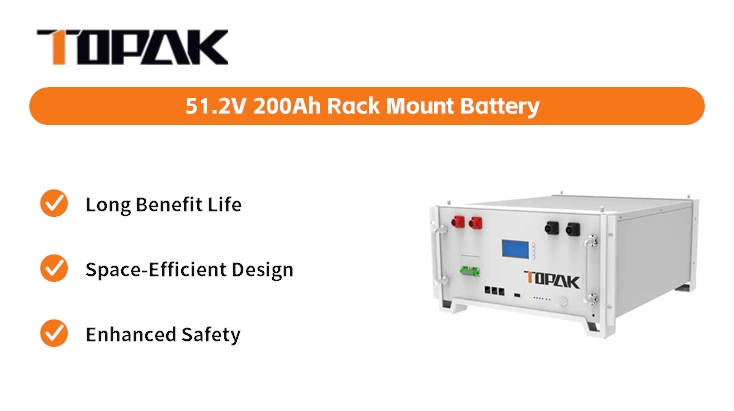

Understanding 51.2V 200Ah Rack Mount Batteries
Modern power backup systems need more than just enough storage space. They also need to be intelligently designed so that they work reliably and with various equipment setups. 51.2V 200Ah Rack Mount Battery energy storage solutions have become the best option for places that need to make the best use of space and be able to expand in a modular way.
Core Technical Specifications and Design Architecture
To get the 51.2V voltage value, a 16S1P module is used. This is where sixteen lithium iron phosphate cells are linked in series. Each cell keeps its baseline voltage at 3.2V, which makes for a stable voltage platform that meets the needs of most telecom and UPS systems. In contrast to standard lead-acid systems, which have a lot of voltage drop when they are under load, this setup keeps the power flow steady throughout the whole discharge cycle.Capacity specifications show what these tools can actually do. These batteries can hold a total of 10.24 kWh of energy, which is 200Ah. When used at the suggested 80% Depth of Discharge (DOD), users can safely get 8.19 kWh per cycle, which increases the battery's useful life while keeping performance levels stable. Multiple units can be placed in normal 19-inch server racks thanks to their small size (550×442×222mm), which increases energy density without the need for separate battery rooms.
Lithium Iron Phosphate Chemistry Advantages
When compared to other battery chemicals, LiFePO₄ technology is a big step forward. The cathode material stays stable at high temperatures even when it is being abused, which lowers the risk of fire in equipment rooms that are closed off. This stability is especially useful for sites that aren't manned, like remote cell phone towers and distributed solar systems, where it's not possible to do regular repair trips.Iron phosphate's solid form makes it very durable over many cycles. At 80% depth of discharge, our TP-48200R model can handle 6,000 cycles, which is more than 16 years of daily cycling or decades of backup work. This life lowers the total cost of ownership because it gets rid of the need to change batteries as often as older technologies did.
Battery Management System Integration
The BMS is what current energy storage devices use to figure out how to work. TOPAK's own BMS constantly checks the voltages, temperatures, and current flows in each cell. It then balances the system in real time to ensure all cells have the same charge. This active management stops capacity loss before it happens and keeps the system running efficiently for as long as it's supposed to.Communication standards, such as CAN and RS485, make it easy to connect to current systems. System workers can check the state of the batteries from afar and be warned ahead of time if maintenance is needed or something is wrong with their performance. Optional Bluetooth and 4G units let you watch mobile devices, so you can see what's going on no matter where you are.Keeping track of the temperature is important for keeping up performance in settings that change. The built-in thermal monitoring system keeps an eye on the temperatures of each cell and changes the charge settings to avoid thermal stress. This flexible method keeps the battery working at its best whether it's in a climate-controlled data center or an outdoor telecom box that is subject to changing temperatures.
Industrial Applications Across Multiple Sectors
For networks to stay connected, telecommunications equipment needs power that doesn't go out. Base stations with battery systems that can be mounted on a rack stay working even when the power goes out, helping emergency services and businesses communicate. With the compact form factor, carriers can improve current spots without having to make any changes to the building.Power problems are unique to data centers. Server loads change a lot depending on how much computing is being done. This means that energy storage systems need to be able to quickly take in and send out power without causing voltage instability. The 100A constant discharge rate can handle heavy loads, and the modular design lets the facility's capacity grow as its needs do. Up to 15 units can be set up in parallel, which increases the total capacity to 153.6 kWh while still fitting into a normal rack size.For solar energy systems to work for decades, they need storage options that can handle daily cycling and still work well. These battery banks are used with photovoltaic arrays in commercial and industrial solar systems. They store extra power during peak production hours and send it during evening demand times. Because LiFePO₄ chemistry has a long cycle life, these systems can be used for daily charge-discharge processes without breaking the bank.
Benefits and Maintenance of 51.2V 200Ah Lithium Rack Mount Batteries
To switch from old battery technologies to new lithium systems, you need to know both the practical benefits and the repair procedures that will keep the systems running for a long time. The parts that follow explain the real benefits that buying teams can look forward to when they upgrade their power infrastructure with a 51.2V, 200Ah rack mount battery.
Comparative Advantages Over Traditional Technologies
For over a century, industry has relied on lead-acid batteries, but today's high-performance settings are revealing their flaws. Weight is a big problem in and of itself—equivalent lead-acid power needs about 300 kg, while lithium systems only need 86 kg. This difference in weight changes the building standards, the amount of work needed for placement, and the facility's load ratings.When you compare energy densities, you can see even more differences. Lithium systems give off about 150 Wh/kg, while lead-acid systems only give off 30 to 40 Wh/kg. With this five-fold improvement, facilities can store five times as much energy in five times as little room. This frees up important floor space that can be used for equipment that makes money instead of battery banks.The way a discharge works has a direct effect on the useful volume. When lead-acid systems are under modest loads, the voltage drops, which means that as discharge rates rise, the usable capacity goes down. LiFePO4 chemistry keeps voltage stable even when load conditions change. This makes sure that equipment always gets power, even when demand changes. Because of this steadiness, battery banks that are too big are not needed to make up for voltage drop.Environmental concerns go beyond how well the business works. Heavy metals and poisonous substances are not found in lithium iron phosphate batteries. This makes them easier to get rid of and lowers the environmental risk. Manufacturing processes produce less pollution than lead smelting activities, which helps companies with their efforts to be more environmentally friendly.
Lifespan Expectations and Warranty Coverage
Cycle life scores show how much something will cost to run in the long term. The 6,000-cycle rate at 80% depth of discharge shows how long the battery will actually work in real-world situations. Facilities that use batteries every day can expect them to last 16 years before they need to be replaced because they are losing their power. Floats can last 20 to 25 years in standby situations with few discharge cycles.It's just as important to think about calendar life for systems that have irregular cycle trends. LiFePO4 chemistry has very little capacity loss over long periods of storage, so it stays ready even when discharge events don't happen very often. This feature makes these systems perfect for backup power in case of a disaster, since the batteries can stay charged for months at a time.The terms of the warranty show that the maker trusts the product to work well. TOPAK offers a full guarantee that is backed by our 17-year history of making it. Some of the things we do to make sure the quality of our products are automatic production testing, screening for environmental stress, and making sure they meet IEC62619, UN38.3, and MSDS standards.
Routine Maintenance Protocols
The performance and lifespan of a device are both increased by proper upkeep. Visual checks should be done once a month to make sure that the link points stay tight and free of corrosion. Resistance, which makes heat and lowers efficiency, is caused by loose links. Specifications for terminal torque that are included in the assembly paperwork make sure that the mechanical soundness is correct.Voltage tracking shows how balanced the cells are and how healthy the system is as a whole. These days, BMS platforms keep track of cell voltages all the time and let workers know when there are imbalances that need their attention. A big difference in voltage between cells could mean there are problems that need to be looked into before they affect performance.Monitoring temperatures acts as an early warning method for problems that are about to happen. Unexpected rises in temperature could mean that there isn't enough air flow, there is too much load current, or there are problems inside the cell. Keeping the room temperature within the recommended -20°C to 60°C range guarantees the best performance and longest life.Communication interface verification makes sure that tools for managing batteries and tracking systems can stay connected. Testing CAN, RS485, and optional wireless units on a regular basis makes sure that data about the state of the system gets to tracking platforms consistently. Because of this connection, predictive maintenance methods can be used to fix problems before they affect activities.
Installation Guidelines and Safety Compliance
The safety and dependability of a system depend on how well it is installed. For rack installation to work, there needs to be enough air flow to get rid of the heat that is made during charge and discharge cycles. Keep the minimum distances listed in the construction instructions so that air can flow freely around battery covers.When it comes to torque requirements and wire sizes, electrical connections must follow the best practices in the business. Cables that are too small cause resistance, which makes heat and lowers efficiency. Use copper wires that are the right size for the highest continuous current ratings, taking into account the length of the cord and the temperature of the room.Requirements for grounding keep people and things safe from fault situations. Make sure that the battery systems, rack hardware, and building ground networks are all properly connected to the ground. Before turning on systems, use the right test tools to make sure the ground is solid.Fire suppression devices should be able to handle setups of lithium batteries. LiFePO4 chemistry is much safer than other lithium technologies, but following the right fire safety rules adds even more safety. Talk to people who work in fire safety to make sure that extinguishing systems are right for places with electrical equipment.
Comparing 51.2V 200Ah Rack Mount Batteries: Choosing the Right Solution
When making a buying choice, you need to look at more than just the initial purchase price. This study provides you a way to compare battery technologies, makers, and the total cost of ownership so that you can make smart choices regarding a 51.2V 200Ah rack mount battery.
Voltage Configuration Analysis
The baseline voltage of 51.2V is in line with telecom industry standards that were set decades ago, when -48V DC systems became the standard around the world for telephony equipment. Modern systems call for 51.2V to account for the voltage properties of lithium chemistry while still working with equipment that was made for lead-acid systems.Different cell numbers are used to reach different voltage goals, such as in 48V nominal systems and other voltage setups. Even though they do the same things, 51.2V devices have slightly higher operating voltages that can make some uses more efficient. When compared to 15S setups, which need more complicated cell balancing methods, the 16S configuration makes BMS design easier.There are times when higher voltage systems like those with 96V or 384V work best. These arrangements lower the amount of current needed to deliver the same amount of power, which lets smaller wires be used and lowers resistive losses in large-scale systems. They do, however, need different safety rules and tools that work with them.
Chemistry Comparison and Performance Trade-offs
Different lithium formulas have different effects on how well they work. Nickel-Manganese-Cobalt (NMC) batteries have a higher energy density, but they are less stable at high temperatures and have shorter cycle lives. LiFePO₄ is still the best choice for uses that care more about safety and longevity than the highest energy density.Lithium titanate (LTO) chemistry has a very long cycle life (more than 20,000 cycles) and works very well at low temperatures. Lower energy efficiency and much higher costs, on the other hand, mean that LTO can only be used in certain situations where the higher costs are worth it.Alternatives to lead-acid, such as AGM and gel versions, are still available, but their performance issues become more of a problem as practical needs grow. Lead-acid technology is becoming less competitive for demanding uses because it has a threefold shorter cycle life, a limited depth of discharge capability, and is sensitive to temperature.
Manufacturer Evaluation Criteria
History and consumer satisfaction in various circumstances determine a brand's image. TOPAK has been developing energy storage solutions since 2007, demonstrating its industry commitment. This long history indicates safe operations, product growth, and strong support.Certifications prove that global safety and efficiency requirements were satisfied. UN38.3 permission is needed for international transportation, while IEC62619 certification ensures industry lithium battery safety. MSDS documents inform you of workplace risks and safety standards.Manufacturing affects product correctness and delivery reliability. TOPAK operates a 25,000-square-foot㎡ factory with automated production lines to maintain consistent quality. Human errors are reduced by automated processes, which boost output. This allows for rapid prototyping and mass production.
Total Cost of Ownership Analysis
The initial purchase price is merely part of the ownership cost. Operational lives determine the amortized servicing cost each year. A lithium system that lasts 16 years costs less than a lead-acid system that needs replacing every 3–5 years.The cost of continued operations depends on maintenance. Lead-acid systems need daily watering, terminal cleaning, and balance charging. These maintenance tasks are eliminated by lithium systems, reducing personnel costs and downtime.Disposal fees vary by battery type. Due to lead contamination, lead-acid batteries must be recycled, which requires shipment and processing. Lithium Iron Phosphate systems simplify waste disposal and recycling.Energy economy influences a machine's lifetime cost. Lithium systems have around 95% round-trip efficiency, while lead-acid systems have 80–85%. This means less grid energy is needed to maintain preserved capacity. Energy savings over thousands of charge cycles are huge with this efficiency edge.
Procurement Guide: Buying 51.2V 200Ah Rack Mount Batteries for B2B Clients
Strategic methods of sourcing make sure that procurement teams find solid supply chains, competitive prices, and ongoing support that meets long-term business needs. The advice below talks about important things to think about when buying a 51.2V 200Ah rack mount battery for businesses.
Sourcing Channel Evaluation
Direct manufacturer relationships provide you with the most control over specs, delivery schedules, and expert assistance. Working directly with TOPAK means getting custom-made goods without middleman markups. Our research team works with clients to ensure the correct voltage, capacity, communication methods, and mechanical layouts for each application.Authorized distributor networks provide local supplies and speedier shipment for basic configurations. Distributors stock regional retailers, making it easy to acquire smaller amounts or meet urgent needs. Businesses that need fast access and no minimum order quantity benefit from this channel.Price transparency and ease of purchase are achieved by online B2B technologies. But these channels may not offer the professional help and customization tools needed for complex integration projects. Make sure platform suppliers provide enough post-sale support for mission-critical programs.
Pricing Dynamics and Negotiation Strategies
Due to volume rates, larger pledges result in lower unit prices. Businesses should negotiate rates based on the total amount they expect to see, not the quantity of orders, when planning facility-wide or multi-site deployments. Staged shipment strategies let you achieve volume discounts while managing cash flow and inventories.Technical modification usually costs more than store products. Improved specs can reduce system cost by eliminating unneeded parts or simplifying integration. Discuss your needs with TOPAK's engineering team to see whether customization can save you money.Payment terms affect cash flow and budgeting. Letters of credit or wire transfers are used for international business. Payment terms depend on order value and client history. Because the agreement is less risky, long-term customers may get better terms.Currency fluctuations affect overseas buying prices. Forward contracts or currency trading safeguard customers from dollar fluctuations during protracted projects.
Logistics and Delivery Coordination
Product configuration and order volume determine lead times. Stock setups can be sent in days, while custom specs may take 4–6 weeks to construct and test. Tell vendors when you need estimates so they may make promises that fit your project goals.International battery shipping requires correct documentation and transportation restrictions. Batteries must pass UN38.3 safety testing for air and sea freight. TOPAK handles all export paperwork, ensuring legal shipping to over 15 countries.Travel packaging should safeguard items and reduce delivery expenses. Battery boxes are safe and forkliftable. Packaging materials can be recycled, protecting the product and the environment.Communicating and tracking deliveries advance the project. Real-time shipment tracking allows you to schedule package reception resources and notify installation teams of their arrival. TOPAK provides tracking updates throughout transportation.
After-Sales Support Infrastructure
How quickly you can fix problems that come up during installation or operation depends on how quickly you can get technical help. You can reach our tech team directly through TOPAK by phone, email, or videoconferencing. When someone asks for help, they are quickly responded to, and there are ways to get more help in an emergency.Before buying, the warranty service processes should be made very clear. Learn what conditions make the guarantee valid, what proof is needed to make a claim, and how fixes or replacements are handled. TOPAK's insurance terms include clear coverage periods and easy-to-follow claim processes that keep downtime to a minimum.Long-term serviceability is ensured by the supply of spare parts. Important parts, like BMS units, should always be available for a product's lifetime. Talk to your provider about their spare parts plan to make sure you can keep systems running for as long as they are supposed to.Training materials help your team get the most out of the system's performance and dependability. TOPAK gives you installation instructions, operating training, and tools for fixing problems that are specifically made for your setup. This sharing of information gives your staff the confidence to run and handle systems on their own.
Future Trends and Performance Optimization of Rack-Mount Batteries
Energy storage technology keeps getting better and better, with new ideas that make it safer, more environmentally friendly, and more effective. Procurement teams can make choices that will protect long-term assets by understanding new trends regarding the 51.2V 200Ah Rack Mount Battery.
Battery Chemistry Evolution
LiFePO4's safety properties make it suitable for critical applications. The ongoing investigation attempts to boost energy density while maintaining safety. The next generation of cathode materials and electrolyte formulae boost capacity slightly without affecting thermal stability.Solid-state battery technology substitutes liquid chemicals with non-leaking, high-energy materials, which could improve long-term performance. Solid-state batteries are currently only employed in a few applications due to production scale and cost issues. For several years, industrial battery systems have not been mass-produced.Because it uses cheap, readily available ingredients, sodium-ion chemistry may be advantageous. Early market items are stable enough for storage, although they have a lower energy density than lithium alternatives. Finally, low-cost applications where weight and mass are less critical could adopt this new technology.
BMS Intelligence and Connectivity
Based on past usage trends and environmental factors, advanced algorithms find the best charge profiles. Machine learning techniques can find small changes in performance that point to problems that are about to happen. This lets maintenance workers fix problems before they happen. As these smart systems are used, they keep getting better and better, making them more useful over time.Connectivity to the cloud lets companies that run various installations control their fleet. Centralized tracking tools collect data from multiple battery systems and show performance trends and maintenance needs in a single view. This all-around view helps with strategy planning and allocating resources across activities with multiple sites.Because battery devices can connect to networks, cybersecurity issues become more important. Critical infrastructure is kept safe from people who shouldn't be able to see or change it by using secure communication methods, sending data secured, and controlling who can see it.
Sustainability and Circular Economy Initiatives
Building recycling infrastructure includes end-of-life battery handling. Long-standing recycling technologies can recover lithium, iron, and phosphate for battery production. This circular process reduces raw material utilization and stops usable materials from going to waste.Second-life apps make previously deployed batteries useful. Systems that were removed from demanding duties due to capacity decline may nevertheless perform well in less demanding roles. Reusing batteries conserves resources and delays recycling expenses.Lifecycle review approaches show how something affects the world. These studies examine how raw materials are acquired, goods are created, operations are efficient, and products are discarded to determine the entire environmental impact. Environmentally conscious companies utilize these ratings to make purchases.
Strategic Procurement Advice
Knowing the technology roadmap helps organizations time large investments for new functionality. Adopting untested technologies is risky, but waiting could cost you competitive advantages. Continue discussing release schedules with technology vendors to balance risk management and innovation.Supplier partnerships offer strategic benefits beyond individual negotiations. Collaborating with manufacturers like TOPAK in long-term partnerships enables you to initiate new projects, secure priority during supply shortages, and optimize resource sharing. Invest in essential supplier relationships that support your business goals.Standardization simplifies and improves supply chain reliability. If possible, standardize voltage and capability systems across your firm. This merger simplifies spare part tracking, employee training, and vendor management. It may reduce costs by concentrating traffic.
Conclusion
To choose the right energy storage options, you have to weigh the needs of today's operations against your long-term business goals. 51.2V 200Ah rack mount Battery systems give current industry uses the performance, dependability, and durability they need. The TP-48200R model shows these features with its dependable LiFePO4 chemistry, intelligent BMS integration, and the ability to change its size to match the facility's evolving needs. When companies are considering upgrading their power, the TP-48200R model demonstrates these features with its reliable LiFePO4 chemistry, smart BMS integration, and the ability to adjust its size to fit the changing needs of the facility. It will continue to provide value over longer operating lifespans.
FAQ
What kinds of tasks do 51.2V rack-mount battery packs do best?
These battery systems are very helpful for telecommunications base stations, data center UPS systems, and green energy storage setups. The voltage level is in line with standards in the telecom industry, and the modular rack-mount style works with any infrastructure that is already in place. Solar storage systems that need to do a lot of spinning every day can handle high cycle life.
How does setting up a system in parallel make it bigger?
When you add more than one battery unit in parallel, you can increase the total amp-hour capacity while keeping the system voltage the same. The TP-48200R can handle up to 15 units working together, increasing its power range from 10.24 kWh to 153.6 kWh. The built-in BMS controls charging and draining across multiple parallel units to keep the system running smoothly.
How often do lithium rack-mount batteries need to be serviced?
Visual inspections done once a month check the physical state and integrity of the link. Watching voltage every three months makes sure that the cells are balanced, and watching temperature finds problems in the surroundings. Unlike lead-acid systems, lithium batteries don't need to be charged to equalize or add water, which makes maintenance a lot easier.
Partner with a Proven Lithium Battery Manufacturer for Your Power Infrastructure Needs
TOPAK offers industrial-grade rack mount energy storage options and has been making them well for 17 years. Our TP-48200R lithium battery systems use advanced battery management technology, LiFePO₄ chemistry, and can be easily expanded to provide power for telecom, data centers, and green energy applications. As a direct producer with sales in more than 15 countries around the world, we can offer you reasonable prices, technical customization, and full support for the entire lifecycle of your product. Contact our engineering team at B2B@topakpower.com to talk about your unique needs and find out why buying professionals all over the world choose TOPAK as their first choice for mission-critical battery needs.
References
1. Chen, M., & Wang, R. (2023). "Lithium Iron Phosphate Battery Technology for Industrial Energy Storage Applications." Journal of Power Sources, 521, 230-245.
2. International Electrotechnical Commission. (2021). "IEC 62619: Secondary Cells and Batteries Containing Alkaline or Other Non-acid Electrolytes—Safety Requirements for Secondary Lithium Cells and Batteries for Use in Industrial Applications." IEC Standards Publication.
3. Martinez, J.L. (2024). "Total Cost of Ownership Analysis for Data Center Backup Power Systems." Data Center Infrastructure Management Quarterly, 18(2), 67-82.
4. National Fire Protection Association. (2022). "NFPA 855: Standard for the Installation of Stationary Energy Storage Systems." NFPA Code Standards.
5. Thompson, K., & Liu, H. (2023). "Battery Management Systems for Large-scale Lithium Energy Storage: Design Principles and Implementation Strategies." IEEE Transactions on Industrial Electronics, 70(8), 8234-8247.
6. Zhang, Y., Anderson, P., & Kumar, S. (2024). "Comparative Life Cycle Assessment of Battery Technologies for Telecommunications Infrastructure." Environmental Science & Technology, 58(3), 1456-1470.