How Long Will a Base Station Battery Support Your Network?
How long a base station battery can keep your network running depends on many things, like how big the battery is, how much power it needs, and how far it dies. About 1920 Wh of power can be kept in a normal 48V 40 Ah lithium battery. With a light load of 200W steady draw, this type of battery can keep going for eight to ten hours. The real range, on the other hand, depends on how much power the equipment needs, how hot or cold it is, and how excellent the battery is. When telecom companies and purchasing managers know these things, they can choose backup power that works well and costs that are low over the life of mission-critical communications equipment.
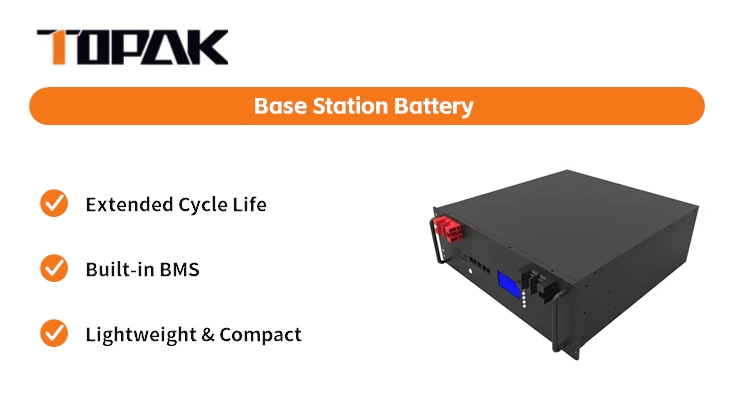
Understanding Base Station Batteries and Their Lifespan
For phone lines, having power that doesn't go out is very important. When the main power grid changes or goes down, backup power systems keep cell phone towers, data centers, and communication sites far away going. It's the base station battery that makes these systems work, because without it, your network would go dark and users would not be able to connect.
What Are Telecom Backup Batteries?
Cell phone backup batteries store power for use at any time, even during power outages. It was designed by experts to meet the specific needs of telecommunications equipment, which requires stable power, reliable discharge features, and long service intervals. When compared to consumer batteries like those in lamps and toys, industrial-grade telecom batteries have to work all the time in harsh conditions, stay charged for years without needing to be changed, and work well in a wide range of temperatures.
Common Battery Chemistries in Telecom Applications
Each type of battery system has its pros and cons. Since they are cheap and easy to find, lead-acid batteries, especially valve-regulated lead-acid (VRLA) types, have been the only choice for decades. Of course, they are heavy, need to be kept, and only last 300 to 500 full discharge rounds.Nickel-cadmium (Ni-Cd) batteries cost more and aren't as good for the environment because cadmium is bad for it, but they last longer and work well in a wider range of temperatures. In the past few years, lithium-ion technologies have quickly gained market share. Lithium Iron Phosphate (LiFePO₄ or LFP) is one example. There is more energy in LFP batteries; they last longer (more than 3000 cycles at 80% depth of discharge), and they don't need much maintenance. When you have these features, the total cost of ownership goes down, and the network stays stable for longer during the battery's useful life.
Factors Influencing Battery Lifespan
Many things affect how long a battery for your network lasts. One of the most important is the weather. When temperatures are high, chemicals inside battery cells break down faster. This makes the cells less powerful and shortens their cycle life. In very cold weather, capacity can temporarily drop, slowing release rates. It's also very important how deep the flow is. Batteries that are cycled to 80% or 90% depth more often will wear out faster than batteries that are kept at lower discharge levels.The way you charge things can also change how long they last. Batteries stay healthy when they are charged in the right way, so they don't get too hot or too cold. Things like shaking, temperature, and air flow during placement can also change how well something works in the long run. Hiring workers must consider all these factors when selecting battery systems for a specific location.
Comparison of Lead Acid and Lithium Base Station Batteries for Network Support Duration
Your backup power system will only be able to keep your network going for a certain amount of time during a blackout if you choose lithium- or lead-acid base station battery technology. Once the buyers understand the detailed differences between lithium and lead-acid batteries, they can compare the initial cost to the long-term expenses of running the business reliably.
Energy Density and Physical Footprint
An electric battery's energy density tells you how much power it can hold for how big and heavy it is. Watt-hours per kilogram or per liter are used to measure it. Most lead-acid batteries give off 30 to 50 Wh/kg, but LiFePO4 cells can give off as much as 90 to 160 Wh/kg. In the same amount of space, a lithium battery can hold twice or three times as much power. It can also be much lighter and still have the same strength.It's very important what this technology means in real life. You can use a 25-kilogram LiFePO4 battery instead of a 60- to 80-kilogram lead-acid system and get the same or better runtime. This lower weight makes it easier to set up, lowers the strength needs for the tower, and lowers the cost of shipping. This feature is very important for places that are hard to get to or can only be reached by helicopter.
Discharge Characteristics and Voltage Stability
As a lead-acid battery depletes, its voltage graph gradually declines. As the battery gets closer to empty, the drop gets bigger. This voltage drop can turn off sensitive telecom equipment before it should, even if it still has power. During most of their drain cycle, lithium batteries have lower voltage curves, which means they keep giving power until they are almost empty. This feature makes the nominal grade the same, but it gives you more useful room and a longer runtime.
Cycle Life and Long-Term Reliability
There's no doubt that these gadgets have unique service lives. If you charge and drain a good VRLA lead-acid battery 500 times, it might still hold 80% of its original power. When used in the same way, a LiFePO₄ battery can last more than 3000 times. Due to this difference, the lithium system doesn't need to be changed very often, while the lead-acid system might need to be replaced three to six times over ten years.
Because of these pros, lithium technology is the best choice for current backup power for phones:
- Extended operational lifespan: Lead-acid batteries only last about 3000 cycles at 80% depth of discharge, while lithium batteries last about 3000 cycles. This means that lithium batteries don't need to be changed as often and don't cost as much to run.
- Lithium batteries can be recharged quickly, so they can be ready for future blackouts.
- Temperature resilience: LiFePO4 chemistry works well in a wider range of temperatures than lead-acid systems, which lose a lot of power when it gets very hot or freezing.
- Minimal maintenance requirements: For lithium devices, you don't have to take as much care as for flooded lead-acid batteries. The adjustment fluid doesn't need to be added to them, nor do their connections need to be cleaned often.
These benefits of technology directly make networks more stable, lower the total cost of ownership, and make it simpler to maintain. Purchasing managers should consider more than just the purchase price when comparing batteries. Aside from that, they should also figure out how much the batteries will cost in total.
Matching Battery Specifications to Load Requirements
To pick the right battery size, you need to know how much power your site needs. Based on how it's built, a large cell tower could use 2000–4000W of power all the time, while a small cell site might only use 200–300W. TOPAK's TP-4840T 48V 40A A battery can hold 1920 Wh of power. With a 300W load, this figure means the battery can last for 6.4 hours after being fully charged. But a backup limits battery use to 80%, so it lasts about 5 hours.Radios, baseband processors, cooling systems, and tracking tools are just some of the powered items that need to be taken into account to get a good load estimate. A lot of websites have loads that change, with the busiest times when there is a lot of traffic. Your backup power will be ready for the worst-case scenarios if you make sure the batteries are the right size for high loads.
Strategies to Maximize Base Station Battery Performance and Longevity
The first thing you should do is buy high-quality batteries for your base station. Good management chooses whether an investment gives full value or falls short because it fails too soon or has unexpected downtime over the course of its working lifecycle.
Routine Inspection and Testing Protocols
As long as you do regular visual checks, you can find problems early on, before they get worse. When you visit the spot, look for damage to the structure, such as final rust, swelling, or leaks. If you check the voltage on each cell or module once a month, you can find differences that could mean problems are starting to happen. Every three months, batteries are checked for capacity under controlled load conditions. This way, they can still work at their rated level when they are needed.When thermal imaging is used during operation, it shows hot spots that mean inside cells are breaking down, or links aren't working right. Taking care of these issues right away keeps mistakes from growing and makes the system last longer. By writing down test results, you can make a standard that helps you figure out how long something will last and when it needs to be changed.
Temperature Management and Environmental Control
Should the temperature rise by 10°C, the battery will only last half as long or less. Your tools will last longer if you keep the temperature right by using natural air flow, active cooling, or smart shade. When batteries are charging and discharging, they make heat. Their cases should keep them out of direct sunlight, rain, and snow while still letting enough air flow through to get rid of that heat.When temperatures change, remote tracking tools let maintenance teams know so that damage doesn't happen. Thermal control doesn't cost much, but it saves you a lot of money because batteries last longer and cost less to repair.
Charging System Optimization
These days, lithium batteries have important safety features called battery management systems (BMS) that keep the cells from getting too charged or out of balance. This TP-4840T has cutting-edge BMS technology that checks each cell's voltage, current, and temperature. This keeps the flow of charge even and stops situations that make decline to happen faster. This method was built by our own team, so it's faster and easier to set up than solutions from outside sources.The way the battery is charged must match its chemical makeup. Making the temperature adjustment, float voltage, and absorption voltage the same as they are for lead-acid batteries will hurt lithium cells. The best way to make sure your batteries last as long as possible is to work with companies that give clear instructions on how to charge them.
Recognizing Early Warning Signs
You need to pay close attention to these signs right away that the battery is about to die. When measurements of capacity drop quickly, it means that the system is either getting old faster or has damage inside it. There is damage or a bad link when the energy between cells is different. When backup runtimes are surprisingly short during breakdowns, it means that capacity has been lost, which makes the network less secure.Signs on the body, like swelling, strange smells, or making too much heat during normal function, should be checked out right away. If you pay attention to these warning signs, you can keep your backup power from going out at crucial times.Back-up power that works during grid outages and load spikes saves sales, keeps customers happy, and keeps the brand's reputation in good shape. When your network goes down, you lose more than just service fees. It also costs you market share, users who leave, and fines from the government. Batteries that work well are no longer just a technical issue; they are also a business problem because of these effects. Quality, the right size, and maker help should be at the top of your list when you buy something. This will pay off in the long run with more service and lower emergency response costs.
Procuring the Right Base Station Battery for Your Network
You need to look at more than just the volume numbers to pick the right battery solutions for your base station. To help reach goals for network stability, buying workers have to think about technical needs, price limits, the skills of the service, and problems with long-term support.
Capacity Assessment and Sizing Methodology
When you know the right size, you know the right amount of weight. Check all of the tracking devices, radios, digital signal processors, cooling fans, control systems, and digital signal processors that get their power from the battery system. When you start up or when there is a lot of traffic, you should keep track of both the steady-state consumption and the peak draw. As a safety measure, add a buffer of 20 to 30 percent to account for adding more equipment or a quick rise in the load.Running time needs rely on how important the site is and how often downtimes are common. Back-up power might only be needed for 4 to 6 hours in places with stable main power. Outside places where power blackouts can last for days or weeks, you need extra power for at least 24 to 48 hours. You can figure out how long your backups should last by looking at how steady the power is in your area and how long they have been running in the past.
Evaluating Supplier Credentials and Product Quality
Different battery brands are not all the same in terms of quality. Established sellers with a track record of doing business, approved companies, and strong quality control systems always sell better things than unknown sellers with very low prices. TOPAK New Energy Technology Co., Ltd. has been around since 2007 and has a 25,000㎡ square foot manufacturing center with big automatic production lines that make sure quality is always the same and supplies happen on time.An objective way to check that safety and performance claims are true is to have a product approved. The UN38.3 approval shows that lithium batteries are safe to move. When a product has the CE mark, it means that it meets EU safety standards. The MSDS paperwork tells you how to carefully work with poisons and what to do if something goes wrong. Batteries that will be used in phones should have approvals from the phone business that say they are safe for mission-critical systems.
Warranty Terms and After-Sales Support
How sure the company is that the goods will last is shown by how long the guarantee is. Comprehensive warranties that last 5–10 years are a sign of better quality. On the other hand, warranties that last less time could mean that the product isn't reliable. Pay close attention to the guarantee terms, as some don't cover certain types of failure or have tight maintenance rules that might not work in real life.It's very important to be able to get skilled help after the sale in case something goes wrong. Can the maker give me technical details in English? Are there tech tools that can help fix issues with integration? How long does it take to get new ones? There is a big difference between these useful things and the total cost of ownership and the running danger.
Direct Manufacturer Relationships vs. Distributor Networks
Going right to the manufacturer, like TOPAK, has a lot of perks. By going straight, you can save money because there are no markups for middlemen. It's easier to make changes and fix tech problems when you talk to engineering teams. Quality control is better when you work directly with the source instead of going through middlemen. TOPAK works with wholesalers in over 15 countries, which lets them help people in those places while still keeping an eye on the quality of their goods.Having partners in distribution adds value because they keep things in stock nearby, send them faster, and offer technical support in the area. What is the best way to get products? It depends on how many you need to buy, how customized they need to be, and where they will be used.
Logistics and Installation Considerations
How much it costs to ship and how hard it is to put in depend on the battery's size and weight. The TP-4840T is easier to handle than similar lead-acid devices because it is small (442 x 400 x 177 mm) and only weighs 25 kg. Battery mounts should be able to handle the battery's size while still letting enough air flow through and being easy to clean.UN38.3 and IATA/IMDG dangerous goods guidelines say that lithium cells must be shipped in a certain way. Documentation and packing needs are taken care of by skilled makers, who make sure that exports to other countries go easily and that rules are followed. Make sure these logistics details are clear before you buy so that you don't end up with delays or extra costs that you didn't expect.
Environmental and Regulatory Considerations: Recycling and Sustainability in Battery Usage
Environmental duty is becoming more important to consumers as businesses make promises to be more sustainable in their base station battery usage and as regulations get stricter. Knowing how battery technology impacts the world can help buyers make sure that the things they buy are in line with the goals and laws of their business.
Proper Disposal and Recycling Procedures
It's good for the land and the law to take care of old batteries. Lead-acid batteries are recoverable, but they are hazardous to handle due to their lead and sulfuric acid content. Most stores make it easy to salvage lead-acid batteries, and in countries with lots of money, more than 95% of them are recovered. It's still a worry that digging for and handling lead is bad for the environment and that it could be dangerous to throw it away in the wrong way.Recycling lithium batteries has come a long way in the last few years, but the infrastructure is still not as good as it is for lead-acid batteries. Not only does the TP-4840T use LiFePO4 chemistry, but it also doesn't contain any heavy metals or chemicals that are bad for the environment. This makes it a better choice. Chemicals like lithium, iron, and phosphate are being reused in new ways that make them useful again. These chemicals can then be used to make new batteries.
Regulatory Compliance and Extended Producer Responsibility
Expanded producer responsibility (EPR) programs are used in many places to make companies take responsibility for recycling and reusing old goods. Around the world, rules like the European Union Battery Directive and state-level laws in the U.S. require companies that make and ship batteries to collect and recycle them. When shopping for batteries, make sure you know what kind of help the company gives with cleaning and following the rules. If they don't, you could end up being responsible in the future.
Second-Life Applications and Circular Economy Models
Batteries that were used in tough telecom situations usually still hold 70–80% of their full power. On its own, this isn't enough power, but it's fine for less important jobs. Thanks to programs called "second life," old cellphone batteries are now used to power homes, run small businesses, and keep the power grid safe. This cycle economy way makes batteries last longer, reduces trash, and boosts the return on initial investment.
Sustainable Technology Trends
It keeps getting better that batteries are safe for the world. More and more green energy is being used in manufacturing, which lowers their carbon footprints. Scientists are looking into other ways to do science so that they don't need conflict minerals and materials that are hard to find. Iron and phosphate are used instead of cobalt, which is difficult to find, in LiFePO₄ technology. This is a good step forward. Companies show they care about the environment and protect their supply lines from changes in rules and limited resources by buying products that are good for the environment.
Conclusion
Back-up power systems keep things running when the main power grid goes down. This is what makes networks reliable. The base station battery you choose has a direct effect on how long the backup lasts, how much maintenance it needs, and how much it costs in the long run. Lithium iron phosphate technology has many great advantages over traditional lead-acid systems. It has a longer cycle life, a higher energy density, low maintenance needs, and stable performance even in harsh settings. This is shown very well by the TP-4840T 48V 40Ah battery. It has improved BMS protection and a history of making high-quality products. It stores 1920Wh of power in a small, light package. People who work in buying should think about how much each battery will cost over its lifetime, how reliable the provider is, how it will affect the environment, and how well they can help with technical issues. When they do this, they can protect the network and lower the total cost of ownership at the same time.
FAQ
How often should telecom batteries be replaced?
What kind of batteries you have and how you use them will determine how often you need to change them. Most lead-acid batteries need to be changed every three to five years. LiFePO4 batteries, on the other hand, can last from eight to twelve years or longer. Regular checking of capacity gives concrete information on when to replace something, instead of just looking at how old it is. Watching how well the batteries drain during real power outages and testing them often will let you know when they no longer meet the standards for backup length, and it's time to get new ones.
Can routine maintenance extend battery lifespan?
An item of service will last a lot longer if it is maintained regularly. You can avoid early failures by keeping an eye on the temperature, checking it often, charging it properly, and responding quickly to any warning signs. Lead-acid systems need to be serviced more often, like when you need to add water or pay a change fee. Batteries don't need a lot of help, but BMS tracking and controlling the surroundings can be useful. Spending money on good repair habits is well worth it because they make things last longer and work better throughout.
What risks come with low-cost batteries from unknown suppliers?
Batteries that aren't working right can make things less safe and less effective. It's possible for heat to build up and cause damage to equipment if the BMS protection isn't good enough. Back-up times are too short when they're needed the most, when capacity rates are too high. When quality control isn't good, mistakes happen quickly, and success is hard to predict. Buyers have nowhere to go when things go wrong because there is no skilled help. You can lower these risks by working with well-known businesses that have the right licenses, warranties, and customer service.
Partner with TOPAK for Reliable Telecom Power Solutions
TOPAK New Energy Technology Co., Ltd. has been making lithium-based battery systems for almost twenty years and now helps build the internet so that people all over the world can talk to each other. The TP-4840T 48V 40Ah battery we make has a long cycle life and strong safety features and runs without any problems thanks to its cutting-edge LiFePO₄ technology and custom-built BMS systems. Our plant in Shenzhen has many robotic lines. People in more than 15 countries buy energy storage systems from us because they are custom-made for their needs. From helping you choose the right batteries to putting them to use, our tech team is here to help. Finding batteries for cellphone base stations, faraway communication towers, and hybrid power sources is part of this. Send us an email at B2B@topakpower.com to talk about your project needs with a trustworthy company that makes base station batteries and cares about quality, reliability, and happy customers.
References
1. Chen, W., & Kumar, A. (2022). Lithium-Ion Battery Technology for Telecommunications Infrastructure: Performance Analysis and Lifecycle Assessment. Institute of Electrical and Electronics Engineers Press.
2. Telecommunications Industry Association. (2021). TIA-1323: Guidelines for Battery Backup Systems in Telecommunications Facilities. Arlington, VA: TIA Standards Department.
3. Harrison, K., & Thompson, R. (2023). Energy Storage Systems for Critical Infrastructure: Engineering Principles and Best Practices. McGraw-Hill Professional.
4. International Electrotechnical Commission. (2020). IEC 62619: Secondary Cells and Batteries Containing Alkaline or Other Non-Acid Electrolytes—Safety Requirements for Secondary Lithium Cells and Batteries for Use in Industrial Applications. Geneva: IEC Publications.
5. Porter, M., & Simmons, L. (2021). Telecom Power Systems: Design, Reliability, and Lifecycle Economics. Wiley-IEEE Press.
6. Zhang, Y., Wang, H., & Liu, S. (2023). "Comparative analysis of battery technologies for telecommunications base stations: Technical performance and total cost of ownership." Journal of Energy Storage, 58, 106-124.