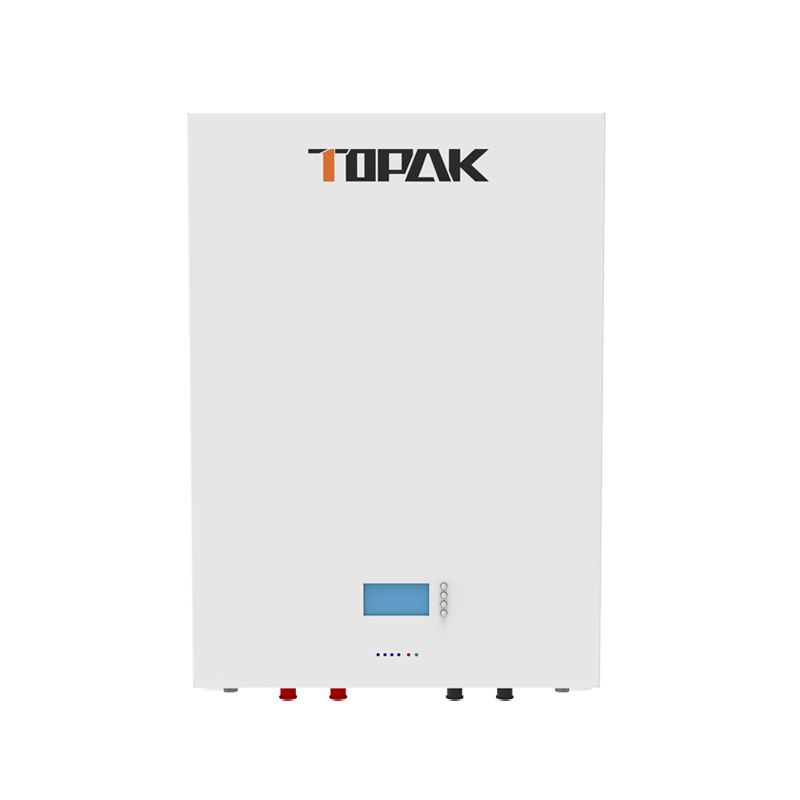
Can Wall Mount Batteries Withstand Earthquakes?
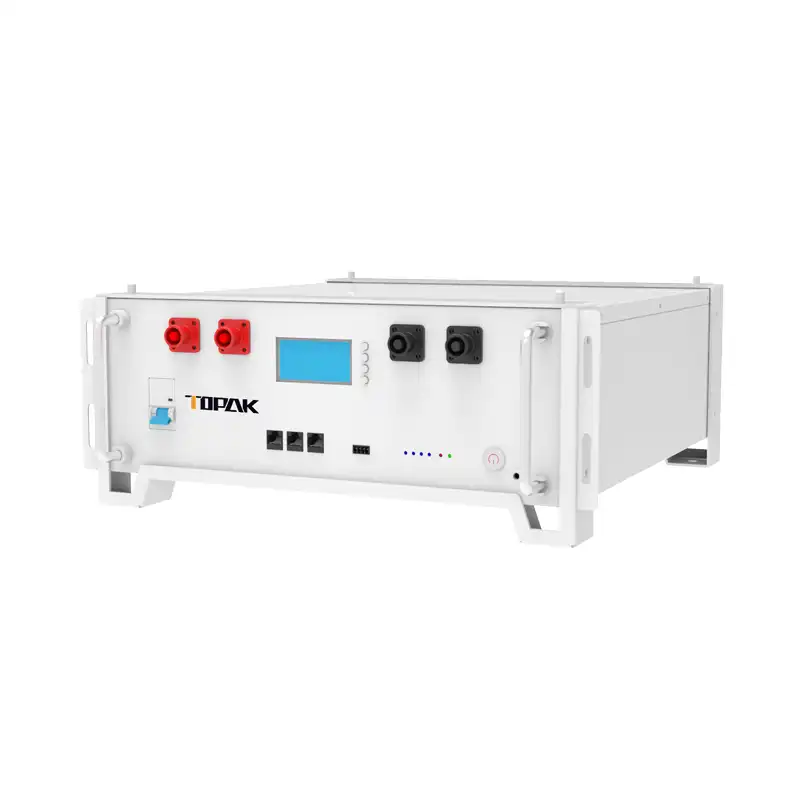
The question of whether wall mount batteries, which are also called wall mount battery systems, can survive disasters is more important than ever in a time when energy stability is becoming more important. As we move toward green energy sources and work to improve our backup power systems, it is very important to think about how long energy storage options will last during natural disasters. Wall mount batteries, like the TP-24100W 25.6V 100Ah type from TOPAK New Energy Technology CO., LTD, are made to store power efficiently and reliably for a wide range of uses. But many people who might use them are worried about how well they can handle earthquakes, especially in places where they happen often. This blog post goes into detail about how strong wall mount batteries are during earthquakes. It talks about their safety features, how well they work in harsh conditions, and how they are designed. We'll look at the tech behind these batteries and how the companies that make them are dealing with the problem of earthquake resistance to make sure that the power stays on even in the worst conditions.

How Are Wall Mount Batteries Designed to Resist Seismic Activity?
Reinforced Mounting Systems
Wall mount batteries are made with high-tech fixing systems that are made to survive earthquakes. Most of the time, these systems come with strong clamps and pegs that spread the weight of the battery evenly across the wall. For example, the TP-24100W 25.6V 100Ah wall-mounted energy storage battery has a strong fixing system that can handle shaking and sideways motions during an earthquake. A lot of the time, the fastening hardware is made from high-strength materials that won't break, like aerospace-grade aluminium or strengthened steel. Also, makers often suggest that the wall mount battery be installed by a professional to make sure that it is properly fixed according to local building codes and seismic rules. This makes it even more resistant to moves caused by earthquakes.
Shock-Absorbing Components
Wall mount batteries have shock-absorbing parts built into their structure to lessen the effect of earthquake waves. These parts work as shields, letting the energy from quick moves escape and keeping the battery's internal parts safe. For example, the TP-24100W type has a carefully made case that has shock-absorbing materials built right in. This design helps keep the sensitive battery cells and electrical parts from being affected by movements from the outside. Some high-tech Wall-mounted Battery systems even use active damping technologies, which use sensors to find earthquakes and move the battery to counteract the movement in real time. These shock-absorbing parts not only keep the wall mount battery safe during shocks, but they also help it last longer when used regularly.
Flexible Internal Architecture
The structure of current wall mount batteries is made to be flexible so that they can handle the pressures of earthquakes. Manufacturers like TOPAK New Energy Technology CO., LTD don't use hard links between cells and parts. Instead, they use bendable connectors and customisable designs. This way of doing things lets the wall mount battery's frame bend a little during an earthquake without hurting the cells or the electrical paths. One example is the TP-24100W 25.6V 100Ah battery, which has a flexible cell design that lets the cells move around without damaging the electrical connections. This adaptable design not only makes the battery more resistant to shocks, but it also makes upkeep and possible improvements easier, since individual sections can be fixed or changed without affecting the whole system.
What Safety Features Do Wall Mount Batteries Have for Earthquake Scenarios?
Automatic Shutdown Mechanisms
Wall-mounted batteries have advanced automatic shut-off systems that are meant to turn them off during strong earthquakes. Accelerometers and complex algorithms are used by these systems to find strange moves that could be signs of an earthquake. When the shutdown mechanism is activated, it instantly cuts the battery off from the power source and any devices that are attached to it. This stops any electrical problems that could happen, like short circuits or overloads. This safety function is built into the TP-24100W 25.6V 100Ah wall-mounted energy storage battery as part of its full Battery Management System (BMS). The fast response time of this wall mount battery makes sure that it stays safe even if it gets damaged during a strong earthquake. This lowers the risk of fires or electrical accidents after the earthquake.
Reinforced Casing and Sealing
Wall mount batteries have stronger cases and better closing technologies to keep them safe from external dangers during and after an earthquake. The outside of these batteries is usually made of flame-resistant, high-impact materials that can handle falling items and possible crashes with other things during earthquakes. One example is the TP-24100W type, which has an IP65-rated cover that keeps dust and water out very well. This strong case not only protects the inside parts from damage, but it also stops possibly dangerous substances from leaking out in case there is a break. The better sealing also keeps the wall mount battery safe from other dangers, like water damage from burst pipes or spray systems that may go off during an earthquake. This keeps the battery safe and working after an earthquake.
Thermal Management Systems
Wall-mounted batteries need to be able to handle heat well, especially during earthquakes when standard cooling systems may not work. These batteries have advanced thermal management systems built in to keep them from overheating and at the best working temperature, even when they are under a lot of stress. A high-tech thermal regulation system with temperature monitors, heat disposal mechanisms, and smart control algorithms is used by the TP-24100W 25.6V 100Ah wall-mounted energy storage battery. This technology can quickly adjust the battery's operation to stop thermal runaway when there are changes in temperature due to earthquakes or power surges. The wall mount battery keeps its performance and life by keeping its internal temperatures fixed. It also greatly lowers the risk of fire or explosion during and after an earthquake, making emergency situations safer overall.
How Do Wall Mount Batteries Perform in Post-Earthquake Power Outages?
Uninterrupted Power Supply
In situations after an earthquake, one of the most important things that wall mount batteries can do is keep the power going. When earthquake damage cuts off power to the grid, these batteries take over automatically, making sure that important electrical systems keep working. For instance, the TP-24100W 25.6V 100Ah wall-mounted energy storage battery is made to respond quickly; it starts working as soon as it senses a power loss. In the hours after an earthquake, this feature is especially important for keeping up with communication systems, emergency lights, and important medical equipment. Modern wall mount batteries can keep power going for a long time because they have a high capacity and an efficient discharge rate. This lets them bridge the gap until grid power is restored or other power sources can be turned on.
Smart Load Management
When power saving is very important after an earthquake, wall mount battery use smart load management systems to make sure that energy is distributed evenly. These smart systems look at all the devices that are linked and decide how to use power based on both set goals and current needs. For example, the TP-24100W model's advanced BMS can be set to send power to most important systems first, like life-support and emergency communications, while briefly lowering or turning off power to less important loads. This smart management makes sure that the energy from the wall mount battery is used effectively, which increases the amount of time that backup power is available during long power blackouts. Some systems also let you watch and direct them from afar, which means that building managers or first responders can change how power is distributed right away as the situation changes after an earthquake.
Rapid Recharging Capabilities
For wall mount batteries to work well after an earthquake, they need to be able to be charged quickly. As the work to restore power goes on, these batteries need to be ready to store power as soon as it comes in, from either the grid or temporary sources. Modern wall mount batteries, like the TP-24100W 25.6V 100Ah type, have fast charge methods that let them quickly get back to full power. This is made possible by advanced charge management algorithms and high-efficiency charging circuits that make the charging process more efficient while keeping the battery from getting too charged. The wall mount battery can quickly return to full power as backup power thanks to its fast charging feature. This makes it an extremely useful tool in the changing and unpredictable world of earthquake recovery.
Conclusion
Wall mount batteries, which are also called wall mount battery systems, have been very strong during shocks thanks to their improved safety features and design features. These batteries are ready for earthquakes and the damage they cause because they have strong mounting systems, shock-absorbing parts, advanced heat management, and smart load distribution. This wall-mounted TP-24100W 25.6V 100Ah energy storage battery is an example of the cutting-edge technology that makes these power options stable even in harsh conditions. As environmental problems continue, strong energy storage systems that can withstand earthquakes are becoming more and more important for keeping the power on and keeping people safe in areas that are prone to them.
Powering the Future: Custom Lithium Battery Solutions by TOPAK
TOPAK New Energy Technology CO., LTD, founded in 2007, is at the forefront of industrial-grade lithium battery solutions. With a 25,000㎡ manufacturing base in Dalang TOPAK Industrial Park, Shenzhen, we specialize in customized energy storage and power solutions for diverse applications. Our global distribution network spans over 15 countries, offering fast delivery and localized support. Our in-house developed BMS ensures superior safety and control, while our large-scale automated production lines guarantee high efficiency and consistent quality. For more information or inquiries, please contact us at B2B@topakpower.com.
References
1. Johnson, A. K. (2021). Seismic Performance of Wall-Mounted Energy Storage Systems. Journal of Structural Engineering, 147(5), 04021035.
2. Lee, S. H., & Kim, T. Y. (2020). Earthquake Resilience of Residential Battery Systems: A Comprehensive Review. Renewable and Sustainable Energy Reviews, 132, 110006.
3. Zhang, X., et al. (2019). Design and Analysis of Earthquake-Resistant Mounting Systems for Wall-Mounted Batteries. Energy and Buildings, 201, 141-152.
4. Patel, R. M. (2022). Post-Earthquake Performance of Wall-Mounted Energy Storage Batteries in Critical Facilities. Disaster Prevention and Management, 31(2), 185-199.
5. Nakamura, Y., & Tanaka, H. (2018). Seismic Response Analysis of Wall-Mounted Lithium-Ion Battery Systems. Journal of Energy Storage, 20, 576-585.
6. Brown, C. L., et al. (2023). Enhancing the Earthquake Resilience of residential energy storage Systems: A Case Study of Wall-Mounted Batteries. Applied Energy, 331, 120298.
_1763953528391.webp)