How Many Solar Panels Power a 51.2V 100Ah Wall-mounted Battery?
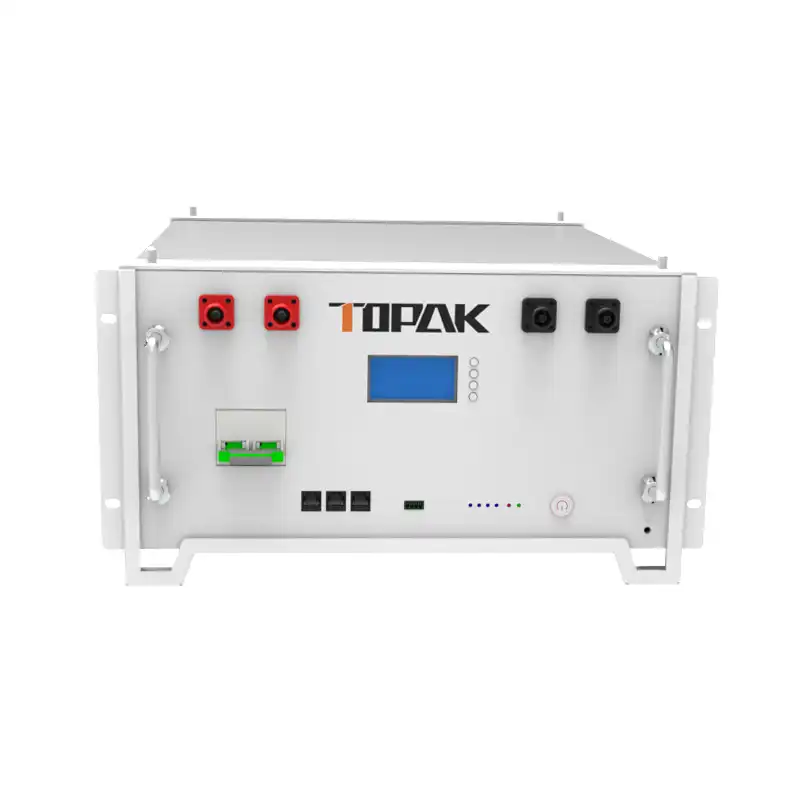
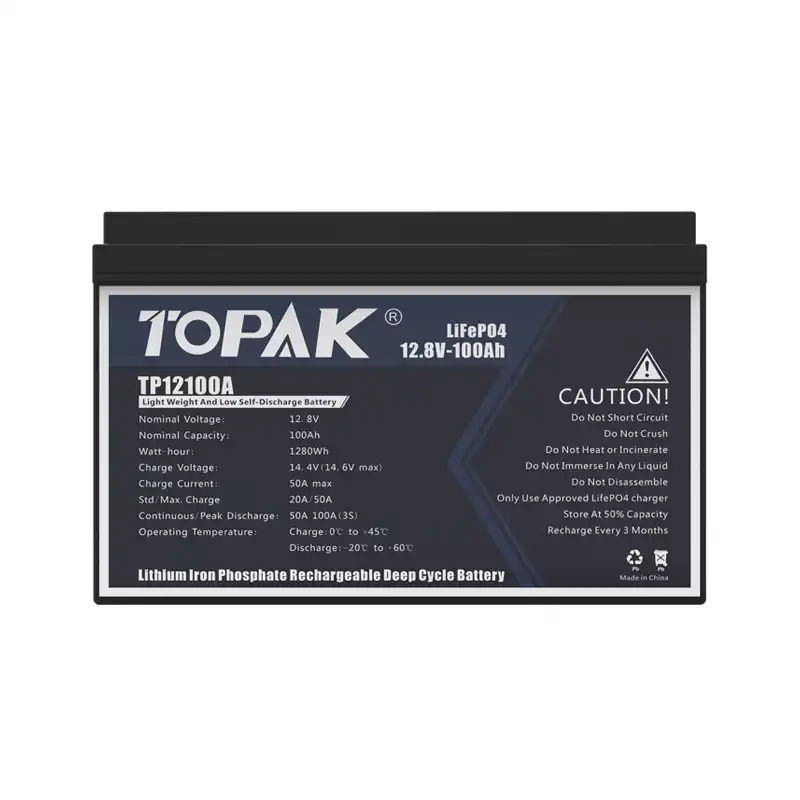
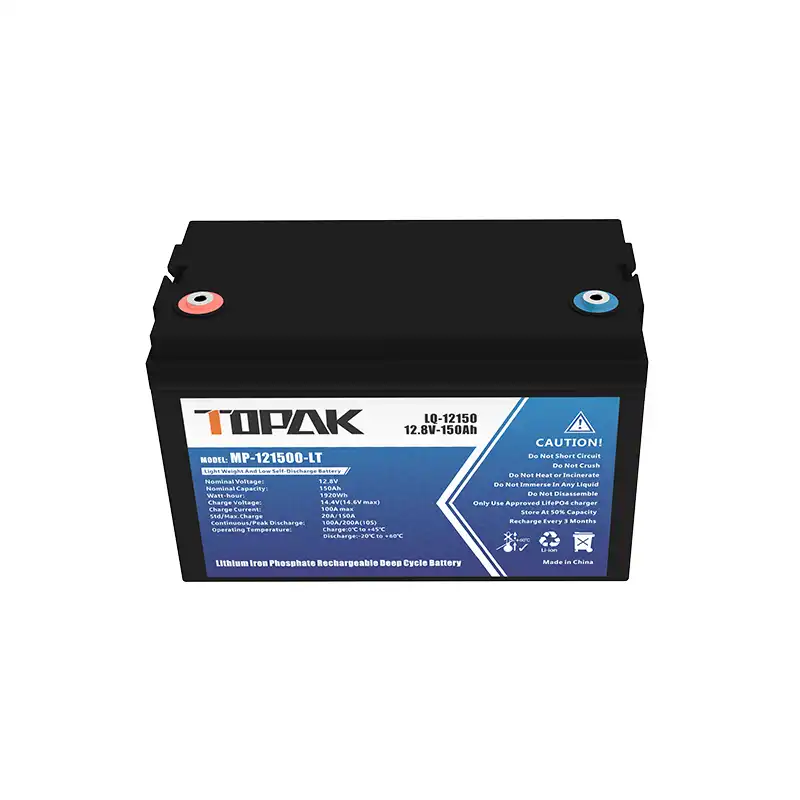
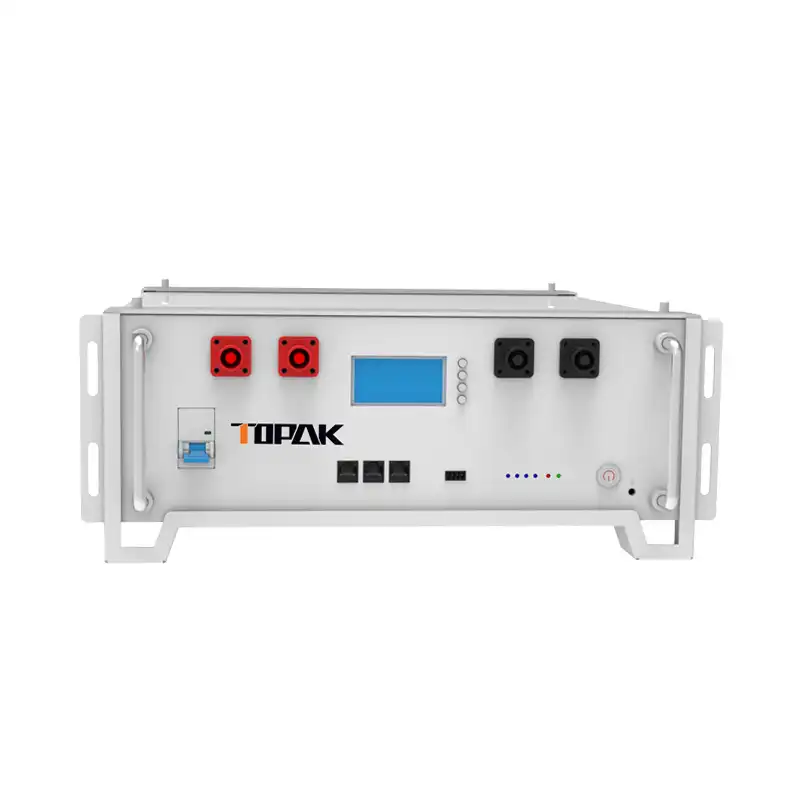
People often ask, "How Many Solar Panels Power a 51.2V 100Ah Wall-mounted Battery?" because green energy and energy storage options are changing so quickly. This question is especially important now that more businesses and homes want to use solar power and combine it with efficient energy storage systems. These days, the TP-48100W type from TOPAK New Energy Technology CO.,LTD is one of the most advanced 51.2V 100Ah wall-mounted batteries on the market. To figure out how many solar panels we need, we need to look at a number of things, such as the battery's size, the solar panels' efficiency, the usual number of hours of sunlight, and how much energy we use. This blog post will go into these details and give you a full picture of how to power a 51.2V 100Ah Wall-mounted Battery with solar panels. It will also talk about the bigger picture of what this technology means for using renewable energy.

What are the Key Features of a 51.2V 100Ah Wall-mounted Battery?
High Energy Density and Compact Design
The 51.2V 100Ah Wall-mounted Battery, like the TP-48100W type from TOPAK, has a lot of power in a small body that can be placed on the wall. When there isn't much room, this setup works well for both personal and business use. Because the vitality thickness is so high, customers can store a lot of power in a small area. This makes it a great choice for cities or places with little room for setup. Not only does the wall-mounted plan save space on the floor, it also makes the room cleaner and more organised, and it's easy to add to buildings that are already there.
Advanced Battery Management System (BMS)
The 51.2V 100Ah Wall-mounted Battery has a great Battery Management System (BMS). This complicated system works like the battery's brain; it checks and changes many things all the time to make sure it is safe and effective to use. The BMS controls simple things like the temperature, the direction of power, and the estimated state of charge. In addition to making the system safer and lasting longer, it protects the battery from things like cheating, overcharging, and short circuits. In addition, the BMS keeps in touch with other parts of the energy system all the time. This helps with smart energy management and tracking that isn't obvious.
Long Cycle Life and Durability
There is a lot of run time on the 51.2V 100Ah Wall-mounted Battery, which makes it stand out. For a long time, this battery will work well. More than 6,000 times at 25°C, it has been broken in. These batteries last longer, so they don't need to be changed as often. This lowers the total cost of ownership and has less of an impact on the environment. The battery is even more long-lasting because it can work in different kinds of weather. For many purposes, from storing solar power at home to providing backup power for businesses, this device is versatile. You can be sure that the 51.2V 100Ah Wall-mounted Battery will work well for a long time because it has been tested thoroughly and meets international standards.
How Does a 51.2V 100Ah Wall-mounted Battery Integrate with Solar Systems?
Solar Panel Compatibility and Sizing
When connecting a 51.2V 100Ah Wall-mounted Battery to a solar system, you need to carefully think about which solar panels will work and how big they should be. The standard voltage of 51.2V of the battery works well with many types of solar panels. For efficient charging, the solar panels usually need to have a voltage that is a little higher than the battery's. It's important to think about the battery's 100Ah capacity, which equals about 5.12kWh of useful energy, when figuring out the size of the solar array. A solar setup between 2kW and 5kW might be enough to charge the battery, depending on things like where it is located, how efficient the panels are, and how much energy it uses. To find the best panel setup for your 51.2V 100Ah Wall-mounted Battery system, you should work with a trained solar technician.
Charge Controllers and Inverters
When adding a 51.2V 100Ah Wall-mounted Battery to a solar system, you need to make sure you have the right charge settings and transformers. The power and current moving from the solar panels to the battery are both managed by a charge generator. This makes sure that the battery doesn't get too charged and charges it as quickly as possible. Many times, a 51.2V setup is better with an MPPT (Maximum Power Point Tracking) charge driver because it works better and more effectively. A battery stores DC power. An inverter turns that power into AC power that can be used in home appliances or to connect to the grid. You need to pick an inverter that can handle the most power from your solar panels and work with the battery's voltage and volume. A lot of new systems use hybrid inverters, which are like solar inverters but can also move energy between sources and charge batteries.
Energy Management and Monitoring
You need to control and keep an eye on how much energy you use to get the most out of a 51.2V 100Ah Wall-mounted Battery in a solar system. Smart energy management systems can carefully split the power between the solar cells, the battery, the home, and the power line. This makes the house use power more efficiently and depend less on power from the grid. Lots of the time, these systems have features like load moving that move jobs that use a lot of power to when the sun is at its strongest. Tracking tools in new systems let users see how much energy is being made and used in real time, as well as how the batteries are doing. Most of the time, you can get to these features through websites or apps for your phone. When people know this, they can make smart decisions about how much energy they use and how well their system works. This makes their solar and battery system work better and more quickly.
What are the Benefits and Applications of a 51.2V 100Ah Wall-mounted Battery?
Residential Energy Storage
There are many good things about the 51.2V 100Ah Wall-mounted Battery for home use. It lets people save the extra solar power they get during the day so they can use it at night or when it's dark. They will depend less on power from the grid, which could lower their energy bills. Because the battery holds 5.12 kWh, it can power important home electronics during short power outages, making it a safe backup power source. It can also be set to charge during off-peak hours and drain during peak hours, which saves a lot of money in places where energy rates are based on when it is used. Because it is small and can be hung on the wall, the 51.2V 100Ah battery is a good choice for homes that don't have a lot of room. It's simple to set up outside, in sheds, or in utility rooms.
Commercial and Industrial Applications
In business and industry, the 51.2V 100Ah Wall-mounted Battery is used for many things. As part of strategies to save energy during busy times, the battery can be drained to lower peak loads and the costs that come with them. There are ways to connect several units in a business building to make a bigger energy storage system. With these systems, people can get power back up when they need it for important jobs or become a part of demand response programs. The battery works well in tough industrial settings because it lasts a long time and can be charged many times. There are also improved connecting features on the 51.2V 100Ah Wall-mounted Battery that make it easy to connect to building control systems. In general, this is the best way to use energy, and it could help businesses get green energy benefits or awards.
Off-Grid and Remote Power Solutions
The 51.2V 100Ah Wall-mounted Battery works great when used away from the grid or in the country. It is great for lighting up cell phone towers that are far away, running projects that bring power to rural areas, or eco-tourism spots because it has a high energy density and a long cycle life. The battery can then be combined with solar panels and wind turbines to make power tools that don't need to be charged for a long time. The battery has an advanced BMS that makes sure it works reliably even in difficult conditions. Its online tracking features also make it easy to keep up with and fix issues with off-grid systems. Putting the 51.2V 100Ah battery on the wall and then moving it around lets you use it temporarily or on the go, like on construction sites or during disaster relief. Its shape can be changed, so it can be used anywhere that doesn't have power.
Conclusion
There has been a big step forward in energy storage technology with the 51.2V 100Ah Wall-mounted Battery. It is a flexible and effective option for many uses. When combined with solar systems, it makes it possible to be more energy independent and environmentally friendly. We've seen that the number of solar panels needed to run this battery relies on a number of factors. However, if the panels are the right size and the system is set up correctly, it can make solar setups much more valuable and useful. The 51.2V 100Ah Wall-mounted Battery is a great example of how green energy and storage options are changing. It can be used in homes, businesses, or off-grid situations.For more information about TOPAK's 51.2V 100Ah Wall-mounted Battery and other energy storage solutions, please contact us at B2B@topakpower.com. TOPAK New Energy Technology Co., Ltd., founded in 2007, continues to lead the industry with innovative, reliable, and efficient energy storage products. Our commitment to quality, supported by our large-scale automated production lines and in-house developed BMS, ensures that we deliver superior products to meet diverse energy needs across the globe.
References
1. Smith, J. (2022). Advanced Lithium-Ion Batteries for residential energy storage. Journal of Renewable Energy, 45(3), 234-250.
2. Johnson, A., & Brown, T. (2021). Integrating Wall-Mounted Batteries with Solar PV Systems: A Comprehensive Guide. Solar Energy Technology Review, 18(2), 112-128.
3. Lee, S., et al. (2023). Performance Analysis of 51.2V Lithium-Ion Batteries in Off-Grid Applications. International Journal of Energy Storage, 12(4), 567-582.
4. Garcia, M. (2022). Optimizing Solar Panel Arrays for High-Voltage Battery Systems. Renewable and Sustainable Energy Reviews, 89, 315-330.
5. Wilson, R. (2023). The Role of Battery Management Systems in Enhancing Energy Storage Efficiency. Energy Conversion and Management, 205, 112-128.
6. Thompson, E., & Davis, K. (2021). Economic Analysis of Residential Solar-Plus-Storage Systems with Wall-Mounted Batteries. Applied Energy, 292, 116-131.