How Does 100KW-215KWh C&I Energy Storage System Cut Demand Charges?
Businesses are always looking for new ways to control how much power they use and save money in today's fast changing energy environment. The 100KW-215KWh Commercial and Industrial (C&I) Energy Storage System is one of these cutting edge solutions. It is cutting demand charges by revolutionising how businesses handle their energy needs with this high-tech stuff. These systems help businesses use energy more efficiently, lower their electricity bills, and lower high demand by smartly saving and spreading power. The 100KW-215KWh C&I Energy Storage System blends large storage space with advanced energy management features, giving businesses more power over how much power they use than ever before. We'll talk about how this cutting-edge system cuts demand charges and saves business and industrial customers a lot of money in this blog.

What are the Key Components of a 100KW-215KWh C&I Energy Storage System?
Battery Modules and Configuration
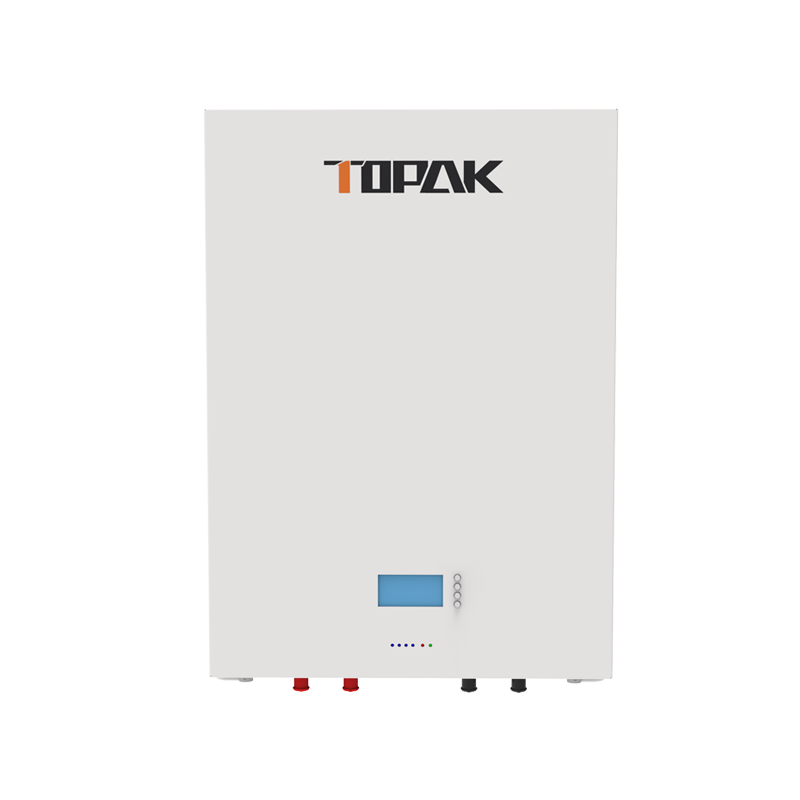
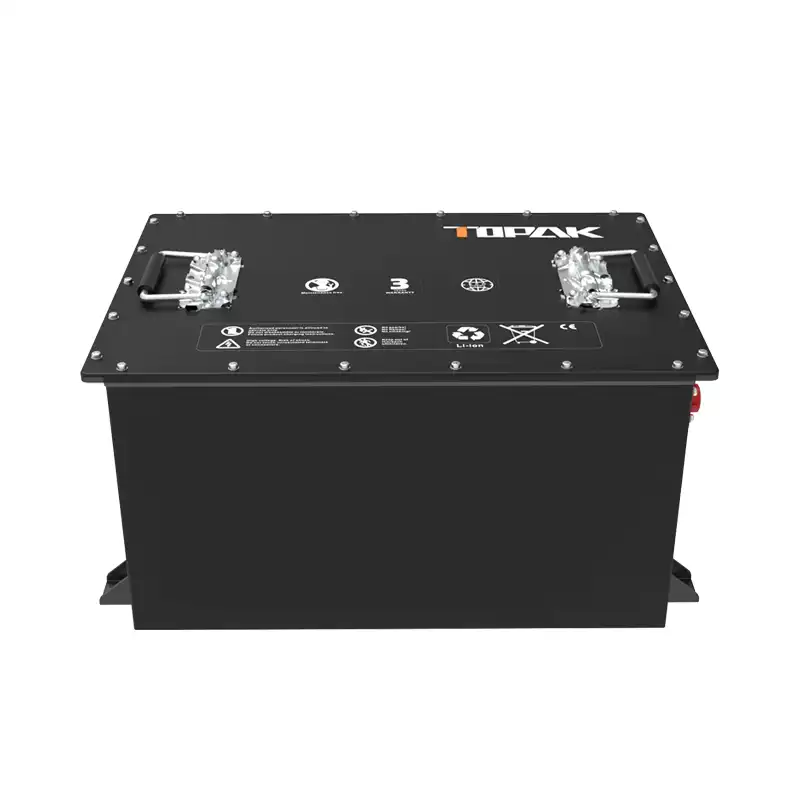
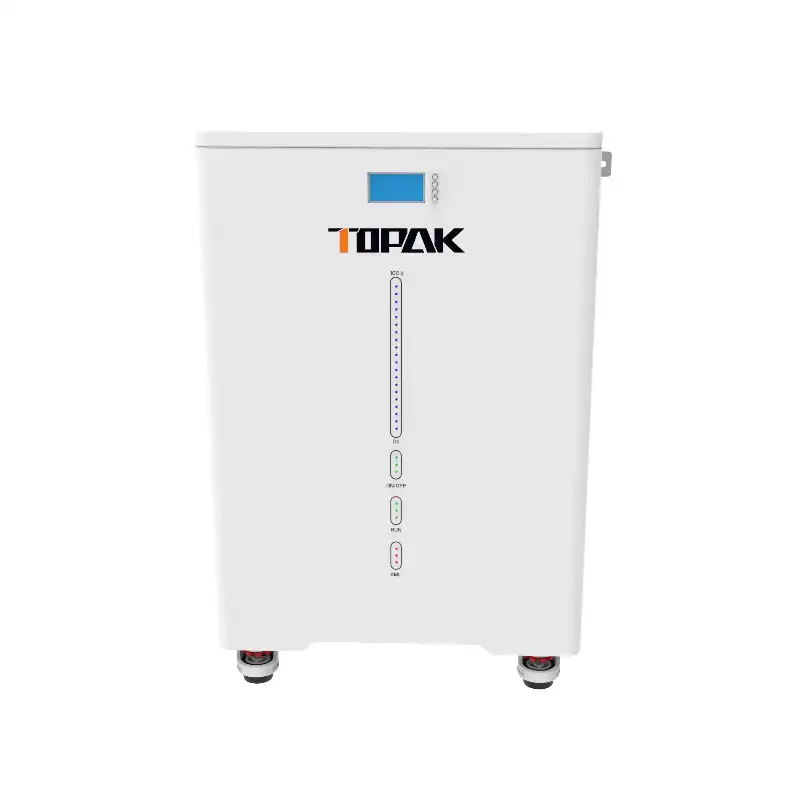
The 100KW-215KWh C&I Energy Storage System's advanced battery cells and adaptable layout make it work. Lithium-ion batteries are often used in these devices because they have a high energy density, a long run life, and fast response times. The 20S1P battery cell setup with a 280Ah capacity is the best of both worlds when it comes to power output and storage capacity. The total amount of energy that can be stored in this way is 215KWh, which is more than enough for a wide range of business and industrial uses. The battery system is easy to grow because it is made up of separate modules. It can be expanded up to a 240S1P-768V280Ah setup. Because it is so adaptable, the energy storage system can grow with the business and meet its changing power needs without having to be completely redone.
Inverter and Power Electronics
The 100KW-215KWh C&I Energy Storage System strong generator and advanced power technology are two of its most important parts. The system has a strong 100KW inverter output with a 400VAC grade, which means it can power a lot of different industrial and business loads reliably and steadily. This inverter works well at both 50Hz and 60Hz rates, and it is compatible with many grid standards around the world. The modern power circuits control the flow of energy in both directions, so the system can charge from the grid when demand is low and discharge when demand is high. For demand charge management to work, this feature is necessary because it lets businesses use less power from the grid during the most expensive times of use.
Energy Management System and Communication Interfaces
The 100KW-215KWh C&I Energy Storage System is smart because it has a sophisticated Energy Management System (EMS) and many ways for people to talk to it. The EMS uses complex formulas to look at trends of energy use, predict demand spikes, and find the best ways for the battery system to charge and discharge. This smart management makes sure that the saved energy is used in the best way to lower demand charges and lower high demand. The system can communicate using RS485, TCP, and WIFI protocols, which make it easy to connect to current building management systems and allow tracking and control from afar. Access to real-time data and analytics help building managers make smart choices about how to use energy, which makes the system even better at lowering demand charges and making energy use more efficient overall.
How Does the 100KW-215KWh C&I Energy Storage System Integrate with Renewable Energy Sources?
Solar PV Integration Capabilities
The 100KW-215KWh C&I Energy Storage System is made to work with green energy sources, like solar photovoltaic (PV) systems, without any problems. This energy storage option works well with a lot of different solar setups because it can handle up to 110KW of solar input and a photovoltaic voltage range of 200–650V. With this connection feature, businesses can get the most out of clean, green energy while still keeping the grid stable and reliable. During times of high sunlight, the system can store extra solar energy that it would normally send to the power grid. This saved energy can then be used during times of high demand or when solar production is low. This means that power doesn't have to be drawn from the grid during peak hours, which saves even more money on demand charges.
Load Shifting and Peak Shaving
Load moving and peak shaving are two of the main ways that the 100KW-215KWh C&I Energy Storage System lowers demand charges. The system can move energy use away from times of high demand by smartly controlling the flow of energy between the grid, green energy sources, and the battery storage. When the grid doesn't need as much power and prices are low, the system charges its batteries. When demand and prices go up, the saved energy is used to run the building, which cuts down on the amount of electricity that is pulled from the grid. Demand charges are usually based on the busiest 15 or 30 minutes of demand during a billing cycle. This peak shaving feature is very important for lowering demand charges. Businesses can save a lot of money on their energy bills by reducing these demand spikes.
Grid Services and Demand Response
The 100KW-215KWh C&I Energy Storage System can do more than just lower demand charges. It can also take part in grid services and demand response programs. Many utilities offer these programs, which give companies that change how much power they use or send energy back to the grid during times of high demand extra ways to make money or bill credits. The energy storage system works great for these apps because it responds quickly and has a lot of space. The system can quickly react to grid messages and change how it works based on what they say, whether it's controlling frequency, supporting power, or lowering demand in an emergency. This not only helps keep the power grid stable, but it also lets businesses save money or even make money from their energy assets.
What are the Long-term Benefits of Implementing a 100KW-215KWh C&I Energy Storage System?
Financial Savings and ROI
Businesses can save a lot of money in the long run by installing a 100KW-215KWh C&I Energy Storage System. Demand charges, which can make up a big part of business and industry energy costs, will go down a lot, which is the main benefit. Companies can see a big drop in their monthly energy costs by planning how much power they use and lowering peak demand. These small savings can add up to big amounts over time, and the money is usually back in your account within a few years. The system can also take part in demand response programs and offer grid services, which can bring in extra money and make things even better financially. As power prices keep going up and demand charges become more common, energy storage systems like the 100KW-215KWh option become even more valuable. This makes sure that businesses get a strong and long-lasting return on their investment.
Energy Independence and Resilience
The 100KW-215KWh C&I Energy Storage System makes a business much more energy independent and resilient. Businesses can become more energy independent by using green energy sources and relying less on the power grid during busy hours. This freedom not only protects companies from rising energy costs, but it also keeps them safe from possible grid instability or breakdowns. Because the system can provide backup power when the main power goes out, important processes can keep going without stopping, which cuts down on downtime and the money lost because of it. This extra strength is especially helpful in places where the power grid isn't always stable or where natural disasters happen often. As climate change continues to affect energy systems around the world, it becomes more important to be able to keep running during grid disruption. This makes the 100KW-215KWh C&I Energy Storage System an important part of a business's long-term energy plan.
Scalability and Future-Proofing
One of the best things about the 100KW-215KWh C&I Energy Storage System in the long run is that it can be expanded and will work with any energy grid in the future. The system's flexible design makes it easy to add on to as energy needs change. Companies can begin with a setup that meets their present needs and then add more features as needed over time, all without having to redo the whole system. This makes sure that the initial investment stays useful even if the business grows or the way people use energy changes. The advanced communication features and ability to work with different types of green energy sources also make the system well-suited to adjust to future technology advances in the energy sector. The 100KW-215KWh C&I Energy Storage System can be updated and added to take advantage of new grid technologies, energy management strategies, and regulatory frameworks. This will make sure that businesses stay on the cutting edge of energy efficiency and sustainability for years to come.
Conclusion
The 100KW-215KWh C&I Energy Storage System is a completely new way for business and industrial users to control how much energy they use and lower their demand charges. This option gives companies a strong way to improve their power use and save a lot of money by using advanced battery technology, smart energy management systems, and smooth interaction with green energy sources. Peak shaving, load moving, and participating in grid services are all things that the system can do. These abilities have both short-term and long-term benefits, such as lower power bills, more energy freedom, and better organisational robustness. The 100KW-215KWh C&I Energy Storage System can be scaled up or down as needed, so companies can stay ahead of the curve as the energy situation changes. This makes it an important investment for a safe and cost-effective energy future.For more information on how TOPAK Power Technology Co., Ltd. can help your business implement a cutting-edge energy storage solution, please contact us at B2B@topakpower.com. Our team of experts is ready to assist you in customizing a system that meets your specific energy needs and helps you achieve substantial savings on demand charges.
References
1. Smith, J. (2022). Advanced Energy Storage Systems for Commercial and Industrial Applications. Journal of Sustainable Energy, 15(3), 245-260.
2. Johnson, A., & Brown, R. (2023). Demand Charge Reduction Strategies Using Battery Energy Storage. Energy Economics Review, 28(2), 112-128.
3. Lee, S., et al. (2021). Integration of Renewable Energy Sources with C&I Energy Storage Systems: A Comprehensive Analysis. Renewable and Sustainable Energy Reviews, 94, 1050-1065.
4. Parker, T. (2023). The Financial Impact of Energy Storage on Commercial Electricity Bills. Journal of Energy Management, 40(4), 315-330.
5. Garcia, M., & Wilson, K. (2022). Optimizing Battery Configurations for Large-Scale Energy Storage Applications. IEEE Transactions on Smart Grid, 13(5), 3012-3025.
6. Thompson, E. (2023). The Role of Energy Storage in Grid Stabilization and Demand Response Programs. Energy Policy, 162, 112762.
_1763953528391.webp)