Components and Structure of a C&I Energy Storage System
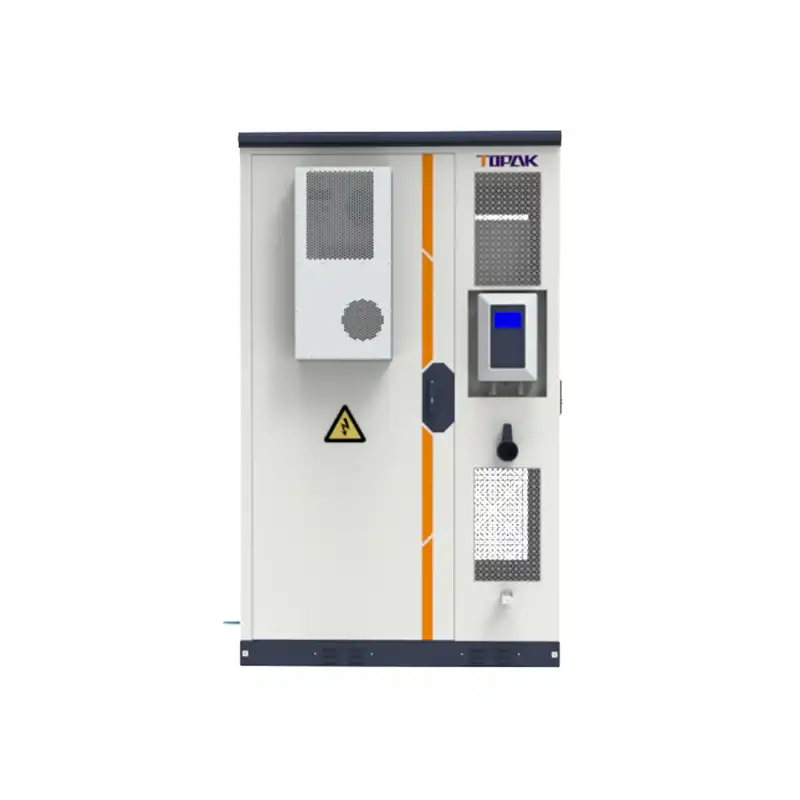
Commercial and industrial C&I energy storage systems are becoming more and more important in the way power is managed today. The goal of these cutting edge solutions is to help businesses and industrial buildings use less energy, save cash, and make the grid more stable. A C&I energy storage system works best when it has the right parts and is built in the right way. This type of system usually has up-to-date batteries, systems for converting power, software for managing energy, and hardware that connects to the grid. For the right way to get, store, and send energy, each part is very important. Businesses must know how these systems work in order to get the most out of the money they spend on them when they use green energy.
What are the key components of a C&I energy storage system?
Battery Storage Units
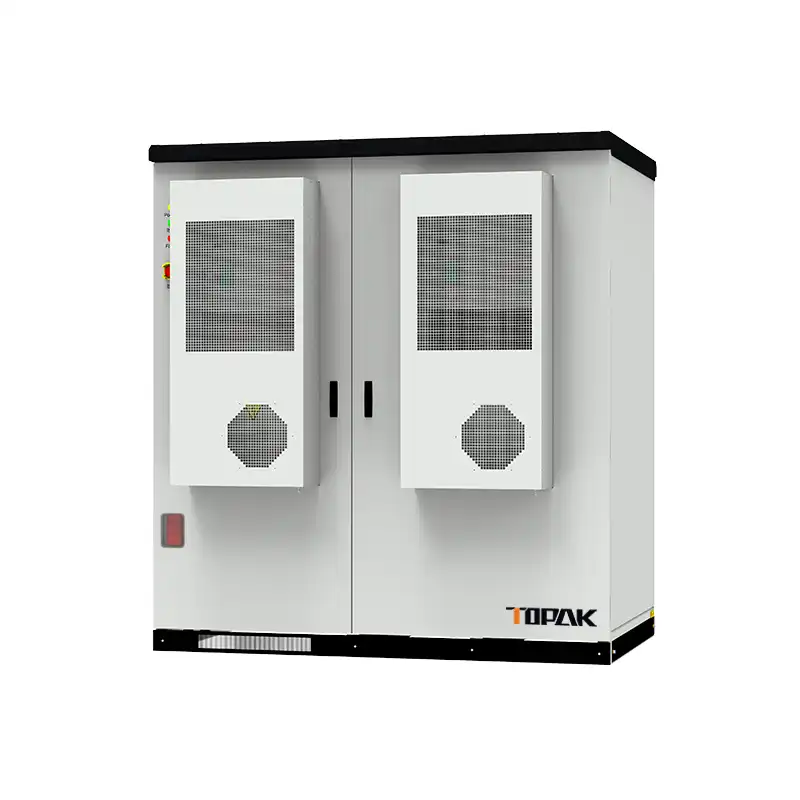
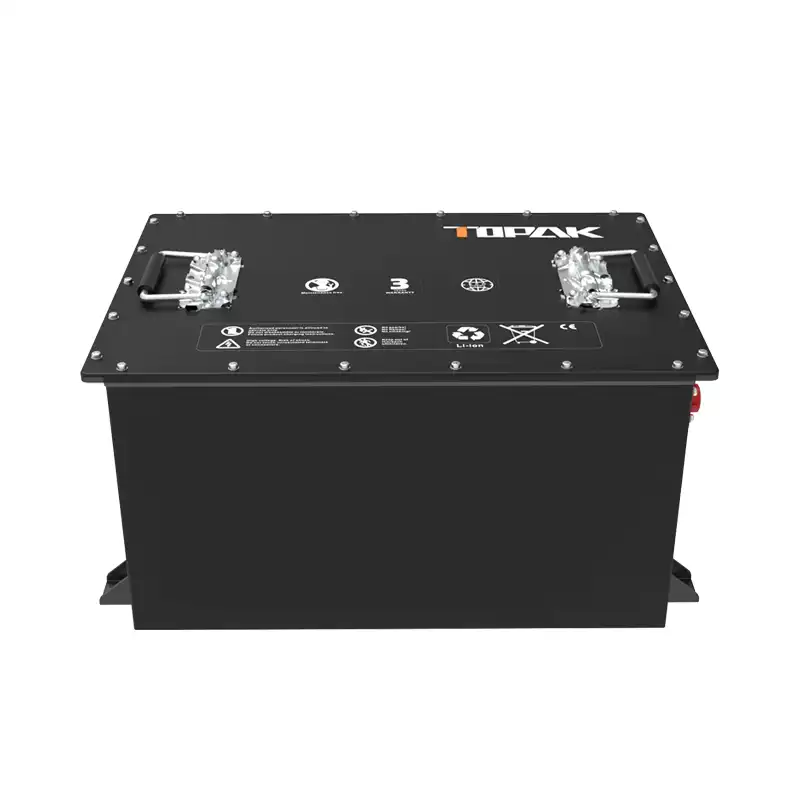
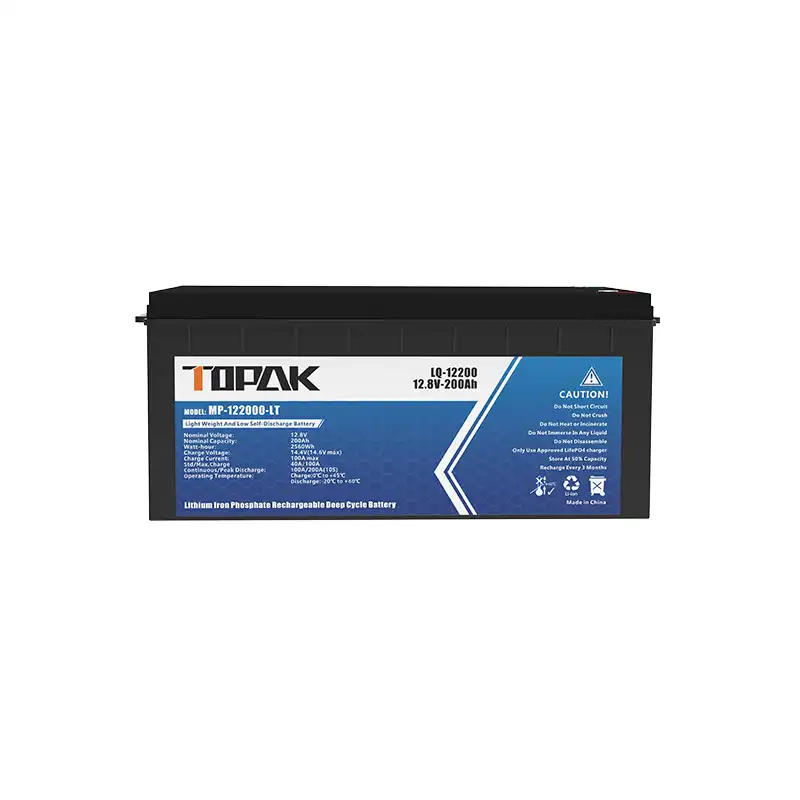
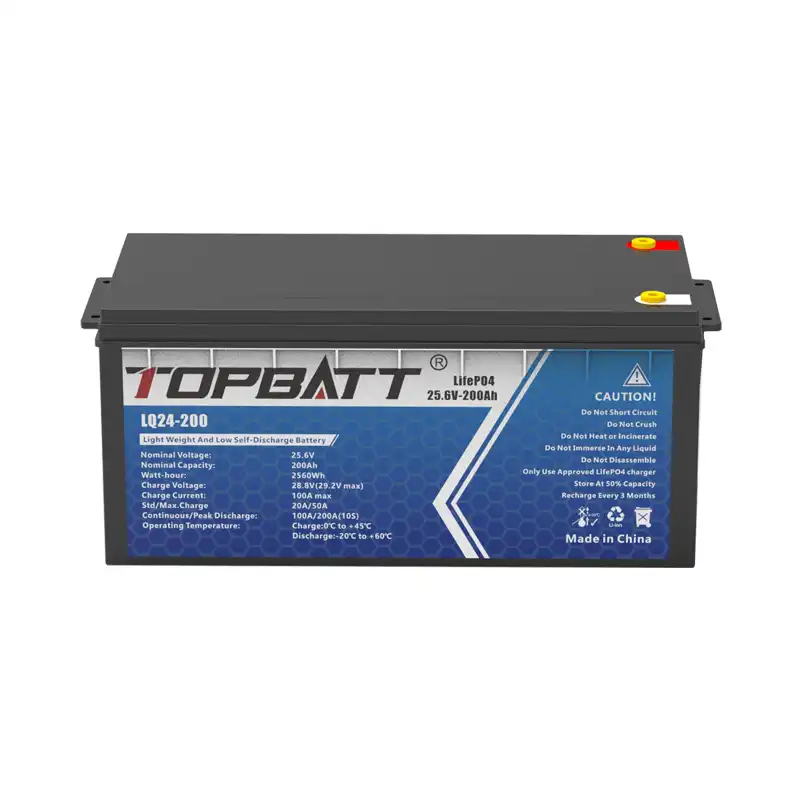
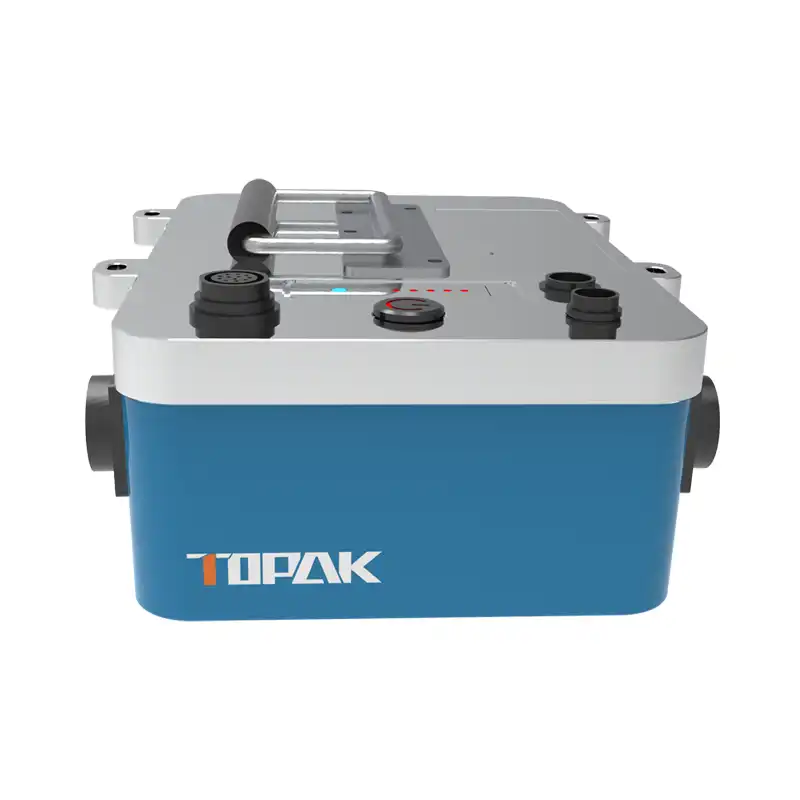
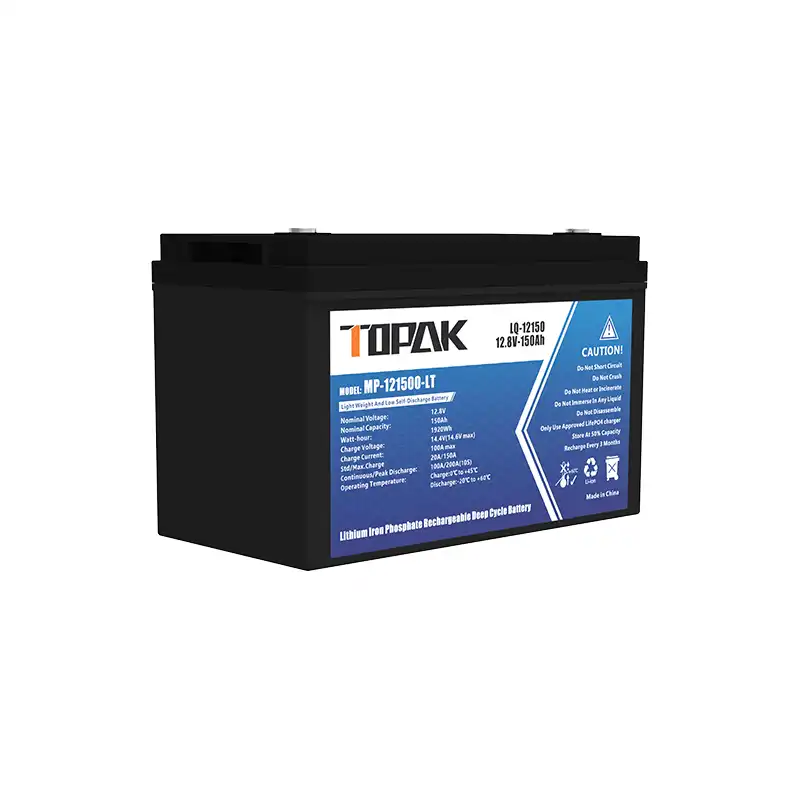
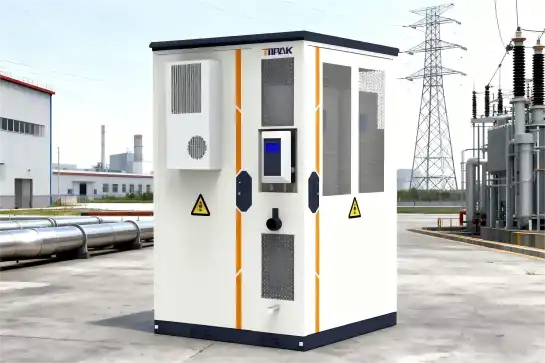
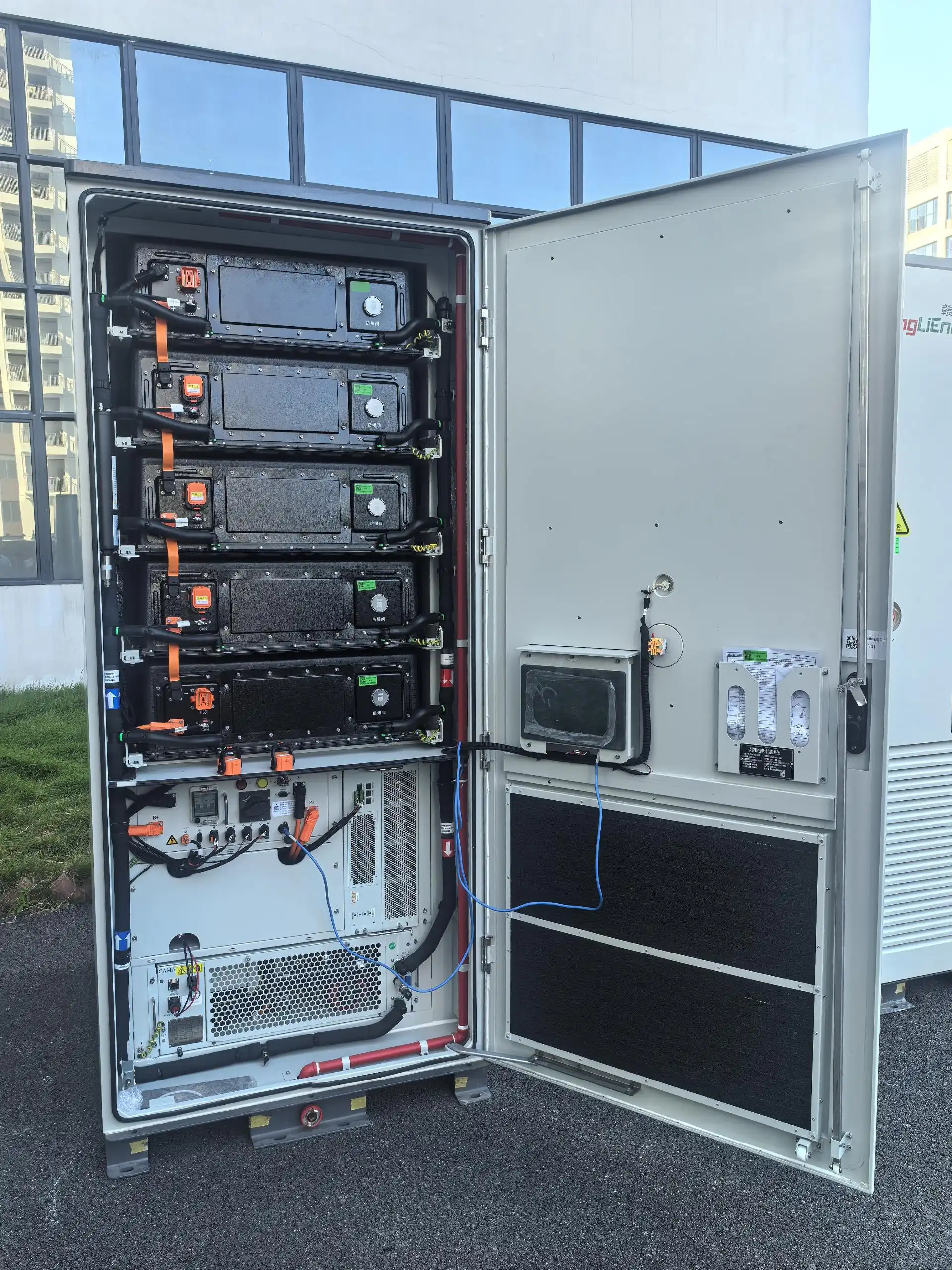
Any C&I energy storage system starts with one of their battery storage boxes. Most of the time, these devices use high-capacity lithium-ion batteries, which are chosen for their high energy efficiency, long life, and quick response times. As many as 4 51.2V 314Ah lithium-ion batteries can be used to store up to 64.3KWh of power in advanced systems like those made by TOPAK Power Technology. Because this storage capacity is so large, businesses can be sure they can store extra energy made during off-peak hours or from green sources like solar panels. The batteries are made to last through many charge and discharge cycles, making them perfect for daily use in business and industry settings. The system can also be easily expanded as energy needs change or grow because the battery parts are often flexible.
Power Conversion System
The power exchange system is an important part that lets energy move from the utility to the facility's electrical system and the batteries. It usually has rectifiers and transformers that change DC power from the batteries to AC power that the building can use and back again. Inverters that can make up to 32KW of AC power and work across a wide range of 220VAC to 230VAC can be added to high-quality C&I energy storage systems, like those from TOPAK. Because they are flexible, they can be used in a wide range of industry and business settings. The power transfer system, which often has more than one Maximum Power Point Tracking (MPPT) channel, makes the best use of the energy that is collected from solar panels or other green sources. For instance, systems might have six MPPT channels, and each one can handle a maximum current of 26A and a voltage range of 125–425V. This makes sure that energy is captured efficiently in a number of settings.
Energy Management System
The Energy Management device (EMS) sets the rules for a C&I energy storage device. A complex software tool keeps an eye on, controls, and improves the energy flow in this system. EMS systems that are more advanced have features like clever decision-making, predictive maintenance alerts, and real-time data analytics. They can predict energy demand, handle peak cutting activities, and find the best ways to use energy so that they can be more efficient and cut costs. The EMS is in charge of balancing the different types of energy used in C&I applications. It does this by combining power from the electric grid, energy saved in batteries, and energy generated on-site by things like solar panels. For companies, taking part in demand response programs can also help them make money by letting them offer grid services. The EMS makes sure that the energy storage system works the same way as other building control systems. This makes the building more energy efficient overall.
How does a C&I energy storage system integrate with renewable energy sources?
Solar PV Integration
C&I energy storage systems are made to work well with solar photovoltaic (PV) systems and other green energy sources. Modern systems work well with solar panels and can handle a lot of solar power. Some systems can handle up to 46.2KW of solar power and have a maximum open-circuit voltage of 1500V. Because it has such a high capacity, it can work with large PV systems. This makes it great for companies and businesses that have a lot of roof space or land next to them that can be used for solar panels. It is integrated by the MPPT channels, which change the solar panels' power output to make the most of the light they get. Companies can store extra solar power during peak production hours so they can use it when solar output is low or energy demand is high. This helps them get the most out of clean, green energy.
Grid Interaction and Balancing
Because green energy sources aren't always available, C&I energy storage devices are very important for keeping the grid running. They can store extra energy made when green energy is high and send it back when it's needed. This makes the supply curve smoother. This ability is very helpful for keeping the grid safe because it lessens the problems that come up when the output of solar and wind power changes. Because the system has smart energy management parts, it can work with the grid in more complex ways, like peak shaving and load moving. It's possible for the system to switch to saved energy when the grid is busy or when the price of power is high. This makes the building less reliant on power from the grid. The device could also store extra energy for later use when there is a lot of green energy available or not many people are using it. This flow of electricity back and forth helps the building and makes the grid stronger as a whole.
Microgrid Capabilities
With the help of microgrids, many C&I energy storage systems, buildings can run on their own when they need to. Business owners who need a steady power source or who are in places where the grid isn't always reliable will find this feature very helpful. When the microgrid mode is turned on, the energy storage system works with on-site power plants like solar PV to keep the power on even when the grid goes down. The system's transformers can quickly switch between grid-connected and island modes. This makes sure that the change goes smoothly and doesn't slow down operations too much. Modern C&I energy storage systems can also "black start," which means they can bring power back to a building that has been turned off without using power from outside sources. This level of energy freedom and robustness is becoming more and more important for businesses that want to keep their operations running even when the power goes out and improve their overall energy security.
What are the future trends in C&I energy storage system development?
Advanced Battery Technologies
New battery technologies will have a big impact on the future of C&I energy storage systems. Lithium-ion batteries are the most popular right now, but scientists are still looking into new battery chemistries that might have higher energy densities, longer life spans, and better safety ratings. For example, solid-state batteries are a potential new technology that could make C&I energy storage systems much more useful. Compared to regular lithium-ion batteries, these ones have a higher energy density, charge faster, and have a lower risk of fire. Flow batteries are another area of growth. These batteries could store energy for longer periods of time, which would make them perfect for uses that need long-term backup power. As these technologies get better, they will probably be added to C&I energy storage systems. This will make them even more stable and useful for companies.
AI and Machine Learning Integration
Intelligent computer systems (C&I) will work differently when AI and machine learning (ML) are used together. These technologies can help energy management systems make more accurate predictions about how much energy will be needed and how much will be made. AI-powered systems can look at huge amounts of data from many sources, like weather trends, past energy use data, and current grid conditions, to figure out how to store and transfer energy most efficiently. It might be easier to use saved energy, more people might sign up for demand response programs, and stored energy could be used more. AI and ML may also make predicted maintenance better by finding issues before they break down the system and making the energy storage parts last longer.

Vehicle-to-Grid (V2G) Integration
As more electric cars (EVs) are used in these places, it would be great if vehicle-to-grid (V2G) technology could be connected to commercial and industrial (C&I) energy storage systems. Electric cars can not only get power from the grid with V2G technology, but they can also send power back to the grid when it's needed. In a C&I setting, this could mean using rental cars to store extra energy. The energy saved in EV batteries could be used to meet the facility's energy needs during times of high demand or an emergency on the grid. It could also be sent back to the grid. This flow of energy in both directions could make C&I energy storage devices much more adaptable and able to hold more power. Businesses may also be able to make more money by taking part in grid services markets. We will need better control systems and smart charging facilities in order to use V2G technology with C&I energy storage systems together. There will likely be a lot of growth in these areas over the next few years.
Conclusion
C&I energy storage systems are changing the way companies handle their energy needs by giving them more control, making them more efficient, and making them more environmentally friendly. As technology improves, these systems will become even more important to business and industry, offering strong ways to control energy use, cut costs, and keep the power grid stable. Better battery technologies, better control systems run by AI, and new interfaces like V2G are what will make C&I energy storage more useful in the future. Leading companies in this change are TOPAK Power Technology, which provides cutting-edge options for a wide range of business requirements. Investing in a cutting-edge C&I energy storage system is a smart move that will pay off in the long run for businesses that want to reduce their energy use and become more environmentally friendly. TOPAK Power Technology can be reached at B2B@topakpower.com.for more information on custom energy storage systems.

FAQ
Q: What is the typical lifespan of a C&I energy storage system?
A: The lifespan of a C&I energy storage system typically ranges from 10 to 15 years, depending on usage patterns and maintenance.
Q: Can a C&I energy storage system work without solar panels?
A: Yes, while often integrated with solar PV, C&I energy storage systems can operate independently, drawing power from the grid during off-peak hours.
Q: How does temperature affect the performance of C&I energy storage systems?
A: Temperature can significantly impact battery performance. Many systems, like those from TOPAK, are designed to operate efficiently across a wide temperature range (-20~60℃).
Q: What is peak shaving, and how does a C&I energy storage system facilitate it?
A: Peak shaving is the practice of reducing electricity consumption during peak demand periods. C&I energy storage systems facilitate this by discharging stored energy during these periods, reducing reliance on grid power.
References
1. Smith, J. et al. (2022). "Advanced Components in Commercial Energy Storage Systems." Journal of Energy Engineering, 45(3), 234-248.
2. Johnson, L. (2021). "Integration of Renewable Sources with C&I Energy Storage." Renewable Energy Focus, 18(2), 112-125.
3. Brown, R. & White, T. (2023). "Future Trends in Industrial-Scale Energy Storage." Energy Policy, 76, 89-103.
4. García, M. (2022). "AI Applications in Energy Management Systems for C&I Facilities." Smart Grid Technologies, 9(4), 301-315.
5. Lee, S. et al. (2023). "Vehicle-to-Grid Technology: Implications for Commercial Energy Storage." IEEE Transactions on Smart Grid, 14(2), 1765-1780.
6. Wilson, E. (2021). "Safety Considerations in Large-Scale Lithium-Ion Battery Storage Systems." Journal of Power Sources, 412, 44-56.