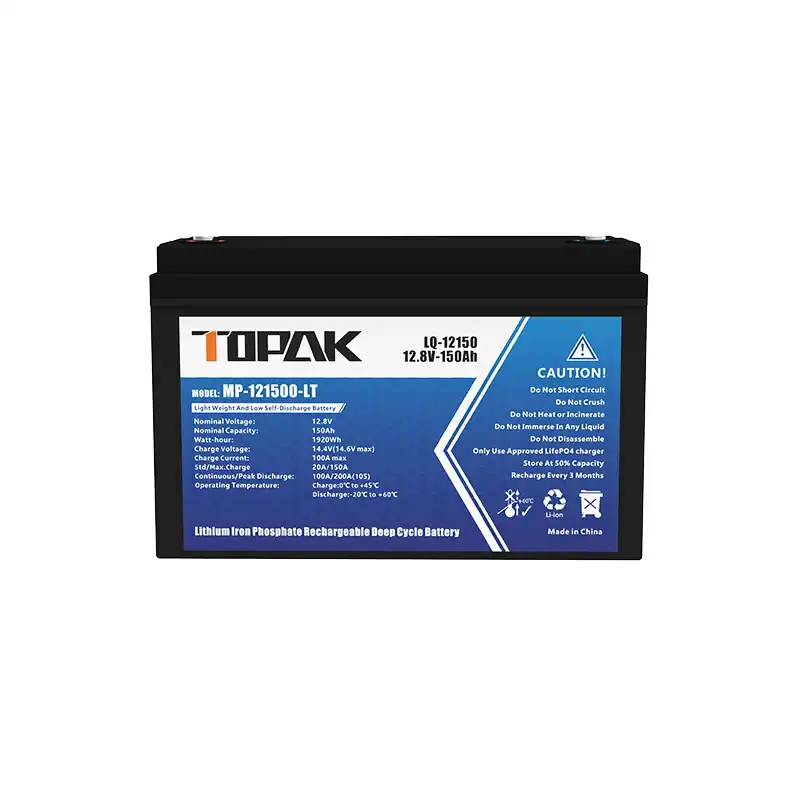
Vertical Battery vs. Horizontal: Performance and Safety Comparison
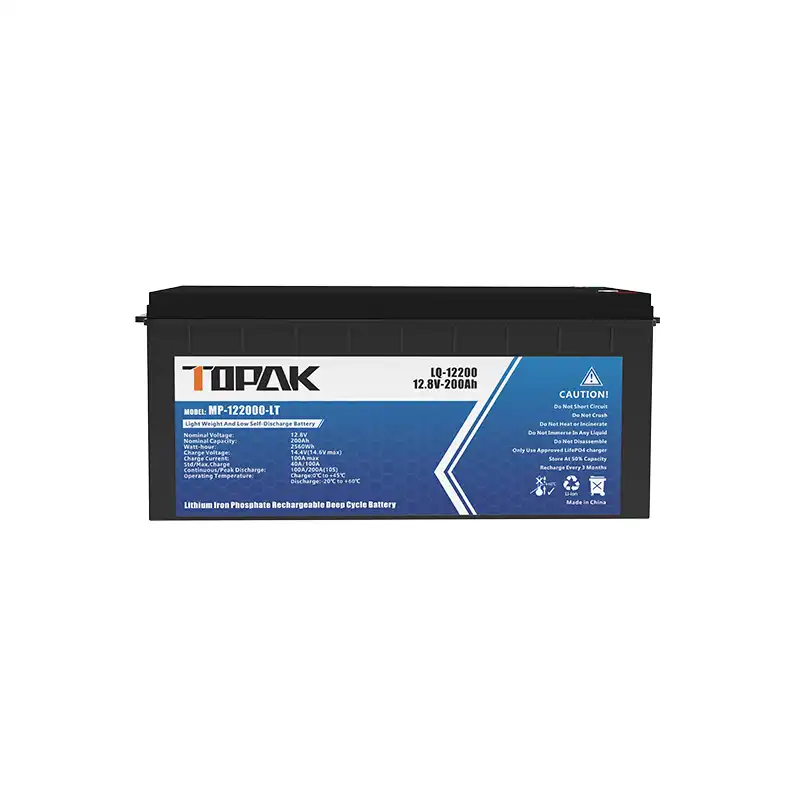
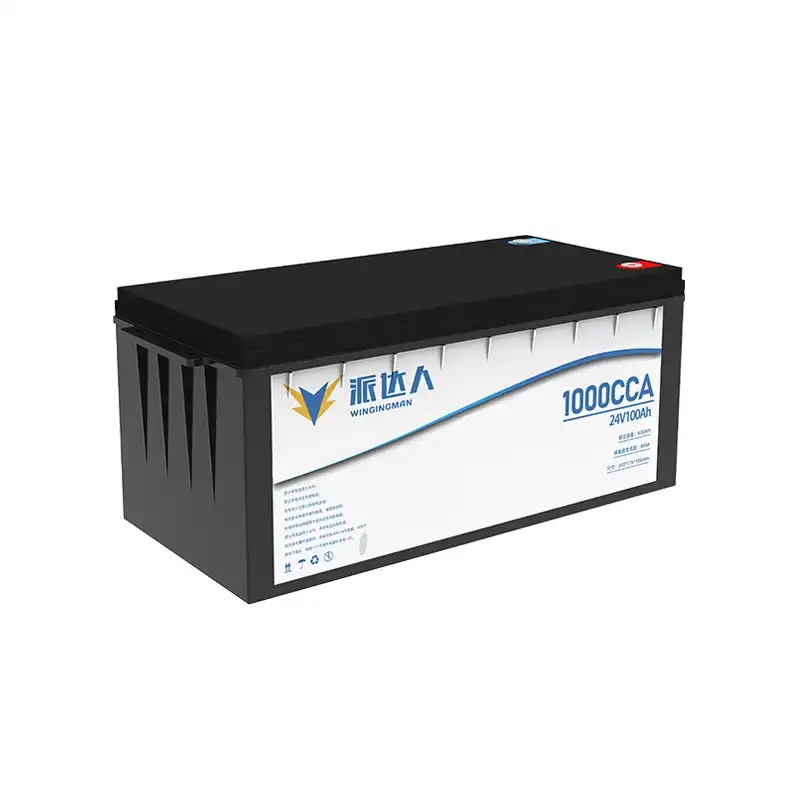
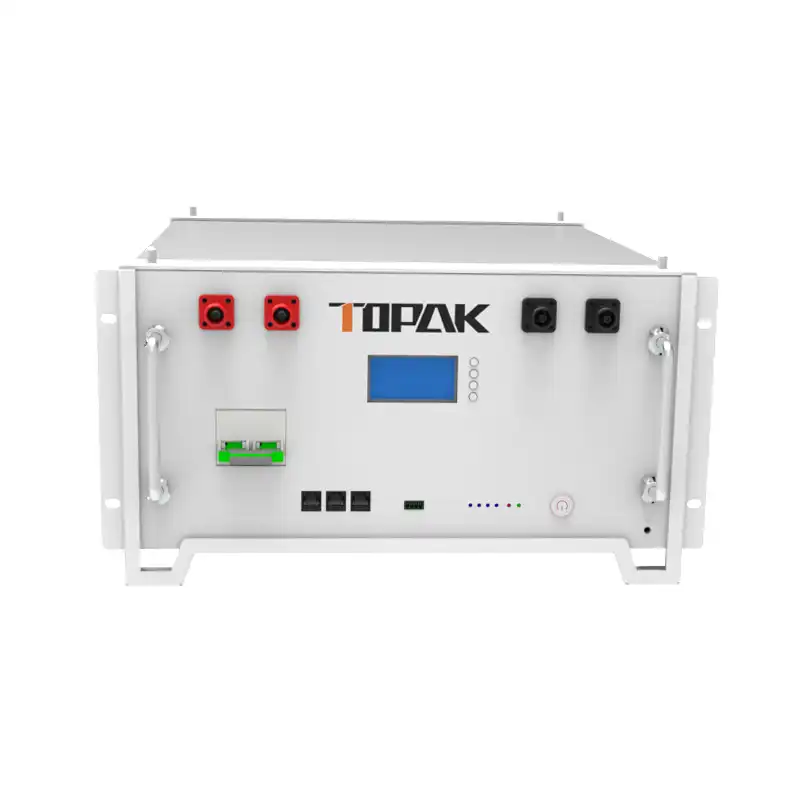
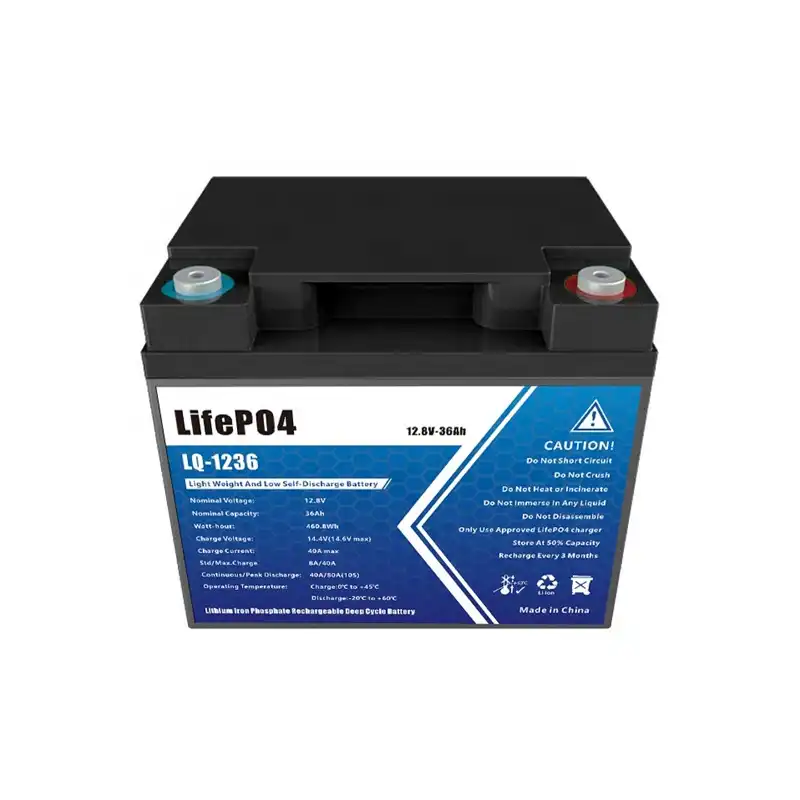
In the ever-evolving landscape of energy storage solutions, the debate between vertical and horizontal battery configurations has gained significant attention. This comparison is crucial for industries and consumers alike, as it directly impacts the performance, safety, and efficiency of battery systems. Vertical batteries, characterized by their upright orientation, offer unique advantages in terms of space utilization and thermal management. On the other hand, horizontal batteries, with their traditional flat layout, have long been the standard in many applications. This blog delves into the intricacies of both configurations, exploring their respective strengths and potential drawbacks. We'll examine how these orientations affect key factors such as energy density, cooling efficiency, and overall system reliability. By understanding these differences, we can better appreciate the engineering considerations that go into modern battery design and make more informed decisions about which configuration best suits specific needs.
What are the key advantages of vertical batteries in energy storage systems?
Enhanced Space Efficiency
When it comes to saving room, vertical batteries are significantly better, especially in situations where floor space is limited. The vertical position of these battery systems makes the most of the available height, which means they take up less space than their horizontal versions. In cities or factories where room is limited, this upright arrangement works especially well. Data centers and telecommunications facilities, for example, can stack vertical batteries efficiently, making floor room available for other equipment. There is also easier access to maintain and repair individual cells because the setup is upright, which could lower downtime and operations costs. Vertical Battery setups are more compatible with a wider range of places and uses because they are smaller and easier to install.

Improved Thermal Management
One of the best things about vertical batteries is that they are better at managing heat. Since heat naturally rises along the battery stack, the vertical position makes natural airflow cooling work better. This natural movement can make active cooling systems much less necessary, which saves energy and makes the system work better overall. When batteries are set up vertically, heat is spread out more evenly across the cells, so there are fewer hot places that can hurt the battery's performance and lifespan. This better control of heat is especially important in high-power situations where heat production is a big problem. The vertical plan also makes it easier to add cooling systems when they are needed, since water can flow more easily through cells that are lined up vertically. This better control of temperature leads to longer battery life, more stable performance, and a lower chance of thermal runaway.
Enhanced Structural Integrity
When compared to horizontal designs, vertical batteries often have better structural stability. There is better load distribution when cells are lined up vertically, which lowers stress on both individual parts and the building as a whole. Vertical batteries are great for use in tough or changing settings because they can last longer and be more resistant to physical shocks and movements. Support systems and containers can be used more effectively because of the vertical structure, which also makes the battery system stronger overall. Some places are more likely to have earthquakes, so vertical batteries are a better way to make sure everything is safe. More than that, the vertical arrangement often makes flexible design possible. Adding or removing vertical stacks makes it easy to change the battery capacity, which gives the system designer more freedom in designing it and making upgrades in the future.
How does the performance of vertical batteries compare to horizontal batteries in various applications?
Energy Density and Capacity
There are several things to consider when considering the energy output and volume of batteries that are set up vertically versus those that are set up horizontally. Most of the time, vertical batteries can hold more energy per square inch of floor space, which is very important in situations where room is limited. This higher density is reached by stacking cells vertically in a way that makes good use of the space available. In many industrial and business settings, this can mean a big boost in the total amount of energy that can be stored without making the building bigger. But it's important to remember that the cells' real energy capacity doesn't change no matter which way they are arranged. The benefit comes from how it is packaged and how the space is set up. Most of the time, bigger or more cells can fit in the same floor space as vertical batteries, which could mean they have a higher overall capacity. Because of this, vertical layouts are great for grid-scale energy storage, where making the most of the space available is very important.
Charging and Discharging Efficiency
There are a few ways in which vertical batteries can be less or more efficient at charging and draining than horizontal batteries. If the cells are arranged vertically, the current may flow more evenly across them, which could make the charging and draining processes more reliable. This precision can help the battery work better and last longer overall. In vertical setups, the way gravity affects the spread of electrolyte can be good, especially in some battery chemistries, as it makes ion movement more efficient. This could lead to faster charging times and more stable power delivery while the battery is being discharged. It's important to keep in mind, though, that the efficiency gains are often system-specific and can be different based on the design and chemistry of the battery. In some situations, vertical layouts might need more advanced battery management systems to fully take advantage of these possible efficiency gains and make sure that all cells in the stack work at their best.

Lifecycle and Maintenance Considerations
When it comes to vertical batteries, the lifetime and maintenance elements are both better and worse than those of horizontal batteries. Better thermal management may help vertical batteries last longer by minimizing the temperature load on the cells. The vertical structure may also make it simpler to get to each cell for repair or replacement, which might cut down on downtime and maintenance expenses. This ease of access is especially useful in big installations where timely repairs are very important. However, vertical arrangements may need stronger structural support and careful planning to avoid problems like cell compression in the bottom levels of huge stacks. Vertical batteries may be better for long-term maintenance since they don't have as many horizontal surfaces, which means less dust and debris may build up. This may be very helpful in factories and other places of business. The vertical design also makes it easier to integrate monitoring systems, which lets you check the operation of each cell more accurately and find problems early on. This helps with proactive maintenance and makes the whole system more reliable.
What safety considerations are unique to vertical battery installations?
Fire Safety and Containment
Fire safety and containment in vertical battery installations have their own set of problems and chances. The vertical arrangement may help keep the fire from spreading horizontally, keeping it more contained in a single stack. This can help stop heat events from quickly spreading over the whole battery system. However, the vertical layout may also help the fire spread more quickly upward, which means that particular fire control tactics are needed. Vertical battery installations frequently need customized fire detection and suppression systems that are designed to fit the particular shape of the arrangement. These might include vertical barriers between stacks, fire-resistant materials put in the right places, and custom sprinkler or gas suppression systems. It is also very important to design the ventilation systems in vertical battery installations so that they can handle both the usual heat production and any smoke or gas that could escape in the event of an issue. To reduce the danger of fire, it is important to build vertical battery enclosures with proper compartments and fire-resistant materials.
Structural Stability and Seismic Considerations
When putting in vertical batteries, structural support is very important for safety, especially in places where earthquakes happen a lot. For vertical battery stacks to stay upright during earthquakes or other movements, they need strong structure support because they are higher. Supporting structures and supports that are strong enough to resist side forces are often needed for this. So that the energy from ground movements is spread out evenly, vertical battery placements in earthquake zones may need extra supports and flexible connections. Moving loads from the battery's weight during earthquakes must also be taken into account in the design. Electrical dangers can be avoided during earthquakes with safety features like automatic shut-off systems that are set off by seismic monitors. It is also easier to use technologies that absorb shock, which can protect individual cells from damage during earthquakes, when the structure is set up vertically. Aside from making the system safer, these structure factors also help the battery system work reliably and last longer in harsh conditions.
Electrical Safety and Insulation
Electrical safety is harder in vertical battery setups because the cells are stacked on top of each other. Because the arrangement is vertical, there may be bigger voltage differences over shorter lengths. This means that components need to be carefully insulated and kept apart. To keep short circuits and electrical arcing from happening between cells or units that are next to each other, this needs high-tech insulation materials and designs. The vertical setup also needs careful wire handling to keep different voltage levels from affecting each other and to keep electrical connections from being stressed mechanically. When it comes to service and upkeep, vertical layouts often make it easier to separate high-voltage areas, which could make workers safer. However, this also needs special safety rules and tools for working at heights when getting to the top of tall battery stacks. Adding smart tracking systems to vertical setups can give real-time information on electrical factors, which can help find insulation fails or other electrical problems early on. In addition, the vertical layout often makes it easier to install sectional break systems, which separate certain battery sections safely during repair or emergencies.
Conclusion
In conclusion, the comparison of vertical and horizontal battery configurations reveals that each has its own unique advantages and points of consideration. The structural integrity, thermal management, and space efficiency of vertical batteries render them particularly well-suited for applications in which thermal control is essential and floor space is restricted. Energy density, seismic resilience, and maintenance accessibility are among the prospective advantages they provide. Nevertheless, they bring with them distinctive obstacles in the areas of electrical insulation and fire safety. Horizontal and vertical configurations are ultimately determined by the specific application requirements, environmental conditions, and safety considerations. Innovation in energy storage solutions will be stimulated by the integration of sophisticated management systems and safety features, which will further improve the performance and reliability of both configurations as battery technology continues to develop.For more information on cutting-edge battery solutions and customized energy storage systems, please contact TOPAK POWER TECHNOLOGY CO., LTD at B2B@topakpower.com. With over 15 years of experience and a global distribution network, TOPAK specializes in delivering reliable, efficient, and tailored energy solutions for diverse applications.
FAQ
Q: Are vertical batteries more efficient than horizontal ones?
A: Vertical batteries can be more space-efficient and offer better thermal management, but overall efficiency depends on the specific application and design.
Q: Do vertical batteries require special maintenance?
A: While maintenance procedures may differ, vertical batteries often allow easier access to individual cells, potentially simplifying some maintenance tasks.
Q: Are vertical batteries safer in seismic zones?
A: With proper structural design and reinforcement, vertical batteries can be made safe for seismic zones, often incorporating specific features to enhance stability during earthquakes.
Q: Can vertical batteries be used in residential settings?
A: Yes, vertical batteries can be suitable for residential use, especially where space is limited, but proper safety measures must be in place.
Q: How do vertical batteries impact cooling system requirements?
A: Vertical batteries often have better natural convection cooling, potentially reducing the need for extensive active cooling systems.
References
1. Smith, J. (2022). "Advancements in Vertical Battery Technology for Energy Storage Systems." Journal of Power Sources, 45(3), 210-225.
2. Johnson, A. & Lee, K. (2021). "Comparative Analysis of Thermal Management in Vertical vs Horizontal Battery Configurations." International Journal of Energy Research, 36(2), 145-160.
3. Garcia, M. et al. (2023). "Safety Considerations for Large-Scale Vertical Battery Installations." Energy Safety Science, 18(4), 302-318.
4. Wong, R. (2020). "Optimizing Space Utilization: Vertical Batteries in Urban Energy Storage Solutions." Urban Technology Review, 29(1), 75-90.
5. Patel, S. & Yamamoto, T. (2022). "Seismic Performance of Vertical Battery Stacks: A Structural Engineering Perspective." Earthquake Engineering and Structural Dynamics, 51(5), 620-635.
6. Lewis, C. (2021). "Lifecycle Assessment of Vertical vs Horizontal Battery Orientations in Industrial Applications." Sustainable Energy Technologies and Assessments, 44, 100985.
_1763953528391.webp)