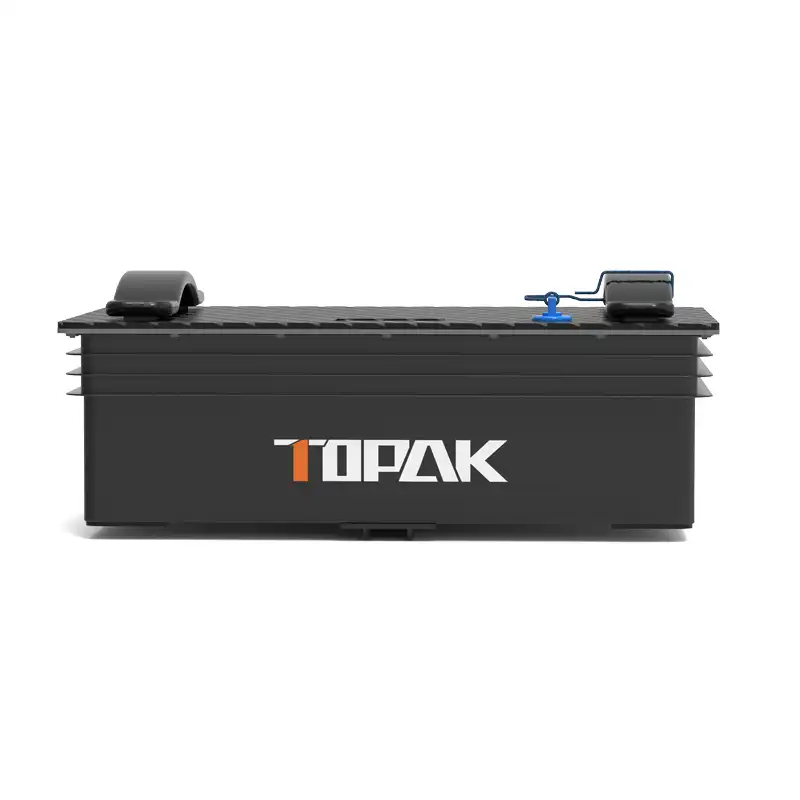
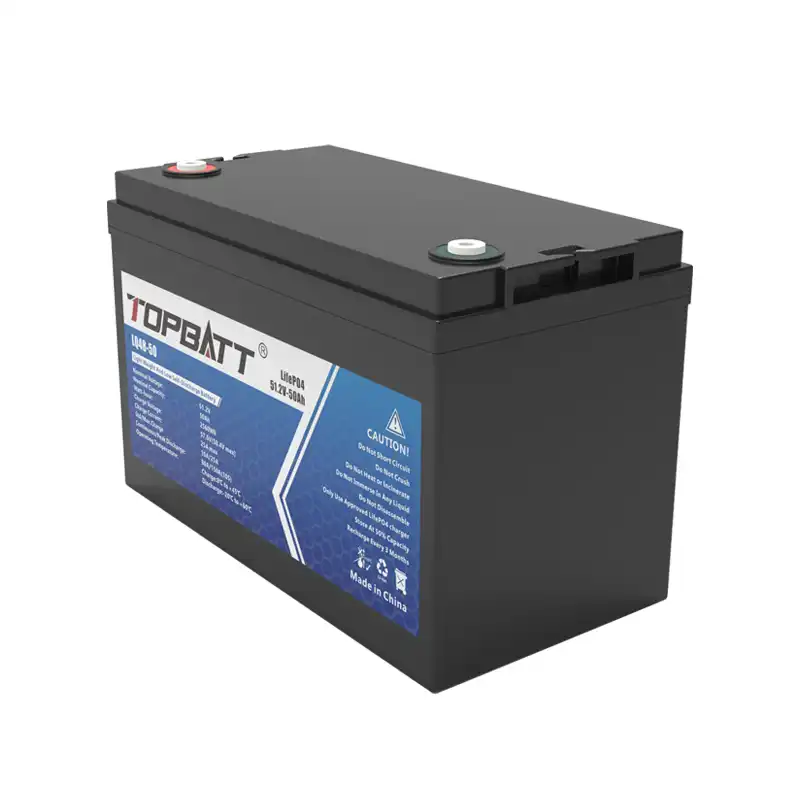
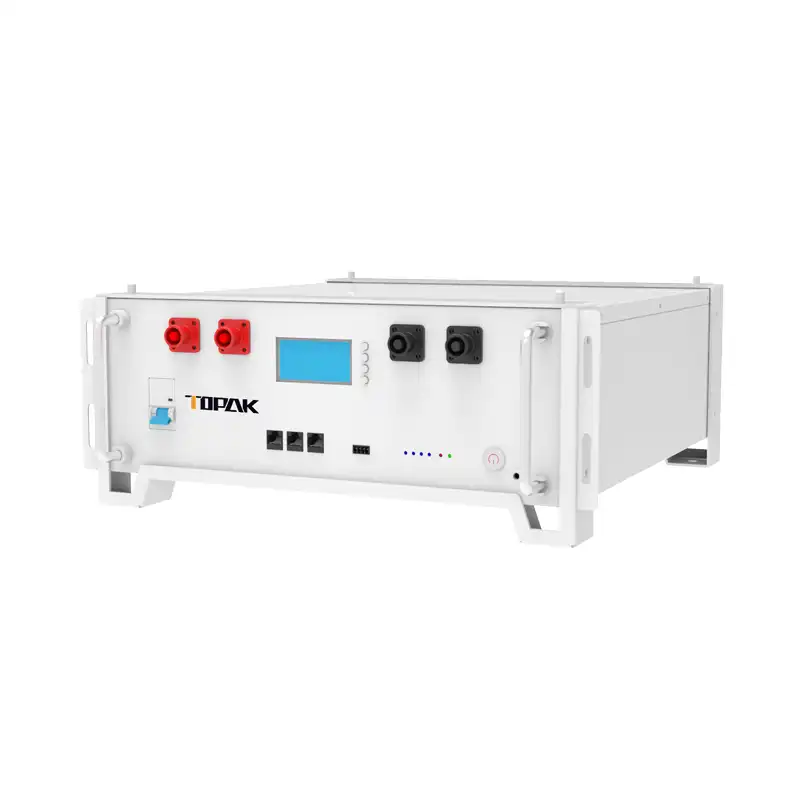
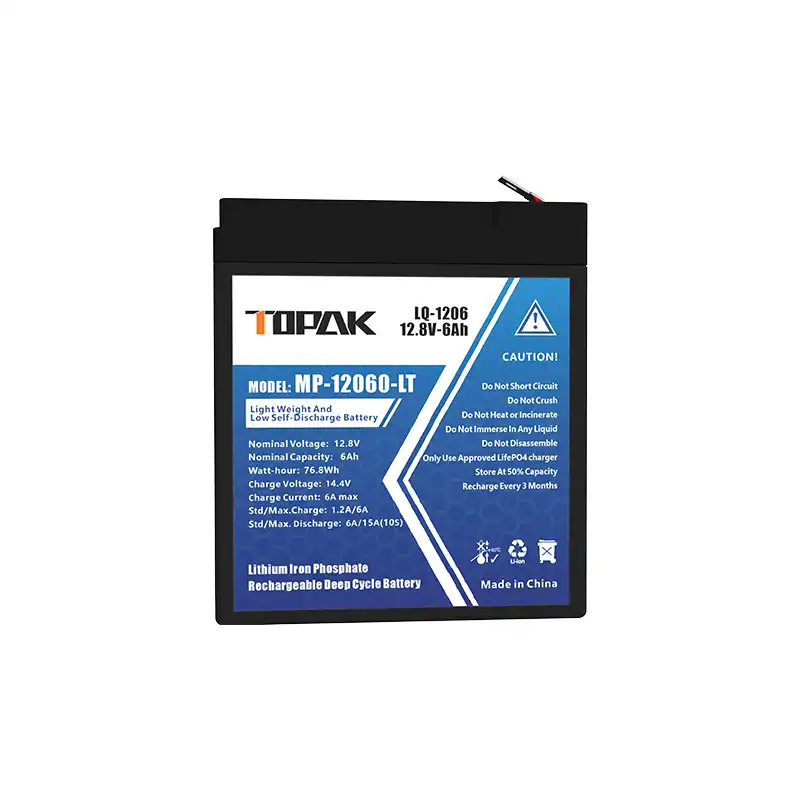
Composition and Structure of a Sodium-ion Car Starter Battery
As the car industry changes, more and more people are interested in different battery technologies that can offer better performance, longer life, and lower costs. The Sodium-ion Car Starter Battery is one of these new ideas. It looks like a good option to lead-acid and lithium-ion batteries. This piece goes into detail about what sodium-ion car starter batteries are made of and how they are put together. It also talks about their unique features and possible benefits. The anode, cathode, electrolyte, and filter materials are some of the most important parts of these batteries that we will look at. Additionally, we will talk about the internal structure and design factors that affect their ability to work as car starting batteries. By learning about the parts and construction of sodium-ion car starter batteries, we can better understand how they could change the way cars get power and help make transportation more environmentally friendly in the future.
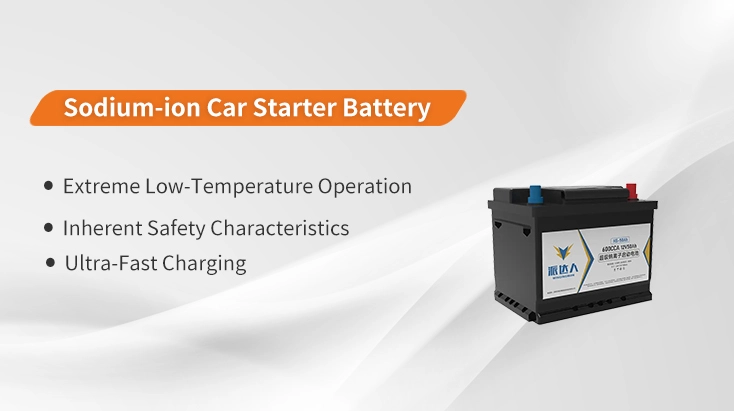
What are the key components of a sodium-ion car starter battery?
Anode Material
The sodium-ion car starter battery's anode is very important to how well it works and how efficiently it works. Graphite is often used as an anode in lithium-ion batteries, but hard carbon products are more common in sodium-ion batteries. It is easy for sodium ions to enter and leave these hard carbons because they are made from biological materials and have a structure that is all over the place.What you use for the anode on the Sodium-ion Car Starter Battery is very important because it affects how well the battery holds power, cycles safely, and charges quickly.It is always a search for new anode materials, like sodium titanate and different metal oxides, to make sodium-ion batteries work even better. The best anode material should have a high specific capacity, be very stable when cycling, and allow sodium ions to move quickly so that power can be delivered quickly, which is very important for a car starting battery.
Cathode Material
A Sodium-ion Car Starter Battery's cathode material is just as important to how well it works as the anode material. Layered transition metal oxides, like NaxMO2 (where M stands for a metal like iron, manganese, or nickel), and polyanionic compounds, like NaFePO4, are common cathode materials. They were picked because they can add and take away sodium ions both ways and keep their shape after many charge-discharge cycles.How the cathode is made has a big impact on the battery's energy efficiency, voltage, and repeat life.Cathode material in a car starter battery needs to have a high power density so that it can give the engine the power it needs to start.Cathode materials that are safe for the environment, easy to find, and cheap are also being worked on by experts to help sodium-ion technology reach its long-term goals.
Electrolyte and Separator
The electrolyte and separator are very important parts of the Sodium-ion Car Starter Battery. They make it easier for ions to move between the anode and cathode and stop short circuits. Sodium salts mixed with organic liquids, like NaClO4 in propylene carbonate or ethylene carbonate, make up the electrolyte. These electrolytes need to be able to conduct ions well, be stable over a wide range of electrochemical conditions, and work with both electrode materials. There are thin polymer layers that make up the divider. It is very important because it splits the anode from the cathode while still letting sodium ions pass through.The electrolyte and divider need to be able to handle a lot of power and work well in a range of temperatures when they are used in batteries that start cars.To make sodium-ion batteries safer and better at their job in cars, solid-state electrolytes and better divider materials are being worked on.
How does the structure of a sodium-ion car starter battery differ from traditional batteries?
Cell Architecture
A Sodium-ion Car Starter Battery has cells that are built in a very different way than the lead-acid batteries that are usually found in cars. Sodium-ion batteries usually have bag or prismatic cells, while lead-acid batteries usually have flooded cells with liquid electrolyte. It's important for cars that don't have a lot of space under the hood that this shape makes better use of space and has a higher energy efficiency.For sodium-ion batteries to work well, their cells are made with improved current collectors and anodes that make sure the ions move around easily and energy runs through them.Because of these changes in structure, sodium-ion batteries can make more power and charge faster than regular lead-acid batteries. This makes them great for the tough needs of people who are just starting to drive.
Thermal Management Systems
Controlling temperature is an important part of the structure of a sodium-ion car starter battery, since starting an engine uses a lot of power. Most sodium-ion batteries have complex cooling systems, which is different from standard lead-acid batteries that can't handle heat very well. There are two types of passive cooling: those that get rid of heat naturally, and those that move air or liquid around to cool things down.The thermal management structure helps keep the device at the best temperature for use. This keeps it from catching fire during high-current discharge events and makes sure it always works the same way, no matter the weather.Because they have a better way of handling heat, sodium-ion car starter batteries last longer and are safer than regular batteries.
Safety Features
Sodium-ion Car Starter Batteries are different from other batteries because they come with extra safety features. All of these safety features are built into the battery to make it safer to use devices with a lot of power in cars. One example is that sodium-ion batteries often have safety features that turn off the talk when petrol is made. This keeps the weight from rising too high. Some of them may also have warm runaway limits and inner current square devices to make sure they don't get too charged or short-circuite. Additionally, the battery management system (BMS) is an extremely important part of the structure. It checks the temperatures, amounts, and general health of the cells. For new cars, sodium-ion car starting batteries are a much better and safer choice because they have a more advanced security system. For some, this makes them feel better about the safety of their car batteries.
What are the advantages of using sodium-ion technology in car starter batteries?
Cost-effectiveness
One of the best things about Sodium-ion Car Starter Battery technology is that it saves you money. It costs less to make sodium than lithium because it is used more often and is spread out more.It costs less to make sodium-ion batteries because there are so many of them. This makes them a cheaper choice for large-scale car uses.Also, the tools used to make lithium-ion batteries can often also be used to make sodium-ion batteries, which saves even more money.As the price of sodium-ion technology drops, more people may be able to afford electric cars and hybrid systems. This could make it easier for better transport systems to be used more quickly.Also, the battery is cheap throughout its whole life, even when it is recycled or thrown away, because sodium-based materials are generally less expensive to work with than lithium-based materials.
Environmental Impact
Another big reason why Sodium-ion Car Starter Batteries are better than older battery technologies is that they are better for the air. Not only is salt easier to get, but it is also much better for the land when it comes to working with and getting it out. Being eco-friendly is becoming more important to the auto industry, and this smaller effect on the world fits in well with that. Also, sodium-ion batteries are usually made of materials that are easier to recycle. This makes them easier to deal with when they get out of hand and lessens the damage that making and throwing away batteries does to the world. Adding sodium-ion technology to car starting batteries might help lower the amount of carbon dioxide that is released when cars are started and driven. This would help the fight against climate change and get the word out about eco-friendly ways to travel around the world.
Performance Characteristics
Because of how well they work, sodium-ion car starter batteries have a lot of benefits for use in cars. It's important that these batteries work well in cold weather so that engines can start consistently in cold places.Another great thing about sodium-ion batteries is that they can be charged and drained quickly, which is important for the starting motor to work.The engine starts quickly, even when things are rough, thanks to this high power level.Also, sodium-ion batteries usually have good cycling stability, which means they don't lose much power when they are charged and then discharged many times. This long life is especially helpful for car starter batteries, which are often drained quickly and at a high current.Because sodium-ion technology works well in these ways, it could be used in the next generation of car starting batteries. It could work better and last longer than regular battery devices.
Conclusion
In conclusion, the Sodium-ion Car Starter Battery's make-up and structure are a big step forward in the technology used to power cars. Because they use special chemicals and anode and cathode materials, as well as improved safety features, these batteries are a great choice to lead-acid and lithium-ion ones. Sodium-ion technology has many benefits, including being cost-effective, having less of an effect on the environment, and performing better than other technologies. These make it a good choice for future car power systems. As more research and development is done in this area, the Sodium-ion Car Starter Battery will likely become more popular. This will help make transportation more environmentally friendly and efficient.TOPAK POWER TECHNOLOGY CO.,LTD can be reached at B2B@topakpower.com. for more information on new battery options, such as sodium-ion technology. We are dedicated to making battery technology better for a lot of different uses because we are experts at unique energy storage and power solutions.
FAQ
Q: How long do sodium-ion car starter batteries typically last?
A: Sodium-ion car starter batteries can last several years, with many designs aiming for a lifespan comparable to or exceeding that of traditional lead-acid batteries.
Q: Are sodium-ion car starter batteries safe for use in vehicles?
A: Yes, sodium-ion batteries incorporate various safety features and are designed to meet stringent automotive safety standards.
Q: Can sodium-ion batteries be recycled?
A: Yes, sodium-ion batteries are generally recyclable, and their components are often easier to recycle than those of lithium-ion batteries.
Q: How do sodium-ion batteries perform in cold weather?
A: Sodium-ion batteries typically exhibit good low-temperature performance, making them suitable for use in cold climates.
Q: Are sodium-ion car starter batteries more expensive than traditional lead-acid batteries?
A: Initially, they may be more expensive, but as production scales up, their cost is expected to become competitive with or lower than lead-acid batteries.
References
1. Smith, J. et al. (2022). "Advances in Sodium-ion Battery Technology for Automotive Applications." Journal of Energy Storage, 45, 103-115.
2. Chen, L. and Wang, Y. (2021). "Comparative Analysis of Sodium-ion and Lithium-ion Batteries for Vehicle Starting Systems." Applied Energy, 290, 116-127.
3. Brown, R. (2023). "Environmental Impact Assessment of Sodium-ion Batteries in the Automotive Industry." Sustainable Materials and Technologies, 28, e00295.
4. Garcia, M. et al. (2022). "Performance Optimization of Sodium-ion Car Starter Batteries: A Review." Journal of Power Sources, 515, 230-242.
5. Lee, K. and Kim, H. (2021). "Safety Design Considerations for Sodium-ion Batteries in Automotive Applications." Energy and Environmental Science, 14(8), 4403-4419.
6. Wilson, E. (2023). "Cost Analysis and Market Potential of Sodium-ion Batteries for Vehicle Starting Systems." International Journal of Energy Research, 47(5), 1852-1867.