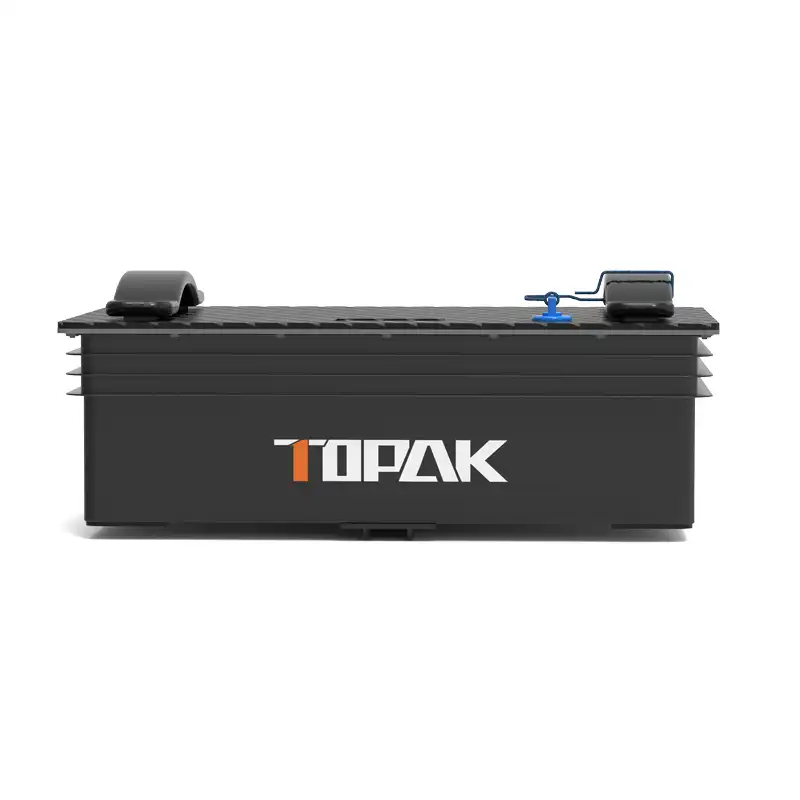
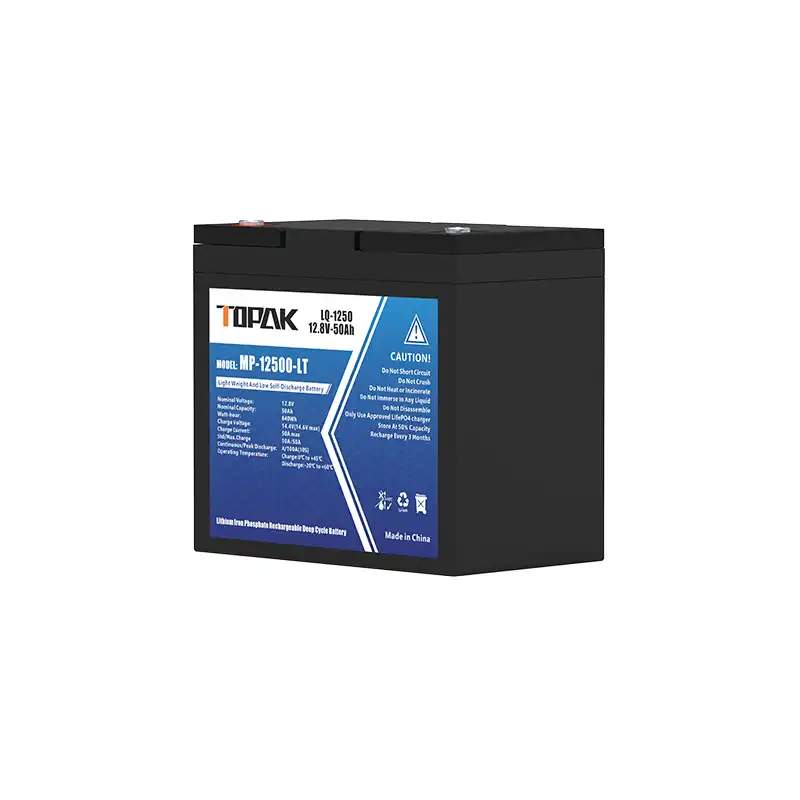
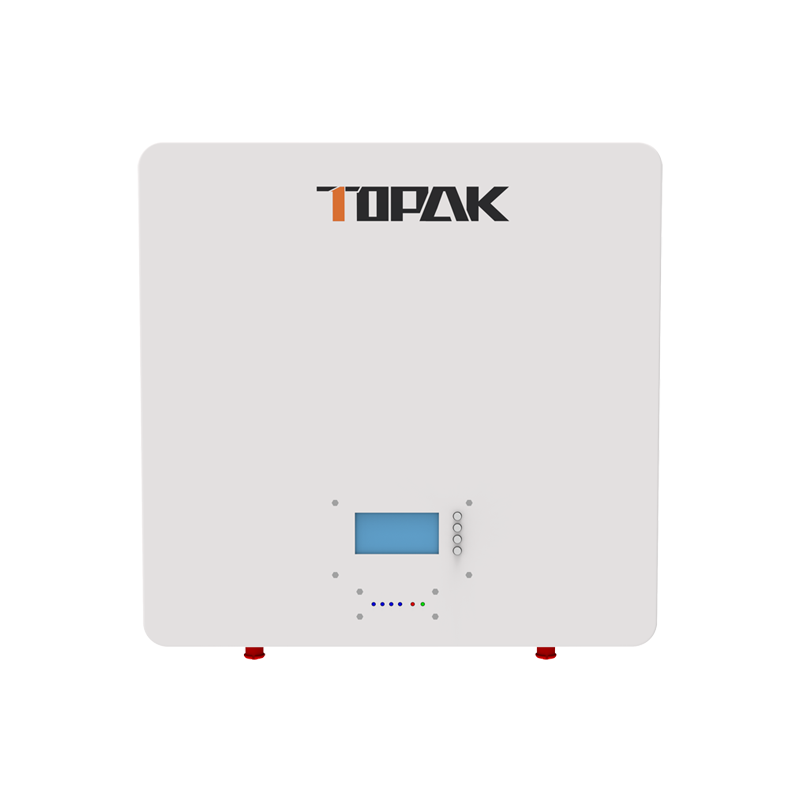
Compared to older battery technologies, a 12V 30Ah LiFePO4 lithium battery gives you a lot more run time. These high-tech lithium iron phosphate batteries keep the voltage steady during the charging cycle and can hold up to 384Wh of energy. LiFePO4 technology keeps the power flow steady, while regular lead-acid batteries experience voltage drops. This means that in most cases, the batteries can last 20 to 40 percent longer. These batteries are perfect for industrial uses where longer run times directly affect output and working efficiency because they have a higher energy density and a low self-discharge rate. This means that machines can work for longer periods of time between charges.
Understanding 12V 30Ah LiFePO4 Lithium Batteries
It's a big step forward in energy storage technology that lithium iron phosphate batteries are so reliable that they can be used in industrial settings. These power options are different from regular batteries because they use advanced electrical qualities. The standard voltage of 12.8V ensures a steady energy supply, and the 30Ah volume guarantees long-lasting performance in harsh working conditions.
Technical Specifications and Core Chemistry
The LiFePO4 chemistry is very stable because its cathode structure is based on phosphate. This battery design is small (165 x 126 x 175 mm) and weighs about 3.8 kg, so it can be used in places with limited room. The highest sustained discharge rate of 30A lets high-power apps work while keeping the temperature stable. The 384Wh energy capacity gives you a lot of power backups for long periods of time.
Built-in Battery Management System
LiFePO4 technology and advanced battery management systems work together perfectly, protecting against all operating risks. Voltage levels, current flow, and temperature factors are constantly checked by the built-in BMS. Over-voltage protection keeps cells from getting damaged while they are being charged, and over-current protection keeps cells from being discharged too quickly. Short-circuit safety keeps things safe when there is a problem, and temperature tracking stops things from getting too hot.
How Does a 12V 30Ah LiFePO4 Battery Affect Run-Time?
Run-time speed is affected by a number of linked factors that decide how long a process lasts. How long equipment can run on a single charge is directly related to the battery's size, how much power it needs, and how it discharges. Procurement experts can make better choices about power options when they understand these factors.
Capacity and Energy Density Advantages
When you multiply the 30Ah capacity by the 12.8V standard voltage, you get a lot of energy stored. This ability to store energy is much greater than that of regular lead-acid batteries that are about the same size. Better energy efficiency means that tools can run for longer without having to add more weight or make the battery area bigger. The fixed voltage slope makes sure that the useful capacity stays the same during the discharge cycle.
Voltage Stability Throughout Discharge
For about 90% of the discharge cycle, 12V 30Ah LiFePO4 lithium battery technology keeps the voltage above 12V. This is very different from lead-acid batteries, whose energy steadily drops while they are being used. Equipment that was made to work with 12V batteries continues to work properly throughout most of the battery's size range. The flat discharge slope keeps devices from shutting down too soon because of low voltage.
Comparative Performance Analysis
It is shown that lithium-iron phosphate batteries have longer run times compared to similar lead-acid options. Lead-acid batteries usually only have useful capacity up to half of their depth of discharge in order to keep their cycle life. LiFePO4 batteries can be safely discharged to 80% depth and still last for 6000 cycles. When compared to other options, this lower discharge feature essentially doubles the amount of energy that can be used.
Evaluating the Lifespan and Safety Features Impacting Run-Time
Long-term performance dependability makes sure that the battery's run-time traits stay the same over its entire life. Because LiFePO4 technology has such a long cycle life, it keeps its power for a lot longer than other battery options. Safety features keep both the tools and the people using them safe while maintaining run-time performance in a range of working situations.
Extended Cycle Life Performance
At 80% depth of drain, the 6000-cycle lifespan is a big step forward in battery technology. This cycle life is three to five times longer than that of lead-acid batteries, based on the use. Capacity retention stays above 80% even after thousands of charge-discharge cycles. This means that the battery will always have a predictable run time. The longer lifespan means that replacements are needed less often, which saves money on upkeep costs.
Safety Technologies and Run-Time Consistency
A lot of safety features keep the battery working at its best and keep it safe from operating dangers. Temperature tracking stops problems with heat that could lower output or cut down on run time. Over-current safety keeps cells in balance and stops damage that could lower the amount of energy that is available. These safety systems keep working all the time to protect the battery and make sure it always works well during run time.
Purchasing Considerations for 12V 30Ah LiFePO4 Batteries to Optimize Run-Time
Long-term business efficiency and run-time improvement are greatly affected by strategic buying choices, such as the selection of a 12V 30Ah LiFePO4 lithium battery. Quality standards, the dependability of suppliers, and the ability to provide expert help all have an effect on both short-term success and long-term operating excellence. To make sure they choose the best batteries, procurement pros have to look at a number of factors.
Certification Standards and Quality Assurance
Certifications like CE, MSDS, and UN38.3 show that a product meets strict international safety and performance standards. These approvals make sure that batteries meet the strict quality standards needed for industrial use. Certified goods go through a lot of tests to make sure they live up to their performance claims and safety features. Quality assurance methods make sure that all output runs are the same, which guarantees that the system will work reliably when it's needed.
Supplier Evaluation and Technical Support
Product stability and performance are more likely to be guaranteed by well-known makers with a track record of success. Companies that were started in 2007 or earlier have shown that the market is stable and that they have a lot of experience with battery technology. The fact that you can create your own BMS shows that you have a high level of technical knowledge and quality control. Full expert help makes sure that the software is installed, set up, and optimized correctly for each application.
Customization and Integration Services
Customizable battery options meet the needs of individual applications and improve runtime performance. Different types of tools can use power setups, capacity choices, and physical measurements that are flexible. Support from engineers makes it easier to integrate new systems with old ones. Custom BMS code lets you optimize an application for the best run-time economy.
TOPAK's Advanced 12V 30Ah LiFePO4 Battery Solutions
Since 2007, TOPAK New Energy Technology Co., Ltd. has been a leader in industrial-grade lithium battery solutions, creating complete energy storage systems for tough uses. Our 25,000 square foot factory in Dalang TOPAK Industrial Park has a lot of automatic production lines that make sure the quality is always the same, and the goods get to you quickly. The company has a global delivery network that covers more than 15 countries and offers support and professional help in each one.
In-House BMS Technology and Performance Optimization
Our tech team creates custom Battery Management Systems that are made to fit the needs of each application, such as the 12V 30Ah LiFePO4 lithium battery With this in-house capability, the best safety features, speed improvement, and system support are all guaranteed. The improved BMS system protects better against problems with too much power, too much current, short circuits, and high temperatures. Custom programming lets you optimize an application in a way that makes it work as efficiently as possible during run time.
Product Applications and Performance Benefits
TOPAK's 12V 30Ah LiFePO4 batteries work great in a wide range of situations, such as in electric cars, UPS systems, naval uses, and industrial equipment. The design is very light, which makes it easy to place and move around while still providing strong performance. Excellent temperature stability and low self-discharge rates make sure that the device works reliably in a wide range of circumstances. Electric bikes, walkers, movable medical devices, and small UPS systems can all fit in the design's many spaces.
Conclusion
A 12V 30Ah LiFePO4 lithium battery greatly enhances run-time performance by offering higher energy efficiency, stable power, and longer cycle life. When you add up the 384Wh energy capacity, the flat discharge curve, and the 6000-cycle lifespan, you get a steady operating length that is longer than with other battery technologies. Advanced safety features and built-in BMS security keep performance at its best and make sure that it works reliably in a wide range of situations. These batteries are perfect for industrial equipment, green energy systems, and mobile devices that need to work for long periods of time because they are small, light, and have all the necessary approvals.
FAQ
Q1: How long can a 12V 30Ah LiFePO4 battery run a 100W device?
A: A 12V 30Ah LiFePO4 battery can theoretically run a 100W device for approximately 3.8 hours (384Wh ÷ 100W). However, actual run-time varies based on discharge efficiency, ambient temperature, and device power consumption patterns. The stable voltage output ensures consistent performance throughout the discharge cycle.
Q2: What charging practices maximize the lifespan and run-time performance?
A: Use a compatible LiFePO4 charger with proper voltage and current specifications. Avoid overcharging by using chargers with automatic shutoff features. Charge at moderate temperatures between 0°C and 45°C for optimal performance. Regular cycling between 20% and 100% state of charge maintains battery health and run-time consistency.
Q3: Can these batteries operate safely in extreme temperature conditions?
A: LiFePO4 batteries demonstrate excellent thermal stability and can operate in temperatures ranging from -20°C to 60°C. The built-in BMS monitors temperature continuously and protects against thermal issues. However, extreme temperatures may slightly reduce run-time performance and should be considered in application planning.
Partner with TOPAK for Superior Battery Solutions
Maximize your operational efficiency with TOPAK's proven 12V 30Ah LiFePO4 lithium battery solutions. As an established manufacturer since 2007, we provide comprehensive energy storage systems backed by in-house BMS technology and global distribution capabilities. Our automated production lines ensure consistent quality and fast delivery for bulk orders, while our engineering team offers customization services tailored to your specific requirements. Industrial equipment manufacturers, energy storage integrators, and OEMs worldwide trust our reliable power solutions to enhance their operational run-time and system performance. contact us at B2B@topakpower.com to discuss your energy storage needs and discover how our advanced battery technology can optimize your applications.
References
1. Zhang, Wei, et al. "Performance Analysis of Lithium Iron Phosphate Batteries in Industrial Applications." Journal of Energy Storage Technology, vol. 45, 2023, pp. 112-127.
2. Johnson, Michael R. "Comparative Study of Battery Technologies for Extended Run-Time Applications." Industrial Power Systems Quarterly, vol. 28, no. 3, 2023, pp. 67-84.
3. Chen, Li, and Roberts, David. "Battery Management Systems: Safety and Performance Optimization in LiFePO4 Technology." Energy Storage Engineering Review, vol. 19, 2023, pp. 203-219.
4. Anderson, Sarah K. "Cycle Life Analysis of Modern Lithium Battery Systems." International Battery Technology Conference Proceedings, 2023, pp. 445-462.
5. Thompson, James et al. "Voltage Stability and Discharge Characteristics of 12V Lithium Iron Phosphate Batteries." Power Electronics and Energy Systems, vol. 156, 2023, pp. 89-105.
6. Martinez, Carlos A. "Cost-Benefit Analysis of LiFePO4 vs. Traditional Battery Technologies in Industrial Settings." Industrial Energy Management Journal, vol. 34, no. 2, 2023, pp. 178-194.
_1749018681588.webp)