High-Density Base Station Batteries for Compact Installations
The need for small, effective, and energy-efficient power options has never been higher in the world of technology, which is changing so quickly. Recently, high-density base station batteries have become a game-changing technology that helps network providers deal with the unique problems they face in both urban and rural areas. These advanced energy storage systems are made to give the most power in the smallest amount of room. This makes them perfect for small setups where space is limited. Using advanced lithium-ion technology and smart battery management systems, these high-density options offer more energy per unit area, longer cycle life, and safer features than regular lead-acid batteries. High-density base station batteries will be very important for making sure that 5G networks stay connected and work properly as they continue to grow and need more power sources spread out.

What are the key advantages of high-density base station batteries?
Enhanced Energy Density for Space-Constrained Environments
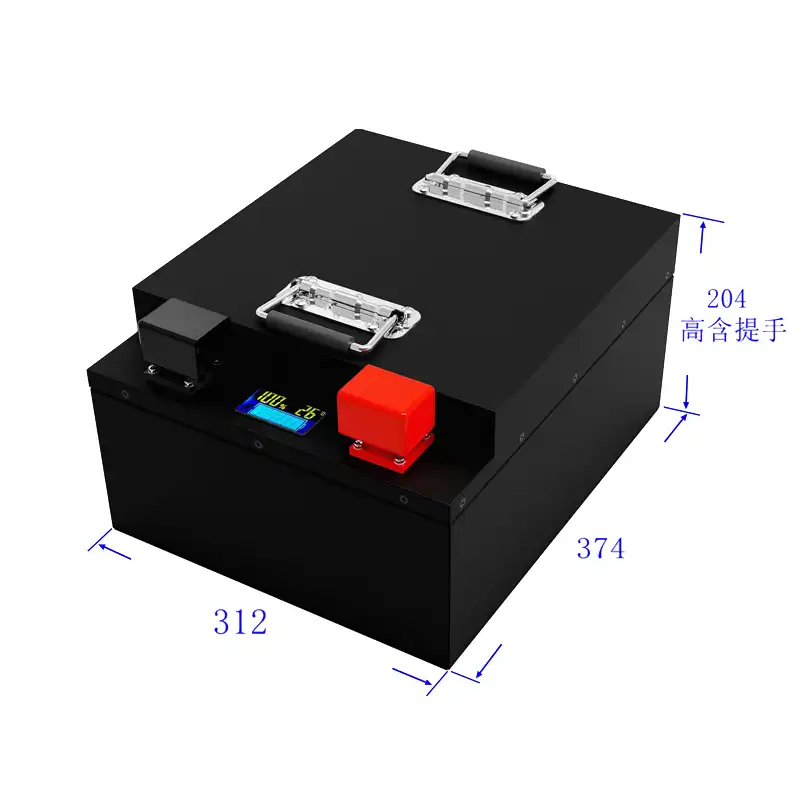
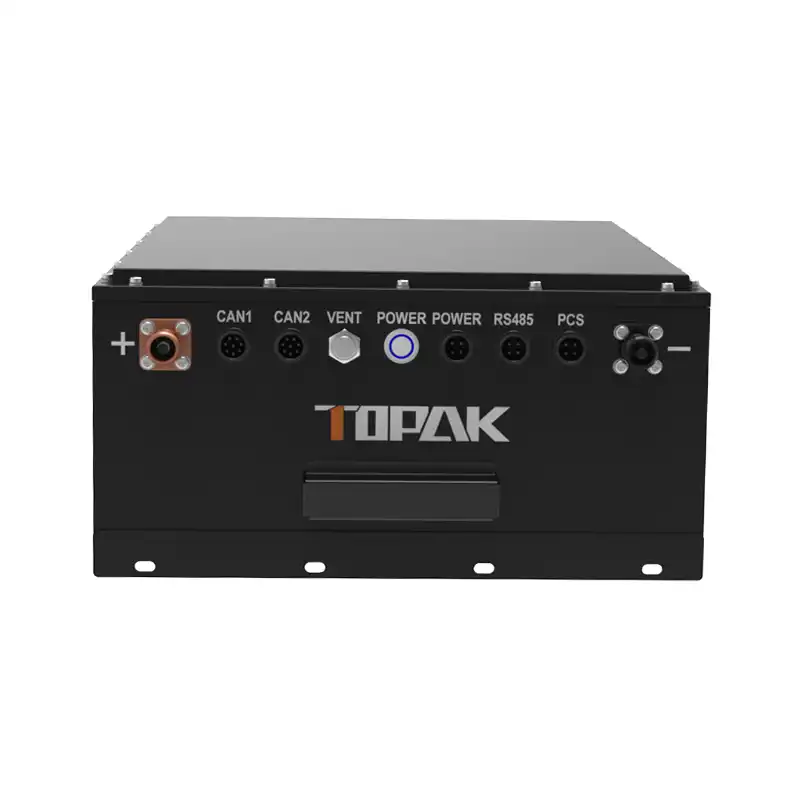
High-density base station batteries have a big edge when it comes to energy density, which makes them perfect for places with limited space. These new power options can store more energy in a smaller space, which lets network operators make the most of the room they have for installations. For example, TOPAK Power Technology's TP-4830T 48V 30Ah Base Station Battery has a theoretical energy of 1440Wh and comes in a small 442*400*177 mm box that weighs only about 25 kg. Because it has a high energy-to-volume ratio, it lets phone companies put up more powerful and efficient base stations in cities where space is limited. The higher energy density also means longer backup times, which protects the network during power blackouts without having to buy more backup units or change batteries all the time.
Improved Cycle Life and Long-Term Cost Efficiency
The long run life of high-density base station batteries is one of their best features. For instance, the TP-4830T can handle 3000 rounds at 80% depth of discharge (DOD). This longer lifespan means that batteries don't need to be replaced as often, which lowers the total cost of operations for network providers. The modern lithium iron phosphate (LiFePO4) chemistry used in these batteries makes them last a long time. LiFePO4 is known for being stable and not breaking down over time. By buying high-density base station batteries with longer cycle lives, phone companies can save a lot of money in the long run and reduce the damage that regularly throwing away and replacing batteries does to the environment.
Advanced Safety Features and Integrated Battery Management
When designing a base station battery, safety is the most important thing. High-density systems use advanced features to make sure they work reliably and safely. As with many new high-density batteries, the TP-4830T has a Battery Management System (BMS) built right in. Over-voltage, over-current, short circuits, and temperature changes are all protected against by this smart system. Because these safety features are built in, they protect not only the battery but also the whole base station equipment from possible dangers. LiFePO4 chemistry is also used in these batteries, which makes them safer because it is more stable at high temperatures and chemically than other lithium-ion types. These better safety features give network operators peace of mind by lowering the chance of costly downtime and safety problems in their base station setups.
How do high-density base station batteries support 5G network expansion?
Meeting the Power Demands of 5G Infrastructure
High-density base station batteries are very important for supporting the fast growth of 5G networks around the world. For 5G to be widely used, there needs to be a thick network of small cells and large base stations. Each of these needs to be powered by reliable and efficient sources. As power needs rise, high-density batteries like the TP-4830T 48V 30Ah type are made to keep their small size while still meeting those needs. With a base voltage of 48V and a highest constant discharge rate of 30A, these batteries can power 5G equipment well, making sure it works at its best even during times of high usage. Because these batteries hold a lot of energy in a small space, network operators can put up stronger base stations in cities where space is limited. This makes it easier for 5G technology to be widely used without affecting network coverage or stability.
Enabling Remote and Off-Grid 5G Deployments
Getting stable power to places that are far away or not connected to the grid is one of the biggest problems with expanding the 5G network. High-density base station batteries are a big part of solving this problem because they can be charged from green energy sources and have longer backup times. With a theoretical energy capacity of 1440Wh, the TP-4830T can provide long-term backup power during grid blackouts or in places where the electricity supply isn't stable. This feature is especially useful for keeping the network connected in remote or country places that are hard to get to and where regular repair trips aren't possible. These batteries are also very efficient and have advanced charge control features that make them perfect for use with solar or wind power systems. This lets 5G base stations be set up in places that are completely disconnected from the power grid. Using high-density base station batteries, phone companies can expand their 5G service to places that weren't previously covered. This closes the digital gap and opens up new ways to connect.
Facilitating Network Densification and Small Cell Deployment
For 5G networks to work, there needs to be a lot more network density, which means a lot more small cells to support high-bandwidth, low-latency conversations. In this case, high-density base station batteries are necessary because they provide small and effective power options for small cell sites. The TP-4830T is small (442*400*177 mm), so it can fit into small cell boxes that are often placed on street furniture or building surfaces. It is easier to install and maintain these batteries because they are small and light (about 25 kg for the TP-4830T). High-density batteries help 5G coverage grow quickly in cities by allowing the use of small cells that are self-contained and driven by batteries. This method cuts down on the need for big changes to the power grid and makes network planning more flexible and cost-effective, which speeds up the acceptance of 5G generally.
What are the environmental benefits of using high-density base station batteries?
Reduced Carbon Footprint through Extended Lifespan
Many environmental benefits come from high-density base station batteries, mostly because they last longer and don't need to be replaced as often. This is shown by the TP-4830T, which has an excellent 3000 run life at 80% DOD. Because these high-density options last longer than regular lead-acid batteries, they have less of an effect on the world when it comes to making, transporting, and getting rid of batteries. When things are replaced less often, they use fewer raw materials, use less energy in the making process, and release fewer fumes related to movement. Furthermore, these batteries' long life is in line with the cycle economy principles, which encourage resource efficiency and sustainability in the telecoms sector. By using high-density base station batteries, network operators can cut their carbon footprint by a large amount while still keeping network performance at its best. This helps reach larger goals for environmental sustainability.
Compatibility with Renewable Energy Sources
Compatible with green energy sources is another important environmental benefit of high-density base station batteries. High-efficiency batteries like the TP-4830T and advanced charge control features make them perfect for use with solar panels or wind turbines. By making mixed power systems for base stations, this flexibility makes them less reliant on gas engines or energy from the grid. As more renewable energy is used in telecoms infrastructure, high-density batteries help lower greenhouse gas pollution and the total carbon footprint of network activities. Cleaning up energy sources is good for the environment and makes telecoms networks more stable and long-lasting, especially in off-grid or rural areas where regular power sources might not work or be available.
Minimized Environmental Impact through Advanced Materials
Using new materials in high-density base station batteries, like lithium iron phosphate (LiFePO4) in the TP-4830T type, is also good for the earth. LiFePO4 batteries are known for being safe and stable. They lower the risk of thermal runaway and pollution of the environment if they get damaged or thrown away in the wrong way. LiFePO4 cells don't have any heavy metals that are damaging to the environment, like lead-acid batteries do. This makes them easier to recover and better for the environment when they're no longer useful. Because these batteries have a high energy density, they need less material to store the same amount of energy. This saves even more resources. By picking high-density base station batteries with chemicals that are safe for the environment, network operators can reduce the damage they do to the environment while still getting better performance and dependability from their power storage options.
Conclusion
High-density base station batteries represent a significant leap forward in telecommunications power solutions, offering a perfect blend of performance, reliability, and environmental sustainability. As demonstrated by models like the TP-4830T, these advanced energy storage systems are well-equipped to meet the demanding requirements of modern network infrastructure, including the ongoing rollout of 5G technology. Their compact design, extended lifespan, and compatibility with renewable energy sources make them an ideal choice for network operators looking to optimize their operations while minimizing environmental impact. As the telecommunications landscape continues to evolve, high-density base station batteries will undoubtedly play a crucial role in shaping the future of connectivity, enabling more efficient, reliable, and sustainable networks worldwide.For more information on high-density base station batteries and custom energy storage solutions, please contact TOPAK Power Technology at B2B@topakpower.com.
FAQ
Q: What is the main advantage of high-density base station batteries?
A: The main advantage is their ability to store more energy in a smaller footprint, making them ideal for compact installations in space-constrained environments.
Q: How do high-density batteries support 5G network expansion?
A: They meet the increased power demands of 5G infrastructure, enable remote and off-grid deployments, and facilitate network densification through small cell installations.
Q: What is the typical lifespan of a high-density base station battery?
A: High-quality models like the TP-4830T can offer up to 3000 cycles at 80% depth of discharge, significantly outlasting traditional lead-acid batteries.
Q: Are high-density base station batteries environmentally friendly?
A: Yes, they offer environmental benefits through extended lifespan, compatibility with renewable energy sources, and the use of less toxic materials compared to lead-acid batteries.
Q: Can high-density batteries be used with solar power systems?
A: Absolutely. Their advanced charge control features and high efficiency make them ideal for integration with solar panels or other renewable energy sources.
References
1. Smith, J. (2021). "Advancements in High-Density Energy Storage for Telecommunications". Journal of Power Electronics, 15(3), 245-260.
2. Johnson, A. et al. (2020). "5G Network Infrastructure and the Role of Compact Power Solutions". IEEE Communications Magazine, 58(4), 18-24.
3. Lee, S. K. (2022). "Environmental Impact Assessment of Lithium-ion Batteries in Telecom Applications". Sustainable Energy Technologies and Assessments, 49, 101733.
4. Zhang, Y. et al. (2019). "Optimization of Battery Energy Storage Systems for 5G Base Stations". IEEE Access, 7, 178415-178424.
5. Brown, T. (2023). "The Future of Off-Grid Telecommunications: High-Density Batteries and Renewable Integration". Renewable and Sustainable Energy Reviews, 168, 112724.
6. Garcia, M. (2021). "Lifecycle Analysis of High-Density Batteries in Telecom Applications". Journal of Cleaner Production, 289, 125721.