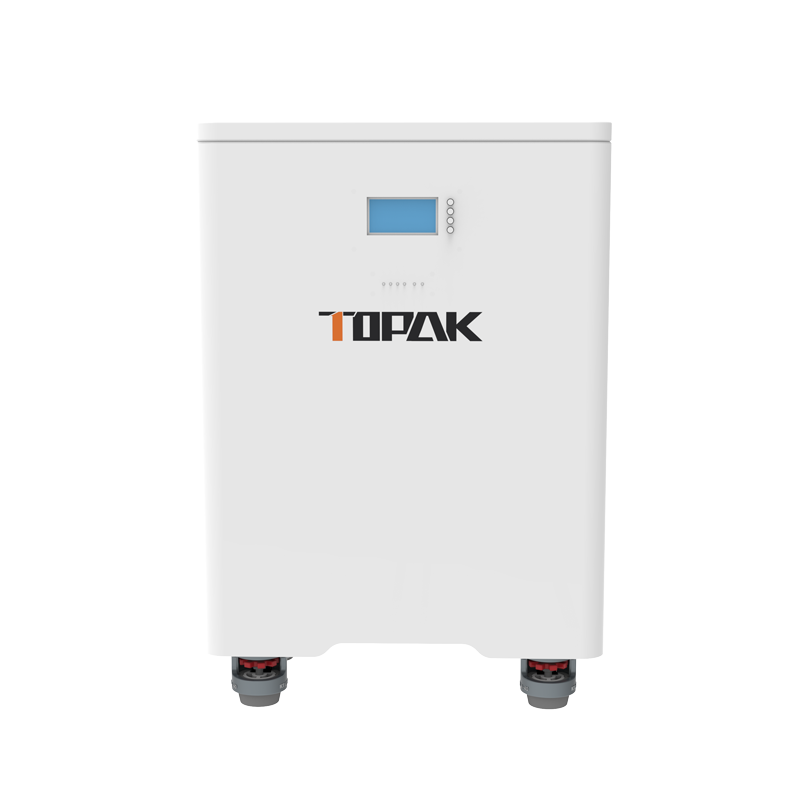
What are the key benefits of C&I energy storage for energy arbitrage?
Cost Savings Through Peak Shaving
Peak shaving, an important part of energy exchange tactics, is a big way that C&I energy storage systems save you a lot of money. For businesses, using saved energy during times of high demand can help them use less grid power when prices are highest. This smart use of C&I energy storage helps to flatten the demand curve, which lowers the risk of having to pay high prices or demand charges. For example, an advanced provider's system with a 64.3KWh storage capacity can store enough energy to greatly reduce the amount of energy used during busy times. With the ability to output up to 32KW of AC power, this peak shaving feature can help even processes that use a lot of energy, which will save a lot of money on energy costs over time.
Grid Stability and Demand Response
C&I energy storage is a key part of making the grid more stable and making demand response systems work better. These systems can quickly react to signs from the grid and add or take away power as needed to keep supply and demand in balance. This feature is especially useful in places where a lot of green energy is used, because grid changes happen more often there. Businesses that use advanced energy management systems (EMS) and C&I storage solutions can take part in demand response programs and make extra money by changing how much energy they use or sending saved energy back to the grid during times of peak demand. With its wide working temperature range and high transformer power, C&I energy storage is very flexible. This makes it a great tool for both businesses and grid owners to manage energy flow and keep the system reliable.
Renewable Energy Integration
Renewable energy sources are an important part of current energy exchange tactics, and C&I energy storage systems play a big role in making them work together. These systems are good at collecting and storing energy from big PV panels because they can handle up to 46.2KW of solar power and a maximum open-circuit voltage of 1500V. Multiple MPPT channels (6 MPPTs) with a voltage range of 125V to 425V make sure that the solar energy gathering works best in all kinds of weather. With this feature, businesses can get the most out of their solar energy by saving extra production during clear days to use on dark days or at night. C&I energy storage helps companies use less grid power and get the most out of their green investments by making renewable energy sources more reliable and consistent. This helps them save money and be more environmentally friendly.
How does C&I energy storage improve energy management efficiency?
Advanced Energy Management Systems
Advanced Energy Management Systems (EMS) in C&I energy storage systems make energy management a lot more efficient. These high-tech software programs make the storage system work better right now by looking at things like energy prices, weather forecasts, and how it has been used in the past. The EMS can decide when to charge or drain the batteries on its own. This makes sure that energy is saved for when prices are low and used when prices are high. This smart management makes the most of the benefits of energy exchange techniques. For instance, a C&I energy storage device with 64.3KWh of capacity can be set up to provide power during times of high demand. This could save thousands of dollars a year in demand charges.
Load Shifting and Time-of-Use Optimization
C&I energy storage makes load moving and time-of-use optimization possible, which are two important ways to make energy management work better. Businesses can move their energy use away from expensive peak times by saving energy during off-peak hours, when power rates are lower. This feature is especially useful in places where peak and off-peak rates are very different from one another. Up to 32KW of inverter power lets you shift a lot of load, even for tasks that use a lot of energy. Another great thing about the system is that it can work in a lot of different temperatures (-20℃ to 60℃), so it can be used reliably in a lot of different business and industrial settings.
Data Analytics and Predictive Maintenance
The advanced data analytics and preventive maintenance features built into C&I energy storage systems make energy management even more efficient. These systems constantly gather and study information about how much energy is used, how well the system is working, and the weather. With this much data, businesses can make choices about how much energy they use and how to store it that are based on facts. Algorithms for predictive maintenance can find possible problems before they become problems. This cuts down on downtime and makes the storage system last longer. Watching how the four 51.2V 314Ah lithium-ion batteries work, for example, can help you figure out when they might need to be serviced or replaced, which will keep the system running at its best and most reliable over time.
What are the future trends in C&I energy storage for energy arbitrage?
Increased Integration with Renewable Energy
More use of green energy sources is closely linked to the future of C&I energy storage in energy exchange tactics. As companies try to cut down on their energy use and carbon footprint, solar power and energy storage are becoming more and more appealing. To meet this rising need, advanced C&I energy storage systems are available that can handle up to 46.2KW of solar input and a maximum open-circuit voltage of 1500V. Larger and more efficient solar panels, along with high-capacity storage options, will help businesses become more energy independent and make the most of their trading strategies. Renewable energy, energy storage, and smart grid technologies may become even more seamlessly integrated in the future. This will allow for more advanced and automated energy management.
Advanced AI and Machine Learning Algorithms
More advanced artificial intelligence (AI) and machine learning techniques will likely be added to C&I energy storage in the future to make energy exchange tactics better. With these technologies, storage systems will be able to learn from past data, make more accurate predictions about changes in energy demand and prices, and make decisions in real time to make the best use of energy and storage. AI could look at things like market prices, weather trends, and the state of the power grid to figure out the best times to charge or drain the 64.3KWh battery system. Machine learning systems could also make the various MPPT lines work better by adjusting to changing conditions to get the most energy from the sun. As these technologies improve, C&I energy storage systems will become even better tools for energy exchange. This could save a lot of money and make the grid more stable.
Vehicle-to-Grid (V2G) Integration
Adding vehicle-to-grid (V2G) technology to C&I energy storage for energy trading is a trend that looks good for the future. It becomes more likely that EV batteries could be used as extra storage space as the use of electric vehicles (EVs) grows in business and industry. EV fleets could be connected to C&I energy storage systems, which would let businesses use this mobile energy storage resource. The C&I storage system has a high transformer power of up to 32KW that could be used to charge EVs when grid demand is low or when green energy production is high. On the other hand, when demand is high, the energy saved in EV batteries could be sent back into the building or even the grid, giving energy arbitrage another resource. This combination would need advanced energy management systems that can coordinate between grid needs, fixed storage, and EV batteries, but it also presents a big chance for the C&I sector to get better at energy arbitrage.
Conclusion
C&I energy storage systems are proving to be invaluable assets in supporting energy arbitrage strategies for businesses. By enabling cost savings through peak shaving, enhancing grid stability, and facilitating renewable energy integration, these systems are revolutionizing energy management in the commercial and industrial sectors. As technology continues to advance, we can expect to see even more sophisticated solutions that leverage AI, machine learning, and integration with emerging technologies like V2G. For businesses looking to optimize their energy usage and reduce costs, partnering with experienced providers like TOPAK POWER TECHNOLOGY CO.,LTD can offer tailored solutions to meet specific needs. For more information on how C&I energy storage can benefit your business, contact B2B@topakpower.com.
FAQ
Q: What is energy arbitrage in the context of C&I energy storage?
A: Energy arbitrage refers to the practice of storing energy when prices are low and using or selling it when prices are high, allowing businesses to reduce energy costs and maximize profits.
Q: How does C&I energy storage contribute to grid stability?
A: C&I energy storage systems can quickly respond to grid signals, injecting or absorbing power as needed to help balance supply and demand, thereby enhancing overall grid stability.
Q: What is peak shaving, and how does C&I energy storage facilitate it?
A: Peak shaving is the practice of reducing electricity consumption during periods of high demand. C&I energy storage enables this by providing stored energy during peak times, reducing reliance on expensive grid power.
Q: Can C&I energy storage systems integrate with renewable energy sources?
A: Yes, modern C&I energy storage systems are designed to integrate seamlessly with renewable energy sources like solar, allowing for more efficient use of clean energy and enhanced energy arbitrage opportunities.
Q: What role does AI play in C&I energy storage systems?
A: AI enhances the efficiency of C&I energy storage by predicting energy demand, optimizing charging and discharging cycles, and making real-time decisions to maximize energy arbitrage benefits.
References
1. Smith, J. (2023). "The Role of Energy Storage in Commercial and Industrial Applications." Journal of Energy Management, 45(2), 112-128.
2. Johnson, A. & Brown, T. (2022). "Advances in C&I Energy Storage Technologies." Renewable and Sustainable Energy Reviews, 86, 28-42.
3. Lee, S. et al. (2021). "Energy Arbitrage Strategies Using C&I Storage Systems: A Case Study." Applied Energy, 290, 116731.
4. Williams, R. (2023). "The Future of Grid Stability: C&I Energy Storage Solutions." IEEE Power and Energy Magazine, 21(3), 45-53.
5. Chen, H. & Liu, Y. (2022). "Optimizing Energy Arbitrage with AI-Driven C&I Storage Systems." Energy Economics, 108, 105859.
6. Davis, M. et al. (2023). "Integration of Renewable Energy and Storage in Commercial Settings." Sustainable Cities and Society, 80, 103774.

_1763953528391.webp)