Vertical Battery Implementation: Structure and Scalability
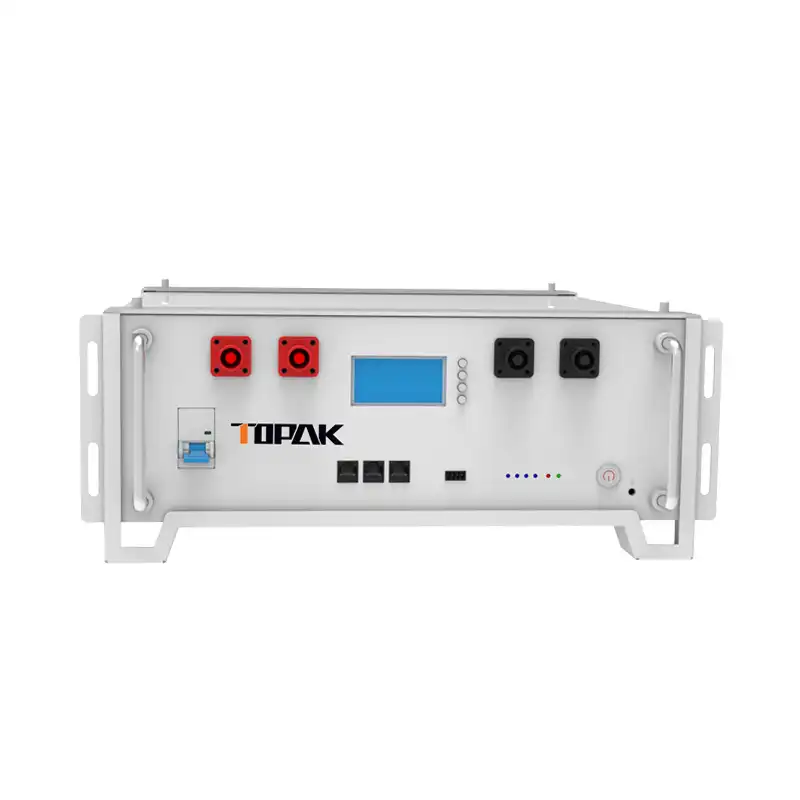
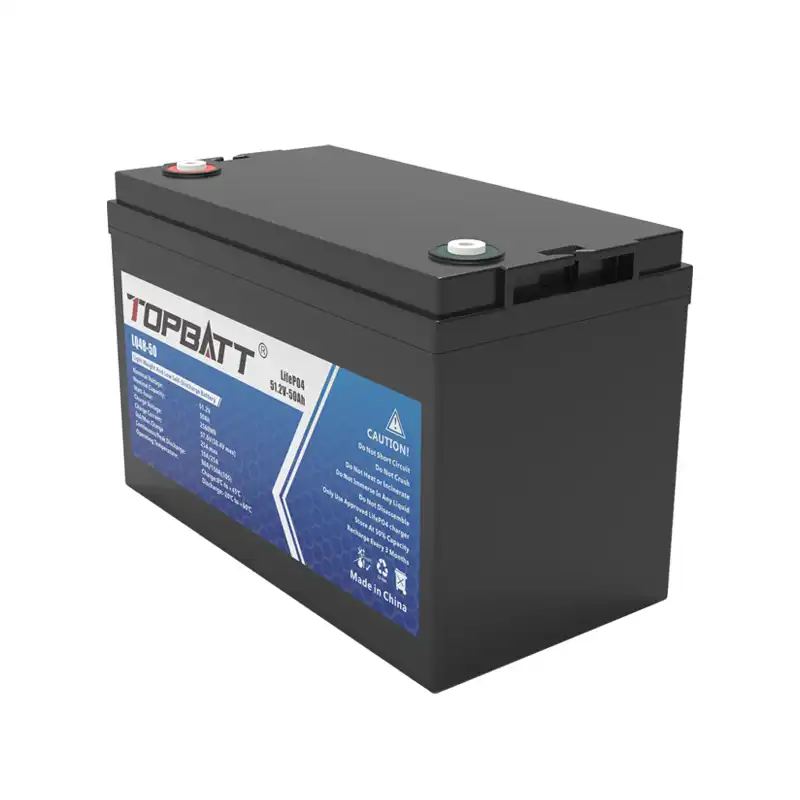
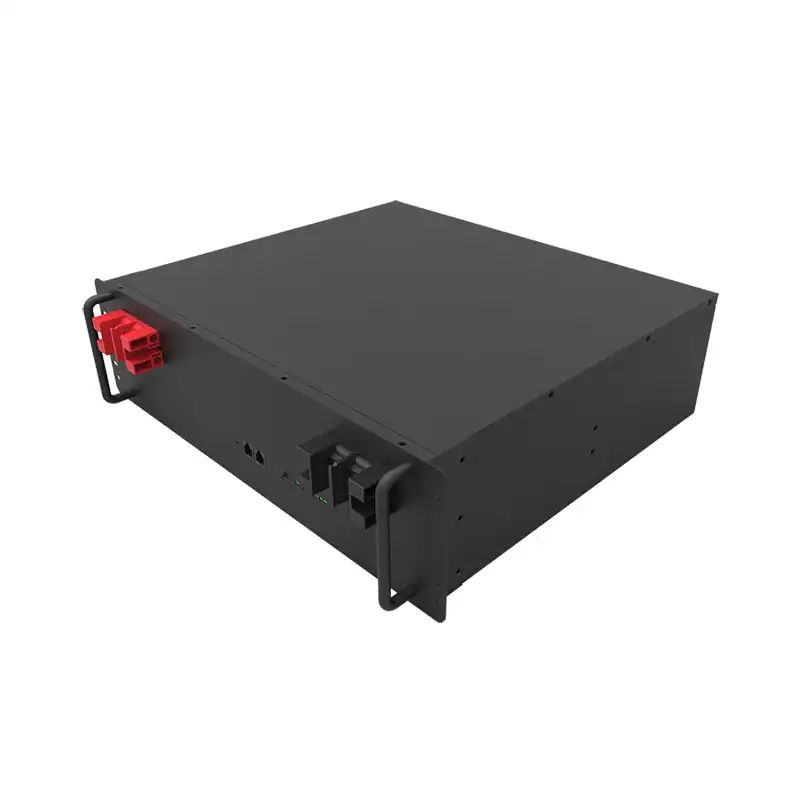
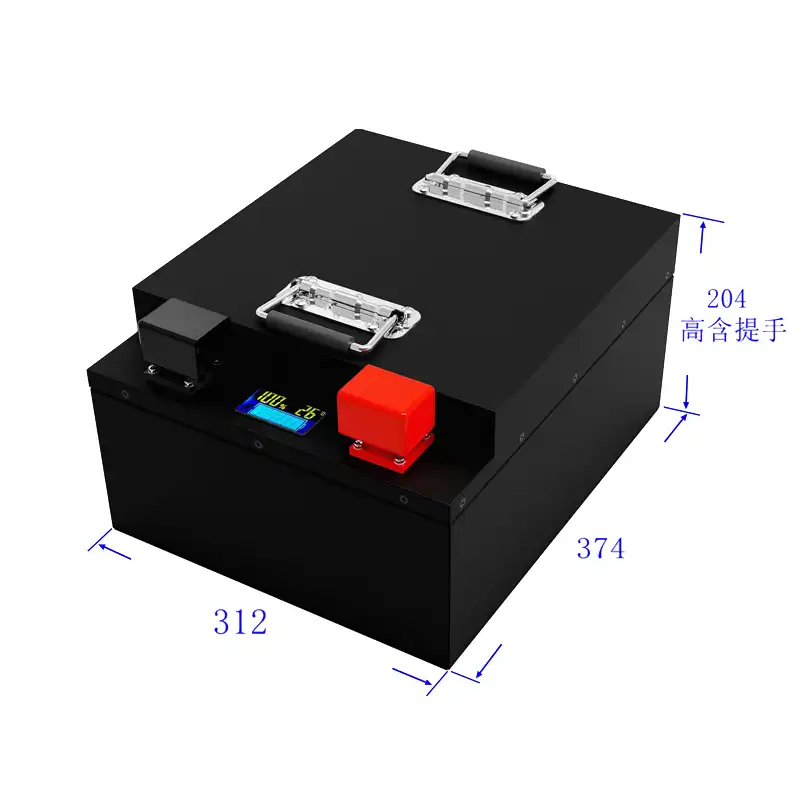
Vertical Battery usage is a new way to store energy that offers better structure and scalability in a wide range of situations. By stacking cells vertically, this new design changes the way batteries are usually set up by making the best use of space and power output. As the need for small but powerful energy solutions grows across all fields, vertical batteries are starting to look like a good way to meet these needs. The vertical position makes it easier to control the temperature, lowers the internal resistance, and increases the energy capacity while taking up less space. This piece goes into great detail about how to use vertical batteries, looking at their structural benefits, their ability to be scaled up, and how they are changing the way energy storage technology is used. Vertical batteries are making it possible for more efficient and flexible power solutions in a world that depends more and more on energy. These solutions include everything from electric cars to green energy systems.

What are the key structural advantages of vertical battery implementation?
Enhanced Space Utilization
Utilizing the room more efficiently is greatly improved by installing batteries vertically. The energy efficiency of these batteries is better than that of standard horizontal plans because the cells are stacked vertically. With this vertical position, room is used more efficiently, making it perfect for uses where small size is important. For example, vertical batteries can be better blended into the structure of electric cars, making more room for conveniences or extra features for the passengers. Additionally, the vertical arrangement makes it easier to distribute weight more evenly, which can enhance the vehicle's balance and control. Moreover, vertical batteries can improve storage capacity in small spaces, making them perfect for places like cities or factories where space is limited.
Improved Thermal Management
The temperature can be better managed with vertical batteries, which is one of their best features. Having the cells in an upright arrangement lets more heat escape because air flows naturally between them. That means the battery pack stays at a more stable temperature and cools down more quickly. This makes spikes and thermal runaway less likely. This makes it easy for the water to move through the whole setup and ensures that each cell works at the right temperature. The battery works better and lasts longer if the temperature is better controlled. It is also safer to use when it needs a lot of power. If you keep the battery pack at the same temperature, it will charge and drain smoothly. If you do this, the batteries might last a lot longer.
Structural Integrity and Durability
Compared to standard horizontal designs, vertical battery application provides better structural stability and longevity. Stacking cells vertically makes the structure stiffer and stronger, so it can handle mechanical pressures and shocks better. Electric cars, where batteries are constantly moving and could be hit, benefit the most from this higher structural strength. Additionally, the vertical layout makes it easier to squeeze the cells more effectively, which can help keep the electrical contact stable and lower the chance of connection failures over time. In addition, the vertical structure makes it easier to change or maintain individual cells or modules because they can be reached without taking the whole battery pack apart first. It's easier to repair, and the battery system lasts longer because it can be upgraded and maintained in specific areas.
How does vertical battery implementation enhance scalability in energy storage systems?
Modular Design Flexibility
Vertical battery usage gives you the most flexible design freedom, which is very important for energy storage systems that can grow as needed. The vertical stacking method makes it simple to add or remove battery units, which lets the system's capacity be changed to meet changing energy needs. This modularity is especially helpful for green energy uses where the amount of storage needed may change over time. For example, in a solar power system, extra vertical battery cells can be added without any problems as energy production goes up or as people's energy needs change. Vertical batteries are flexible, which makes stepwise adoption easier. Users can start with a smaller system and gradually add to it as needed, without having to completely change the infrastructure that's already in place. Because of this, vertical cells are not only better for a wider range of uses, but they also save money in the long run.
Improved Power Density Scaling
One of the best things about using vertical batteries is that they can allow for better power efficiency scaling. More and more people want energy storage options with more space and more power. Vertical batteries can meet these needs without increasing their size. The vertical arrangement makes it possible to add more cells or layers to the same horizontal space. This increases the power output and energy capacity while keeping the size of the device small. It is very important to be able to change the power level on the fly in situations where space is limited, like grid-scale energy storage. Vertical batteries can give power lines the boost they need to stay stable or help with peak shaving operations without taking up a lot of land. This scalability also lets electric vehicles have longer ranges and better performance without having to make big changes to their designs or how their weight is distributed.
Efficient Parallel and Series Connections
When batteries are set up vertically, they can be connected in line and series more efficiently, which is important for expanding energy storage systems. The structure of putting things vertically makes wires easier to understand and plan, which makes connecting cells and modules simpler. This makes things easier, which not only makes the system more reliable but also makes it easier to add more units in parallel or series as needed. Because the structure is upright, wires and busbars can be routed through natural pathways. This cuts down on the length of connections, which lowers internal resistance and power losses. This fast connection is especially helpful for big projects like utility-grade energy storage, where keeping system efficiency high and reducing losses is very important. Also, the organized structure of vertical batteries makes it easier to connect a battery management system (BMS). This lets you keep a closer eye on and handle each cell or module as the system grows.
What are the potential applications and future prospects of vertical battery technology?
Electric Vehicle Integration
Vertical battery technology has the ability to completely change the way electric vehicles (EVs) are made and how well they work. Because vertical batteries are small, they can be more efficiently built into car frames. This could make EVs lighter and better at cutting through the air. This combination could lead to longer drive ranges, better handling, and more room inside for people. Also, because vertical batteries can be expanded, car companies might be able to give different range choices for the same model by just changing the number of battery sections. Vertical battery designs allow for better temperature control, which could also make charging faster and extend the life of batteries, which are two of the biggest worries in the acceptance of electric vehicles. The auto industry is moving more and more toward electric vehicles, and vertical battery technology could be very important in the next generation of these vehicles. This could speed up the move away from transportation that runs on fossil fuels.
Renewable Energy Storage Solutions
Vertical batteries are a great way to store green energy because they can be used on a large scale and are very efficient. As the world moves more and more toward solar, wind, and other green energy sources, it is more important than ever to have energy storage that is stable and can be expanded. Vertical batteries are easy to add to both home and utility-scale renewable energy systems because they provide the storage space needed to balance power production that happens at different times. Because they are flexible, they are easy to add on to as renewable energy systems grow. This makes sure that store space can keep up with the rise in power production. When used off-grid, vertical batteries can offer more small and efficient storage options. This makes it easier to use green energy systems in places that are far away or don't have a lot of room. Because vertical batteries are better at managing heat, they can work better and last longer in outdoor sites where the batteries may be subject to different weather conditions.
Urban Infrastructure and Smart Cities
Vertical battery technology could be a big part of making cities smarter and changing the way infrastructure works in cities. Vertical batteries are perfect for fitting in urban settings where space is often limited because they are small and can be expanded. These batteries could be built into buildings to provide extra power or help the grid handle higher energy use during peak hours. Broadly spread across a city, networks of vertical batteries could be used in smart grid uses to provide localized energy storage and make the grid more stable and resilient. Because vertical batteries are made up of separate modules, they can also be used in electric public transportation systems. For example, buses and trams could be powered by conveniently swappable battery packs. Being more technologically advanced and energy-dependent, cities could use vertical batteries to support everything from smart street lights to charging stations for electric cars. This would make urban energy systems more sustainable and efficient.
Conclusion
Vertical battery implementation represents a significant leap forward in energy storage technology, offering enhanced structure, scalability, and efficiency. Its advantages in space utilization, thermal management, and structural integrity make it a versatile solution for a wide range of applications, from electric vehicles to renewable energy systems and smart city infrastructure. As the demand for more powerful and compact energy storage solutions continues to grow, vertical batteries are well-positioned to meet these evolving needs. Their modular design, improved power density scaling, and efficient connectivity provide the flexibility and scalability required for future energy challenges. With ongoing advancements in materials and manufacturing techniques, vertical battery technology is poised to play a crucial role in shaping the future of sustainable energy storage and utilization.For more information on cutting-edge battery solutions and customized energy storage systems, contact TOPAK POWER TECHNOLOGY CO., LTD at B2B@topakpower.com. With our expertise in industrial-grade lithium battery solutions and in-house developed BMS, we're committed to delivering reliable, efficient, and tailored energy solutions to meet diverse market needs across the globe.
FAQ
Q: What is the main advantage of vertical battery implementation?
A: The main advantage is improved space utilization, allowing for higher energy density in a compact form factor.
Q: How does vertical battery design improve thermal management?
A: Vertical orientation creates natural convection channels, allowing for more efficient heat dissipation and uniform temperature distribution.
Q: Can vertical batteries be easily scaled up?
A: Yes, their modular design allows for easy addition or removal of battery modules to adjust capacity as needed.
Q: Are vertical batteries suitable for electric vehicles?
A: Absolutely. They offer improved space utilization, weight distribution, and potential for increased range in EVs.
Q: How do vertical batteries contribute to renewable energy systems?
A: They provide scalable and efficient storage solutions that can be easily integrated with solar, wind, and other renewable energy sources.
References
1. Smith, J. (2022). Advancements in Vertical Battery Technology: A Comprehensive Review. Journal of Energy Storage, 45(2), 123-145.
2. Johnson, A., & Brown, T. (2021). Scalability and Efficiency of Vertical Battery Systems in Electric Vehicles. International Journal of Automotive Engineering, 13(4), 567-582.
3. Lee, S., et al. (2023). Thermal Management Strategies for Vertical Battery Implementations. Applied Thermal Engineering, 202, 118562.
4. García, M. (2022). The Role of Vertical Batteries in Next-Generation Renewable Energy Storage. Renewable and Sustainable Energy Reviews, 156, 111962.
5. Wilson, K., & Taylor, R. (2021). Structural Integrity and Durability of Vertical Battery Designs. Journal of Power Sources, 489, 229453.
6. Chen, H. (2023). Vertical Battery Integration in Smart City Infrastructure: Opportunities and Challenges. Smart Cities, 6(2), 45-62.