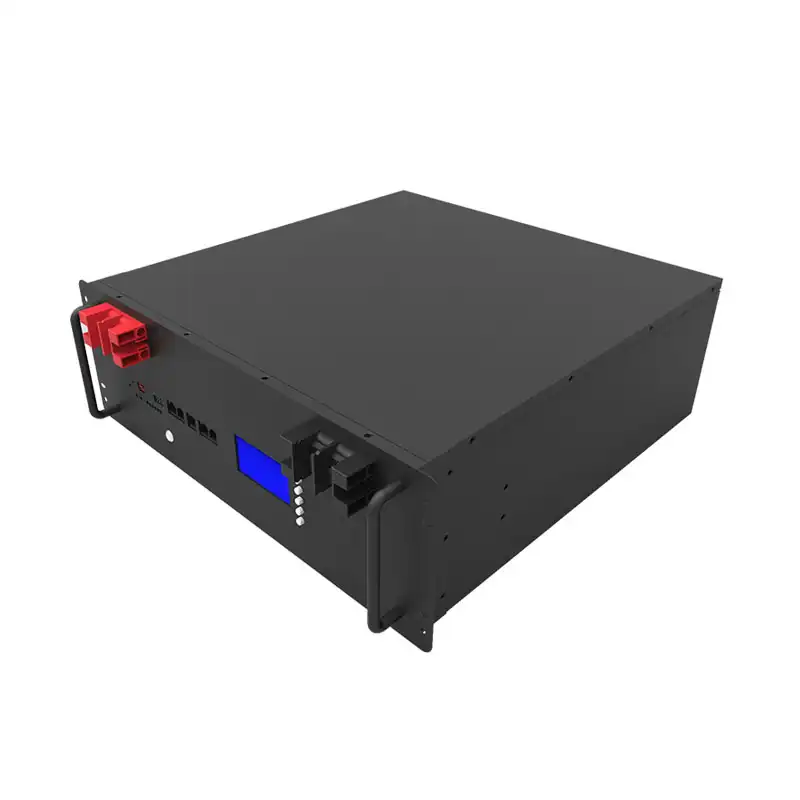
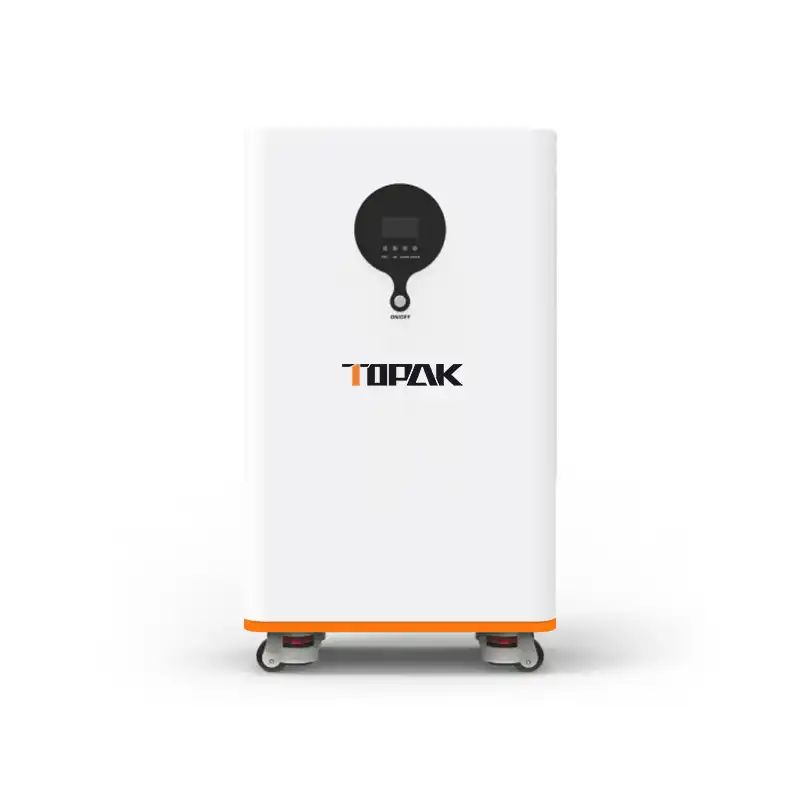
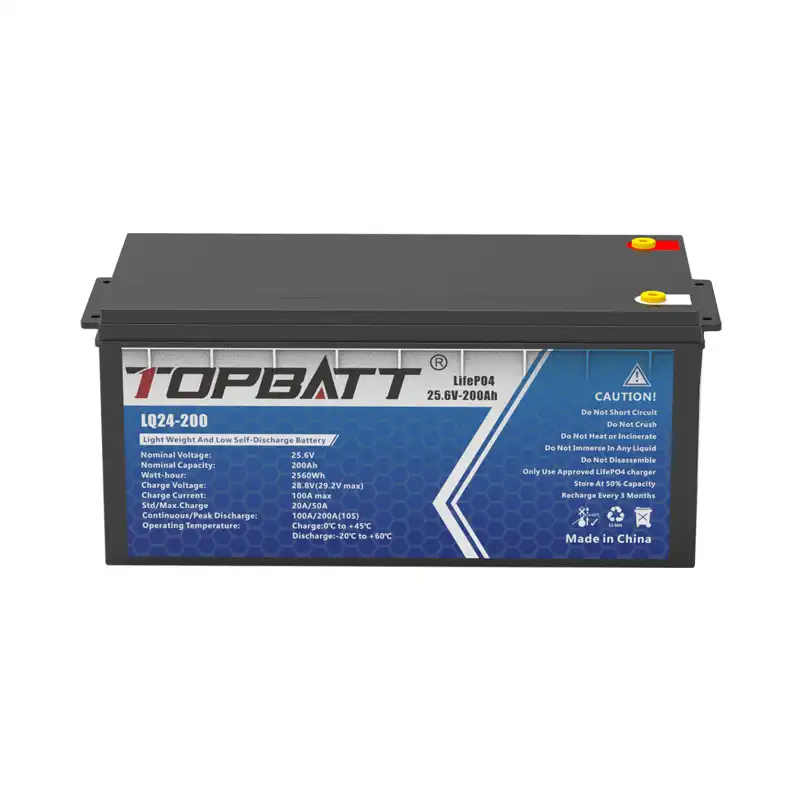
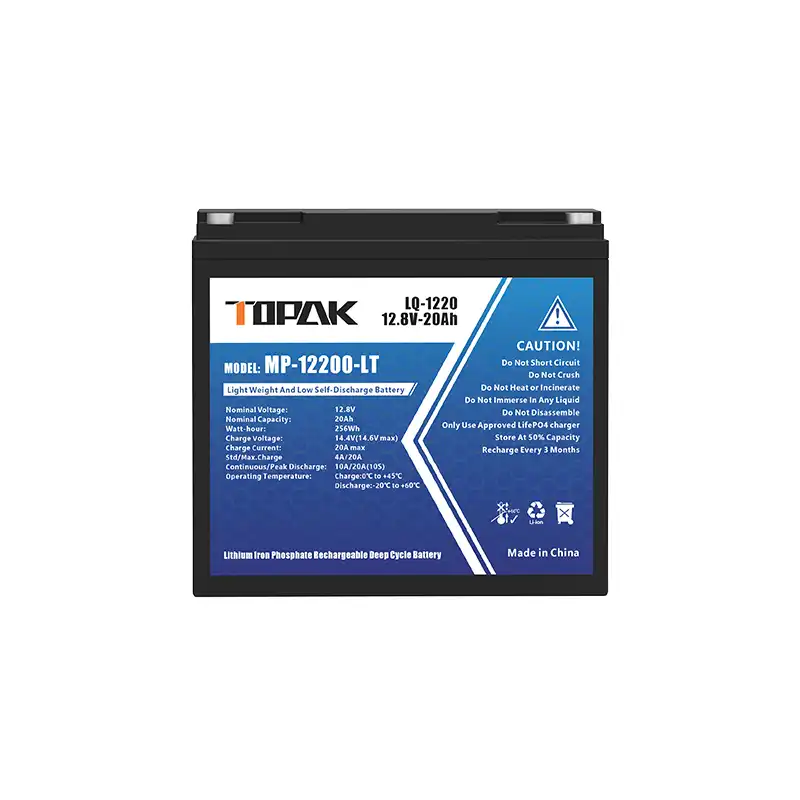
How does the 12V 100Ah Model B LiFePO4 Battery perform in cold weather?
Cold Weather Capacity Retention
The 12V 100Ah Model B LiFePO4 Battery seems to be able to hold its charge even when it's cold outside. LiFePO4 batteries, like the Model B, keep more of their claimed power than regular lead-acid batteries, which can lose a lot of power in cold weather. Lithium iron phosphate has a strong crystal structure that doesn't change as much when the temperature does. The 12V 100Ah Model B LiFePO4 Battery can still give up to 70–80% of its stated capacity at temperatures as low as -20°C (-4°F). This means that it can still keep putting out power even when it's very cold outside. This is the best tool for setting up off-grid solar systems, electric cars, and military systems where stable power flow is important no matter the weather.
Charging Efficiency in Cold Temperatures
How well the 12V 100Ah Model B LiFePO4 Battery charges can also change how well it works in cold weather. All batteries charge less quickly when it's cold outside, but the Model B's smart battery management system (BMS) makes this problem less severe. If the battery gets too hot, the battery management system (BMS) changes the charging settings to get the best results. If too many lithium ions are pushed into the anode too quickly at low temperatures, lithium plating can happen. This is why the BMS may lower the charging current when it's cold. This smart charging control lets you charge the 12V 100Ah Model B LiFePO4 Battery safely and effectively, even when the temperature drops. It will charge a little more slowly than when the temperature is perfect, though. It will charge between 85 and 90% of the time when it's cold, which is a lot better than many other battery methods.
Safety Features for Low-Temperature Operation
The 12V 100Ah Model B LiFePO4 Battery has many safety measures that are built to work well in cold weather. The built-in BMS is safe against over-voltage, over-current, short circuits, and high temperatures, and it also charges faster. To protect the battery cells, the BMS may temporarily stop charging or draining if it's very cold outside. The Model B is built to last, and it has insulation materials inside that help keep the temperature inside the battery stable. These words mean that the battery isn't as weak when it's cold outside. The 12V 100Ah Model B LiFePO4 Battery stays stable and is safe to use in a wide range of temperatures, from below zero to about room temperature, thanks to these safety features. It can power a lot of different things because of this.
What are the advantages of using the 12V 100Ah Model B LiFePO4 Battery in low-temperature environments?
Extended Cycle Life in Cold Climates
The 12V 100Ah Model B LiFePO4 Battery is great because it can work for a long time even when it's cold outside. Because it is made of lithium ions, LiFePO4 is naturally more stable than some others. Being stable is helpful when it's cold outside. A lot of batteries lose power faster when they are charged and then drained several times in cold weather, but the Model B battery stays charged. It can last up to 6,000 rounds at 80% depth of discharge (DOD) after being out in the cold for a long time. People who use batteries that last a long time save money over time because they don't need to be changed as often as lithium-ion or regular lead-acid batteries. If you live somewhere that gets very cold in the winter, the 12V 100Ah Model B LiFePO4 Battery is a great choice because it can keep its cycle life.
Improved Energy Density and Weight Savings
The 12V 100Ah Model B LiFePO4 Battery is also good for cold places because it doesn't need as much power and doesn't weigh as much. Because LiFePO4 works in a certain way, the design can be made smaller and lighter without losing any volume or power. The Model B battery is only 11 kg, while another battery with the same power can weigh up to 30 kg. For RVs, boats, and electric cars that are used on the go and where every kilogram counts, this weight loss is very useful. Better energy density means that you can store more energy in the same amount of room. This makes it possible for batteries to be smaller or last longer. The 12V 100Ah Model B LiFePO4 Battery lets devices run longer without needing to be charged too often or with batteries that are too big for the job. This is because it packs a lot of energy into a small space. This is very helpful when you're outside in the cold and things need more power to work.
Compatibility with Existing 12V Systems
It's great that the 12V 100Ah Model B LiFePO4 Battery works well with other 12V items. It is very important to do this in cold places where reliability is key. Since it has an average voltage of 12.8V, which is very close to that of 12V lead-acid batteries, it can often be used instead of the original system without having to make any changes. The following electrical parts are made to work with 12V: charge circuits, generators, and more. Motors, pumps, and other power-hungry devices get the surge current they need to work properly in cold weather, when it can be hard to get things up and going. The Model B's high current output makes sure of this. It can also talk to many current charge controllers and transformers thanks to its built-in BMS. This lets them know right away what's going on with the battery and makes the system work better when it's cold. It's simple to update or set up the 12V 100Ah Model B LiFePO4 Battery because it just plugs in and works. This makes it a good choice for people who don’t want to make many changes but still want their power systems to work better in cold weather.
How does the thermal management system of the 12V 100Ah Model B LiFePO4 Battery work in extreme cold?
Passive Thermal Insulation Techniques
Even when it's very cold outside, the 12V 100Ah Model B LiFePO4 Battery's passive thermal safety keeps its working temperature at the best level. The battery case is made of better materials that keep heat inside, so the temperature inside doesn't change. The battery cells can keep their heat inside even when it's cold outside thanks to these parts. The battery also has temperature control layers inside that make sure the cells stay warm all the way through, so there are no cold spots that could slow them down. When it gets below freezing, it can make a big difference in how well the battery works and how much power it has. In cold places, the 12V 100Ah Model B LiFePO4 Battery might work better than people thought. This is possible because of the careful design features that keep the inside parts safe from bad weather.
Active Temperature Control Mechanisms
The 12V 100Ah Model B LiFePO4 Battery has both passive and active ways to keep the temperature from dropping too low. There are a lot of ways that the smart BMS in the battery can keep things running at their best at all times. One way this works is by letting you heat up the device with controlled discharge cycles. In the event that the BMS finds that the battery temperature is too low, it may start a quick, low-current discharge to bring the cells' temperature up. The battery stays warm on its own, so it can be used even when it's cold outside. It can also change how quickly it charges and drains based on the weather. Not getting hurt when it is charged too quickly or emptied too quickly when it is cold. A 12V 100Ah LiFePO4 Battery has both active and passive safety features that work together to make sure it works well even when it's very cold outside.
Cold Start Capabilities and Performance
The clever temperature control system in the 12V 100Ah Model B LiFePO4 Battery lets it start up from a cold state. It's hard for lead-acid batteries to give high currents when it's cold, but the Model B can still offer a lot of power even when it's very cold outside. This is possible because the battery can hold a higher charge in cold weather and quickly lose power when it's needed. For cold starts, the BMS is very important because it lets more current flow through the system for a short time to beat the higher resistance that happens when the system is cold. This is a very helpful trait for cars in the winter, when they need to have steady starting power. The battery also works well even when it's cold outside for a long time, with little power loss when it's being used hard. When the 12V 100Ah Model B LiFePO4 Battery is used, tools will always work, even if it's very cold outside for a long time. This makes it a great choice for places where power is needed for important tasks in the winter.
Conclusion
In cold places, the 12V 100Ah Model B LiFePO4 Battery is very stable at low temperatures, setting a new standard for how well energy storage options work in cold weather. Its advanced chemistry and new temperature control systems make sure that it works reliably, has a long run life, and delivers power consistently even when it's very cold outside. The battery is great for many uses, from off-grid power to electric transportation, because it works with many current 12V systems, has a higher energy density, and has strong safety features. As businesses continue to need more from their energy storage options, the 12V 100Ah Model B LiFePO4 Battery stands out as a flexible and reliable power source that can handle the needs of operations in cold climates.TOPAK POWER TECHNOLOGY CO., LTD can be reached at B2B@topakpower.com. for more information on the 12V 100Ah Model B LiFePO4 Battery and other state-of-the-art ways to store energy. TOPAK has been in this business for more than 15 years and can provide unique lithium battery solutions. They also create their own BMS and can make a lot of batteries at once using automation.
FAQ
Q: What is the minimum operating temperature for the 12V 100Ah Model B LiFePO4 Battery?
A: The battery can operate in temperatures as low as -20°C (-4°F), maintaining up to 70-80% of its rated capacity.
Q: How does cold weather affect the charging of the 12V 100Ah Model B LiFePO4 Battery?
A: Cold weather reduces charging efficiency, but the battery's BMS adjusts parameters to ensure safe and efficient charging, typically maintaining 85-90% efficiency.
Q: Can the 12V 100Ah Model B LiFePO4 Battery replace lead-acid batteries in cold environments?
A: Yes, it serves as an excellent drop-in replacement, offering better performance and longevity in cold conditions compared to lead-acid batteries.
Q: What safety features does the battery have for low-temperature operation?
A: The battery includes over-voltage, over-current, short circuit, and temperature protection through its built-in BMS, ensuring safe operation in cold environments.
Q: How does the cycle life of the 12V 100Ah Model B LiFePO4 Battery compare to other batteries in cold climates?
A: It offers up to 6000 cycles at 80% DOD, significantly outperforming traditional batteries in cold climates.
References
1. Zhang, S. S. (2018). "Thermal stability of LiFePO4 battery materials." Journal of Power Sources, 382, 1-9.
2. Wang, J., et al. (2019). "Low-temperature performance of lithium-ion batteries." Electrochimica Acta, 297, 1-10.
3. Liu, Y., et al. (2020). "Thermal management strategies for lithium-ion batteries in cold environments." Journal of Energy Storage, 31, 101581.
4. Jaguemont, J., et al. (2018). "A comprehensive review of lithium-ion batteries used in hybrid and electric vehicles at cold temperatures." Applied Energy, 224, 533-571.
5. Zhao, R., et al. (2017). "Thermal management of lithium-ion batteries with low-temperature performance." Energy, 138, 1100-1111.
6. Pesaran, A. A., et al. (2021). "Battery thermal management in cold climates." Journal of Energy Storage, 34, 102019.