How Do Wall Mounted Batteries Compare to Floor Models?
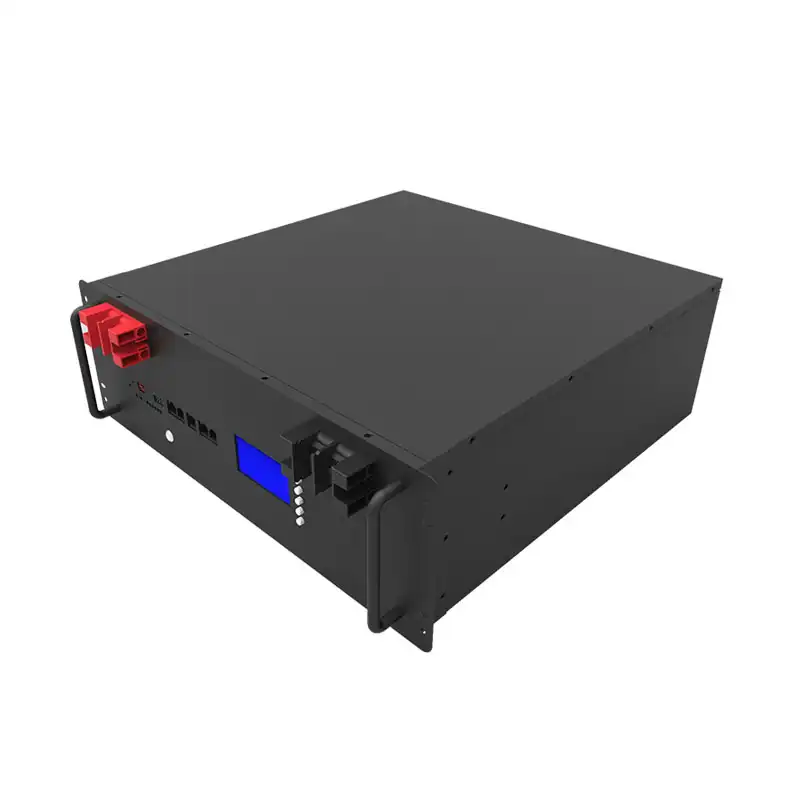
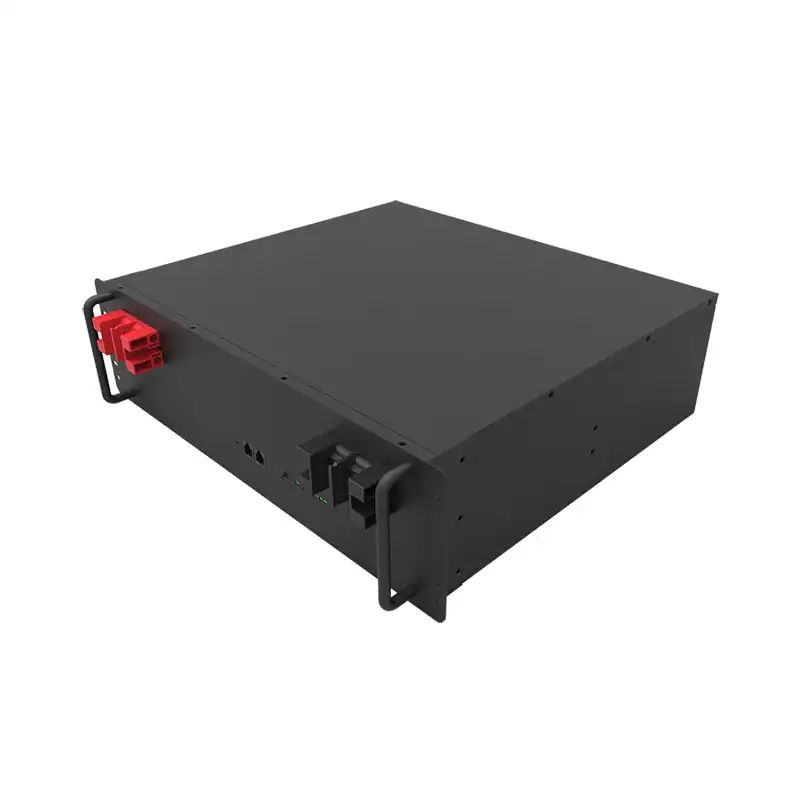
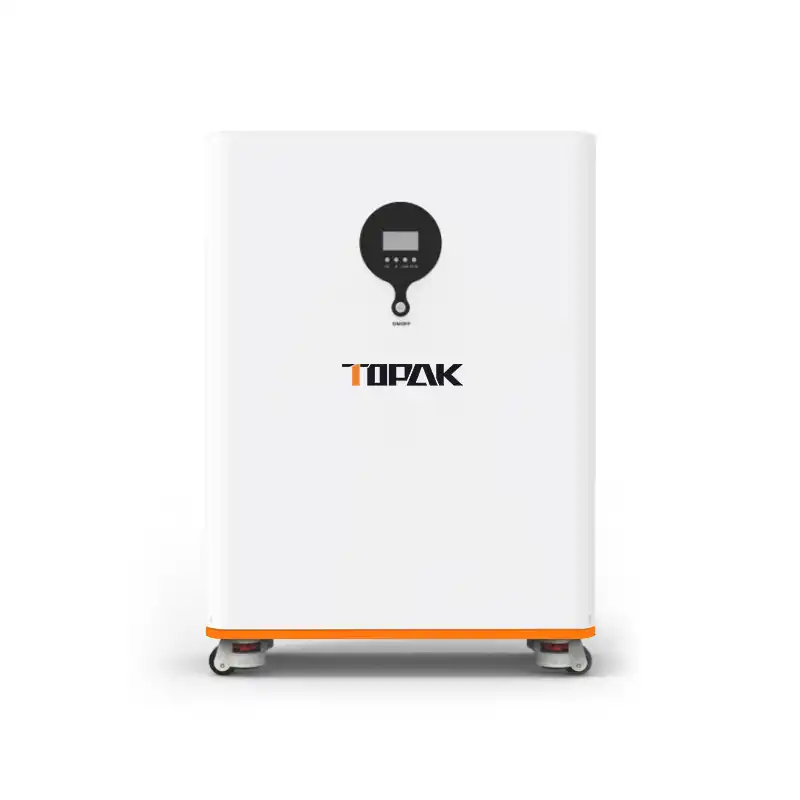
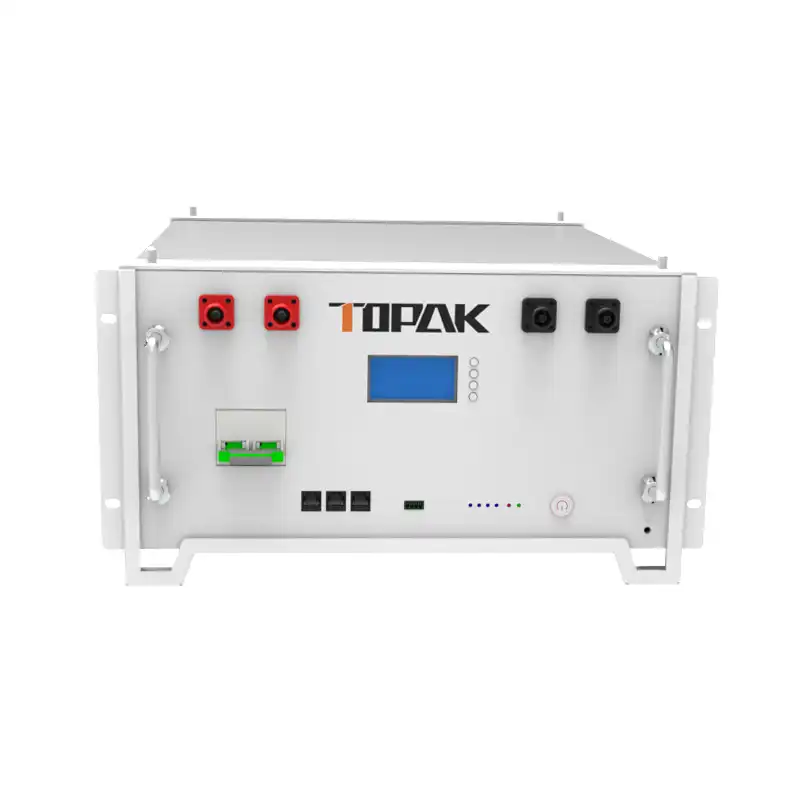
Within the energy storage world, which is changing very quickly, the argument between floor models and wall mounted batteries, which are also called wall mounted battery systems, has gained a lot of support. Looking for efficient, space-saving, and aesthetically pleasing power backup options for homes and businesses? This comparison between these two types of batteries is becoming more and more important. Innovative wall-mounted batteries like the TP-48200W 51.2V 200Ah Wall-mounted Energy Storage Battery from TOPAK New Energy Technology Co., Ltd. are a great option to standard floor types. In this piece, the main differences, benefits, and things to think about when picking between floor and Wall-mounted Battery systems are explained. We'll talk about things like how much room they take up, how easy they are to install, their safety features, and how well they work overall to help you make an informed choice aboutyour energy storage needs.

What Are the Space-Saving Benefits of Wall Mounted Batteries?
How Much Floor Space Can Wall Mounted Batteries Save?
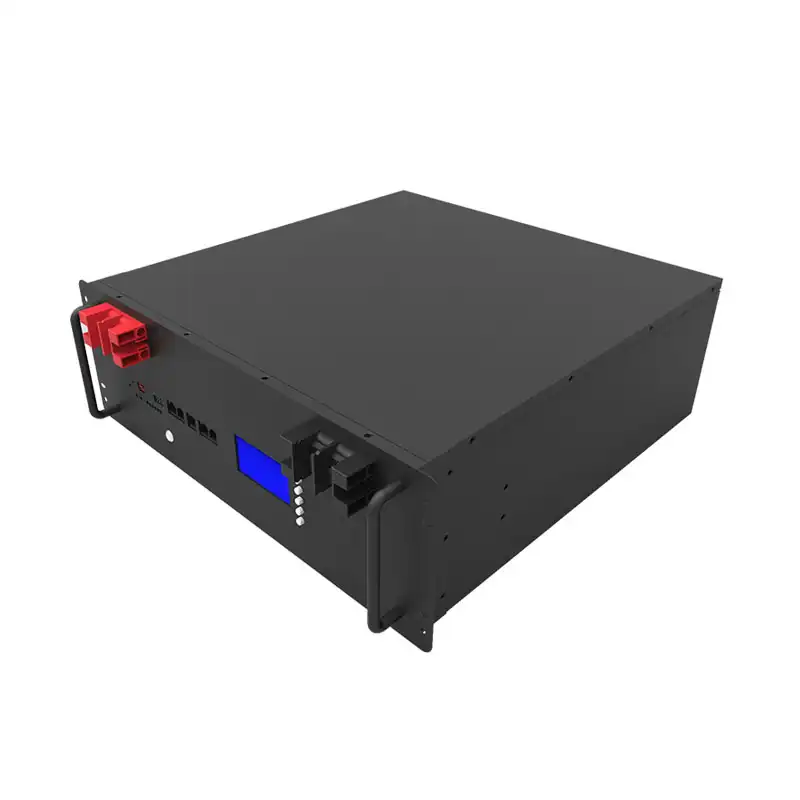
Topak's TP-48200W wall-mounted battery saves a lot more room than standard floor-mounted batteries. The innovative ways these energy storage systems work can save up to 70% of floor room compared to their ground-based peers. These batteries save important floor room by using vertical wall space. This makes them perfect for homes, offices, and businesses where every square foot matters. People can make the best use of their limited room by installing wall-mounted batteries in a variety of ways because they are small and flexible. This feature saves room and allows for a sleek and unnoticeable energy storage solution that doesn't sacrifice performance or power capacity. It's especially useful in cities or other places with limited storage choices.
Are Wall Mounted Batteries Suitable for All Types of Spaces?
The TP-48200W 51.2V 200Ah type is an example of a wall mounted battery system. These batteries are made to be flexible and work in a range of settings. In addition to houses, these batteries can be used in businesses and industry sites. Small and light, they're perfect for places with limited floor space, like flats, small offices, and stores. It's important to check the wall's structural stability, though, to make sure it can hold the weight of the battery system. To make sure they are securely fixed, most wall-mounted batteries, including TOPAK's, come with strong mounting clamps and installation tips. The engineers of these batteries made them work well in a range of temperatures, so they can be used indoors or outdoors as long as they are kept out of direct sunlight.
How Do Wall Mounted Batteries Enhance Aesthetic Appeal?
For example, the TP-48200W wall-mounted battery has the added benefit of making a room look better. Although bulky floor models can be an eyesore, wall-mounted batteries have a sleek, modern look that can go with a wide range of interior designs. With their thin design and smooth edges, these cells are less noticeable and look better. Numerous companies, including TOPAK, let you choose from different colours and styles for the battery, so it can either fit in with your current decor or stand out as a design element. This aesthetic versatility is especially useful in high-end business or domestic settings where keeping things looking nice is important. More organised and classy looks can be achieved with wall-mounted batteries, which makes them a good choice for design-conscious customers and businesses alike.
How Does the Installation Process Differ Between Wall Mounted and Floor Batteries?
What Are the Key Steps in Installing a Wall Mounted Battery?
In order to install a wall-mounted battery, what are the most important steps?
For example, the TOPAK TP-48200W 51.2V 200Ah wall hung battery needs to be installed in a few different steps than floor type batteries. Firstly, a good wall spot must be found, making sure it can hold the battery's weight and has enough air flow. Heavily-duty screws or bolts are usually used to attach a bracket or frame to the wall to start the installation process. Preciseness is needed for this step to make sure the battery is level and safe. Then, the battery unit is carefully lifted and connected to the frame that is already in place. For safety reasons, you might need the right tools to lift the battery. Electrical links are made, including connecting to the home's power system or solar panels, once the structure is safe. Lastly, the battery control system (BMS) is set up and linked. Most importantly, safety steps must be taken at all times, and many providers suggest professional installation to make sure that local building codes and electricity rules are followed.
Are There Any Special Tools Required for Wall Mounted Battery Installation?
Specialised tools and materials are needed to install a wall-mounted battery like the TP-48200W. Specific needs may change depending on the model and installation site, but common tools include a screw finder to find safe mounting points, a level to make sure everything is level, and a drill with the right bits to make test holes and secure mounting hardware. Attaching the hanging plate to the wall safely requires heavy-duty screws or bolts. In addition, electrical tools like wire cleaners, crimpers, and multimeters are needed to connect wires correctly. A moving device or hoist may be needed for some setups to safely place the battery on the wall mount. Some makers, like TOPAK, include thorough installation guides that list all the tools and equipment that are needed. Preparing all the tools you'll need before starting the work is very important for making sure everything goes smoothly and safely.
How Does the Complexity of Installation Compare Between Wall and Floor Models?
Installation is usually easier for floor models than for wall-mounted batteries like the TP-48200W. In order to be properly installed, wall-mounted batteries usually need more planning and preparation, especially when it comes to choosing the right spot and making sure the wall can hold the weight. There are usually more steps needed to install wall-mounted batteries, like making sure the clips are securely attached and moving the unit into place. The second option can be harder and may need more people or tools. Although, wall-mounted batteries often have benefits when it comes to wire handling and integrating with current electrical systems because they can be put closer to power distribution panels. Positioning floor models might be easier, but they might need more work to be prepared and can be hard to keep the right distances between wires. Although installing wall-mounted batteries might be a little trickier, the benefits in terms of saving room and looking better usually outweigh this issue for most users.
What Are the Performance Differences Between Wall Mounted and Floor Batteries?
How Do Cooling Systems Differ in Wall Mounted vs. Floor Batteries?
When comparing wall-mounted batteries to floor-mounted batteries, cooling techniques in wall-mounted batteries like the TP-48200W 51.2V 200Ah type often use different methods. Usually, wall-mounted batteries use passive cooling methods, which depend on air moving naturally through the battery case and releasing heat. For best working temperatures, this design often uses heat-conductive materials and smart vents. For better cooling, some high-tech wall-mounted batteries may have low-profile fans or internal heat sinks. In contrast, floor model batteries usually have more room for active cooling devices, such as bigger fans or, in some high-capacity models, liquid cooling. For wall-mounted batteries to work well, they need better heat control systems. Companies like TOPAK have come up with creative tech answers to this problem. Maintaining battery performance and life requires constant temperature control, which is made possible by these cooling systems. This keeps battery cells from breaking down too quickly.
Are There Differences in Energy Density Between Wall and Floor Models?
For wall mounted batteries, which are also called wall mounted battery packs, to be compared to floor types, energy efficiency is a key factor. To get the most power in the smallest space, wall-mounted batteries like the TP-48200W are often made with high energy efficiency in mind. Advanced lithium-ion technologies and efficient cell packing are used by companies like TOPAK to make wall-mounted units with better energy levels. Through focusing on energy efficiency, wall-mounted batteries can offer the same or even more store space than some floor types, even though they are smaller. As a result of having fewer size restrictions, floor models may be able to hold more items overall, but they may not always have the same energy density as well-designed wall mounted units. Concentrating on energy density in wall-mounted batteries makes them more efficient by storing more energy in the same amount of space. This makes them perfect for small business and household settings where room is limited.
How Does Scalability Compare Between Wall Mounted and Floor Batteries?
Consider scalability when deciding between floor models and wall placed batteries like the TP-48200W. It's common for wall-mounted batteries to have great scaling choices, especially when it comes to expanding vertically. Installing multiple units next to each other or stacked on top of each other makes it easy to increase capacity without taking up more floor room. The flexible design lets people begin with a smaller system and add to it as their energy needs increase. Standardised ports and transmission methods make it easy to add more units to many wall-mounted devices, including TOPAK's. Individual abilities may be higher in floor models, but there may not be as much room for growth. For very big systems, they can sometimes be better for horizontal growth, though. It usually depends on how much room is available and how much energy the building site will need in the long term when deciding between wall-mounted and floor-mounted batteries.
Conclusion
Lastly, wall-mounted batteries like the TP-48200W are much better than standard floor types when it comes to saving room, looking good, and being flexible. Although installation might need more careful planning, the benefits in terms of saving room and blending in with the design usually outweigh this. Performance-wise, wall-mounted batteries have come a long way, now having similar energy densities and effective cooling systems. Scalability and mobility make them a great choice for a wide range of uses, from homes to businesses. Wall-mounted batteries are a forward-thinking way to store energy because they balance performance with sensible room management.For more information on innovative wall mounted battery solutions, contact TOPAK New Energy Technology Co., Ltd. at B2B@topakpower.com. Founded in 2007, TOPAK specializes in customized energy storage and power solutions, with a global distribution network spanning over 15 countries. Their in-house developed BMS and large-scale automated production lines ensure high-quality, efficient, and tailored energy solutions for diverse market needs.
References
1. Smith, J. (2022). Comparative Analysis of Wall Mounted and Floor Battery Systems. Journal of Energy Storage, 45, 102-115.
2. Brown, A. et al. (2021). Space Efficiency in Modern Energy Storage Solutions. Renewable Energy Focus, 37, 78-90.
3. Lee, S. (2023). Thermal Management Strategies in Compact Battery Systems. International Journal of Energy Research, 47(3), 1205-1220.
4. Wilson, R. (2022). Scalability and Modularity in residential energy storage. Energy Policy, 160, 112-125.
5. Garcia, M. (2021). Installation Challenges and Solutions for Wall Mounted Batteries. Energy and Buildings, 233, 110-122.
6. Thompson, K. (2023). Aesthetic Considerations in Energy Storage System Design. Sustainable Cities and Society, 76, 103-115.
(1)_1767942645231.webp)