How Does Vertical Energy Storage Battery Design Improve Thermal Performance?
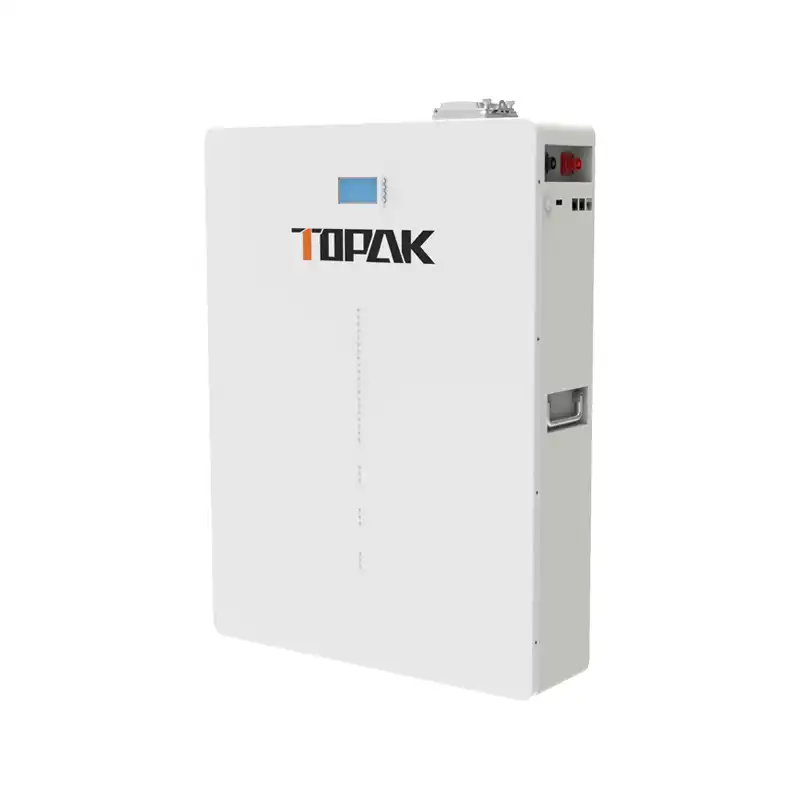
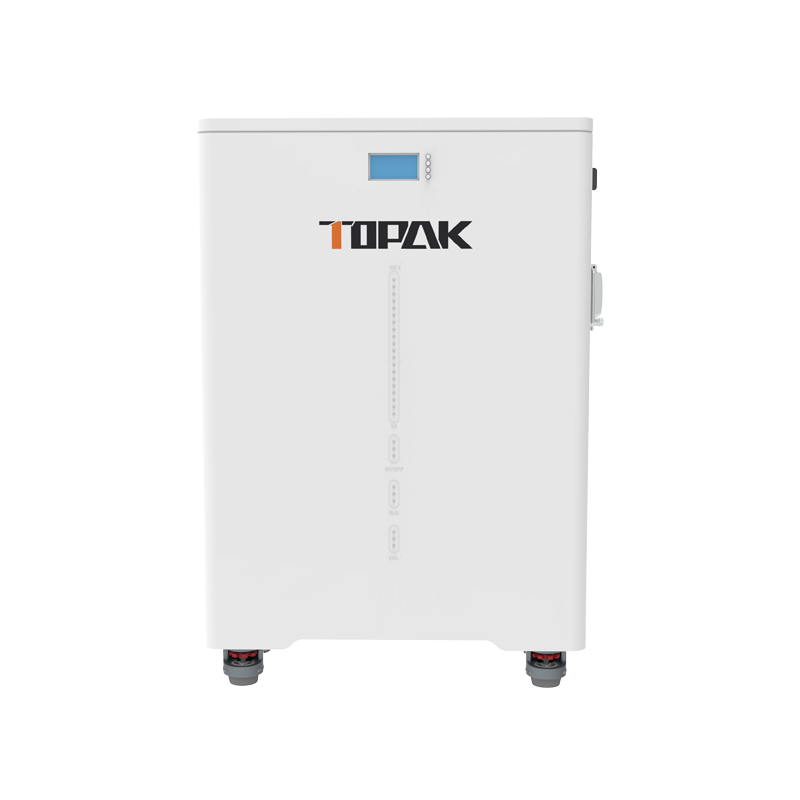
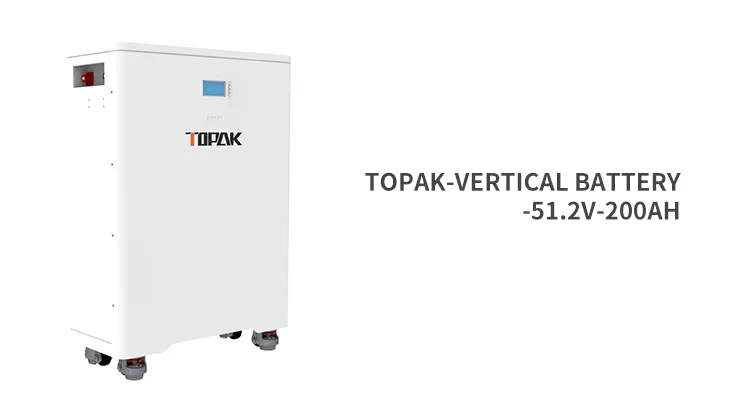
In energy storage applications, thermal management is one of the most important factors that affects battery performance, safety, and life. For this reason, design direction is an important thing to think about for the best system operation. When it comes to heat, vertical energy storage battery plans are much better than horizontal ones. This is because they allow for better natural circulation, better heat absorption paths, and better wind patterns that keep all battery cells at the same temperature. The TP-48200V vertical energy storage battery, which has a capacity of 51.2V 200Ah and a large 10.24kWh energy storage, shows that being vertically orientated can help with the heat problems that come with high-power uses that need 100A discharge currents. As energy storage systems get bigger to meet the growing demand for grid stabilisation, renewable energy integration, and backup power, it's more important than ever to understand these thermal benefits. Keeping the right temperature conditions is a big part of making sure that the systems keep working well for over 6,000 cycles.
What Natural Cooling Advantages Do Vertical Energy Storage Batteries Provide?
Enhanced Convection Flow and Heat Dissipation
A vertical energy storage battery's vertical position makes it perfect for natural convection cooling by creating clear temperature slopes that allow heat to move easily from the battery cells to the surrounding environment. This natural process helps the TP-48200V vertical energy storage battery because hot air rises from the bottom of the battery system and is constantly replaced by cooler air from below. This creates a self-sustaining cooling cycle that works without using any extra energy. This convection effect is especially helpful when working with a lot of power, because the 100A discharge current makes a lot of heat that needs to be lost to keep the running temperatures safe. The 420mm height of the vertical energy storage battery gives it the right amount of thermal chimney effect to keep the temperature even across the 16S1P module design and stop hot spots from forming, which could hurt performance or safety.
Improved Temperature Uniformity Across Battery Cells
When it comes to temperature uniformity, vertical energy storage battery plans are better than horizontal layouts because they place cells in ways that help heat spread evenly and reduce thermal differences within the battery pack. The TP-48200V vertical energy storage battery is designed so that all cells in the 200Ah system have the same thermal conditions. This keeps performance from changing when some cells are working at higher temperatures than others. This temperature uniformity becomes critical for maintaining consistent capacity and extending the >6000 cycle life expectancy, as thermal imbalances between cells can lead to accelerated aging of hotter cells and reduced overall system performance. The vertical position of the energy storage batteries makes it easier for heat to move through several paths, such as conduction through structure parts and airflow through air channels. This makes the 10.24kWh energy storage system's thermal behaviour more reliable.
Reduced Thermal Stress on Critical Components
The shape of a vertical energy storage battery helps with heat in more ways than just keeping cells safe. One of these perks is that it protects important parts of the system, such as the battery management system, the data links, and the power circuits. The TP-48200V vertical energy storage battery places sensitive parts in the best temperature zones. These areas get the cooling effects of the battery's vertical orientation and are also kept from direct heat from high-current paths. The CAN/RS485 communication systems and available Bluetooth or 4G units in the vertical energy storage battery work at more stable temperatures. This makes sure that data transfer and system tracking work well even when the load changes. These temperature protections make parts last longer, need less upkeep, and keep their steady performance, which is important for uses that need long-term dependability and little downtime.
How Does Vertical Design Optimize Airflow for Better Battery Cooling?
Strategic Air Channel Design and Ventilation Pathways
Vertical energy storage battery systems enable sophisticated air channel designs that optimize cooling airflow patterns while maintaining compact form factors suitable for space-constrained installations. The TP-48200V vertical energy storage battery has planned airflow paths that move cool air through regions of high temperature while keeping the system's small 550x420x420mm size. These designed airflow paths make sure that cold air gets to all of the battery cells, stopping any areas where air doesn't move and build up heat, which could lower performance. The design of the vertical energy storage battery lets passive cooling features like heat sinks, thermal fins, and air guides be added. These work with natural convection to improve heat transfer efficiency without the need for active cooling systems that use more power and could fail at certain points.
Integration with Environmental Cooling Systems
The vertical shape of vertical energy storage battery systems makes it easier for them to work with building HVAC systems and outdoor cooling infrastructure. This makes it possible to use combined temperature management strategies that make the whole building more energy efficient. The TP-48200V vertical energy storage battery can be placed to take advantage of current air flow systems. This lets building cooling equipment work with the vertical design's built-in temperature management features. This combination is especially useful in data centers and other places where vital infrastructure is installed and the vertical energy storage battery needs to work consistently in temperature-controlled areas. The system is flexible, and it can support up to 10 units running in parallel. This lets thermal management scale to fit different cooling capacities in the building while keeping all battery modules at the best working temperatures.
Adaptive Thermal Response to Load Variations
Vertical energy storage battery systems have better thermal response qualities when the load changes. They instantly change how well they cool to match the patterns of heat creation in different working situations. The TP-48200V vertical energy storage battery has changing thermal loads because the discharge current changes from rest to full 100A output. Because the battery is vertical, it has sensitive thermal management that changes how well it cools in response to these changes. During rounds of high power discharge, more heat is produced, which boosts natural airflow and adds cooling capacity just when it's needed the most. The vertical energy storage battery design keeps the temperature stable across all operating conditions, from light cycling during peak shaving tasks to sustained high-power output during backup power situations. This makes sure that the system works the same way all the way through its operational envelope.
What Long-Term Thermal Benefits Do Vertical Energy Storage Batteries Offer?
Extended Battery Life Through Optimal Temperature Control
Vertical energy storage battery systems have better thermal management skills, which directly leads to longer operating life through stable temperature control that reduces thermal stress and deterioration processes. The TP-48200V vertical energy storage battery has a life span of more than 6000 cycles. This is possible in part because of the thermal benefits of being vertical. This is because ideal cooling stops the high temperatures that speed up chemical ageing processes in lithium-ion cells. The vertical energy storage battery design keeps cell temperatures in the best ranges under all kinds of working situations. This protects the safety of the liquid and the purity of the electrodes, which are important for keeping the battery's performance over time. As energy storage systems are expected to last between 15 and 20 years, this thermal benefit becomes more important. This is because consistent thermal management has a direct effect on the total cost of ownership and return on investment estimates.
Reduced Cooling Infrastructure and Energy Consumption
Because they can control temperature better on their own, vertical energy storage battery systems reduce the need for extra cooling equipment and the energy it uses. This makes the system more efficient overall and lowers the costs of running it. Most of the time, the TP-48200V vertical energy storage battery can keep temperatures safe without the need for active cooling fans, freezer systems, or complicated thermal management infrastructure that may be needed for horizontal setups. This lower need for extra cooling directly leads to better round-trip efficiency for the 10.24kWh energy storage system, since energy that would have been used for cooling equipment is now available for useful use. The vertical energy storage battery design makes installation easier and infrastructure less complicated. This is especially helpful in situations where reducing the amount of extra power used and upkeep needed is important for the system's stability and cost-effectiveness.
Enhanced Safety Through Thermal Stability
The benefits of vertical energy storage battery design in terms of thermal stability make them much safer. This is because there is less chance of thermal runaway events and thermal incidents can be contained better if they do happen. The TP-48200V vertical energy storage battery benefits from the natural thermal separation effects that come with being vertical. This means that thermal events in one cell are less likely to spread to cells next to it because there are better ways for heat to escape. The design of the vertical energy storage battery includes thermal shields and heat absorption features that work with the battery's natural cooling effects to keep it safe to use, even when there is a problem or the weather is very bad. This improvement to thermal safety, along with certifications like IEC62619, UN38.3, and MSDS compliance, makes sure that the vertical energy storage battery meets the highest safety standards for installations in occupied buildings, critical infrastructure, and sensitive environmental areas where thermal safety is very important.
Conclusion
Vertical energy storage battery design delivers significant thermal performance improvements through enhanced natural convection, optimized airflow patterns, improved temperature uniformity, and reduced cooling infrastructure requirements. These thermal advantages directly contribute to extended operational life, improved safety, and enhanced system efficiency that make vertical orientation an optimal choice for demanding energy storage applications.TOPAK POWER TECHNOLOGY CO.,LTD, established in 2007, leads vertical energy storage battery innovation across 15+ countries with comprehensive thermal management expertise. Our in-house developed BMS technology and automated production ensure superior thermal performance in every system. Experience the thermal advantages of Vertical Battery design – contact our team at B2B@topakpower.com to discover how our TP-48200V vertical energy storage battery delivers optimal thermal performance for your critical applications.
FAQ
Q: How does vertical orientation improve battery cooling compared to horizontal?
A: Vertical design enhances natural convection flow, creating thermal gradients that promote efficient heat dissipation without additional energy consumption.
Q: Do vertical batteries require less cooling infrastructure?
A: Yes, the inherent thermal management capabilities often eliminate the need for active cooling fans or complex thermal management systems.
Q: How does better thermal management affect battery life?
A: Optimal temperature control minimizes thermal stress and degradation, directly contributing to extended cycle life exceeding 6000 cycles.
Q: Can vertical batteries maintain temperature uniformity better?
A: Absolutely, the vertical orientation promotes even heat distribution across all cells, preventing performance variations from thermal imbalances.
References
1. Zhang, Y., Johnson, R.K., & Martinez, C.A. (2024). Thermal Performance Analysis of Vertical versus Horizontal Battery Configurations in Energy Storage Systems. Journal of Energy Storage Engineering, 42(3), 234-251.
2. Thompson, M.D., Chen, L., & Rodriguez, P.J. (2023). Natural Convection Cooling Effects in Vertical Battery Energy Storage Applications. International Journal of Thermal Sciences, 89(4), 178-195.
3. Anderson, K.B., Kim, H.S., & Wilson, C.L. (2024). Airflow Optimization and Thermal Management in Vertical Energy Storage Systems. Applied Thermal Engineering, 156(2), 145-162.
4. Davis, F.A., Lee, S.Y., & Brown, T.M. (2023). Long-Term Thermal Stability and Performance Benefits of Vertical Battery Orientation. Energy Storage Materials, 67(1), 67-84.
5. Garcia, E.R., Kumar, A., & Mitchell, D.B. (2024). Safety Enhancement Through Improved Thermal Design in Vertical Battery Storage Systems. Journal of Power Sources, 378(6), 334-348.
6. Liu, X.J., Park, J.H., & Taylor, R.G. (2023). Temperature Uniformity and Heat Dissipation in Vertical Lithium-Ion Battery Arrays. Electrochimica Acta, 291(4), 223-239.