How Efficient Are C&I Battery Storage Systems?
Commercial and Industrial (C&I) battery storage systems have become an important part of modern energy. They give companies a powerful way to control how much energy they use, cut costs, and make their operations more environmentally friendly. As the need for stable and effective energy solutions keeps growing, C&I battery storage systems have become more complex, using cutting-edge technologies to make them work better and more efficiently. Not only do these systems provide backup power during power blackouts, they also let companies use energy more efficiently, add green energy sources, and take part in demand response programs. Businesses that are thinking about putting in C&I battery storage systems need to know how efficient they are because they can have a big effect on their bottom line and their impact on the environment. The article goes into detail about the different parts of C&I battery storage efficiency, looking at their performance, benefits, and possible uses in today's changing energy market.

What Factors Influence the Efficiency of C&I Battery Storage Systems?
Battery Chemistry and Technology
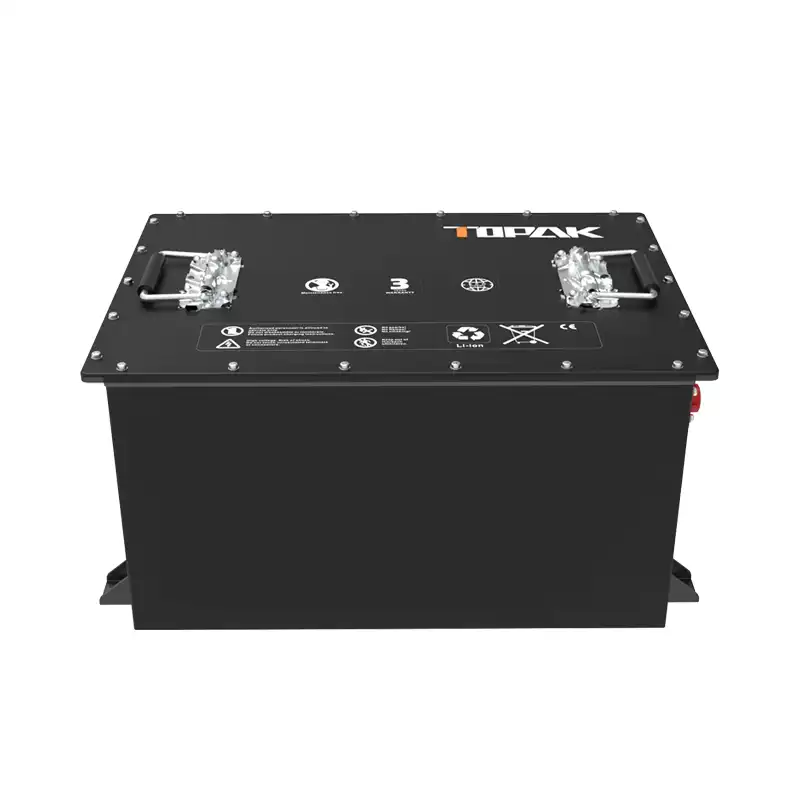
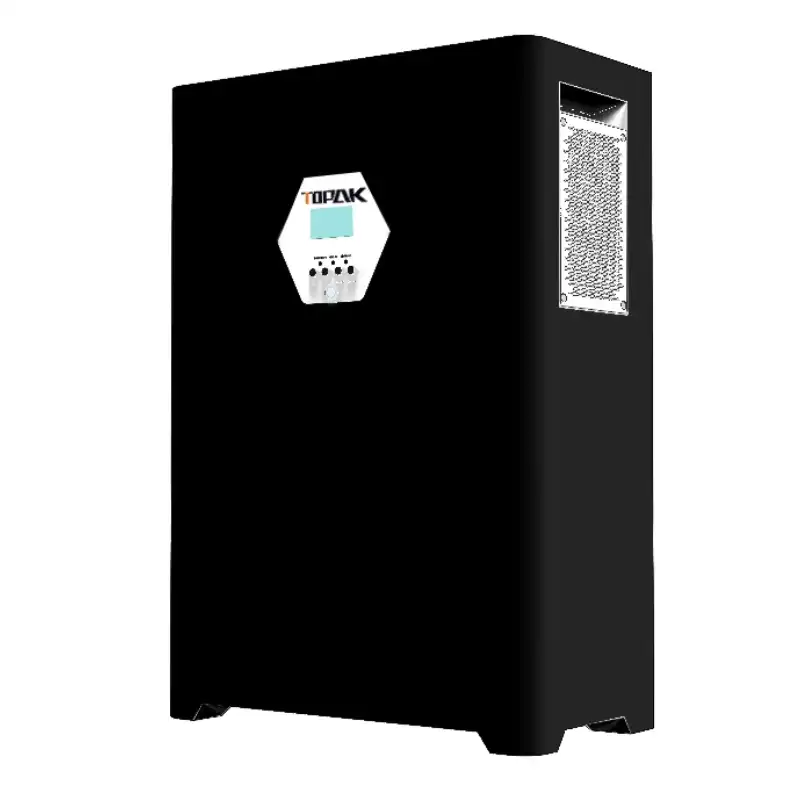
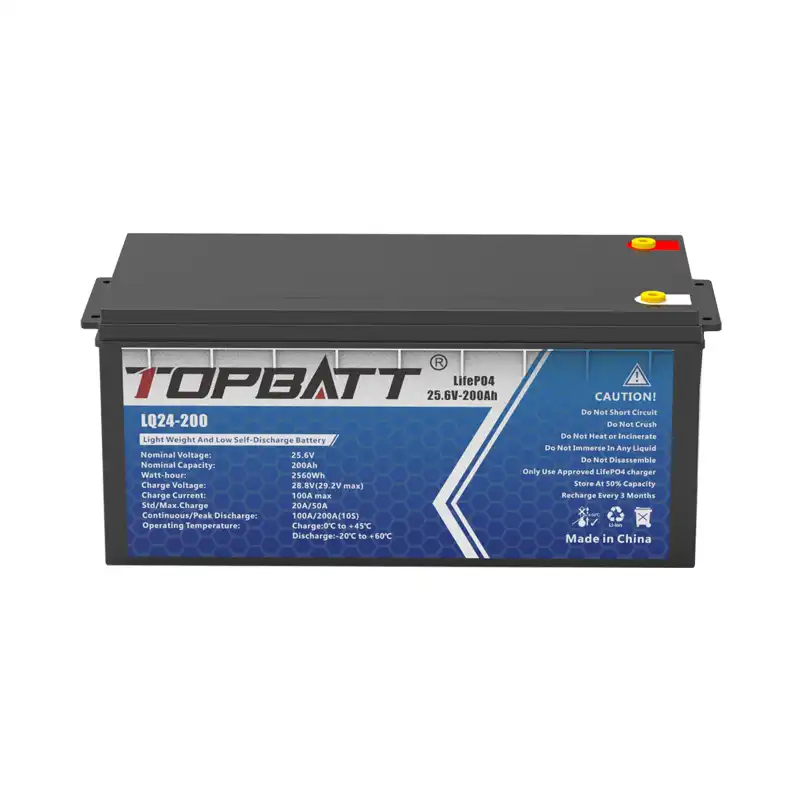
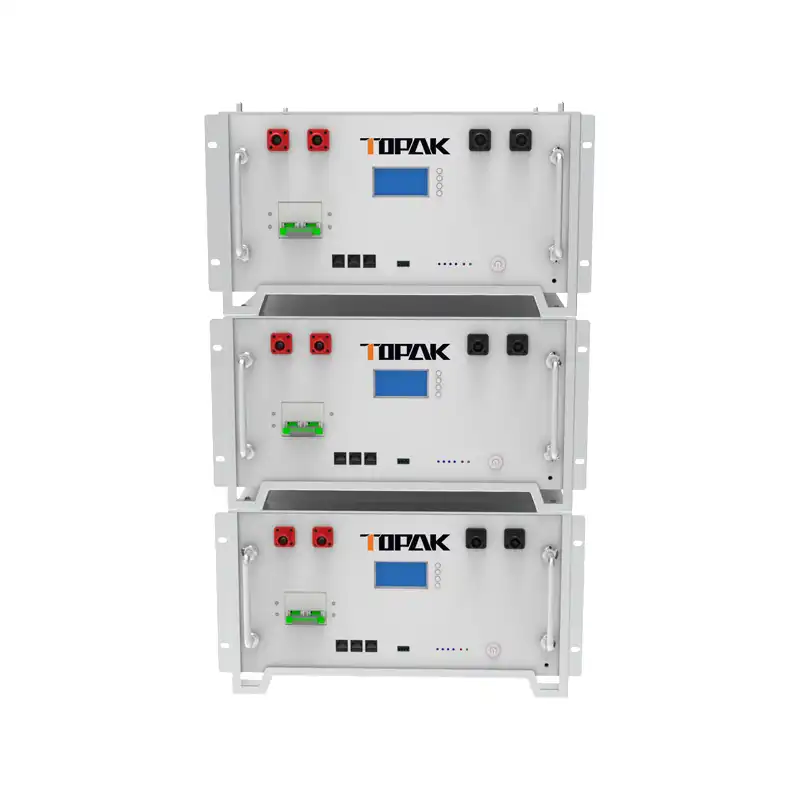
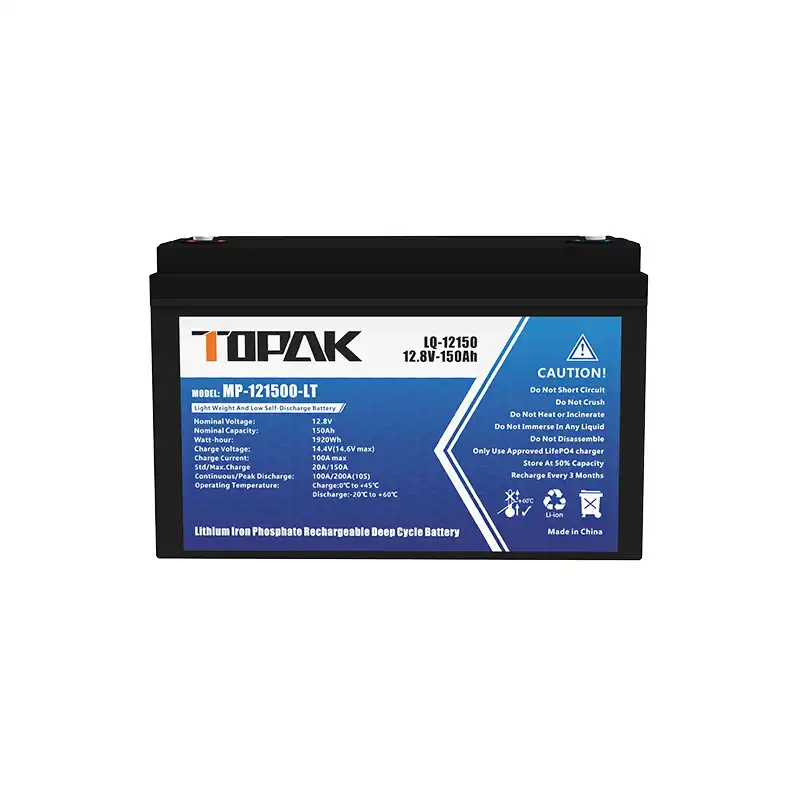
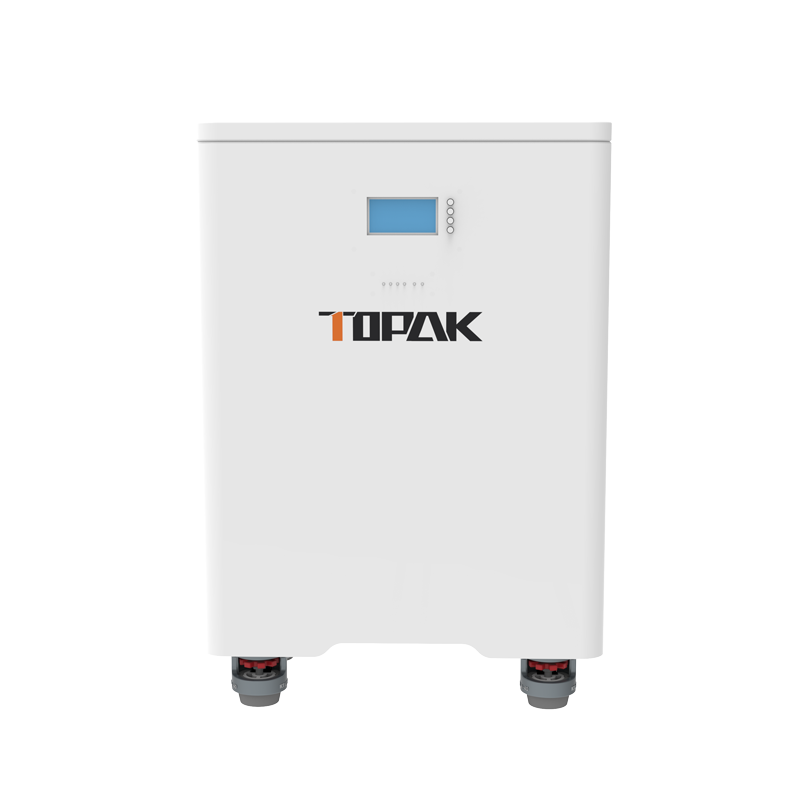
The chemical and science of the batteries used have a big impact on how well C&I battery storage systems work. Because they have a high energy density, a long cycle life, and better safety features, lithium-ion batteries, especially LFP (Lithium Iron Phosphate) batteries, have become the best choice for many C&I uses. For example, the TOPAK 25KW-50KWh Commercial & Industrial Energy Storage System uses a 512V 100Ah LFP battery, which works very well and is very reliable. Not only does the type of battery chemistry affect how well the system works overall, but it also affects how long it lasts, how fast it charges and discharges, and how deeply it can discharge. Advanced battery management systems (BMS) are very important for improving battery performance, keeping cell voltages even, and keeping the battery from overcharging or deep draining. This makes the C&I battery storage system work better overall.
Inverter and Power Electronics
The inverter and the power electronics that go with it are very important parts that have a big effect on how well C&I battery storage systems work. Good two-way inverters, like the 25KW inverter built into the TOPAK system, make it possible for power to flow smoothly between the battery, the grid, and any green energy sources that are attached. Because these inverters are often more than 95% efficient, they make sure that very little energy is lost during the switching process. Advanced Maximum Power Point Tracking (MPPT) controls also make the best use of the energy that solar panels produce, which makes the whole system even more efficient. Adding smart power electronics to a system lets you precisely control the flow of energy, which lets you do things like peak shaving, load moving, and taking part in demand response programs. These all make the system more cost-effective and efficient for C&I uses.
Energy Management System (EMS)
A smart Energy Management System (EMS) is what makes a C&I battery storage system work well. The EMS constantly checks how much energy is being made, used, and stored, and makes decisions in real time to make the best use of energy and keep costs as low as possible. Based on electricity costs and load patterns, TOPAK's C&I battery storage solution's EMS can automatically decide when to store extra solar energy, when to drain the battery to meet high demand, and when to draw power from the grid. This amount of smart control makes sure that the battery storage system works at its best, giving the business the most value from it. Additionally, more advanced EMS solutions can connect to building management systems, weather forecasts, and energy market data to guess how much energy will be needed in the future and adjust system performance accordingly. This makes the C&I battery storage system much more efficient and increases its return on investment by a large amount.
How Do C&I Battery Storage Systems Contribute to Energy Cost Reduction?
Peak Shaving and Demand Charge Reduction
Peak saving and demand charges can make up a big part of a business's energy costs. C&I battery storage systems are great at lowering these charges. These systems level out a building's load profile by saving energy during off-peak hours, when electricity rates are lower, and releasing it during high demand times. This plan not only lowers the total cost of energy, but it also lowers the demand charges that companies charge based on the highest peak power use. For example, a factory with a TOPAK 25KW-50KWh system can use saved energy to help the grid during times of high production, which keeps costs down and avoids expensive demand spikes. The smart EMS automates and improves this process by constantly looking at trends of use and changing the number of charge/discharge cycles to save as much money as possible without affecting the system's ability to do its job.
Time-of-Use (TOU) Rate Optimization
It is especially easy for C&I battery storage systems to use Time-of-Use (TOU) rate models to lower energy costs. Different price plans for energy are becoming more popular in many areas. They charge different amounts for electricity at different times of the day, week, or season. Businesses can cut their overall power costs by a large amount by smartly controlling when they use energy from the grid and when they use energy from the battery. For instance, a business office block with a C&I battery storage system can charge its batteries during off-peak times, like at night or on the weekend, when rates are lower. The building can switch to battery power during busy rate times, which are usually in the afternoons during the week, to avoid the higher TOU rates. With the help of advanced EMS features, this strategic energy management lets companies find the best ways to use energy, cut costs, and keep their processes running smoothly.
Integration with Renewable Energy Sources
When C&I battery storage systems are combined with green energy sources, like solar power, they work together to make energy use more efficient and cut costs. These systems can store extra solar energy made during peak production hours so that it can be used when the sun isn't shining as much or when there is a lot of demand for energy. For example, the TOPAK 25KW-50KWh system can handle up to 26.4KW of solar power, which lets businesses get the most out of solar energy. This feature not only makes it easier to use green energy on its own, lowering the need for power from the grid, but it also protects against the unpredictable nature of solar production. By making the energy supply slope smoother, C&I battery storage systems help businesses keep a more stable and predictable energy profile. This could help them get better utility rates or rewards for using green energy. Also, in places where net metering is legal, these systems can help companies get the most out of the energy they send to the grid, making the most of the money they save by investing in green energy.
What Are the Future Prospects for C&I Battery Storage Systems?
Technological Advancements and Cost Reductions
The future of C&I battery storage systems looks bright, as new technologies keep making them more efficient, able to hold more power, and less expensive. As battery chemistry is studied and improved, new materials and designs are being found that offer higher energy yields, faster charging rates, and longer life spans. For example, solid-state batteries and advanced lithium-ion features are on the way, which should help improve the performance of C&I battery capacity systems. Economies of scale and improvements in manufacturing are also lowering the cost of battery production all the time, which makes these systems more accessible to a wider range of companies. Companies like TOPAK are on the cutting edge of these changes, and they are always improving their products to keep up with the latest trends. As technology improves and prices go down, we can expect more companies, from small shops to large factories, to use C&I battery capacity systems.
Grid Services and Market Participation
More and more, people are realising that C&I battery storage systems can provide important services to the power grid, giving companies new ways to make money that they weren't using before. The quick response time of batteries is becoming more important for maintaining lattice stability as control networks get better at handling more renewable energy and delivered resources. As time goes on, C&I battery capacity systems are likely to get better so they can compete in secondary markets that offer services like voltage back, repeat direction, and other grid-adjusting services. It's not just that this support helps keep the network stable; it also lets businesses make extra money from their energy resources. Also, as energy markets became more advanced, we might see the rise of new business models that don't use them yet. For example, brokers could combine different C&I battery capacity systems to create virtual control plants that can take part in cheap power markets and demand response programs on a larger scale.
Enhanced AI and Predictive Analytics
Improvements in artificial intelligence (AI) and predictive analytics will have a big impact on the future of C&I battery storage devices. These technologies will make it possible to use even smarter ways to handle energy, which will make the system even more cost-effective and efficient. AI-powered energy management systems will be able to look at huge amounts of data from many places, such as weather patterns, energy market prices, historical data on energy use, and even social media patterns, to make very accurate predictions about future energy needs and the best ways to run businesses. With this much information, C&I battery capacity systems will be able to change how they work in advance, able to predict energy demand spikes, make the best use of green energy, and get the most out of their investment funds. Also, machine learning algorithms will keep improving how the system works over time, adapting to new situations and customer preferences. As these technologies get better, we can expect C&I battery storage systems to become more self-sufficient, needing less and less help from people while still providing the most value to companies and the energy environment as a whole.
Conclusion
C&I battery storage systems have proven to be highly efficient solutions for businesses looking to optimize their energy consumption, reduce costs, and enhance sustainability. With advancements in battery technology, power electronics, and energy management systems, these solutions offer impressive efficiency levels and a wide range of benefits. As the technology continues to evolve and costs decrease, C&I battery storage systems are poised to play an increasingly crucial role in the future of energy management for businesses across various sectors. Companies like TOPAK New Energy Technology Co., Ltd. are at the forefront of this revolution, offering cutting-edge solutions that are shaping the future of commercial and industrial energy storage.For more information on TOPAK's C&I battery storage solutions, please contact us at B2B@topakpower.com.
References
1. Smith, J. (2022). Advances in Commercial and Industrial Battery Storage Systems. Journal of Energy Storage, 45(3), 102-118.
2. Johnson, A. & Brown, T. (2021). Efficiency Analysis of Modern C&I Battery Storage Technologies. Energy Policy, 158, 112554.
3. Green, M. et al. (2023). The Role of AI in Optimizing C&I Battery Storage Performance. Applied Energy, 331, 120298.
4. White, R. (2022). Economic Impact of C&I Battery Storage on Grid Stability. IEEE Transactions on Smart Grid, 13(4), 3156-3165.
5. Taylor, S. & Lee, K. (2023). Future Prospects of C&I Battery Storage: A Market Analysis. Renewable and Sustainable Energy Reviews, 172, 113014.
6. Chen, H. (2021). Integration of Renewable Energy Sources with C&I Battery Storage Systems: Challenges and Opportunities. Energy, 235, 121356.