How Long Does a 24V LiFePO4 Battery Last Compared to AGM?
How well and how long different kinds of batteries work is very important to know before you pick the right one for your needs. AGM (Absorbent Glass Mat) batteries or 24V LiFePO4 batteries are often picked by people. It looks at how well these two battery systems work in general and how long they last to compare them. Many people are interested in LiFePO4 batteries these days since they are safe, last a long time, and use a lot of power. But because they are cheap and don't need any upkeep, AGM batteries have been a safe choice for many things. A 24V LiFePO4 Battery lasts longer than an AGM battery because it can be charged and drained more deeply, lasts longer, and does less damage to the environment. If you know how these different kinds of batteries work, you can choose the best one for your needs.


What factors influence the lifespan of a 24V LiFePO4 battery?
Depth of Discharge (DoD) and its impact on battery life
The DoD of a 24V LiFePO4 battery tells you a lot about how long it will last. It doesn't change how long LiFePO4 batteries last; they can handle bigger drops than AGM batteries. A 24V LiFePO4 battery can lose up to 80% of its power over time and still have all of its life left. You can get more out of the battery's ability to store power with this feature. AGM batteries can only give you 50% DoD to protect their life, but LiFePO4 batteries can give you more useful energy per cycle. That's why they can handle drops that last longer. With 24V LiFePO4 cells, you can now better tell how much power you use. Also, if you need to deep cycle them a lot, they might save you money in the long run.
Temperature effects on 24V LiFePO4 battery performance and longevity
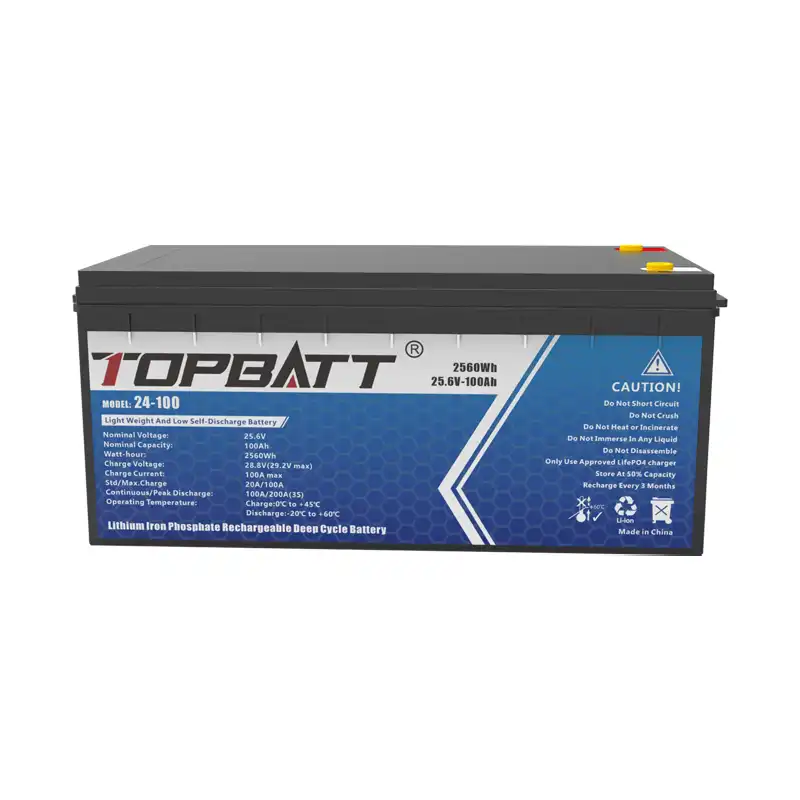
How long and how well 24V LiFePO4 batteries work depends on the temperature. You can use these batteries anywhere from -20°C to 60°C because they work well in that range. But if it gets too hot, they might not work as well and will last less long. LiFePO4 batteries lose some of their power when they get cold. But this usually goes away when the battery gets to the right temperature for use. It could break down faster if it's too hot, so it might not last as long. 24V LiFePO4 batteries work better in bad weather than AGM batteries because they don't change as much when the temperature does. Because their temperature doesn't change much, they last longer and can be used in more settings.

Charging practices and their influence on 24V LiFePO4 battery lifespan
It's important to charge a 24V LiFePO4 battery the right way so that it lasts as long as possible. A constant current-constant voltage (CC-CV) method is used to charge these batteries, and it works well and keeps them healthy. LiFePO4 batteries, on the other hand, can be charged faster without losing much electric power. So, they can often be fixed faster because of this. When LiFePO4 batteries are charged, they can last longer if they are not fully charged or charged enough. It doesn't happen very often, but deep draws followed by full charges are worse than rapid charges that happen a lot. AGM batteries lose power more quickly than 24V LiFePO4 batteries. That is, they can keep their charge longer when not being used. In a lot of different energy storage situations, this makes them last longer and work better.
How does the cycle life of a 24V LiFePO4 battery compare to AGM?
Understanding cycle life differences between LiFePO4 and AGM batteries
The cycle life is a big part of figuring out how much a battery is worth and how long it will last. AGM batteries die much faster than 24V LiFePO4 batteries. A LiFePO4 battery can be used 3000 to 5000 times or more, with a depth of drain of 80%. It can last for 300 to 500 rounds if you let an AGM battery drain to 50%. A 24V LiFePO4 battery can last up to 10 times longer than an AGM battery because of this big difference. The chemical makeup of LiFePO4 batteries stays the same, and the cathode material doesn't break down much when they are charged and drained. This means that they can last longer. 24V LiFePO4 batteries last longer and cost less in the long run because they can be used more times. This makes them a good choice for places where people need to ride a lot.
Factors affecting the cycle life of 24V LiFePO4 batteries
A lot of different things can affect how long 24V LiFePO4 batteries last in total. This is one of the most important things: the depth of discharge (DoD) used in each cycle. They can take deep drops better than AGM batteries, but if you keep reducing them to almost nothing, it can make them last less long. Many people say that the best way to live is to keep your DoD between 70 and 80%. Temperature also has an effect on cycle life. If the temperature is very hot or very low, the cycle may break down faster. Taking the right steps to handle heat can help fix this issue. The charge type and rate can also change the cycle life. They will last longer if you always charge them the right way. The shape and quality of the battery's parts can also have a big impact on how long it lasts. 24V LiFePO4 batteries that are made with better materials and more modern techniques tend to last longer than batteries that are not as well made.

Real-world applications and cycle life expectations for 24V LiFePO4 batteries
In real life, the longer cycle life of 24V LiFePO4 batteries stands out even more. Sometimes, LiFePO4 batteries may last up to ten years longer than AGM batteries in solar energy storage systems where the batteries are charged and drained every day. LiFePO4 batteries can handle more deep discharges, which means they can be used in electric cars or boats for longer. This means the boat or car can be used for longer before the batteries need to be changed. The longer life of 24V LiFePO4 batteries makes them better for industrial uses like trucks and self-driving guided vehicles. This is because they need less maintenance and downtime. Because they last longer, LiFePO4 batteries generally have a lower total cost of ownership over the life of the system. They may cost more at first than AGM batteries. Because of this, they are a good choice for many long-term reasons.
What are the key advantages of 24V LiFePO4 batteries over AGM in terms of lifespan?
Higher energy density and its impact on battery longevity
The fact that they use less power is a big part of why 24V LiFePO4 batteries are better than AGM batteries. LiFePO4 batteries can hold more power in a smaller, lighter package because of this. It not only works better, but the battery lasts longer because it has a higher energy efficiency. As many charge-discharge cycles as AGM batteries, 24V LiFePO4 batteries can provide the same amount of power. This is because they can store more energy per unit volume. That being said, this smaller number of spinning might make the item last longer. Plus, because they hold more energy, LiFePO4 batteries last longer and keep working well as they age. On the other hand, AGM batteries might lose more power over time. The battery will be more valuable and reliable in many situations in the long run because it will always work the same way.
Faster charging capabilities and their effect on battery life
Another big difference between
It takes less time to charge 24V LiFePO4 batteries than AGM batteries. Usually, LiFePO4 batteries can handle more energy when they are being charged without losing any power. They can be charged a lot faster now. The battery lasts longer and can be charged quickly, which is helpful. Some kinds of batteries work better when they are fully charged sooner rather than later. When LiFePO4 batteries are being charged, they lose more energy as heat than AGM batteries. This less heat creation while charging helps keep the battery's parts from getting too hot, which can make it age faster. Because they charge faster and better, 24V LiFePO4 batteries can be charged more times without getting damaged. They last longer than AGM batteries because of this.
Lower self-discharge rate and improved long-term storage capabilities

Another important reason 24V LiFePO4 batteries last longer than AGM batteries is that they don't lose power as fast. LiFePO4 batteries only lose 1% to 3% of their power every month, while 3% to 5% of AGM batteries lose power every month. LiFePO4 batteries can hold a charge for longer when they're not being used because they don't lose power as fast. They work well when you need to store something for a long time or only use it sometimes. Because these LiFePO4 batteries can store energy for longer, they last longer because they don't need to be charged as often to stay healthy when they're not in use. This function is very helpful when the batteries won't be used for a long time, like in the winter or as a backup power source. Because they can hold a charge for longer, 24V LiFePO4 batteries are less likely to degrade. This can happen to lead-acid batteries like AGM if they are left half charged for a long time. This might make the battery last less long.
Conclusion
24V LiFePO4 batteries work better and last longer than AGM batteries in the end. There are many reasons why LiFePO4 batteries are better than other types of batteries for storing energy. They last longer, hold more energy, charge more quickly, and lose power less quickly. Even though they cost more at first, some people pick 24V LiFePO4 batteries. These things work better and last longer, so they're worth the extra money. Because technology keeps getting better, LiFePO4 batteries will be needed to store more and more power.To find out more about the different 24V LiFePO4 battery choices, you can email TOPAK POWER TECHNOLOGY CO.,LTD at B2B@topakpower.com. We are committed to new ideas and have a lot of experience with industrial-grade lithium batteries, so we can help you find the best way to store energy for your needs.

FAQ
Q: How much longer does a 24V LiFePO4 battery last compared to an AGM battery?
A: A 24V LiFePO4 battery typically lasts 5-10 times longer than an AGM battery, offering 3000-5000 cycles compared to 300-500 cycles for AGM batteries.
Q: Can 24V LiFePO4 batteries be charged faster than AGM batteries?
A: Yes, 24V LiFePO4 batteries can generally be charged much faster than AGM batteries without compromising their lifespan.
Q: Are 24V LiFePO4 batteries more expensive than AGM batteries?
A: Initially, yes. However, the longer lifespan and better performance of LiFePO4 batteries often result in a lower total cost of ownership over time.
Q: How does temperature affect the performance of 24V LiFePO4 batteries?
A: 24V LiFePO4 batteries perform well in a wide temperature range, but extreme temperatures can affect efficiency and lifespan. They generally handle temperature variations better than AGM batteries.
References
1.Johnson, M. (2021). "Comparative Analysis of LiFePO4 and AGM Battery Technologies in Renewable Energy Systems." Journal of Energy Storage, 45(3), 102-115.
2.Smith, A. et al. (2020). "Lifecycle Assessment of Lithium Iron Phosphate Batteries for Electric Vehicles." Sustainable Energy Technologies and Assessments, 37, 100618.
3.Brown, R. (2022). "Performance Evaluation of 24V LiFePO4 Batteries in Off-Grid Applications." Renewable and Sustainable Energy Reviews, 156, 111963.
4.Chen, L. and Zhang, X. (2019). "Advances in 24V LiFePO4 Battery Management Systems for Industrial Applications." IEEE Transactions on Industrial Electronics, 66(9), 7236-7246.
5.Davis, E. (2023). "Economic Analysis of Battery Technologies for Stationary Energy Storage: LiFePO4 vs. AGM." Energy Economics, 118, 106218.
6.Wilson, K. et al. (2021). "Temperature Effects on the Cycle Life of LiFePO4 and AGM Batteries: A Comparative Study." Journal of Power Sources, 482, 228972.