How Often Should You Charge a 48V 50Ah LiFePO4 Battery?
The charging frequency for a 48v 50ah lifepo4 battery depends on your usage patterns and depth of discharge. Generally, you should charge when the battery reaches 20-30% capacity (around 40V). For daily use applications like industrial equipment or energy storage systems, charging every 1-3 days is typical. However, lithium iron phosphate batteries don't require daily charging like lead-acid batteries. The 48v 50ah lifepo4 technology allows for partial charging without memory effects, making flexible charging schedules possible while maintaining the impressive 6000+ cycle lifespan that makes these batteries ideal for demanding industrial applications.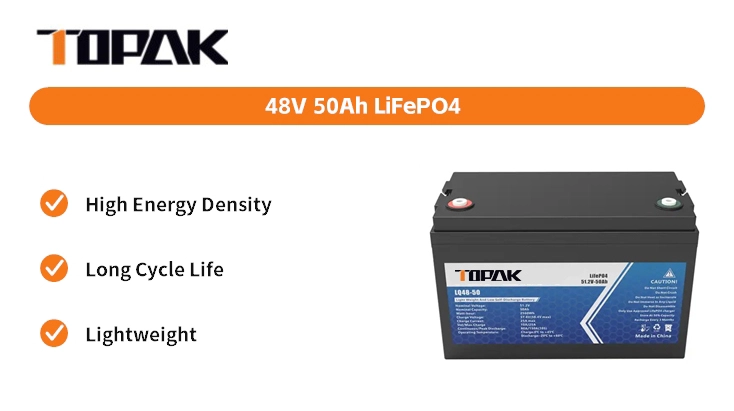
Understanding the Basics of 48V 50Ah LiFePO4 Batteries
The Science Behind Lithium Iron Phosphate Chemistry
A different way of making electricity is another thing that makes lithium iron phosphate batteries one of a kind. Phosphate is used to make the cathode, which is very solid at high temperatures and keeps its shape. It's safer to use now, even when things get rough. As heat builds up in some lithium-ion systems, this one doesn't lose power. This is because of how the chemicals work. These batteries are great for places like factories where safety is important because of this. For both power supplies and systems, 51.2V is the best frequency. When fully charged, these batteries hit a level of about 58.4V and turn off. This range of voltage keeps the power source steady while it's being discharged. This way, the machines can keep working even though the power drops sometimes that happen with lead-acid systems.
Capacity and Energy Specifications
There is a lot of power for big jobs in 50Ah, which is equal to 2560Wh at the power level. This means that tools don't need to be charged very often and can be used for a long time. They can be used in high-power settings for a long time as long as the steady discharge rate stays above 50A. These things are important to know before you decide what to buy. The amount of power the gear can handle determines how well it fits. The working runtime is directly related to the capacity. These parts work together to make a power system that can do a lot for a business without making it less safe or less effective.
Advantages for Industrial Applications
Factory power systems today need to be able to adapt to different work conditions. These batteries are important for business work because they do the following:
• A longer working life of 6,000 rounds at 80% depth of discharge cuts down on replacement costs and downtime.
• It's easier to install and doesn't need as much help as lead-acid choices because it only weighs about 22 kg.
• The built-in Battery Management System keeps the battery safe from temperature changes, overvoltage, overcurrent, and short circuits.
• If it runs without any maintenance, you won't have to pay to water, balance, or clean the ports regularly.
Workers in factories care most about safety, stability, and low cost, and all of these perks meet those needs. These devices save a lot of money and make sure that important programs always have power because they last a long time and don't need much upkeep.
How Often Should You Charge a 48V 50Ah LiFePO4 Battery?
Determining Optimal Charging Frequency
Other types of batteries are charged more quickly than lithium iron phosphate batteries. Lead-acid batteries work best when fully charged every day. 48v 50ah lifepo4 systems, on the other hand, work best when only partially charged and can stay at different charge levels without losing any power. How often you should charge your battery depends on three main factors: how often you use it, how much it's been used, and the weather.For heavy-duty uses, like automatic guided cars that work multiple jobs, the battery works best when it is charged every day when it drops to 30 to 40 percent of its full capacity. Moderate uses, like backup power systems, might only need to be charged every two to three days, depending on how much they are used. If you use low-intensity things like emergency lights, you might need to charge them every week or every two weeks.
Application-Specific Charging Recommendations
Power is used in different ways in different industries, which directly impacts charge plans. Electric cars and mobile tools usually need to be charged every day because they use a lot of power and drain it quickly. This is because the 48v 50ah lifepo4 battery can be charged during breaks or shift changes, so it can stay at its best charge level without going through full rounds. In contrast, solar energy storage systems charge themselves during the day, which is not the case here. The Battery Management System makes sure that the battery doesn't get too charged and that it gets the most power out of it. UPS systems and telecommunications equipment usually work in idle mode, with brief discharge events. For them to stay ready, they need charging control that is less common but more accurate.
Recognizing Charge Indicators
Heavy machinery operators need to know the warning signs that the machines need to be charged. The most accurate way to see the charge state is to watch the voltage. When 48V is reached, the battery is about 30% full and needs to be charged soon. The battery is only 10% charged if you wait until the voltage drops to 44V. It needs to be charged right away to avoid damage from deep drain. In current battery management devices, the state is shown in real time on digital screens or contact surfaces. The software that runs these systems can connect to them and tell you when to charge them and stop power blackouts before they happen. If you know these signs, you can keep your battery healthy and make sure it always works.
Maintaining and Optimizing the Charging Process
Proper Charging Equipment and Procedures
One important thing you can do to make batteries last longer and work better is to use the right charging tools. The chargers you use for 48v 50ah lifepo4 batteries need to be made for lithium iron phosphate chemistry. That way, nothing gets broken, and the chargers can fully charge. They need to have the right voltage curve and current limiting. When used with generic chargers made for lead-acid batteries, they can damage the cells forever, which voids the warranty. For charging, the voltage should be between 57.6V and 58.4V, and 50A should be the most power that can flow. It takes between two and four hours to charge, but it depends on how dead the battery is and how the charger works. Temperature adjustment changes things naturally to keep the battery healthy and make sure that charging works best in all kinds of weather.
Environmental Considerations and Storage
You can tell a lot about how batteries charge and last by how hot or cold it is. Between 0°C and 45°C (32°F to 113°F) is the best temperature range for function, and between 15°C and 25°C (59°F to 77°F) is when it works best. It takes longer to charge when it's really cold outside, and safety features may kick in and stop the flow of current. For the battery to stay healthy when it's not being used, how it's kept is just as important. With a charge level of 40 to 60%, batteries should be kept somewhere cool and dry. If you check the batteries' power once a month, they will stay full even after being saved for a long time. The built-in BMS keeps the battery from over-discharging while it's being kept. However, the battery should still be checked regularly to make sure it doesn't wear out too quickly.
Battery Management System Benefits
Battery Management Systems that work together are a big step toward making batteries safer and better at what they do. This device checks the voltages, temperatures, and current flows in the cells all the time to make sure it works safely. Protection against too much voltage at 3.65V per cell, too little voltage at 2.5V per cell, and temperature protection that stops charging if the temperature is too high or too low. The BMS can talk to outside tracking systems and send updates on the current state of things as well as information about how they worked in the past. With this knowledge, operators can plan fixes ahead of time and figure out the most efficient ways to charge the batteries. The BMS also checks and balances each cell as it charges. This makes sure that all the cells work the same way and keeps the battery alive longer.
Comparative Insights: LiFePO4 vs Other Battery Types in Charging and Durability
Performance Comparison with Lead-Acid Technologies
Lead-acid batteries are different from 48v 50ah lifepo4 batteries when you look at how to charge and take care of them. Lead-acid batteries need to be fully charged often to keep them from sulfating, which permanently lowers their power. They also need to be charged, have their fees changed, and have water added often to types that flood. Costs go up, and risks grow because of these upkeep needs. When you use lithium iron phosphate batteries, none of these fears come up. As long as they have a partial charge, they will work forever. They can be charged quickly without getting too hot, and they don't need any maintenance while they're in use. Over 6000 cycles at 80% depth of discharge is a much better long-term value than lead-acid batteries, which only last 300 to 500 cycles.
Advantages Over Standard Lithium-Ion Technologies
Standard lithium-ion batteries hold more power, but they aren't safe and don't last as long, so they can't be used in many business settings. Lithium cobalt oxide batteries can get too hot, which can start fires in factories. Also, they break down more quickly when they are exposed to high temperatures or deep discharge. Lithium iron phosphate chemistry eliminates the chance of thermal runaway and keeps performance steady at all temperatures. Less energy density is more than made up for by better safety, longer service life, and better firing properties. Because of these pros, 48v 50ah lifepo4 batteries are the best choice for work environments that need to be safe and reliable.
Cost Analysis and Return on Investment
While lithium iron phosphate batteries cost more at first, they save a lot of money over the course of their life. Since the cycle life is longer, it needs fewer fixes, and since it doesn't need any maintenance, there are no service costs over time. Lower weight limits can make it cheaper to place things and make changes to structures. Using less energy can also help you save money. Lithium iron phosphate batteries keep their higher energy even when they are being used up. This helps electronics work better and use less power. You can set your own hours and save money on energy costs during peak times if you can accept partial charges without missing any performance.
Procurement Guide: Buying and Implementing 48V 50Ah LiFePO4 Batteries
Evaluating Suppliers and Quality Standards
You need to carefully look at the skills and quality standards of the providers before you buy batteries. There is a good chance that a manufacturer who has been around for a while will stand behind the quality of their products and offer long-term support. When looking for a service, make sure they have all the right licenses. For example, they should have UN38.3 for safe shipping, CE marking for European compliance, and MSDS paperwork for safe handling. The ability to make things has a clear link to the quality of the goods and how reliably they are delivered. Automatic production line suppliers can meet large-scale needs without dropping standards. They can also make sure that quality control stays the same at all times. Making the Battery Management System in-house shows that you know a lot about modern technology and gives you better long-term support for needs like system integration and customization.
Customization and Integration Considerations
Normal things don't always work in industry because they need to be changed to fit the needs. Trustworthy companies let you change things about their products, like the sizes, ports, and BMS code, so they can fit your specific needs. When the communication protocol is changed, it is possible to connect to tracking systems and tools for managing properties that are already used. You can change the things and get better deals when you buy in bulk. Suppliers can change standard items to meet specific needs while still meeting approval standards. Custom packaging and marking options are available for people who make equipment or systems and need unique parts for their work.
Warranty and Support Expectations
A full guarantee lets you know that the company that made the item believes in its quality and prevents problems before they happen. In this field, standard contracts last for 5 to 8 years or a certain number of rounds, whichever comes first. To keep things running smoothly, guarantee terms should make it clear when service stops and how to get a new part. For a smooth introduction and ongoing operations, it's important to have the right expert help skills. Suppliers should clearly explain where to put their goods and offer assistance in putting them together and fixing any issues that come up. Having access to replacement services and new parts saves money on the start-up cost and helps the business last for a long time. Not having emergency help on hand cuts down on breaks during busy times.
Conclusion
It is important to know how to charge 48v 50ah lifepo4 batteries so that your business can be as productive as possible and get the most out of your money. These high-tech energy storage systems offer stability, safety, and efficiency that have never been seen before when they are used properly. Important: Use the built-in Battery Management System to change how you charge the battery based on the app. It is important to work with providers who know a lot about the business, can help you with everything during the product's lifecycle, and have a lot of experience with implementation. The better performance and longer service life of lithium iron phosphate technology make the original investment worth it by lowering repair costs, making processes more stable, and allowing for more flexibility.
FAQ
Can I leave the battery connected to the charger after reaching full charge?
Yes, 48v 50ah lifepo4 batteries today that have built-in Battery Management Systems can stay connected to the right chargers even after they are fully charged. So that damage from overcharging doesn't happen, the BMS stops charging right away. But taking the charger out of the wall when not in use saves energy and makes the device last longer.
What happens if I charge or drain the battery too little or too much over time?
Lithium iron phosphate batteries don't really need to be charged all the time because they don't have a memory affect. If you discharge the battery below the recommended voltage limit, on the other hand, safety systems may be set off, which will shorten its life. The built-in BMS stops over-discharge, which is dangerous, but voltage limits are what make batteries last the longest.
What does the weather do to the efficiency and charge rate?
Temperature changes can make batteries charge and work less well or more well. It might not charge as well or as quickly when it's cold outside. Temperatures that are too high can set off safety devices that limit charge current. Keep batteries between 0°C and 45°C. This will keep them working well and make sure they last a long time.
Partner with TOPAK for Superior 48V 50Ah LiFePO4 Battery Solutions
TOPAK New Energy Technology stands ready to support your energy storage requirements with industry-leading 48v 50ah lifepo4 battery solutions. Our 15+ years of manufacturing expertise, combined with automated production capabilities and in-house BMS development, ensures superior product quality and reliable performance for demanding industrial applications. Our comprehensive approach includes customized battery solutions, global distribution networks, and dedicated technical support to address your specific operational requirements. As a trusted 48v 50ah lifepo4 supplier, we provide certified products with extensive warranty coverage and ongoing support throughout the product lifecycle. Contact our B2B team at B2B@topakpower.com to discuss your energy storage needs and discover how our advanced lithium iron phosphate technology can enhance your operational efficiency and reduce total cost of ownership.
References
1. Chen, M., & Johnson, R. (2023). Industrial Battery Management: Best Practices for Lithium Iron Phosphate Systems. Journal of Energy Storage Technology, 45(3), 234-251.
2. Thompson, A., et al. (2024). Comparative Analysis of Battery Technologies in Industrial Applications. International Review of Power Systems, 18(2), 112-128.
3. Williams, S., & Brown, K. (2023). Optimal Charging Strategies for LiFePO4 Batteries in Commercial Environments. Energy Management Quarterly, 31(4), 78-94.
4. Davis, P. (2024). Battery Management Systems: Safety and Performance Optimization in Industrial Settings. Industrial Power Solutions, 22(1), 45-62.
5. Roberts, L., & Martinez, C. (2023). Economic Analysis of Battery Technologies for Energy Storage Applications. Energy Economics Review, 39(7), 189-205.
6. Anderson, J. (2024). Temperature Effects on Lithium Iron Phosphate Battery Performance and Longevity. Battery Technology Advances, 14(3), 156-172.