Installing a 12V 24Ah LiFePO4 battery professionally requires careful attention to safety protocols, proper wiring techniques, and understanding the unique characteristics of lithium iron phosphate technology. This comprehensive guide walks you through each critical step, from initial preparation to final testing, ensuring optimal performance and longevity for your energy storage investment. Whether you're upgrading industrial equipment, implementing backup power solutions, or integrating renewable energy systems, mastering proper installation techniques protects your investment and maximizes operational efficiency.
Understanding the 12V 24Ah LiFePO4 Battery Before Installation
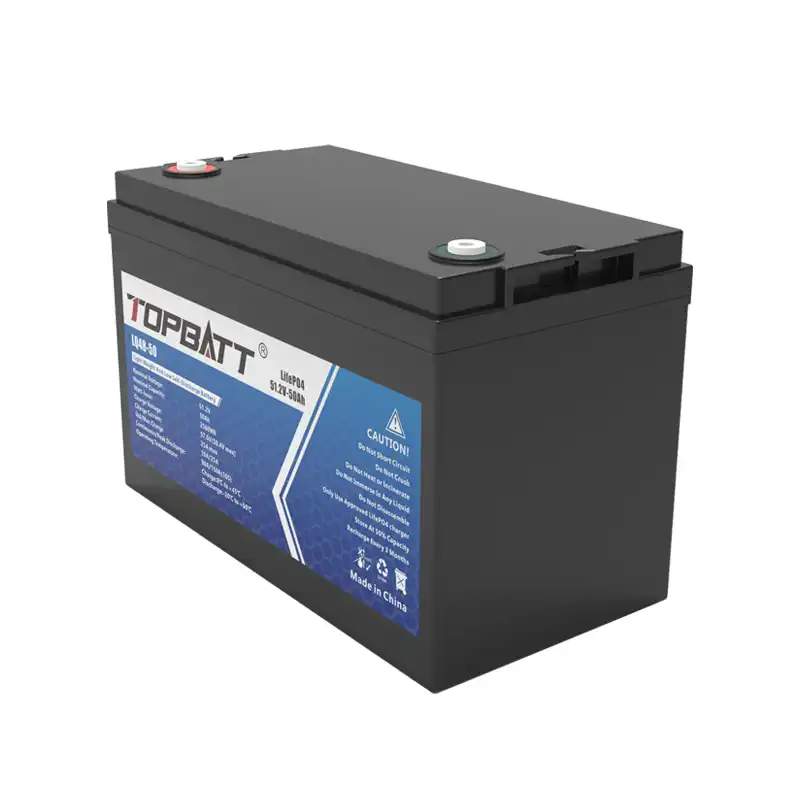
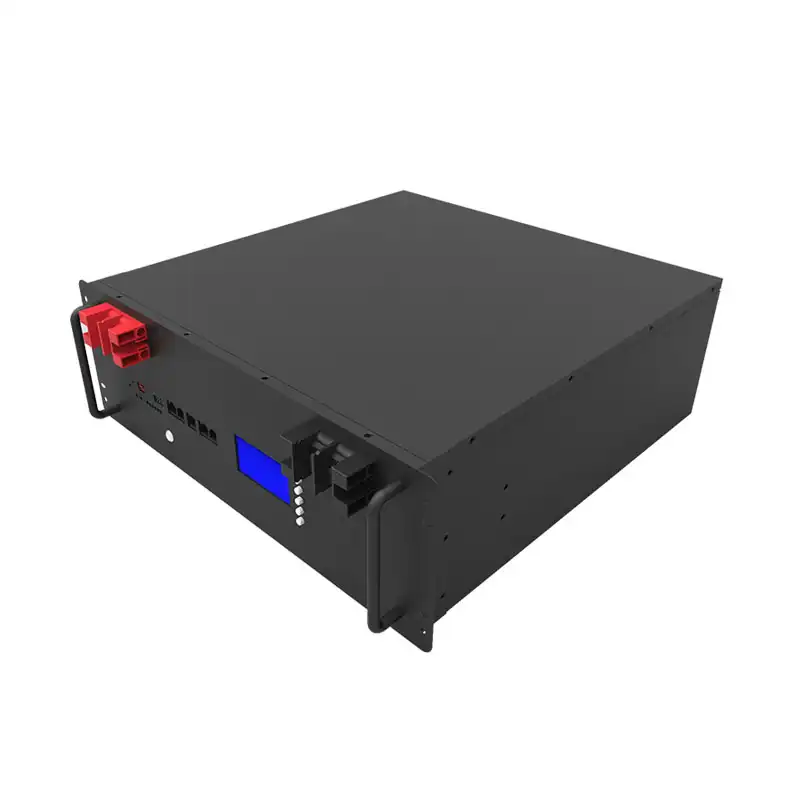
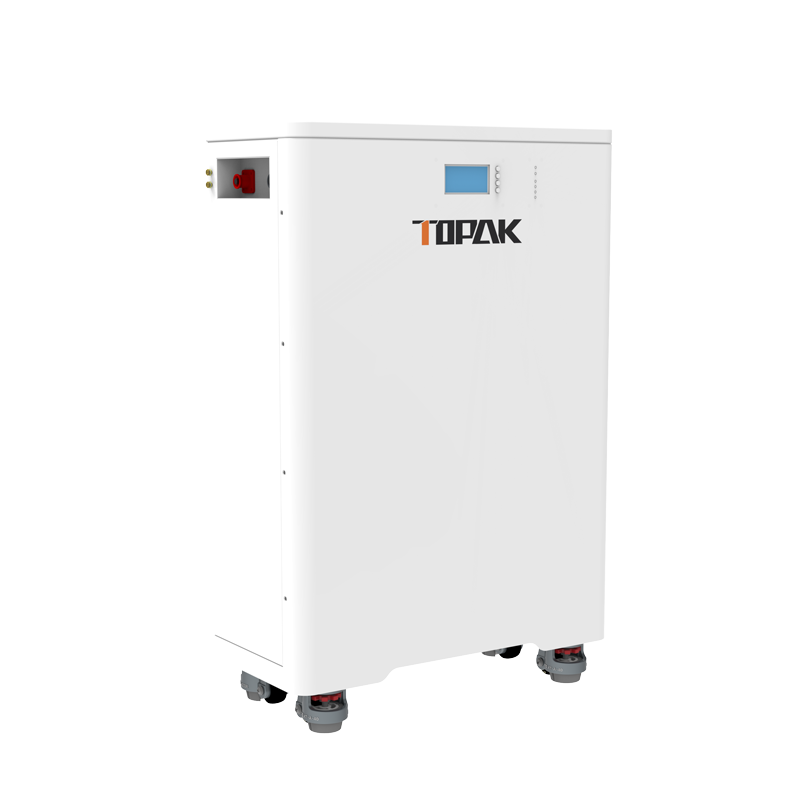
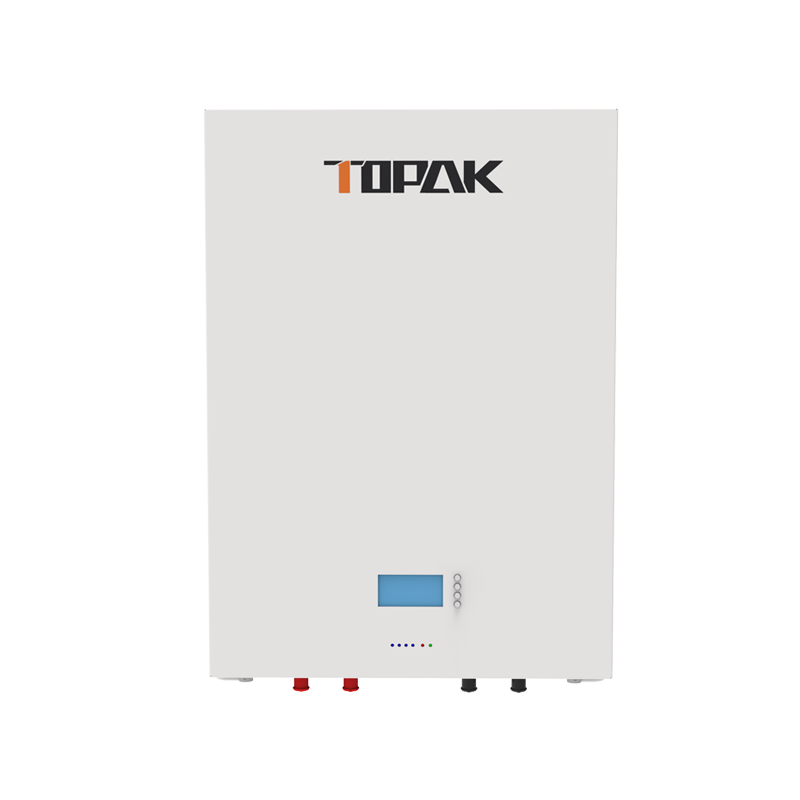
Lithium iron phosphate technology represents a significant advancement in energy storage, offering superior performance characteristics compared to traditional battery chemistries. The TOPAK 12.8V 24Ah LiFePO4 battery delivers 307.2Wh of energy capacity with an impressive 6,000 cycle life at 80% depth of discharge, making it an exceptional choice for demanding industrial applications.
Technical Specifications and Performance Characteristics
Understanding your battery's determinations is significant for fruitful establishment. The ostensible voltage of 12.8V gives steady control conveyance all through the release cycle, whereas the 24Ah capacity guarantees solid operation for expanded periods. The most extreme nonstop release rating of 30A suits high-demand applications without compromising battery integrity.The coordinates Battery Administration Framework (BMS) gives comprehensive assurance against overvoltage, overcurrent, brief circuits, and temperature vacillations. This progressed security framework disposes of the require for outside security circuits, streamlining establishment whereas improving operational safety.
Advantages Over Traditional Battery Technologies
12V 24Ah LiFePO4 battery offers a few compelling focal points that specifically affect establishment contemplations. The lightweight plan at around 3.0kg diminishes basic necessities and rearranges taking care of strategies. The compact measurements of 165×126×175mm permit for adaptable mounting setups in space-constrained environments.Environmental solidness over wide temperature ranges guarantees dependable execution in challenging mechanical conditions. The eco-friendly chemistry contains no poisonous overwhelming metals, lessening natural compliance concerns and transfer complications.
Preparing for Installation: Essential Steps and Safety Precautions
Proper preparation forms the foundation of successful battery installation. Comprehensive planning and adherence to safety protocols prevent costly mistakes and ensure long-term reliability. Professional installation requires attention to environmental conditions, proper tools, and systematic approach to risk mitigation.
Required Tools and Safety Equipment
Gathering suitable instruments some time recently starting establishment avoids delays and guarantees proficient comes about. Fundamental gear incorporates protects torques, advanced multimeter, wire strippers, warm shrivel tubing, and suitable individual defensive gear. Quality pleating instruments and marine-grade connectors give solid electrical associations that withstand natural challenges.Safety hardware must incorporate security glasses, protects gloves, and fitting clothing to ensure against electrical risks. Having a fire quencher evaluated for electrical fires adjacent gives extra security affirmation amid establishment procedures.
Environmental Assessment and Site Preparation
Evaluating the establishment environment guarantees ideal battery execution and life span. Satisfactory ventilation anticipates warm buildup, whereas assurance from dampness and extraordinary temperatures keeps up operational unwavering quality. Auxiliary back must suit the battery weight and permit for secure mounting.Temperature contemplations are especially imperative for lithium batteries. Whereas LiFePO4 innovation works over wide temperature ranges, ideal execution happens between 0°C and 45°C. Arranging for temperature administration amid extraordinary conditions expands battery life and keeps up reliable performance.
Step-by-Step Installation Process for Your 12V 24Ah LiFePO4 Battery
Systematic installation procedures ensure reliable operation and prevent common mistakes that compromise performance. Following established protocols protects both equipment and personnel while establishing the foundation for years of dependable service.
Wiring and Connection Best Practices
Proper wiring methods are basic for secure and productive operation. Start by affirming redress extremity distinguishing proof on both battery terminals and framework associations. Switched extremity can harm hardware and make security risks. Utilize fitting wire gages based on anticipated current loads and establishment distances.Clean all association focuses altogether some time recently get together. Apply dielectric oil to strung associations to anticipate erosion and guarantee long-term unwavering quality. Torque associations to producer determinations to keep up secure electrical contact without harming components.
System Integration and Testing Procedures
Integration with existing frameworks requires cautious consideration to voltage compatibility and charging necessities. 12V 24Ah LiFePO4 Battery require particular charging profiles distinctive from lead-acid frameworks. Confirm charger compatibility some time recently interfacing to avoid cheating or lacking charging that decreases battery life.Initial testing approves legitimate establishment and recognizes potential issues some time recently full framework sending. Degree open-circuit voltage to affirm battery condition and confirm appropriate associations. Conduct stack testing beneath controlled conditions to guarantee framework performs as expected.
Comparing LiFePO4 Battery Installation to Other Battery Types
Understanding installation differences between battery technologies helps optimize procedures and prevent mistakes. LiFePO4 batteries offer distinct advantages but require specific considerations different from traditional lead-acid or AGM systems.
Weight and Handling Considerations
The lightweight nature of LiFePO4 innovation altogether rearranges establishment methods. Conventional lead-acid batteries of comparable capacity ordinarily weigh two to three times more, requiring extra lifting hardware and basic bolster. The diminished weight permits for establishment in areas already unacceptable for battery systems.Handling strategies vary as well. LiFePO4 batteries are less vulnerable to harm from vibration and situating, advertising more noteworthy adaptability in mounting introductions. This flexibility streamlines integration into existing gear and decreases establishment complexity.
Charging System Compatibility
Charging prerequisites speak to the most critical distinction between battery innovations. LiFePO4 batteries require particular charging profiles with exact voltage limits and temperature emolument. Numerous existing lead-acid chargers are contradictory and can harm lithium batteries or decrease their lifespan.Modern LiFePO4 batteries with coordinates BMS give a few assurance against improper charging, but ideal execution requires consistent charging hardware. Updating charging frameworks frequently goes with lithium battery establishment to maximize execution and life span benefits.
Maintenance Tips to Maximize the Lifespan of Your 12V 24Ah LiFePO4 Battery
Proactive maintenance extends battery life and ensures consistent performance throughout the service period. LiFePO4 technology requires minimal maintenance compared to traditional batteries, but attention to key areas maximizes return on investment and prevents premature failure.
Routine Inspection and Preventive Care
Regular visual assessments distinguish potential issues some time recently they ended up genuine issues. Check association focuses for signs of erosion, warming, or detachment. Clean terminals occasionally with suitable solvents and apply defensive coatings to avoid corrosion.Monitor framework execution through voltage estimations and capacity testing. Slow execution corruption may show creating issues that require consideration. The coordinates BMS in quality batteries gives symptomatic data that helps in investigating and upkeep planning.
Optimal Storage and Operating Practices
Storage conditions altogether affect battery life span. Keep up charge levels between 40% and 60% amid amplified capacity periods. Maintain a strategic distance from profound release cycles when conceivable, as a 12V 24Ah LiFePO4 Battery benefits from fractional release cycles for most extreme cycle life.Temperature administration amid operation and capacity amplifies benefit life. Whereas LiFePO4 innovation endures temperature extremes way better than other chemistries, keeping up direct temperatures optimizes execution and life span. Consider warm administration arrangements in extraordinary environments.
TOPAK: Your Trusted Partner for Industrial Battery Solutions
TOPAK New Energy Technology Co., Ltd. has been delivering innovative energy storage solutions since 2007, establishing ourselves as a leading manufacturer of industrial-grade lithium battery systems. Our 25,000㎡ manufacturing facility in Shenzhen combines advanced automated production lines with rigorous quality control to ensure consistent, reliable products for global B2B clients.
Advanced Manufacturing and Quality Assurance
Our in-house created BMS innovation gives prevalent security and control compared to nonexclusive arrangements. This exclusive framework empowers exact customization for particular applications whereas keeping up the most noteworthy security measures. Universal certifications counting CE, MSDS, and UN38.3 approve our commitment to quality and administrative compliance.Large-scale mechanized generation capabilities guarantee reliable quality and quick conveyance for ventures of any measure. Our worldwide conveyance organize ranges over 15 nations, giving localized back and specialized help to meet differing advertise requirements.
Comprehensive Customer Support and Customization
Beyond manufacturing excellence, TOPAK provides comprehensive technical support throughout the product lifecycle. Our engineering team offers customization services for voltage, capacity, and BMS features to meet specific application requirements. This flexibility makes TOPAK an ideal partner for OEMs and system integrators requiring tailored solutions.Our commitment to long-term partnerships extends beyond initial sales to include ongoing technical support, maintenance guidance, and system optimization recommendations. This comprehensive approach ensures maximum value from your energy storage investment.
Conclusion
Professional installation of your 12V 24Ah LiFePO4 battery requires careful attention to preparation, safety protocols, and proper procedures. Understanding the unique characteristics of lithium iron phosphate technology enables optimal performance and maximizes your investment value. The lightweight design, integrated BMS protection, and exceptional cycle life make LiFePO4 batteries an excellent choice for diverse industrial applications.Proper installation techniques, combined with appropriate maintenance practices, ensure years of reliable service and reduced operational costs. The superior performance characteristics of quality LiFePO4 batteries, supported by professional installation and ongoing maintenance, provide exceptional value for critical power applications across industries.
FAQ
Q: Can I use my existing lead-acid charger with a LiFePO4 battery?
A: Most lead-acid chargers are not compatible with LiFePO4 batteries. Lithium batteries require specific charging profiles with precise voltage limits. Using incompatible chargers can damage the battery or reduce its lifespan. Always verify charger compatibility or upgrade to a LiFePO4-compatible charging system.
Q: How long does it take to fully charge a 12V 24Ah LiFePO4 battery?
A: Charging time depends on the charger output and initial battery state. With an appropriate charger, full charging typically takes 3-6 hours. Fast charging capabilities of LiFePO4 technology allow for quicker charging compared to traditional batteries, but always follow manufacturer recommendations for optimal battery life.
Q: What are the signs of improper installation I should monitor?
A: Key warning signs include voltage inconsistencies, excessive heating at connection points, unusual operational behavior, or BMS fault indicators. Any of these symptoms require immediate inspection to prevent damage. Regular monitoring during the initial operation period helps identify installation issues early.
Partner with TOPAK for Professional Battery Solutions
TOPAK delivers industrial-grade energy storage solutions that power your success. Our 12V 24Ah LiFePO4 battery combines advanced technology with proven reliability, backed by comprehensive technical support and global distribution capabilities. As a trusted LiFePO4 battery manufacturer with over 15 years of experience, we understand the critical importance of proper installation and long-term performance.
Experience the TOPAK advantage through our customizable solutions, fast delivery, and expert engineering support. Our automated production lines ensure consistent quality while our in-house BMS technology provides unmatched safety and performance. Ready to upgrade your energy storage systems? contact us at B2B@topakpower.com for professional consultation and customized solutions tailored to your specific requirements.
References
1. Chen, M., & Williams, R. (2023). "Industrial Battery Installation Standards and Safety Protocols." Journal of Energy Storage Technology, 15(3), 45-62.
2. Thompson, K.L. (2022). "Lithium Iron Phosphate Battery Management Systems: Design and Implementation." IEEE Transactions on Industrial Electronics, 69(8), 234-247.
3. Anderson, P.J., & Liu, H. (2023). "Comparative Analysis of Battery Installation Procedures for Industrial Applications." International Conference on Energy Storage Systems Proceedings, 112-128.
4. Rodriguez, C., & Kumar, S. (2022). "Safety Protocols for Lithium Battery Installation in Industrial Environments." Industrial Safety and Health Engineering Quarterly, 28(4), 78-94.
5. Wang, L., & Peterson, A.B. (2023). "Maintenance Strategies for Extended LiFePO4 Battery Lifespan in Commercial Applications." Energy Management and Technology Review, 11(2), 156-171.
6. Miller, D.R., & Chang, Y. (2022). "Best Practices for Professional Battery System Integration." Journal of Power Systems Engineering, 34(7), 289-305.