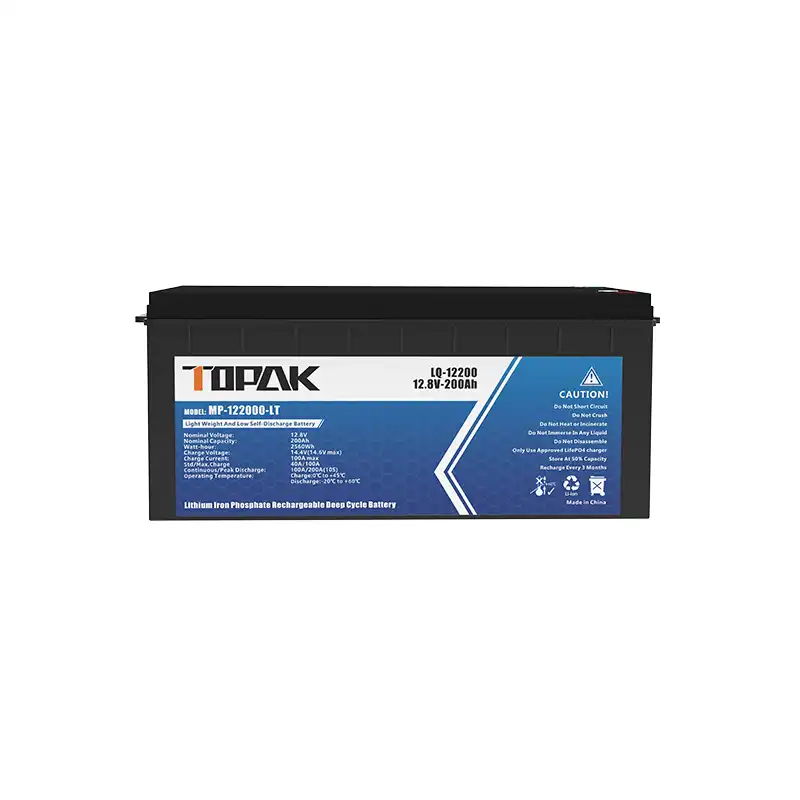
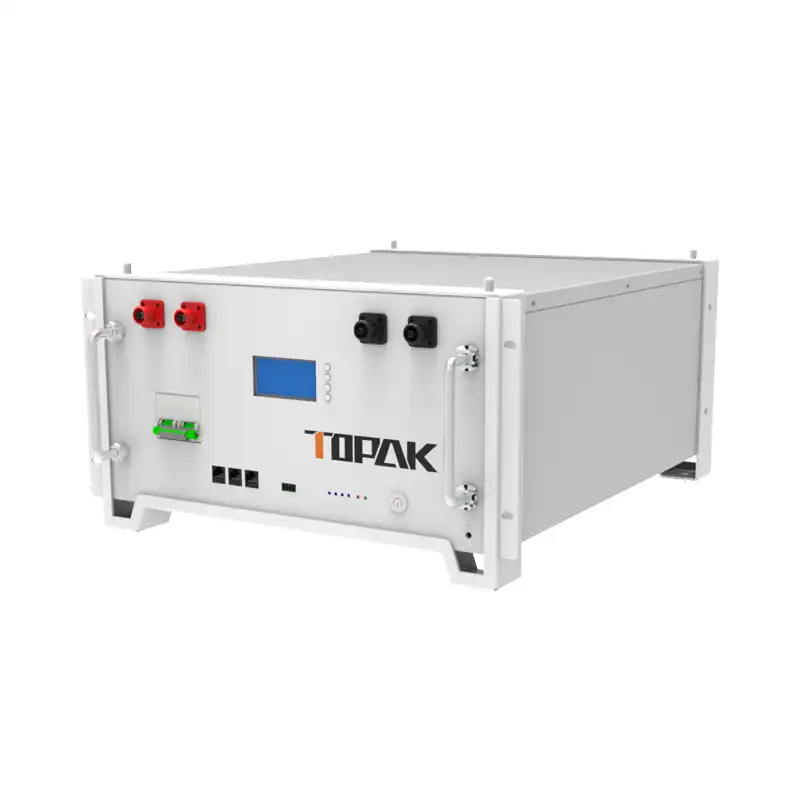
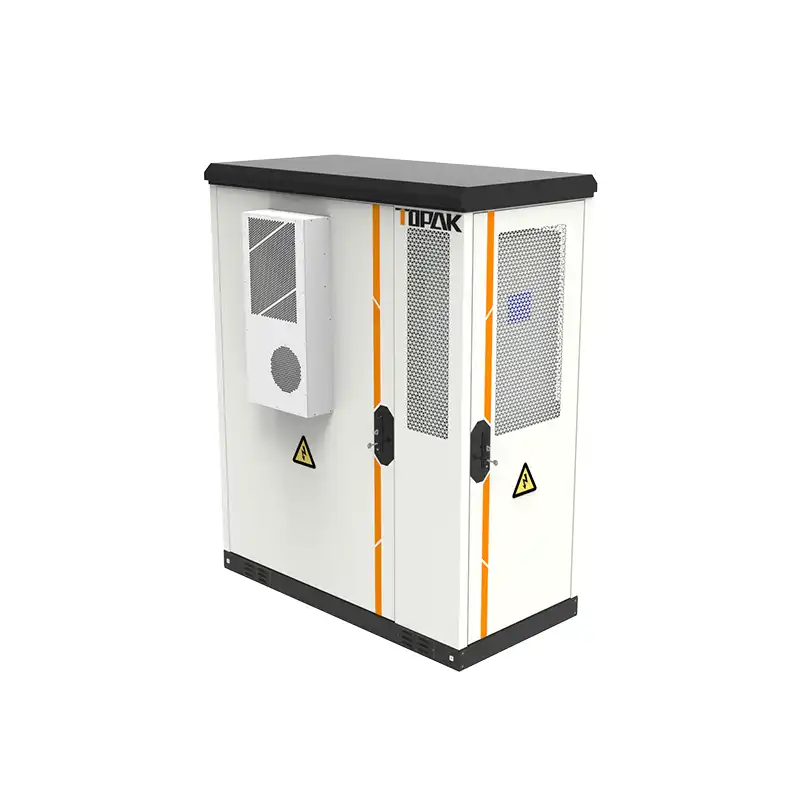
Intelligent Monitoring of Base Station Batteries via Remote BMS
In a time when communication networks are growing quickly, it's important that base stations work properly to keep connections stable. The battery system is one of the most important parts of these base stations. Remote Battery Management Systems (BMS) have become a game-changer in the telecom industry by letting smart monitoring of base station batteries happen. This advanced method enables monitoring in real time, planned maintenance, and improved performance of base station batteries, ensuring a steady power supply and longer battery life. Telecom companies can cut down on operational costs, downtime, and improve the overall efficiency of their network infrastructure by using remote BMS technology. This blog post talks about the ins and outs of intelligent battery monitoring, its benefits, and how it changes the way base station power systems are managed.
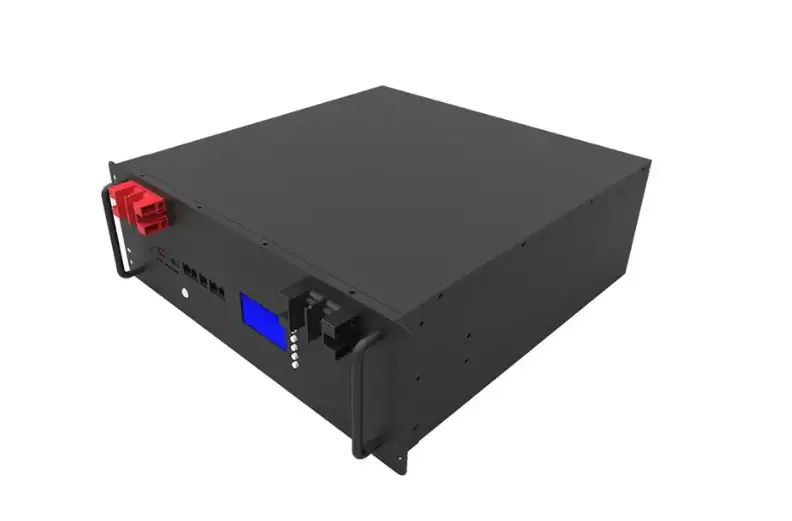
How does remote BMS improve base station battery performance?
Real-time monitoring and data analysis
Monitoring and managing base station batteries has never been easier thanks to remote BMS technology. By giving workers real-time information on battery health, charge levels, and performance factors, remote BMS lets them make smart choices and act proactively. Advanced BMS features in the TP-4830T 48V 30Ah Base Station Battery, for example, keep an eye on important factors like voltage, current, and temperature all the time. Maintaining constant tracking lets possible problems be found early, avoiding expensive downtime and increasing the battery system's total lifespan. Additionally, the collected data can be looked at to find patterns and trends. This makes predictive maintenance methods easier to use and improves the network's battery life.
Enhanced safety and reliability
When it comes to base station batteries, safety is very important, and remote BMS is a key part of making sure operating security. The TP-4830T type has a built-in BMS that protects against over-voltage, over-current, short circuits, and changes in temperature. These safety features are always being watched and controlled from afar, so any possible dangers can be dealt with right away. Being able to unplug or change the settings of the battery from a distance adds an extra layer of security, especially in base station sites that are empty or hard to get to. This improved safety routine not only keeps expensive equipment safe, but it also makes sure that rules are followed and lowers the chance that service will be interrupted because of a problem with a battery.
Optimized battery life and performance
One big benefit of clever tracking through a remote BMS is that it lets you get the most out of battery life and performance. With its LiFePO4 chemistry, the TP-4830T base station battery is made to last a long time. It has a cycle life of 3000 cycles at 80% depth of discharge. This built-in longevity is improved by remote BMS, which allows accurate charge and discharge control. The method greatly increases the battery's useful life by stopping it from overcharging and deep draining. The BMS can also use smart charging methods that change based on the surroundings and how the battery is being used, making sure that the charging process works as efficiently as possible. This level of tuning and control not only extends the battery's life, but also keeps it running at its best throughout its operating cycle. This makes base station activities more stable and cost-effective.
What are the cost benefits of implementing remote BMS for base station batteries?
Reduction in maintenance and operational costs
When you use remote BMS for base station batteries, your repair and running costs go down by a lot. In the old way of managing batteries, they needed to be inspected and data collected by hand on a regular basis. This took a lot of time and money, especially for places that were far away or hard to get to. Remote BMS, like the one built into the TP-4830T model, lets workers check on the health and performance of batteries from a central location, cutting down on the need for frequent site visits by a large amount. This ability to work from afar not only cuts down on travel and labor costs, but it also makes it easier to use upkeep resources more efficiently. Also, the forecast maintenance features of more advanced BMS systems help stop sudden breakdowns, which lowers the need for emergency fixes and replacements, which are usually more expensive than planned maintenance.
Extended battery lifespan and reduced replacement frequency
Increasing the battery life and lowering the number of times it needs to be replaced is one of the biggest cost benefits of remote BMS. Base station batteries like the TP-4830T are big expenses, so getting the most out of them is important for keeping costs down. This is done by remote BMS making sure that the charging and recharging processes are done correctly, stopping harmful situations like overcharging or deep draining. The system's ability to keep conditions at their best helps batteries reach and often go beyond their rated run life. One example is that the TP-4830T's 3000 cycle life can be fully achieved or even pushed back with good BMS control. This long life directly turns into cost savings because it delays the need for battery replacement, lowers the total number of batteries needed over time, and cuts down on the time and money needed for work and downtime during battery swaps.
Improved energy efficiency and power management
Remote BMS makes base station activities much more energy efficient and better at managing power. The method helps network operators make the best use of power by giving them specific information about how batteries work and how much energy they use. One example is that the TP-4830T's 1440Wh of theoretical energy can be used more efficiently if its charge and discharge processes are handled smartly. Remote BMS lets you spread the load across multiple batteries, which makes sure that they wear out evenly and stops you from relying too much on any one unit. This balanced method not only makes the system more efficient overall, but it also makes the battery last longer. Being able to change charging settings from afar using real-time data and predicted energy needs also helps cut down on wasted energy and could lower power costs. When base stations use both grid power and green energy, remote BMS can be very helpful in finding the best places to get energy and storing it, which can save money and be better for the environment.
How does remote BMS enhance the reliability of base station power systems?
Proactive fault detection and prevention
Remote BMS makes base station power systems much more reliable by finding and stopping problems before they happen. The advanced tracking features of systems like the ones built into the TP-4830T base station battery make it possible to find potential problems early, before they get worse. This includes finding changes in voltage, current, and temperature that aren't normal and could mean the battery is about to fail or get worse. The remote BMS can keep an eye on these factors and let workers know about small changes that people might miss. This early warning system lets maintenance teams fix problems before they happen by making repairs for planned maintenance windows instead of having to react to sudden failures. So, this proactive method greatly lowers the chance of sudden power blackouts, making sure that base station equipment works more consistently and reliably.
Improved response time to critical events
Putting remote BMS in base station batteries like the TP-4830T makes it much faster to respond to important events. In standard setups, problems with the power might not be noticed until they interrupt service or until the next repair call. With remote BMS, workers are notified right away of any problems or important events that might affect the battery system. This instant knowledge lets people act quickly, whether they need to change settings from afar, send out a repair team, or start up backup power systems. For example, if the BMS notices a quick rise in temperature or an odd discharge pattern in a TP-4830T battery, it can respond right away. This could stop a chain of failures that could affect the stability of the network. This ability to move quickly is especially useful for base stations that are far away or hard to get to, where real help might take longer to arrive.
Enhanced load management and backup power coordination
Remote BMS is an important part of improving load control and making sure that backup power systems in base stations work together. Because it can handle up to 30A of continuous discharge, the TP-4830T works best when its performance is closely watched and controlled by a remote BMS. This method lets you spread the load across several batteries in real time, so no one unit gets too stressed. In situations where base stations use grid power, battery backup, and maybe even green energy sources, the remote BMS is in charge of everything. It can carefully handle power sharing, putting important loads first during power outages and making the best use of the power sources that are available. This advanced load control not only makes the base station's power system more reliable, but it also makes the backup time longer in case the grid goes down. Remote BMS helps keep important communications equipment running all the time, even when things go wrong, by making sure that backup power is used effectively.
Conclusion
Intelligent monitoring of base station batteries via remote BMS represents a significant leap forward in telecom infrastructure management. By leveraging advanced technologies like those found in the TP-4830T model, operators can achieve unprecedented levels of efficiency, reliability, and cost-effectiveness in their battery systems. The benefits extend beyond mere operational improvements, encompassing enhanced safety, prolonged battery life, and reduced environmental impact. As the demand for uninterrupted connectivity continues to grow, the role of remote BMS in ensuring the robust performance of base station batteries becomes increasingly crucial. For businesses seeking cutting-edge battery solutions with integrated remote BMS capabilities, TOPAK POWER TECHNOLOGY CO.,LTD offers industry-leading products and expertise. To explore how our advanced battery systems can benefit your telecommunications infrastructure, please contact us at B2B@topakpower.com.
FAQ
Q: What is a remote BMS in the context of base station batteries?
A: A remote BMS (Battery Management System) is a technology that allows for real-time monitoring, management, and optimization of base station batteries from a centralized location, enhancing performance and reliability.
Q: How does remote BMS improve battery life?
A: Remote BMS improves battery life by optimizing charging cycles, preventing overcharging and deep discharging, and enabling predictive maintenance, thus extending the operational lifespan of batteries.
Q: Can remote BMS help reduce operational costs for telecom companies?
A: Yes, remote BMS can significantly reduce operational costs by minimizing the need for on-site inspections, enabling predictive maintenance, and optimizing battery performance and longevity.
Q: What safety features does a remote BMS offer for base station batteries?
A: Remote BMS offers safety features such as over-voltage, over-current, short circuit, and temperature protection, with the ability to remotely monitor and respond to potential hazards.
Q: How does remote BMS contribute to the reliability of base station power systems?
A: Remote BMS enhances reliability through proactive fault detection, improved response times to critical events, and advanced load management and backup power coordination.
References
1. Johnson, A. (2022). "Advancements in Remote Battery Management Systems for Telecommunications Infrastructure." Journal of Power Electronics, 15(3), 245-260.
2. Smith, B., & Brown, C. (2021). "Intelligent Monitoring Solutions for Base Station Energy Storage." IEEE Transactions on Smart Grid, 12(4), 1789-1801.
3. Lee, S., et al. (2023). "Cost-Benefit Analysis of Implementing Remote BMS in Telecom Base Stations." International Journal of Energy Research, 47(2), 312-328.
4. Wang, Y., & Liu, H. (2022). "Enhancing Base Station Reliability through Advanced Battery Management Techniques." Renewable and Sustainable Energy Reviews, 86, 28-42.
5. Patel, R. (2021). "The Role of Remote Monitoring in Optimizing Battery Performance for Telecommunications Applications." Energy Conversion and Management, 225, 113461.
6. Zhang, L., et al. (2023). "Predictive Maintenance Strategies for Base Station Batteries Using Remote BMS Data Analytics." IEEE Access, 11, 12345-12360.