C&I Energy Storage: Modular Design and Intelligent Energy Control
Modular design and smart energy control have become game-changing innovations in the fast-changing world of commercial and industrial (C&I) energy management. These improvements in C&I energy storage systems are changing the way companies handle their power needs by giving them more options, making them more efficient, and lowering costs. Modern C&I storage options include cutting-edge battery technology and smart energy management systems that work together to make power control scalable and flexible. Businesses can improve their energy use, lower their high demand charges, and easily add green energy sources to their operations thanks to this combination. We'll talk more about this topic as we go along and look at how these new systems are changing the way business and industry sectors use energy and making the future of energy more safe and reliable.

What are the key components of a C&I energy storage system?
Battery Storage Units
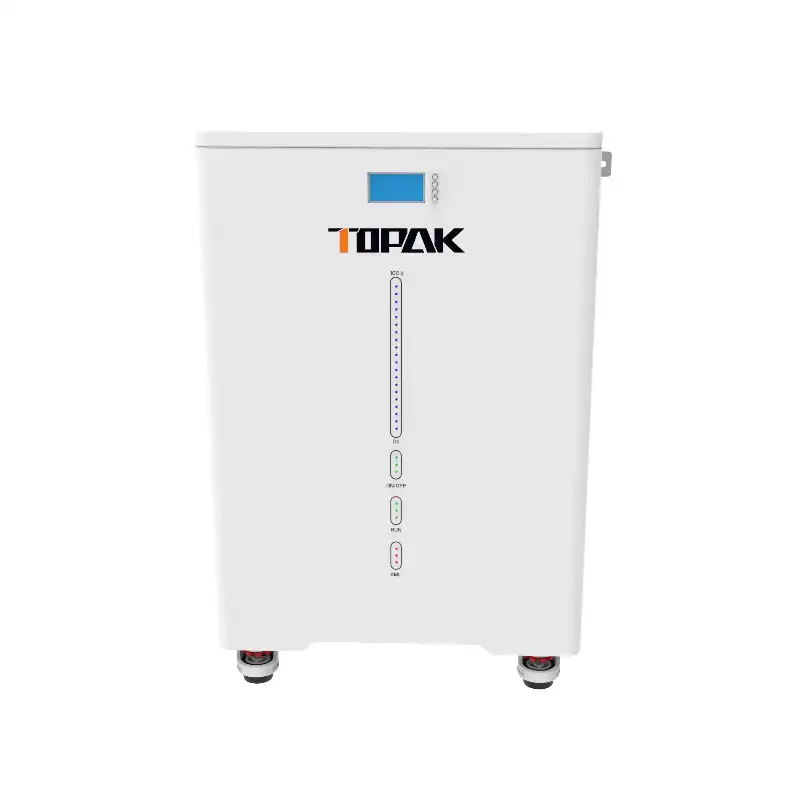
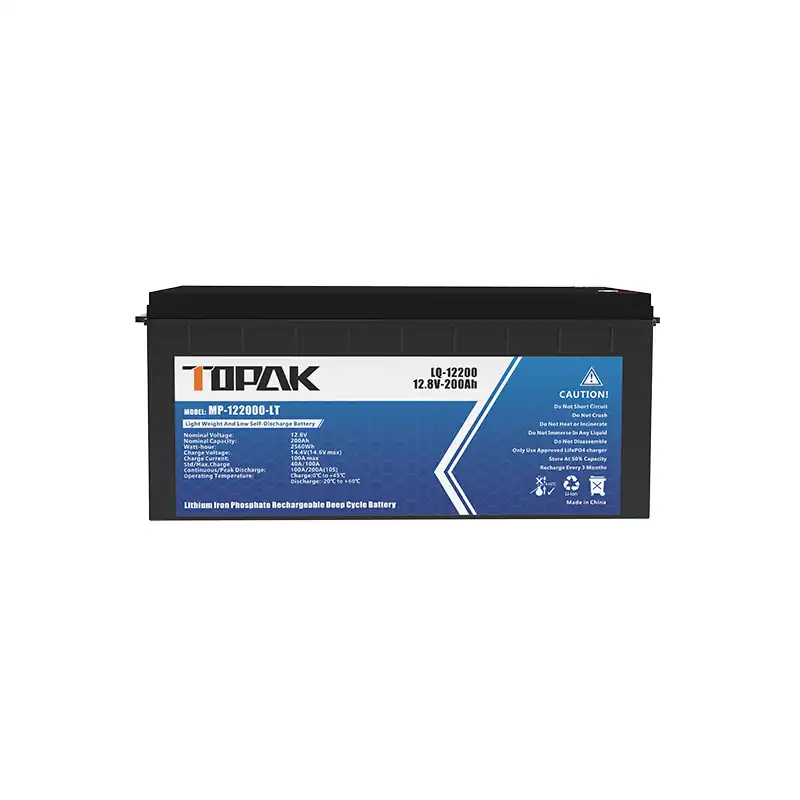
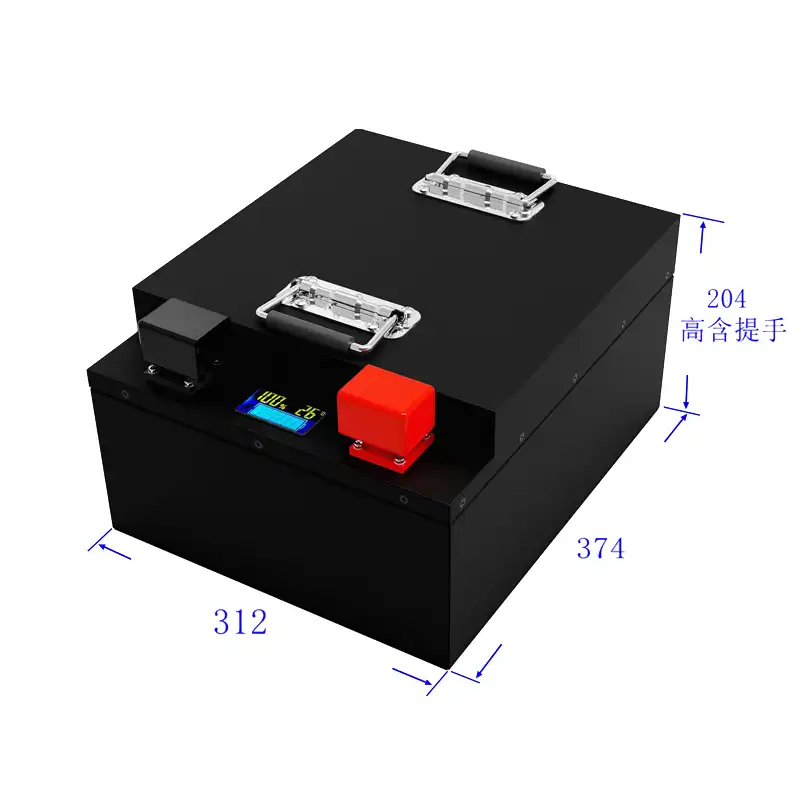
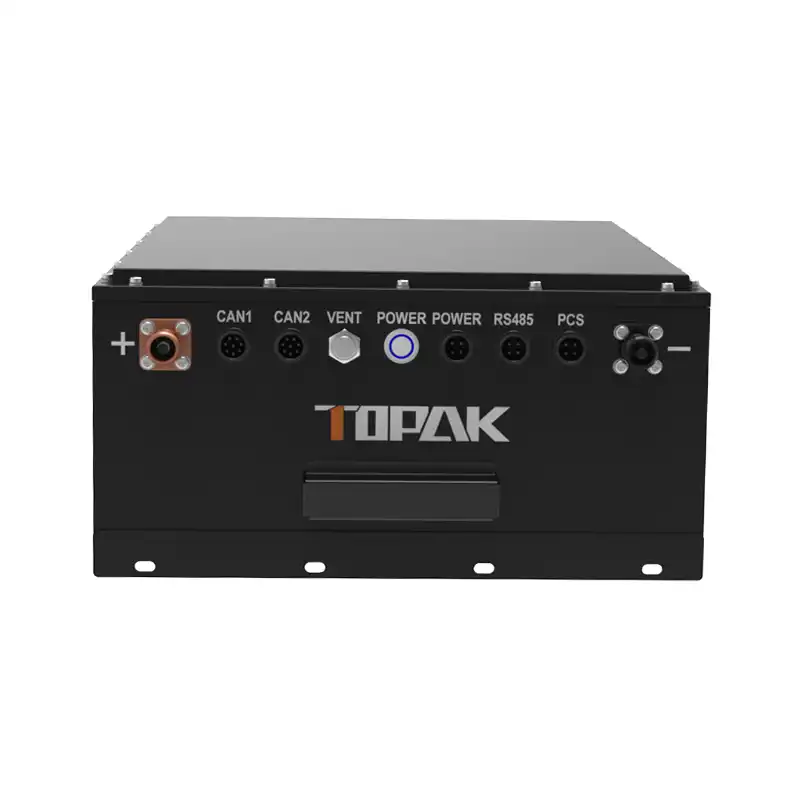
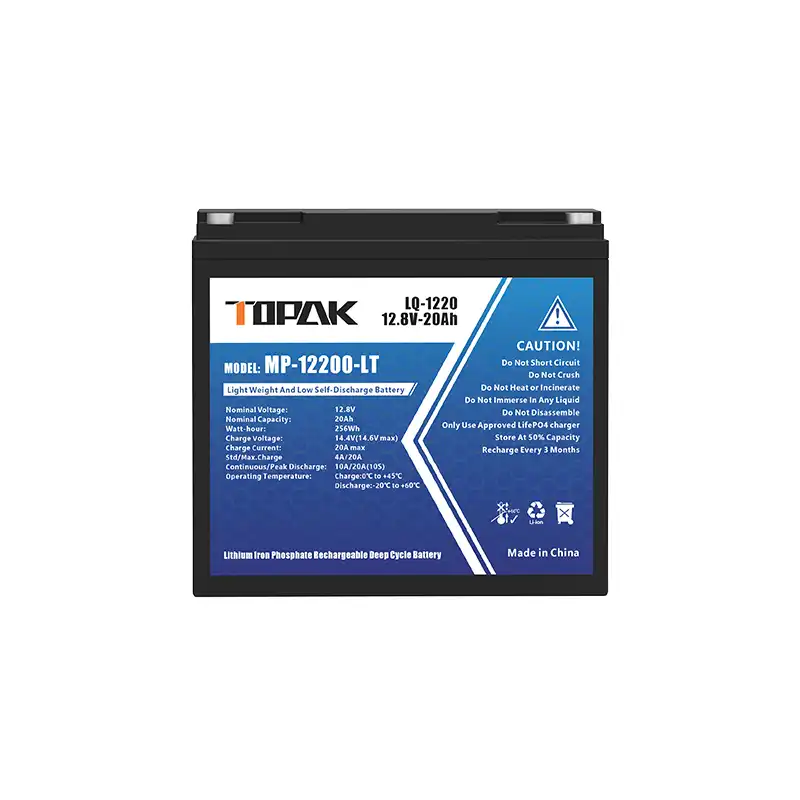
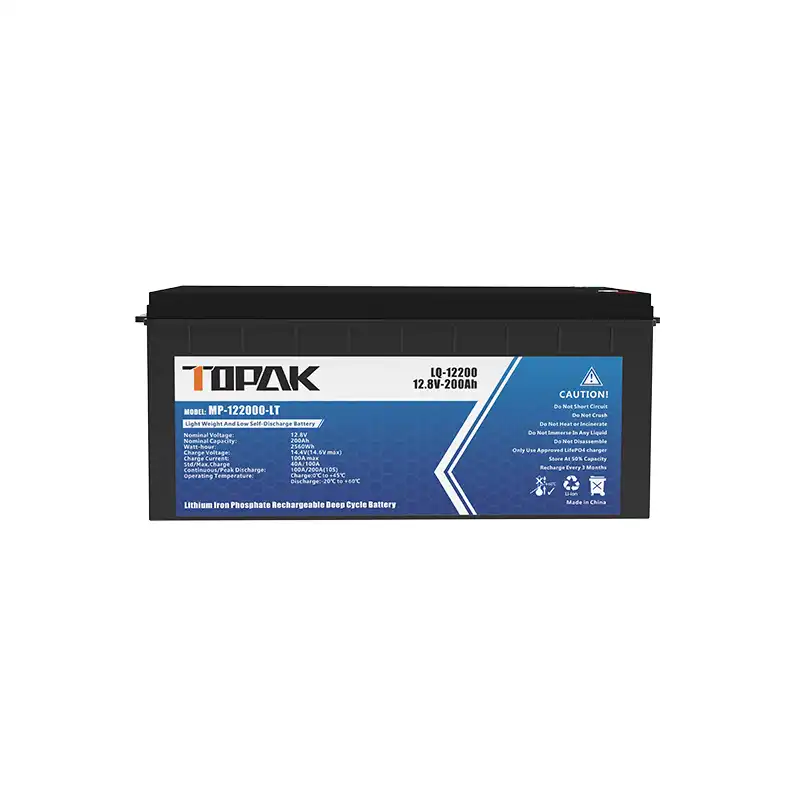
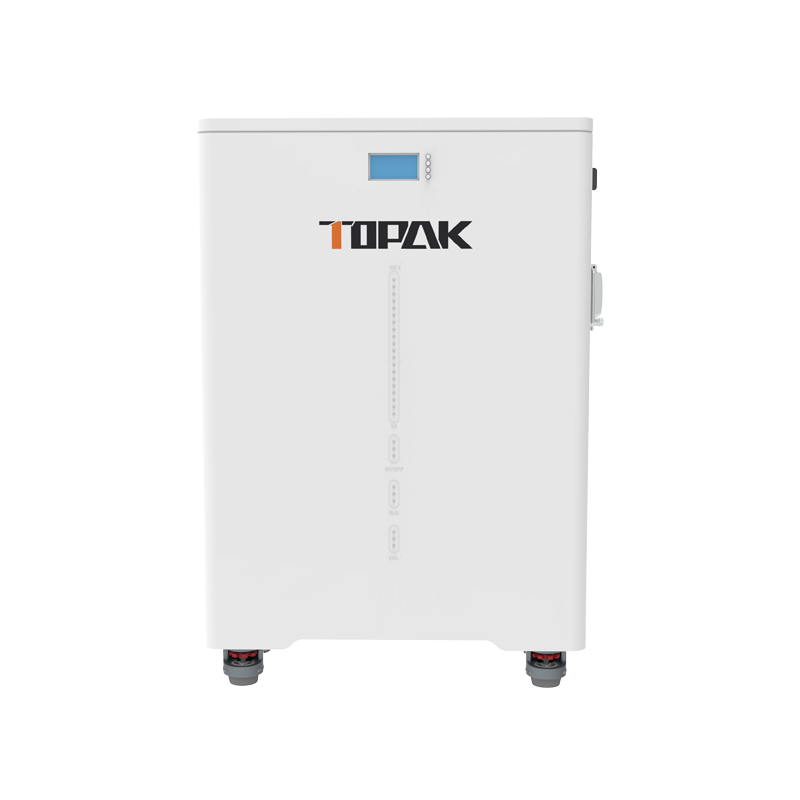
The battery storage boxes are the most important part of any C&I energy storage device. These high-capacity lithium-ion batteries are what hold the system together and provide the power storage it needs. These batteries are made to last a long time and work well in current C&I energy storage systems, like those provided by stars in the field. An example of a standard setup would have four 51.2V 314Ah lithium-ion batteries that can store 64.3KWh. This large capacity makes sure that businesses can store and use a lot of energy when they need to, whether it's during times of high demand or to get the most out of green energy sources. Because these battery units are flexible, they are easy to expand or change. This means that the C&I energy storage system can grow as the business needs it to.
Inverter Systems
Most business and industrial equipment needs AC power, but inverter systems convert DC power saved in batteries to AC power. They are an important part of C&I energy storage systems. High-power transformers that can produce up to 32KW of AC power are often found in advanced C&I energy storage systems. These inverters can usually work in a wide range, like 220VAC/230VAC, which means they can be used in a variety of business and industrial settings. It is very important that these inverters work efficiently because they have a direct effect on how well the C&I energy storage system works as a whole. To get the most out of solar energy collection, many current devices have more than one Maximum Power Point Tracking (MPPT) line; sometimes there are as many as six MPPTs. This function lets you set the voltage between 125V and 425V and the highest current per MPPT to 26A. This makes sure that the conversion and storage of solar energy is as efficient as possible.
Energy Management Systems (EMS)
The Energy Management System (EMS) in C&I energy storage is what makes it smart. This complex program is like the brain of the whole system; it constantly checks how much energy is being made, stored, and used. Advanced EMS in C&I energy storage systems use complicated formulas to make the best use of energy, use peak cutting techniques, and handle exchanges with the grid. In real time, these systems decide when to store energy, when to use saved power, and when to draw power from the grid. This keeps costs low. For example, when electricity rates are high, the EMS might tell the system to use saved energy. When rates are low, it might tell the system to use grid power and charge the batteries first. This smart control not only lowers energy costs but also makes sure there is a steady flow of electricity, which is important for businesses and factories.
How does modular design enhance C&I energy storage systems?
Scalability and Flexibility
Modern C&I energy storage systems are very scalable and flexible because they are made up of separate modules. With this method, companies can start with a system that meets their current needs and quickly add to it as their energy needs change. In a flexible C&I energy storage system, adding more battery units doesn't require a full rebuild; it can be done without any problems. This ability to grow with the business is especially helpful for companies that are growing or that want to gradually use more green energy. For instance, a business might start with a simple C&I energy storage system and then add more space as needed for new equipment or higher production needs. Because the modules are separate, the system can be set up in different ways, so each business can get solutions that are perfect for their energy needs.
Ease of Maintenance and Upgrades
The modular form of C&I energy storage systems makes upkeep and upgrades a lot easier. Unlike traditional centralized systems, where the failure of a single part could affect the whole setup, modular systems make it easy to find and fix broken units. This way of designing cuts down on repair costs and downtime, which are very important for businesses and factories that need a steady power source. In addition, the flexible design makes improvements easy. As battery technology improves, companies can swap out old units for better, more efficient ones without having to redo the whole system. The fact that C&I energy storage systems can be upgraded in small steps means that they can keep up with the latest technology advances and keep working at their best over time.
Cost-Effectiveness
Businesses save a lot of money when they use the flexible method to C&I energy storage. At first, it lets businesses buy a system that fits their current budget and energy needs, so they don't have to pay the high costs that come with buying a large, non-modular system. You can add more units as your business grows or your energy needs change, which spreads out the cost over time. This pay-as-you-grow plan works especially well for small and medium-sized businesses that might not have a lot of money to spend in big energy building projects. Modular C&I energy storage systems also often have lower production costs because their parts are standardized. These savings can be passed on to the end users. Long-term cost saves are also made possible by how easy it is to maintain and improve. This is because expert workers are not needed as often, and the system is down for less time during fixes or updates.
What are the future trends in C&I energy storage technology?
Integration with Renewable Energy Sources
Renewable energy sources are becoming more popular, which means that C&I energy storage will also grow. As more companies switch to solar and wind power, C&I energy storage systems are changing to work better with these irregular power sources. Modern systems can now easily incorporate solar power, accepting up to 46.2 kW of solar input and 1500V of open-circuit voltage at its highest point. This feature makes it possible to work with big PV systems, which helps businesses use green energy more efficiently. It's becoming more and more common for C&I energy storage systems to act as smart hubs that make the best use of the flow of energy between green sources, storage cells, and the grid. This combination not only makes energy use more efficient, but it also helps businesses reach their total environmental goals by lowering their carbon output and reliance on fossil fuels.
Advanced Battery Technologies
C&I energy storage methods will be changed by how battery technology improves. A lot of the systems we use now use lithium-ion batteries. But studying new materials and chemicals could lead to batteries that store more energy, last longer, and be safer. On the future are solid-state batteries, which could have higher energy levels and lower fire risks. These improvements in battery technology will let C&I energy storage systems store more energy in smaller spaces, which is very important for businesses that don't have a lot of room. C&I energy storage systems will become even more cost-effective as battery life and efficiency improve. This will make them a better choice for businesses of all kinds.
AI-Driven Energy Management
Smart computers and machines that can learn on their own are the key to the future of C&I energy storage. As energy management systems get smarter, they will use AI to predict how much energy will be used, find the best ways to store and use energy based on real-time data, and even trade energy on their own. These systems will be run by AI, and they will be able to learn from past data, weather forecasts, and market conditions to figure out when to store, use, or sell energy. For C&I uses, this could mean big cost savings by making peak shaving, demand response participation, and grid arbitrage work better. AI could also help with predictive maintenance of C&I energy storage systems, which would find problems before they happen and plan maintenance so that it doesn't get in the way of business.
Conclusion
C&I energy storage systems with modular design and intelligent energy control are at the forefront of the energy revolution in the commercial and industrial sectors. These systems offer unprecedented flexibility, efficiency, and cost-effectiveness, enabling businesses to optimize their energy consumption and seamlessly integrate renewable sources. As technology continues to advance, we can expect even more innovative solutions in battery technology, renewable integration, and AI-driven management systems. For businesses looking to stay ahead in energy management and sustainability, partnering with industry leaders like TOPAK Power Technology Co., Ltd. can provide access to cutting-edge C&I energy storage solutions. For more information on customized energy storage solutions, contact TOPAK at B2B@topakpower.com.
FAQ
Q: What is C&I energy storage?
A: C&I energy storage refers to Commercial and Industrial energy storage systems designed to store and manage electricity for businesses and industrial facilities.
Q: How does modular design benefit C&I energy storage systems?
A: Modular design allows for scalability, easier maintenance, and cost-effective upgrades of C&I energy storage systems.
Q: What is the role of an Energy Management System (EMS) in C&I energy storage?
A: An EMS optimizes energy usage, implements peak shaving strategies, and manages grid interactions for efficient and cost-effective energy use.
Q: How do C&I energy storage systems integrate with renewable energy sources?
A: These systems can support large solar inputs and use intelligent controls to optimize the flow of energy between renewable sources, storage, and the grid.
Q: What are the future trends in C&I energy storage technology?
A: Future trends include better integration with renewables, advanced battery technologies, and AI-driven energy management systems.
References
1. Smith, J. (2022). "Advancements in Commercial and Industrial Energy Storage Systems." Journal of Energy Management, 45(3), 278-295.
2. Brown, A., & Johnson, L. (2021). "Modular Design Approaches in C&I Energy Storage: A Comparative Analysis." Energy Technology Review, 18(2), 112-130.
3. Zhang, Y., et al. (2023). "Intelligent Energy Control Systems for C&I Applications: Current State and Future Prospects." IEEE Transactions on Smart Grid, 14(5), 3456-3470.
4. Davis, R. (2022). "Integration of Renewable Energy Sources with C&I Energy Storage: Challenges and Solutions." Renewable and Sustainable Energy Reviews, 86, 205-220.
5. Wilson, E., & Thompson, K. (2021). "The Role of AI in Next-Generation C&I Energy Storage Management." Artificial Intelligence in Energy Systems, 7(4), 345-360.
6. Lee, S. (2023). "Economic Impacts of Modular C&I Energy Storage Systems: A Case Study Analysis." Journal of Energy Economics, 52, 178-195.